What Is Radon System: 2026 Plain-Language Terminology Guide
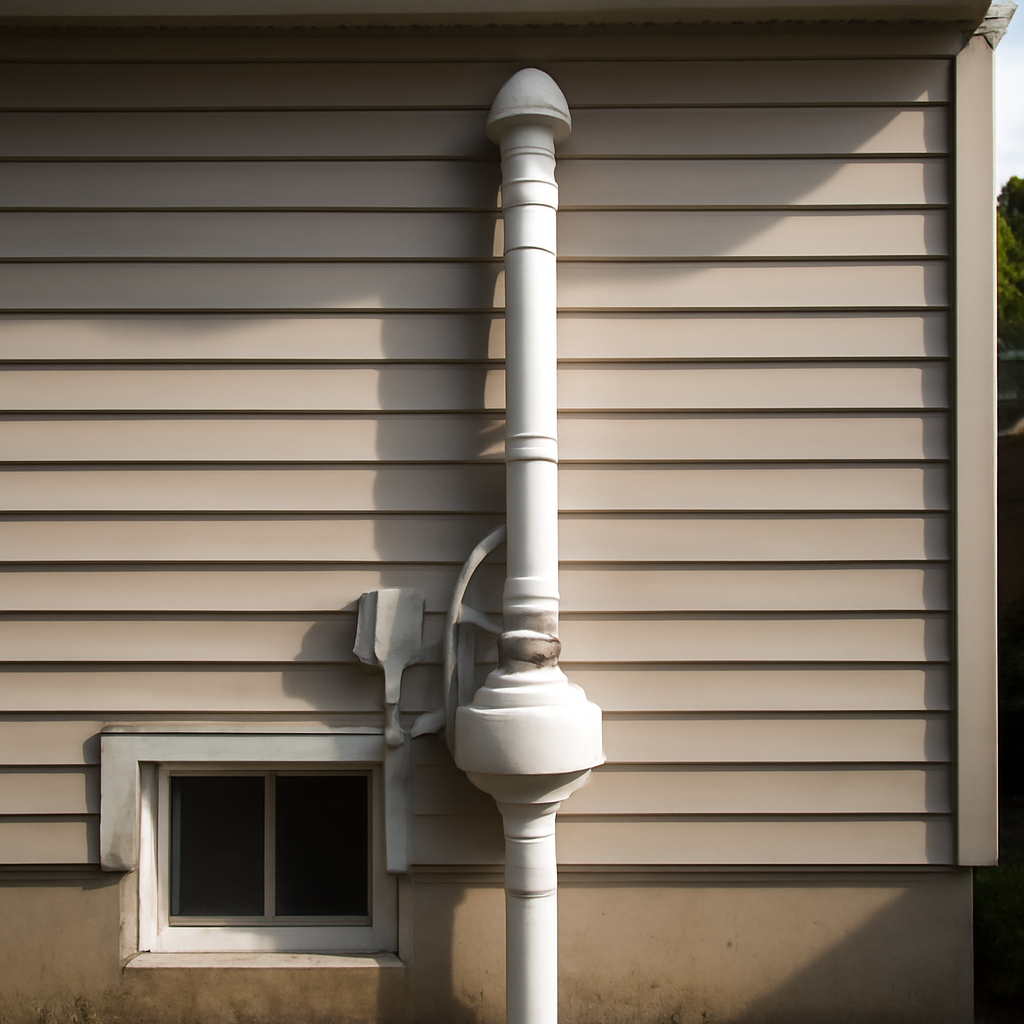
The phrase “radon system” appears in homeowner conversations, real estate disclosures, and home inspection reports as a generic shorthand for the equipment that lowers indoor radon concentrations. The wording is broader than “radon mitigation system,” which refers to a specific installed remediation, and broader than “radon detection system,” which refers to monitoring equipment. This guide summarizes EPA and Colorado Department of Public Health and Environment guidance current as of 2026 and is not medical advice. The aim here is to clarify what people usually mean when they use the generic “radon system” terminology and to explain how the most common configuration, sub-slab depressurization, works.
Part of our Radon Mitigation Systems guide — start there for the full picture →
What people usually mean by “radon system”
When a homeowner, inspector, or real estate agent says a property has a “radon system,” they usually mean a sub-slab depressurization (SSD) mitigation system has been installed. SSD systems are the dominant residential radon mitigation technology in the United States. The system consists of a vent pipe penetrating the basement slab or crawlspace, a radon fan that creates negative pressure beneath the slab, and an exhaust outlet venting above the roofline. The pressure differential pulls radon-laden soil gas out from under the foundation before it can enter the living space.
The phrase “radon system” is colloquial. The technically correct term is “active soil depressurization” or “sub-slab depressurization mitigation system.” But the colloquial usage is widespread enough that home inspectors, real estate disclosures, and homeowner conversations all use it. The radon testing pillar guide covers the broader testing-to-mitigation workflow.
How “radon system” differs from “radon mitigation system”
The generic “radon system” terminology covers a broader concept than “radon mitigation system.” A radon mitigation system specifically refers to the installed remediation equipment that actively lowers indoor radon concentration after testing has identified an elevated level. The terminology in our sibling article on what is a radon mitigation system covers the mitigation-specific framing in detail. The current article uses “radon system” in its broader sense to capture how everyday usage often blends mitigation, monitoring, and prevention into one phrase.
In practice, when someone asks “what is a radon system,” they usually want to understand the SSD mitigation configuration that handles elevated radon in residential properties. That is the focus here. But the phrase can also refer to passive radon-resistant construction features in new builds, ongoing monitoring equipment, or whole-house ventilation strategies that incidentally affect radon. Context clarifies which usage applies in a given conversation.
Components of a sub-slab depressurization system
An SSD radon system has four main components. The suction point is a hole drilled through the basement floor slab connecting the pipe to the gravel layer beneath. The vent pipe is typically 3- or 4-inch PVC schedule 40 pipe running from the suction point up through the house and exiting through the roof. The radon fan, installed on the pipe in an attic, exterior wall, or unconditioned space, runs continuously to maintain negative pressure beneath the slab. The exhaust outlet terminates above the roofline and away from windows or HVAC intakes to prevent re-entry of vented radon.
A pressure gauge or manometer mounted on the vent pipe in the basement displays the operating pressure of the system. The manometer is a visual confirmation that the fan is working. A reading of zero on the manometer means the fan has stopped and the system is no longer mitigating. Homeowners with installed radon systems should check the manometer monthly as part of routine maintenance.
How sub-slab depressurization works
Radon enters homes by seeping through cracks and openings in the foundation slab from soil beneath. The soil gas carrying radon is at slightly higher pressure than the indoor air, particularly during winter when stack-effect pressure differentials draw soil gas upward. SSD reverses this pressure differential by creating active suction beneath the slab. The radon fan continuously pulls air out from under the foundation, lowering the pressure below the slab to less than indoor pressure. Radon-laden soil gas is captured at the suction point and exhausted above the roof rather than entering the home.
The system relies on a gravel or air-permeable layer beneath the slab to communicate suction across the foundation footprint. Most homes built since the 1960s have a gravel base under the slab, which allows SSD to work well. Older homes without a gravel base may require multiple suction points or alternative configurations. EPA’s Consumer’s Guide to Radon Reduction covers configuration variations in detail.
What the fan does
The radon fan is the active component of the system. It runs continuously, drawing 50 to 100 watts of electricity depending on the model. Fans are rated by static pressure capacity (how much suction they can produce) and airflow (how much air they move). Fans for residential SSD typically produce 1.0 to 2.0 inches of water column static pressure at the suction point, which is sufficient for most foundation configurations. Higher-flow fans address larger footprints or homes with multiple suction points.
Fan lifespan is typically 5 to 10 years of continuous operation. Fans are exterior-grade and rated for outdoor installation. Replacement fans cost $150 to $400 for the unit plus $200 to $500 for installation labor. Homeowners with installed systems should plan for fan replacement at the 5-to-10-year mark and confirm replacement keeps the system within performance specifications. Continuous monitoring during the fan’s life confirms ongoing performance.
Where the exhaust goes
EPA mitigation standards specify that the radon exhaust must terminate above the roofline and away from windows, doors, and HVAC intakes. The minimum vertical termination is typically 12 inches above the eaves or at least 10 feet above ground. Horizontal clearance from openings is typically 10 feet to prevent re-entry of vented radon into the building. The exhaust outlet should not terminate in an attic, garage, or other enclosed space because that simply relocates the radon rather than expelling it.
Front Range installations often route the pipe up through an interior chase to the attic and then out through the roof. Exterior routings up the side of the house and over the eave are also common. Each routing has aesthetic and structural tradeoffs that the mitigation contractor evaluates during system design.
System effectiveness
Properly designed and installed SSD systems reduce indoor radon concentrations by 90 percent or more in most homes. Pre-mitigation readings of 8 to 12 pCi/L commonly drop to below 2.0 pCi/L after mitigation. Higher pre-mitigation readings of 20 to 50 pCi/L typically drop to below 4.0 pCi/L, though achieving readings below 2.0 pCi/L may require additional suction points or higher-flow fans. The effectiveness depends heavily on installation quality, sub-slab connectivity, and ongoing fan operation.
Post-installation testing confirms the system performance. EPA recommends a follow-up radon test within 30 days of installation and annual testing thereafter to verify continued effectiveness. The mitigation contractor’s warranty typically requires post-installation testing to validate the work. CDPHE radon guidance covers Colorado-specific testing and verification protocols.
Cost of installing a radon system
Residential SSD system installation in 2026 typically runs $1,500 to $3,500 in most U.S. markets including the Front Range. The cost variation reflects foundation complexity, accessibility, routing requirements, and the number of suction points needed. Standard single-suction-point installations on accessible basement homes run at the lower end. Multi-suction-point installations on homes with poured-in-place slabs and limited sub-slab communication run at the higher end. Crawlspace mitigation can run higher still because of additional vapor barrier installation requirements.
Ongoing operating costs include electricity for the fan (roughly $5 to $15 per month) and periodic fan replacement every 5 to 10 years. Total lifetime cost over 20 years including installation, electricity, and fan replacement runs roughly $3,000 to $5,500. The cost is small relative to the lung cancer risk reduction from sustained low indoor radon concentrations.
Passive radon systems in new construction
Some homes built since the 1990s include passive radon-resistant construction features. The most common configuration is a gravel layer beneath the slab connected to a vent pipe that exits through the roof, without a fan. The passive system uses the natural stack effect of the warm pipe rising to draw soil gas upward without active mechanical suction. Passive systems are partially effective in some climates and may need to be activated with a fan if post-construction testing shows elevated radon. New construction in radon-prone areas often pre-installs the pipe so that fan addition is straightforward if needed.
Maintaining a radon system
Owner maintenance of an installed radon system is minimal. Check the manometer monthly to confirm the fan is operating. Schedule fan replacement at the 5-to-10-year mark or sooner if the manometer reading drops. Conduct a follow-up radon test every two years to confirm continued effectiveness. Keep the exhaust outlet clear of obstructions, particularly debris in fall. Document the installation date, contractor name, fan model, and any service history in a permanent property record.
Failures are usually obvious. A stopped fan causes the manometer reading to drop to zero. Reduced airflow from a partially blocked suction point or pipe can cause partial pressure loss visible on the manometer. The radon mitigation system what is it guide covers maintenance protocols in more detail.
Crawlspace and slab-on-grade variations
Sub-slab depressurization is the default configuration for basement homes. Crawlspace homes use a variation called sub-membrane depressurization where a sealed polyethylene vapor barrier is installed across the crawlspace floor and the radon fan creates negative pressure beneath the membrane. Slab-on-grade homes without a basement or crawlspace use a configuration that pulls suction at the slab perimeter or through cores drilled into the slab. Each configuration follows the same general principle: capture soil gas beneath the foundation and exhaust it above the roof. The execution varies with the foundation type, but the end goal is identical.
Multi-suction-point installations are common in homes with multiple foundation sections, additions built at different times, or poured-in-place slabs with limited gravel communication. A contractor performing a diagnostic test before installation determines whether one suction point can adequately depressurize the foundation or whether two or more points are needed. The diagnostic test is cheap relative to the cost of installing an inadequate system that has to be retrofitted later.
Connecting with a Front Range mitigation contractor
Front Range homeowners with confirmed elevated radon readings or considering pre-emptive mitigation can reach a vetted local mitigation contractor through our contact page. We work with NRPP-certified and NRSB-certified mitigation specialists across Denver, Douglas, Arapahoe, Jefferson, Boulder, and surrounding counties.
Selling a home with an installed radon system
An installed radon system is generally considered a property improvement that adds value during sale. Sellers should retain installation documentation, contractor licensing records, post-installation test results, and any annual verification tests. Buyers reviewing pre-1980 or basement-bearing properties often ask about radon system presence, so a documented system can be a marketing advantage. Buyers should verify the system is operating correctly by checking the manometer during the inspection visit and reviewing the most recent test results.
References
- Consumer’s Guide to Radon Reduction — U.S. Environmental Protection Agency
- Citizen’s Guide to Radon — U.S. Environmental Protection Agency
- Radon Information for Colorado Residents — Colorado Department of Public Health and Environment
Front Range homeowners with elevated radon readings or considering preventive mitigation can connect with a vetted mitigation contractor through our contact page.
Test your home for radon
Radon is invisible and odorless, so a test is the only way to know your level. A short-term kit gives a first reading in days; a digital monitor tracks it over time.
| Product | Why | Buy |
|---|---|---|
 AirChek Charcoal Radon Test Kit AirChek Charcoal Radon Test Kit | Lab fee usually included; EPA short-term protocol. | Amazon — $21.95 |
 First Alert RD1 Radon Test Kit First Alert RD1 Radon Test Kit | Widely stocked; 48-hour charcoal test. | Amazon — $17.95 |
 Airthings Corentium Home Airthings Corentium Home | Digital monitor with a long-term average. | Amazon — $142.49 |