Cost to Repair a Radon Mitigation System: A Guide
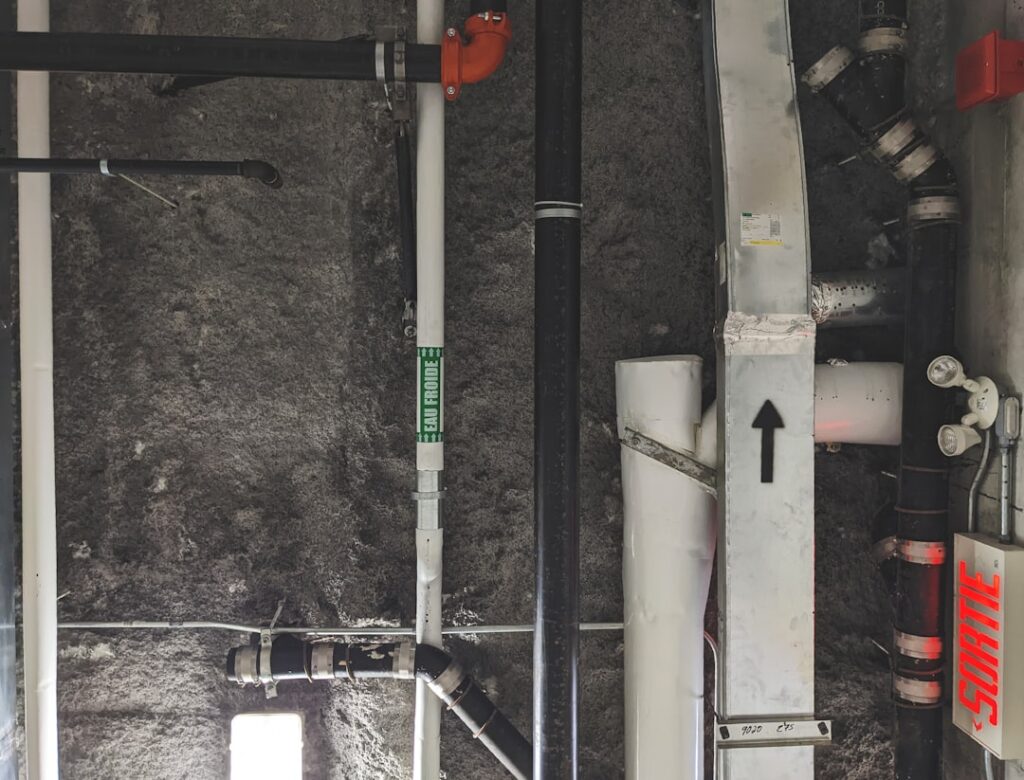
The cost to repair a radon mitigation system is usually far smaller than the cost of installing one, but knowing what failed and what a fair price looks like helps Front Range homeowners avoid overpaying or, worse, ignoring a system that has quietly stopped working. Radon is a colorless, odorless radioactive gas and the leading cause of lung cancer among non-smokers, so a mitigation system that fails silently can let levels climb without warning. This guide summarizes EPA and Colorado Department of Public Health and Environment guidance current as of 2026; consult a certified professional for repair decisions and your physician for any health concerns. It covers common repairs, typical costs, and how to tell when service is needed.
Part of our Radon Mitigation Systems guide — start there for the full picture →
What does it cost to repair a radon mitigation system?
Repair costs vary with the problem, but most repairs are modest compared with a full installation. The most common repair, replacing the fan, typically falls in a range from roughly a hundred dollars or so for the fan itself up to several hundred dollars when professional labor is included. Minor repairs such as resealing a joint, replacing a cracked manometer, or fixing loose piping are usually less. A more involved repair, such as adding a suction point or rerouting piping, costs more and approaches the price of partial reinstallation.
The single biggest factor is which component failed and whether the fix is a simple part swap or a redesign. A failed fan on an accessible run is inexpensive to replace. A system that never reduced radon adequately and needs design changes is a larger job. As always, a written estimate from a certified professional after inspecting the system gives the real figure. For background on how the system is built, our guide to what a radon system is explains the components a repair might address.
The most common repair: fan replacement
The radon fan is the heart of an active soil depressurization system, running continuously to draw soil gas from beneath the foundation and exhaust it above the roofline. Because it runs around the clock for years, the fan is the component most likely to wear out, and fan replacement is the most common radon system repair.
How long radon fans last
Radon fans are generally expected to last several years to over a decade, depending on the model, the operating conditions, and quality. A fan that fails after many years of continuous service has simply reached the end of its life rather than indicating a defect. When a fan fails, the system stops moving air, and radon levels can rise back toward pre-mitigation readings.
What fan replacement involves
Replacing a fan involves disconnecting the failed unit, fitting a compatible replacement of the correct capacity for the system, and resealing the connections. Matching the fan’s capacity to the home’s needs matters, so an oversized or undersized replacement does not undermine performance. Our dedicated guide to radon mitigation fan replacement walks through the process and what to expect from a service call.
Other common repairs
Beyond the fan, several other issues can require service. Sealing failures are common: the caulk or sealant around the suction point, sump cover, or foundation penetrations can degrade over time, allowing the system to lose suction or letting radon bypass the system. Resealing is inexpensive but important to the system’s effectiveness.
The manometer, the simple U-shaped gauge mounted on the pipe that shows whether the system is running, can crack or lose its fluid and may need replacement so the homeowner can monitor the system. Piping can loosen at joints, develop leaks, or be damaged, requiring resealing or a section replacement. In colder Front Range winters, condensation and freezing in improperly sloped pipe can cause problems, occasionally requiring a routing adjustment. Each of these is typically a low-cost fix relative to a full system.
How to tell your radon system needs repair
Because a failed radon system does not announce itself, homeowners should know the warning signs. The manometer is the first thing to check: the gauge should show a pressure difference between the two columns of fluid. If both columns are level, the system is not creating suction, which usually means the fan has failed or there is a major leak.
Other signs include the fan going silent or making unusual noise, since a healthy fan produces a steady, low hum. Visible cracks in piping, deteriorated sealant, or a manometer with no fluid all warrant attention. The most reliable check, though, is retesting: even a system that appears to be running should be verified periodically with a radon test, because subtle problems can reduce effectiveness without an obvious symptom. Our guide on how radon mitigation systems work explains what proper operation looks like.
Why timely repair matters on the Front Range
In a region like Colorado’s Front Range, where elevated radon is common, a non-functioning mitigation system is not a minor inconvenience. A home that originally tested high will likely return to elevated levels within a short time of the system failing, exposing the household to the very risk the system was installed to prevent. Because radon is invisible and odorless, that exposure can continue unnoticed for months.
This is why periodic retesting and prompt repair are worth the modest cost. The expense of replacing a fan or resealing a joint is small next to the health risk of breathing elevated radon for an extended period. Treating the mitigation system as something to monitor and maintain, rather than install and forget, keeps a Colorado home protected over the long term. The Front Range radon testing hub reinforces why ongoing vigilance pays off in this region.
DIY repair versus hiring a professional
Some radon system repairs tempt homeowners to do the work themselves, and a few simple tasks are within reach of a capable owner. Resealing a small gap with the correct sealant, or replacing a cracked manometer, are low-risk jobs. Even fan replacement is mechanically straightforward for someone comfortable with basic tools, though matching the correct fan capacity to the system is important.
The catch is verification. The reason to favor a certified professional, especially for fan replacement or anything affecting suction, is that the repair must be confirmed effective with a radon test, and a professional brings both the right replacement parts and the testing to prove the fix worked. A homeowner who swaps a fan without retesting has no way to know whether radon levels have actually returned to safe. For minor cosmetic fixes, DIY can be reasonable; for anything affecting the system’s ability to reduce radon, professional repair with a confirmation test is the safer path.
Preventing premature failures
A little attention extends a radon system’s life and reduces repair frequency. Keeping the discharge point clear of obstructions, ensuring the fan is mounted and supported properly, and protecting exterior piping from physical damage all help. In Colorado’s climate, making sure piping is sloped correctly so condensation drains back rather than pooling and freezing prevents a common cold-weather problem. Avoiding modifications to the home that could disturb the system, such as finishing a basement without accounting for the existing piping, also matters.
The most valuable habit is simply paying attention. Checking the manometer occasionally, listening for the fan’s steady hum, and retesting every couple of years catches problems early, when they are cheap to fix. A failed fan caught quickly is a minor repair; a failed system left unnoticed for a year exposes the household to elevated radon the whole time. Treating the system as something to monitor turns most potential failures into small, inexpensive maintenance rather than emergencies.
How often should a radon system be checked?
Because radon systems can fail silently, a regular check-in schedule is the homeowner’s best defense, and it costs little. A quick visual glance at the manometer takes seconds and can be done whenever you pass the gauge; the two fluid columns should sit at different heights, indicating the fan is creating suction. Listening for the fan’s steady hum is another effortless check. These informal checks, done periodically, catch the most common failures early.
Beyond informal checks, the EPA recommends retesting radon levels every couple of years and after any significant change to the home, such as a renovation, foundation work, or a change in how the home is heated and ventilated. An inexpensive do-it-yourself test kit makes periodic retesting affordable, and it is the only way to confirm the system is actually keeping levels low rather than merely running. A system that hums along while quietly losing effectiveness is exactly the scenario retesting catches. On the Front Range, where elevated radon is common, this modest routine is well worth the small effort.
The hidden cost of ignoring a failed system
The most expensive radon system failure is the one a homeowner never notices. Repairs themselves are inexpensive, but the real cost of a failed system is measured in exposure, not dollars. A home that originally tested high will return toward those elevated levels soon after the fan stops, and because radon is invisible and odorless, that exposure can continue for months or years unnoticed. The health risk of prolonged exposure to elevated radon is precisely what the system was installed to prevent.
Viewed this way, the modest cost of a fan replacement or a reseal is not really an expense at all but a renewal of the protection the homeowner already invested in. Skipping repairs or ignoring a silent system squanders the original installation cost and reintroduces the very risk it was meant to remove. For Front Range homeowners, treating prompt repair as non-negotiable, and pairing it with periodic retesting, ensures the system keeps delivering the health benefit it was designed for. The math strongly favors maintenance: a small, occasional cost protects against a serious, cumulative harm.
Repair, replace, or redesign?
When a system fails, the right response depends on the cause. A worn-out fan on an otherwise sound system simply needs a new fan, the least expensive path. Degraded seals or loose piping need targeted repair. But if retesting shows the system never adequately reduced radon, or if levels remain high despite a working fan, the issue may be the system’s design rather than a broken part, which calls for a certified professional to evaluate whether additional suction points or rerouting are needed.
A certified mitigation professional can diagnose the difference, perform the repair, and, importantly, retest afterward to confirm levels are back below the EPA action level of 4.0 pCi/L. That confirmation is the proof that the repair worked. Homeowners should always ask for a post-repair test rather than assuming a new fan alone solved the problem.
Choosing who repairs your radon system
When a repair is needed, choosing the right professional matters as much as the repair itself. A certified radon mitigation professional brings the diagnostic skill to determine whether a problem is a simple worn fan or a deeper design flaw, the correct replacement parts sized to the system, and the testing equipment to confirm the fix worked. The original installer is often a sensible first call, since they know the system, though any qualified certified professional can service it.
When evaluating a repair provider, confirm their certification, ask how they will diagnose the problem, and, crucially, confirm that a post-repair radon test is included so the result is verified rather than assumed. Be cautious of anyone who proposes to swap a part without retesting, since an unverified repair offers no assurance that radon levels have actually dropped. A provider who explains the diagnosis, performs the repair, and proves the result with a test is delivering the full value of professional service. For Front Range homeowners, this verification step is the difference between a system that merely runs and one that genuinely protects the household.
References
- Consumer’s Guide to Radon Reduction and system upkeep — U.S. Environmental Protection Agency
- Colorado radon mitigation guidance and certified contractors — Colorado Department of Public Health and Environment
- Radon health risks and reduction recommendations — American Lung Association
Frequently asked questions
How much does it cost to repair a radon mitigation system?
Most repairs are modest. Fan replacement, the most common repair, typically runs from roughly a hundred dollars for the fan up to several hundred with labor. Resealing joints or replacing a manometer costs less, while adding suction points or rerouting piping costs more.
How long does a radon fan last?
Radon fans generally last several years to over a decade of continuous operation, depending on the model and conditions. A fan that fails after many years has simply reached the end of its service life. When it fails, the system stops working and radon can rise again.
How can I tell if my radon system has failed?
Check the manometer gauge: if both fluid columns are level, the system has lost suction, usually from a failed fan or major leak. A silent or noisy fan, cracked piping, and degraded sealant are other signs. Periodic retesting is the most reliable check.
Should I retest after repairing my radon system?
Yes. After any repair, a certified professional should retest to confirm levels are below the EPA action level of 4.0 pCi/L. A new fan alone does not guarantee the problem is solved, so the post-repair test is the proof the repair worked.
Front Range homeowners who suspect their radon system has stopped working can connect with a vetted local inspector through our contact page to arrange a diagnosis and retest.
Radon mitigation fans & parts
If a sub-slab depressurization system is the fix, the inline fan is the heart of it. Match the fan to your soil and pipe diameter — or have a certified installer size it.
| Product | Why | Buy |
|---|---|---|
 RadonAway RP145 Inline Fan RadonAway RP145 Inline Fan | Common 4-in. SSD workhorse fan. | Amazon — $152.00 |
 Fantech Rn2 Radon Fan Fantech Rn2 Radon Fan | Quiet operation; energy-efficient. | Amazon — $153.89 |
 Radon U-Tube Manometer Radon U-Tube Manometer | Confirms the system is pulling suction. | Amazon — $12.38 |