Radon Mitigation Fan Replacement: What Homeowners Need to Know
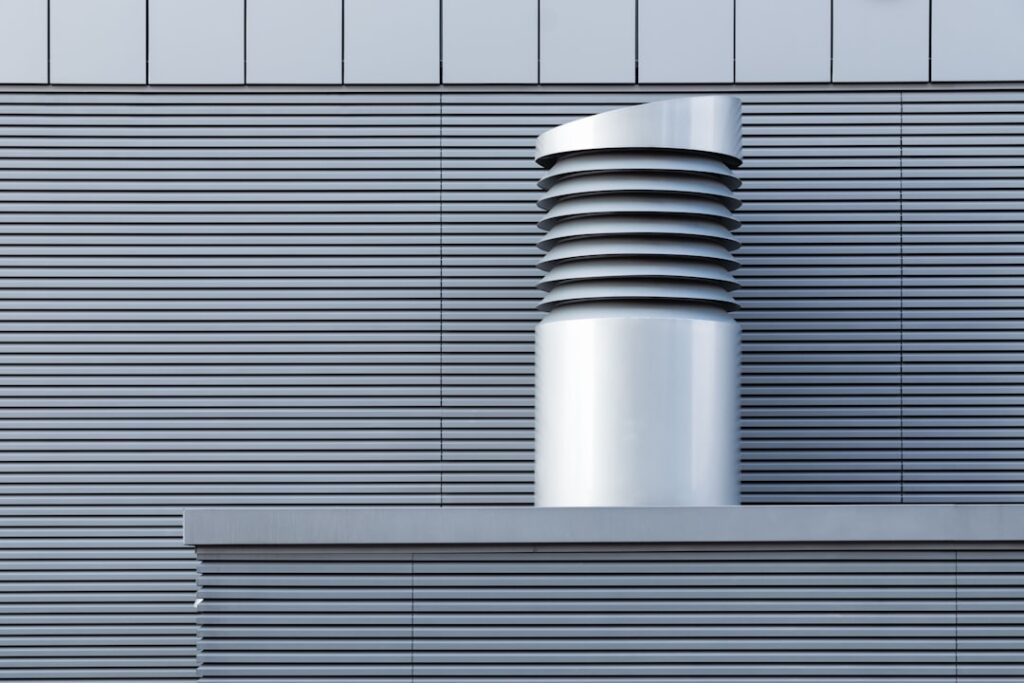
Radon mitigation fan replacement is the maintenance step most homeowners forget until their system goes quiet. The fan is the heart of an active sub-slab depressurization system — it runs continuously, pulling radon-laden soil gas from beneath the foundation and venting it above the roof. Like any motor running around the clock, it eventually wears out, and a failed fan means radon can climb back to pre-mitigation levels without any visible sign. This guide summarizes EPA and Colorado health-department guidance current as of 2026; consult a certified radon professional for system decisions and your physician for any health concerns.
When Does a Radon Fan Need Replacing?
Radon fans are built for continuous duty, and manufacturers generally rate them for a service life of roughly five to ten years, though many run longer. Replacement is warranted when the fan fails outright, becomes noticeably louder or starts vibrating, or when the system’s manometer (the U-shaped pressure gauge on the pipe) shows the pressure has dropped or equalized, signaling the fan is no longer moving air effectively.
The clearest indicator is the manometer. In a healthy system the liquid in the two legs sits at different heights, showing suction. If both legs read level, the fan has likely stopped or weakened. Because radon is invisible and odorless, the gauge and a follow-up test are your only feedback. Our guide on how radon mitigation systems work explains the role each component plays.
Warning Signs of a Failing Fan
Several signs point to a fan nearing the end of its life. A grinding, rattling, or humming noise where the unit was once quiet suggests worn bearings. Increased vibration in the pipe is another bearing symptom. A manometer reading that has changed from its original baseline — which a good installer marks on the gauge — indicates reduced suction.
Sometimes the only sign is a rising radon retest. The EPA recommends retesting every two years and after any system change, precisely because a fan can lose performance gradually before it stops. Front Range homeowners have particular reason to stay vigilant: Colorado’s geology produces some of the highest radon levels in the country, so a degraded fan here can let levels climb quickly. Our overview of high radon levels and what they mean for Front Range homeowners puts the regional risk in context.
What Does Replacement Cost?
Fan replacement is one of the more affordable radon-system repairs. The fan unit itself commonly runs from about $100 to $300 depending on the model and the suction it must generate, and professional installation typically brings the total to roughly $300 to $600. Pricing depends on fan size, accessibility of the existing unit, and whether wiring or pipe modifications are needed.
Matching the replacement fan to the system is critical. Fans are sized to the home’s sub-slab conditions; an undersized unit will not pull enough soil gas, and an oversized one wastes energy and may pull conditioned air from the home. A certified installer selects a fan rated for your system’s required airflow and static pressure. For the broader picture of system pricing, see our radon mitigation system price breakdown.
Should You Replace It Yourself?
Some handy homeowners replace fans themselves, but there are good reasons to use a professional. Radon fans must be installed in an approved location — outside the living space, either outdoors or in an attic or garage — and the system must maintain a sealed, properly pitched vent path to prevent leakage back into the home. Electrical connections must meet code, and the new fan must match the system’s airflow requirements.
A certified mitigation professional handles fan sizing, electrical work, proper sealing, and a post-replacement performance check, then advises on a confirmatory radon retest. Given how cheap the fan itself is relative to the consequences of a system that quietly underperforms, professional replacement is the choice most homeowners make. The parent radon testing guide for Front Range homeowners covers how testing ties the whole picture together.
Choosing a Replacement Fan Type
Radon fans come in several configurations, and the replacement should suit both the system’s needs and its location. Inline radial fans are the most common, mounted in the vertical pipe run and sized by the suction and airflow they produce. For systems facing high-suction demands — tight soils or deep suction pits — a higher-static-pressure fan is appropriate, while looser fill calls for a higher-airflow model. Matching the fan curve to the system’s requirements is what keeps levels suppressed without wasting energy.
Location influences the choice as well. Fans mounted outdoors or in unconditioned attics must tolerate temperature extremes and, outdoors, weather and UV exposure, so a weather-rated unit is essential there. Noise is another consideration: some homeowners replacing a fan near a bedroom or living area opt for a quieter model or add vibration-damping couplings. Energy use matters over the long run, since the fan runs continuously; a well-matched fan that draws only the power the system needs costs less to operate year after year. A certified installer weighs these factors — suction demand, location, noise, and efficiency — when selecting the replacement, which is one more reason the sizing decision benefits from professional judgment rather than a like-for-like guess off a shelf.
Retesting After Replacement
A new fan is not the end of the job. After replacement, confirm the manometer shows restored suction, then run a radon test to verify the system is again holding levels below the EPA action level of 4.0 pCi/L. A short-term test placed in the lowest lived-in level of the home gives a quick read; a long-term test gives a more representative annual average. Mark the new baseline on the manometer so future drift is easy to spot. Build retesting into a routine — every two years, after any system service, and any time the gauge reading changes — so a worn fan never goes unnoticed.
This retest step matters more than many homeowners realize, because a fan can fail gradually rather than all at once. A motor losing efficiency over months may still move some air and show a partial manometer reading, masking the fact that suction has dropped below what the home needs. Only a radon measurement reveals whether the new fan has truly restored protection. For Front Range households, where baseline radon is high and the margin for error is small, confirming the number after a replacement is not optional caution but basic diligence. Keeping a simple log — replacement date, fan model, the new manometer baseline, and the post-replacement radon result — gives you a clear reference for the next time the system needs attention, and it documents for any future buyer that the system has been properly maintained. That record is small effort for lasting protection against an invisible gas that gives no other warning.
Why Radon Fans Wear Out
Understanding why fans fail helps homeowners anticipate replacement rather than be caught off guard. A radon fan runs 24 hours a day, every day, for the life of the system — it never cycles off the way a furnace blower does. That continuous duty wears the motor bearings over years of operation, and worn bearings are the most common cause of the noise and vibration that precede failure. Moisture is the second culprit: the fan moves humid soil gas, and condensation inside the housing can corrode internal components, especially if the system was installed with an improper pipe pitch that lets water pool at the fan.
Environmental exposure matters too. Fans mounted outdoors endure temperature swings, UV exposure, and weather, which can degrade the housing and seals over time. Electrical issues — power surges or a failing capacitor — can also end a fan’s life abruptly. None of this means a fan is poorly made; it simply reflects the reality of a motor asked to run without rest for years. Knowing the failure modes lets you read the warning signs early and plan a replacement before radon levels have a chance to climb.
Matching the Replacement Fan to Your System
Replacing a fan is not a matter of grabbing any radon fan off the shelf. Fans are rated by the suction (static pressure) and airflow they produce, and the correct unit depends on the home’s sub-slab conditions. Tight, low-permeability soils require a fan that generates higher suction to pull gas through restricted spaces, while looser fill allows a higher-airflow, lower-pressure fan. Installing an undersized fan leaves radon under-extracted and levels elevated; an oversized one wastes electricity and can pull conditioned air out of the home, raising heating and cooling costs.
The safest approach is to match or appropriately upgrade the original fan based on the system’s documented performance. If the original system held levels well below the action level, a like-for-like replacement usually restores that performance. If levels were marginal, a certified installer may recommend a slightly stronger fan. The manometer baseline marked at the original installation is invaluable here, because it tells the installer what suction the system needs to reproduce. This sizing judgment is a key reason many homeowners choose professional replacement over a guess.
The Replacement Process
A typical fan replacement follows a clear sequence. The installer disconnects power to the existing fan, removes it from the pipe couplings, and inspects the surrounding pipe and seals for condensation damage or deterioration. The new fan, matched to the system, is installed in the same approved location — outside the living space — with the airflow arrow oriented correctly so gas moves up and out. Couplings are sealed to maintain an airtight path, and the electrical connection is restored to code.
The installer then confirms the manometer shows restored suction and marks a fresh baseline. A reputable installer follows up by recommending or performing a confirmatory radon test, because a running fan and a reading manometer prove airflow but not that radon is actually below the action level. The whole job is usually completed in a single visit. The simplicity of the procedure is exactly why a worn fan should never be left in service — the fix is quick and affordable relative to the health risk of an underperforming system.
Preventing Premature Failure
A few habits extend fan life and catch problems early. Glance at the manometer regularly so a drop in suction is noticed promptly. Listen for new noise or vibration, which signals bearing wear before outright failure. Ensure the system was installed with proper pipe pitch so condensation drains away from the fan rather than pooling in it, and keep an outdoor fan’s surroundings clear of debris and obstruction.
Most importantly, hold to a retesting routine. The EPA recommends testing radon every two years and after any system change, and that schedule is the safety net that catches a gradually weakening fan before levels rise dangerously. For Front Range homeowners, where Colorado’s geology drives some of the nation’s highest radon levels, this vigilance is not optional — a degraded fan here can let levels climb quickly. The parent radon testing guide for Front Range homeowners explains how regular testing ties the maintenance picture together and keeps a mitigation system doing the job it was installed to do.
References
- Consumer’s guide to radon reduction — EPA
- Colorado radon program and testing guidance — Colorado Department of Public Health and Environment
- Radon and lung health — American Lung Association
If your Front Range radon system has gone quiet or your levels are creeping up, reach out through our contact page to connect with a qualified local mitigation professional.
Radon mitigation fans & parts
If a sub-slab depressurization system is the fix, the inline fan is the heart of it. Match the fan to your soil and pipe diameter — or have a certified installer size it.
| Product | Why | Buy |
|---|---|---|
 RadonAway RP145 Inline Fan RadonAway RP145 Inline Fan | Common 4-in. SSD workhorse fan. | Amazon — $152.00 |
 Fantech Rn2 Radon Fan Fantech Rn2 Radon Fan | Quiet operation; energy-efficient. | Amazon — $165.24 |
 Radon U-Tube Manometer Radon U-Tube Manometer | Confirms the system is pulling suction. | Amazon — $13.95 |