Radon Fan in Basement: Placement Rules, Risks and Fixes
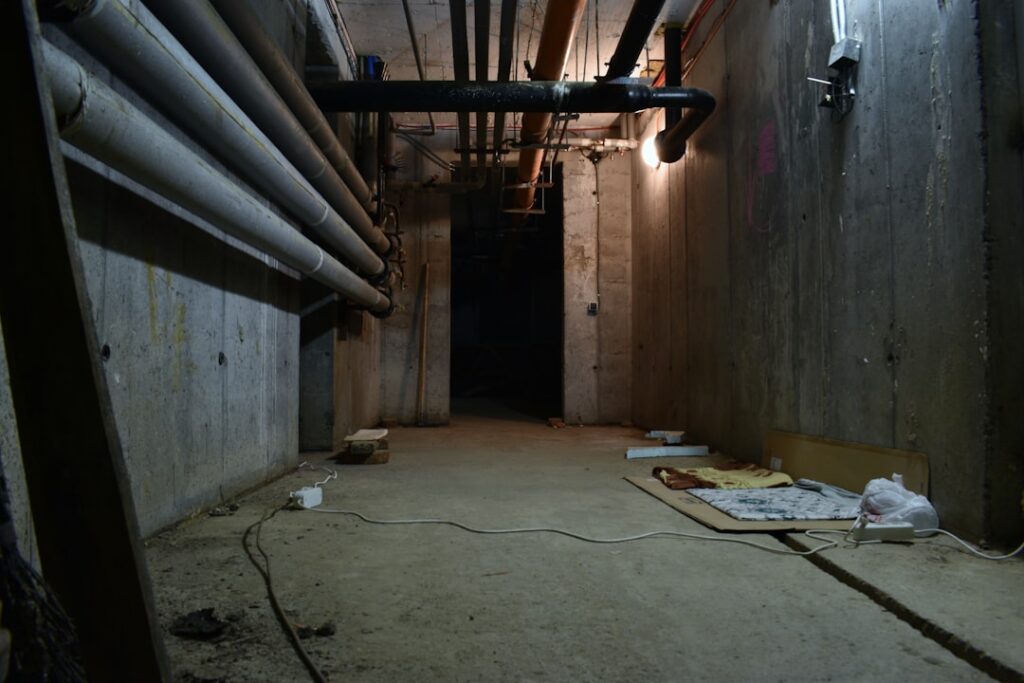
Finding a radon fan in basement space during a home purchase or a utility-room cleanout raises a fair question: is it supposed to be there? In most active soil depressurization systems, the answer is generally no. The suction pipe often starts in the basement, at a slab penetration or a sealed sump pit, but the fan itself is normally installed outdoors, in the attic or in an attached garage, away from the conditioned living space. The reason is pressure. Piping on the exhaust side of the fan is pressurized, and any leak there can push soil gas back into the house. This guide explains why basement fan locations are discouraged, what to do if you find one, how to read the manometer, and how fan type, cost, sump pits and post-mitigation testing fit in. It summarizes EPA and CDC guidance current as of 2026; consult a certified radon professional for system design and your physician about health concerns.
Part of our Radon Mitigation Systems guide — start there for the full picture →
Should a Radon Fan Be in the Basement?
As a general rule, no. Most radon mitigation systems in Front Range homes use sub-slab depressurization: a pipe is set into the gravel or soil under the slab, a fan pulls soil gas up the pipe, and the gas is discharged outdoors above the roof. The EPA describes this soil-suction approach as drawing radon from below the house and venting it through a pipe, or pipes, to the air above the house where it is quickly diluted.
The problem with a basement fan is the section of pipe after the fan. On the inlet side, the pipe is under suction, so a small crack or loose joint pulls basement air into the pipe, which is harmless. On the outlet side, the pipe is under positive pressure. A crack, loose coupling or failed seal on that side can push concentrated soil gas into the home. With the fan in the basement, that pressurized pipe runs through the basement and often up through living space to reach the roof.
That is why the mitigation standards that certified contractors commonly work to generally do not allow fans in conditioned or habitable space, including basements and crawl spaces connected to the living area. Requirements vary by standard edition and by state and local code, so it is worth confirming current rules with a certified professional. The usual compliant locations are outdoors on an exterior wall, in an attic, or in an attached garage that is not living space.
The EPA’s radon-resistant new construction guidance points in the same direction. It describes running the vent pipe up through the house to the roof and installing an electrical junction box in the attic for use with a vent fan, should testing later show the passive system is not enough. In other words, the planned fan location in that approach is the attic, not the basement.
For the broader picture of system design, see our radon mitigation hub and the radon testing pillar.
Suction point versus fan location
These two are easy to mix up. The suction point, where the pipe enters the slab or sump, is very often in the basement. That is normal and expected. The question here is only where the fan sits along that pipe. A pipe coming out of the basement floor and running up through the house is fine. A fan mounted on that pipe in the basement is the concern. Our guide to the basement radon fan covers this distinction with photos of common layouts.
Fan Location Options Compared
The table summarizes how common fan locations are generally treated. Local codes and the specific standard a contractor follows can change the details.
| Fan location | Allowed or advisable? | Why |
|---|---|---|
| Outdoors on an exterior wall | Generally allowed and common | Pressurized pipe is outside the building; any leak dilutes into outdoor air |
| Attic (unconditioned) | Generally allowed and common | Fan is outside living space; quieter inside the home; EPA RRNC guidance places the fan junction box here |
| Attached garage (not living space) | Generally allowed | Keeps pressurized pipe out of habitable space; route must avoid living areas above |
| Finished or unfinished basement | Generally not allowed or advisable | Pressurized discharge pipe inside the house can leak soil gas into living space |
| Crawl space connected to living space | Generally not allowed or advisable | Same pressurized-pipe leak risk, plus air from crawl spaces often reaches the home |
| Utility or mechanical room inside the house | Generally not allowed or advisable | Still inside the building envelope; combustion appliances add backdraft concerns |
| Interior closet or chase | Generally not allowed or advisable | Hidden leaks on the pressurized side are hard to detect |
Where the exhaust goes matters too
Fan location and discharge location are separate requirements. The EPA explains that it disallowed ground-level discharge primarily because of the potential for re-entrainment of the gas into the house and the possibility of children being exposed to high radon levels. It also notes that discharged radon falls off quickly with distance and approaches background levels at 3 to 4 feet from the discharge point when vented above the roof. A properly located fan with a discharge at ground level or under a window is still a problem.
An outdoor fan on the side of the house usually connects to a pipe that continues up the exterior wall to above the roof line. Our guide to the exterior radon fan covers mounting, weather exposure and how these installations typically look.
What to Do If You Find a Radon Fan in the Basement
Finding one does not necessarily mean the house currently has high radon. It does mean the system deserves a closer look.
Step 1: Test the house
Start with a radon test in the lowest lived-in level. The CDC notes radon levels are often higher in basements and lower levels, and that the only way to know if you have unsafe radon levels is by testing. A short-term test gives a fast read; follow-up or long-term testing gives a better picture. Our guide to choosing a radon test kit explains the options, and kits are listed in our shop.
Step 2: Inspect the pressurized pipe
Look at every joint between the fan outlet and where the pipe leaves the building. Signs of trouble include cracked PVC, loose or missing couplings, gaps where the pipe passes through floors or walls, and rubber fan couplings that are split or have slipped. Do not cut or disturb the pipe yourself. Note what you see and share it with a certified mitigator.
Step 3: Check the manometer and labeling
Most systems have a U-tube manometer on the pipe that shows the system is drawing suction. The EPA advises looking at your warning device on a regular basis to make sure the system is working correctly. A system should also be labeled. See the manometer section below for how to read it.
Step 4: Get a relocation quote
A certified radon mitigator can usually reroute the system so the fan sits in the attic, garage or outdoors. Often the existing suction point and much of the interior pipe can stay, with the fan moved and the pipe on the pressurized side reworked. Our radon fan installation guide outlines what the work involves.
Step 5: Retest after changes
Any time a fan is moved or replaced, retest to confirm the system still brings levels down.
For buyers
If the fan location shows up in a home inspection report, it is reasonable to ask the seller for documentation of the original installation and a recent post-mitigation test, and to factor relocation into negotiations. A basement fan is one of the more common items flagged on older Front Range systems, particularly those installed by owners rather than certified contractors.
Noise, Vibration and Why Placement Affects Comfort
Safety is the main reason fans are kept out of basements, but comfort is a close second. Inline radon fans run continuously. Even a quiet unit produces a steady hum and some vibration that travels along the pipe and into framing. In a basement bedroom, office or media room, that sound can be noticeable at night.
Moving the fan to the attic or outdoors usually reduces what occupants hear. When noise persists after relocation, common causes include:
- Pipe clamped tightly to joists or studs, transmitting vibration into the structure.
- Water or debris in the fan housing, or a worn bearing.
- Air whistling at a small leak or an undersized pipe section.
- A fan that is more powerful than the system needs.
Isolation hangers, rubber couplings in good condition and correct fan sizing all help. If noise is the main complaint, our guide to the quiet radon fan compares lower-noise designs and installation details that make a difference.
Winter considerations on the Front Range
Outdoor fans in Colorado face freezing nights. Condensation forms inside the pipe because soil gas is warm and moist, and in severe cold, ice can build up at the discharge. Installers typically slope pipes so condensate drains back toward the suction point and choose fans rated for outdoor use. Attic fans avoid most weather exposure but still need the pipe insulated in some attics to limit condensation.
Reading the Manometer
The U-tube manometer is the simplest indicator that the fan is pulling suction. It is a small clear tube with colored liquid, mounted on the pipe, usually near the suction point in the basement. That basement location is normal even when the fan is elsewhere.
- Liquid levels uneven: the system is under suction, which is what you want.
- Liquid levels even: the fan may be off, failed, unplugged or blocked. Check the breaker and the fan.
- Reading noticeably different from the marked installation level: something has changed, such as a new pipe leak, ice or water in the pipe, or a sealed crack reopening.
Many installers mark the starting reading on the tube or the label. Checking it monthly takes a few seconds. Our guide to the radon manometer gauge covers readings, common confusions and electronic alarm options.
A manometer only confirms suction. It does not measure radon. The EPA recommends retesting the home at least every two years to be sure levels remain low.
Fan Types, Lifespan and Cost
Radon fans are inline centrifugal fans sealed for soil-gas use. They are typically grouped by how much suction and airflow they deliver, and the right model depends on soil permeability, slab size and the number of suction points.
- Lower-suction, higher-flow models suit gravel beds and permeable soils where air moves easily under the slab.
- Mid-range models cover a wide range of typical homes.
- High-suction models are used for tight soils or clay, where more pressure is needed to extend the pressure field under the slab.
Oversizing is not free. A larger fan uses more electricity, can be louder, and can pull more conditioned air out of the house through slab openings. A mitigator sizes the fan using diagnostic readings rather than guessing.
How long fans last
The EPA notes that fans may last for five years or more, that manufacturer warranties tend not to exceed five years, and that fans may then need repair or replacement. The EPA also gives a replacement estimate of around $200 to $350 including parts and labor. Prices vary by fan model, access and region, so treat that as a reference point. Our radon fan replacement guide explains the swap, and radon fan cost breaks down equipment versus labor.
A fan replacement is a good moment to correct location. If the old fan is in the basement, ask the contractor to quote both a like-for-like swap and a relocation so you can compare. You can browse units in our radon fan shop, though choosing and installing a fan is a job for a certified professional.
DIY and Older Systems: Why Basement Fans Turn Up
Basement fan locations show up most often in a few kinds of systems. Knowing the pattern helps buyers and owners decide how much scrutiny a system needs.
Owner-installed systems
A homeowner installing a system alone may put the fan where it is easiest to reach and wire: next to the suction point in the basement, close to an existing outlet. It works, in the sense that the manometer shows suction, but the discharge pipe then runs pressurized through the house. These systems also tend to lack labels, a marked manometer reading and documentation, which makes them harder to evaluate.
Older professional installs
Practices and standards have tightened over the years. Some older systems were installed before current placement rules were widely adopted, or by contractors working without certification. A system that has run for many years with a basement fan is not automatically leaking, but the couplings, seals and pipe joints have aged along with it.
Finished-basement remodels
Sometimes the fan was originally in a compliant location and a later remodel changed the picture. A garage converted into a family room, or an unfinished basement turned into a bedroom, can leave a fan that is now inside living space. When a home has been remodeled, it is worth tracing the pipe from the suction point all the way to the discharge.
Questions to ask a mitigator
- Which mitigation standard do you install to, and what does it say about fan location in this house?
- Can the existing suction point and pipe be reused if the fan moves to the attic, garage or exterior?
- Where will the discharge terminate relative to the roof, windows and doors?
- Will you label the system and mark the starting manometer reading?
- Is the current fan sized correctly, or should it be changed during the move?
- When should the post-mitigation test be done, and who will run it?
Clear answers to those questions usually tell you more about a contractor than price alone.
Sump Pits as a Suction Point
In many Front Range basements, the sump pit is a natural suction point. It already connects to the drainage layer under the slab, so sealing the pit with an airtight lid and drawing suction from it can extend the pressure field across much of the foundation.
This setup puts the suction point, and often the start of the pipe, right in the basement. It does not change the rule on fan location. The pipe rises from the sealed sump lid, through the house or out an exterior wall, and the fan is still typically placed outdoors, in the attic or in the garage.
A sealed sump lid needs to allow access for pump service, keep the seal tight, and avoid trapping water. Clear lids are popular so homeowners can see the pump. Our guide to a radon mitigation system with a sump pump explains lid types, pump access and common sealing problems. For an overview of the whole setup, see the radon mitigation system guide.
Post-Mitigation Testing and Ongoing Checks
A mitigation system is only as good as the test that follows it. After installation, relocation or fan replacement, test the home again.
- Timing: Wait until the system has been running for at least a day before starting a short-term test, and follow the test kit’s closed-house conditions.
- Location: Test in the lowest level that is used as living space, which in many Front Range homes is the basement.
- Follow-up: Retest at least every two years, as the EPA recommends, and after major renovations or foundation work.
The EPA recommends fixing a home when radon is at 4 picocuries per liter (pCi/L) or higher, and the CDC notes there is no known safe level and that you should always aim for the lowest level. Our guide to acceptable radon levels in a basement explains how to read results and what action levels mean.
Why this matters
The EPA identifies radon as the leading cause of lung cancer among non-smokers and the second leading cause overall, and the CDC cites the EPA and Surgeon General’s estimate of more than 21,000 lung cancer deaths each year in the United States. The CDC also notes that radon levels are often higher in basements and lower levels. A correctly located fan and periodic retesting are how a mitigation system keeps doing its job.
More Questions About Radon Fan Locations
Can a radon fan be installed in an attached garage?
An attached garage is a common fan location only when the fan sits in the garage attic or outside the garage, not in a space below or beside living areas. Rules vary between standards and local codes, so a certified mitigator should confirm the exact position.
The concern is the same as with a basement fan: everything on the outlet side of the fan is pressurized, so any leak releases radon into an enclosed space connected to the house. Garage attics above unconditioned space are often acceptable, while a fan on the wall shared with a bedroom is not.
Can a radon fan be installed in a crawl space?
No. A radon fan should not be installed inside a crawl space, because the crawl space connects to the home’s air and a pressurized leak would push radon toward the living area.
Crawl-space systems place a sealed membrane over the soil and run a suction pipe from beneath it. The pipe then exits to an exterior wall or up through the house to an attic or roofline fan. If an older system has its fan in the crawl space, the fix is the same as for a basement fan: relocate it outside or to the attic and retest.
Will a home inspector flag a radon fan in the basement?
Yes. Most home inspectors will flag a radon fan located in a basement as a deviation from current mitigation standards and recommend evaluation by a certified mitigator.
The report usually notes the fan location, the pipe route and whether the manometer shows suction. The flag does not mean the system is not lowering radon; it means the pressurized pipe sits inside the home. Buyers typically ask for a radon test and a relocation quote, and sellers often resolve it before closing.
Is it safe to stay in the home until a basement radon fan is moved?
Usually yes, provided the system is running and a radon test shows levels below the action level. A basement fan is a placement problem, not an emergency, and many such systems still lower radon well.
While waiting for relocation, check the pipe joints and rubber couplings on the outlet side for cracks or loose clamps, keep the fan running and consider a continuous monitor in the basement. If testing shows elevated radon, schedule the relocation promptly and limit time in the basement in the meantime.
References
- How Do I Know If My Radon Mitigation System Is Working Properly? — U.S. Environmental Protection Agency
- Why Must Radon Be Vented Into the Air Above My Home’s Roof? — U.S. Environmental Protection Agency
- Radon-Resistant Construction Basics and Techniques — U.S. Environmental Protection Agency
- Health Risk of Radon — U.S. Environmental Protection Agency
- Radon and Your Health — Centers for Disease Control and Prevention
Frequently asked questions
Can a radon fan be installed in the basement?
Generally no. Mitigation standards commonly used by certified contractors do not allow the fan in living space, because the pipe after the fan is pressurized and a leak could push soil gas into the house. Fans usually go outdoors, in the attic or in a garage.
Is the suction pipe allowed in the basement?
Yes. The suction point is often in the basement slab or a sealed sump pit. The concern is only the fan location and the pressurized pipe that follows it.
How do I know my radon fan is working?
Check the U-tube manometer on the pipe. Uneven liquid levels mean the system is pulling suction; even levels can mean the fan is off or failed. Retest the home at least every two years, as the EPA recommends.
How long does a radon fan last?
The EPA says fans may last five years or more and that manufacturer warranties tend not to exceed five years. It estimates replacement at around $200 to $350 including parts and labor.
What should a buyer do if the radon fan is in the basement?
Ask for installation records and a recent post-mitigation test, run a new radon test, and get a quote from a certified mitigator to relocate the fan to the attic, garage or exterior.
Can a radon fan be installed in a closet or utility room?
No. A closet or utility room is conditioned living space, so a radon fan installed there has the same problem as a basement fan: a leak on the pressurized side would release radon indoors. The suction pipe can pass through those rooms, but the fan belongs outside or in an attic.
Does boxing in a basement radon fan make it acceptable?
No. Building a box or enclosure around a basement radon fan does not make it compliant, because the enclosure is not airtight and the pressurized pipe still sits in the home. Relocating the fan to the exterior or attic is the accepted fix.
Who should relocate a basement radon fan?
A certified radon mitigation contractor should relocate a basement radon fan, because moving it changes the pipe route, discharge point and suction balance. The contractor should also verify the manometer reading afterward and recommend a post-relocation radon test.
Wondering if your Front Range radon system was installed to current practice? Contact our team and we can connect you with a certified mitigator to review the fan location and test results.
Radon mitigation fans & parts
If a sub-slab depressurization system is the fix, the inline fan is the heart of it. Match the fan to your soil and pipe diameter — or have a certified installer size it.
| Product | Why | Buy |
|---|---|---|
 RadonAway RP145 Inline Fan | Common 4-in. SSD workhorse fan. | Amazon — $149.00 |
 Fantech Rn2 Radon Fan | Quiet operation; energy-efficient. | Amazon — $163.73 |
 Radon U-Tube Manometer | Confirms the system is pulling suction. | Amazon — $13.95 |