Radon Mitigation in Elbert County, Colorado
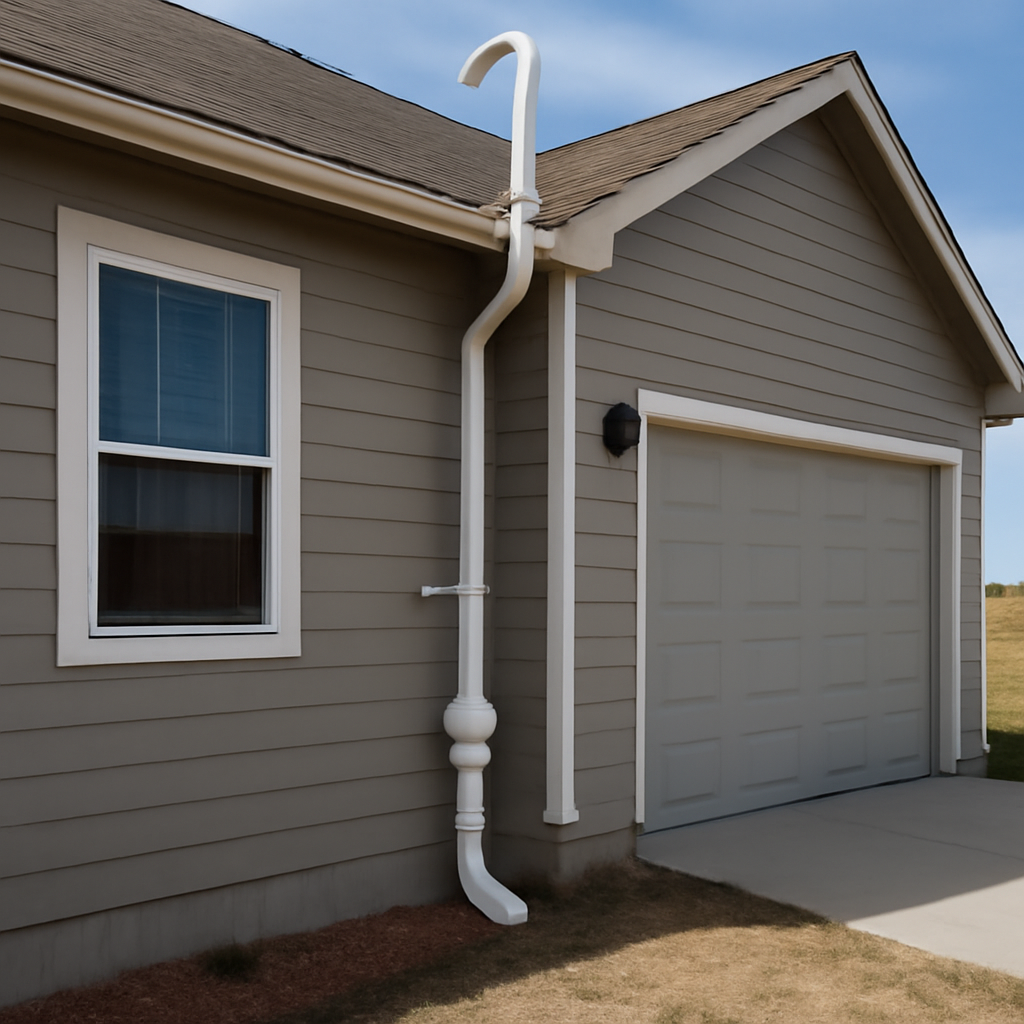
Radon mitigation elbert county homeowners pursue after a test comes back at or above the 4 pCi/L action level, and in a county sitting entirely in EPA Radon Zone 1, that result is common. Elbert County covers the Palmer Divide high prairie southeast of Denver, from Kiowa, the county seat, through Elizabeth, the most populous town, out to Simla, Agate, Elbert, and Ramah on the eastern plains. With most homes on private wells and built into uranium-bearing plains soils at 6,000 to 7,000 feet, mitigation here may need to address both soil-gas radon and radon-in-water. This page is a county-level hub: it covers how mitigation works, what it costs, the rural water dimension, and links to our related Elbert County service pages. This summary reflects EPA and CDPHE guidance current as of 2026; consult a certified mitigation professional for system design.
Radon mitigation in Elbert County: what to know
Radon mitigation is the engineered reduction of indoor radon to a safe, durable level, most often through active sub-slab depressurization. A fan draws soil gas from beneath the foundation slab and vents it above the roofline before it can enter the living space, reversing the pressure that pulls radon indoors. The EPA recommends action at 4 pCi/L and notes that any reduction lowers risk, with well-designed systems routinely bringing levels well below the threshold.
Because every Elbert County home rests on Zone 1 soils, mitigation is a frequent outcome of testing here. The right system depends on the foundation: a finished Elizabeth basement, a Kiowa slab-on-grade, and a rural crawlspace each call for a different approach to drawing soil gas from beneath the home. A certified mitigator designs to the specific structure rather than installing a one-size system.
For the full picture of how radon reduction works and what to expect from a system, our plain-language Front Range radon guide covers the fundamentals. This page focuses on the Elbert County picture, including the well-water treatment that distinguishes rural mitigation from a typical metro install on municipal water.
Why Elbert County homes need radon mitigation
The county’s Zone 1 geology drives the need. Uranium-bearing Palmer Divide and plains soils continuously generate radon, and the gas seeps into homes through foundation cracks, slab penetrations, sump pits, and crawlspace floors. Across Kiowa, Elizabeth, and the eastern communities, a test above the action level is common enough that mitigation is a routine part of buying or owning here.
Housing and climate make reduction worthwhile. Elbert County’s newer custom homes and ranchettes often have finished basements where bedrooms and living space sit directly over the soil-gas source, and the long sealed winters of this high-prairie county keep homes closed for months, concentrating the gas. Mitigation matters most exactly where the county’s housing puts people: the lowest, most-occupied level.
Private wells add a second front. Most Elbert County properties draw water from a well, and groundwater moving through uranium-bearing rock can carry dissolved radon into the home, where showering and laundry release it into the air. A soil-gas system alone does not address that water pathway, so a complete mitigation plan on a well property may pair a sub-slab system with a water treatment unit. This is a rural reality that homes on municipal water, where utilities aerate radon out before delivery, never face, and it makes mitigation planning in Kiowa and Elizabeth distinct from a metro install.
What Elbert County radon mitigation covers
A standard mitigation project begins with a diagnostic look at the foundation to determine where and how to draw soil gas. The mitigator then installs the system, seals major entry points, and conducts a post-mitigation test to confirm the level has dropped below the action threshold.
Sub-slab depressurization and sealing
The core of most systems is a suction point cut into the slab, connected by sealed PVC piping to an inline fan that exhausts above the roofline. In a finished Elizabeth basement, the mitigator also seals the sump lid, foundation cracks, and slab penetrations so the fan can establish negative pressure under the whole floor rather than losing suction to gaps.
Crawlspace and well-water systems
Rural homes near Simla or Agate with crawlspaces are mitigated by sealing the crawlspace floor with a heavy membrane and drawing soil gas from beneath it, a sub-membrane depressurization approach. On properties with elevated radon-in-water, a separate aeration or granular activated carbon unit treats the well water before it enters the home, addressing the pathway a sub-slab system cannot reach.
Radon mitigation cost in Elbert County
A standard residential sub-slab depressurization system in the Elbert County market typically runs about $1,200 to $2,500 installed, depending on the foundation, the number of suction points, and the complexity of routing the vent stack on a rural home. Finished basements and multi-foundation custom homes around Elizabeth and Kiowa sit toward the higher end because sealing and piping take more work.
Radon-in-water treatment is a separate cost on well-served properties, generally running from roughly $3,000 to $5,000 or more for an aeration or GAC system, since it is a more involved installation than a soil-gas fan. Rural travel can add a modest charge for the remote eastern communities. Against the long-term health risk that mitigation removes, and the fact that a system runs for years on a small amount of electricity, the cost is a durable one-time investment for an Elbert County home.
Colorado regulations and disclosure
Colorado now requires radon mitigation professionals to be certified, which means the person designing and installing a system in Elbert County should hold the appropriate credential. A certified mitigator follows established standards for system design, fan placement, and the post-mitigation test that verifies the result, and that documentation matters in a real-estate transaction.
For a home sale, Colorado requires sellers to provide a radon disclosure, and an installed, documented mitigation system is a clear answer to a buyer’s radon concern. When a pre-purchase test reads high in this Zone 1 county, a seller who installs a certified system, or a buyer who negotiates one as a condition of closing, resolves the issue with a verifiable post-mitigation result rather than an open question at the deadline.
Communities and areas served across Elbert County
Mitigation demand turns up county-wide, and the rural systems shift the approach with each community. In Kiowa, the county seat, slab and basement homes alike need soil-gas systems, and the prevalence of wells means water treatment often enters the plan. Elizabeth, the most populous town, has the largest concentration of finished-basement ranchettes where sub-slab systems with thorough sealing are the norm. Simla, Agate, Elbert, and Ramah on the eastern plains add crawlspace and manufactured housing where sub-membrane systems come into play.
Coverage extends west toward the Douglas County line, where Elbert’s exurban growth blends into the Parker and Castle Rock commuter belt. Because mitigation follows a test, homeowners usually arrive here from a high reading; our companion page on radon testing in Elbert County explains the measurement that precedes a system. For nearby live coverage to the west, our radon mitigation in Castle Rock page details the adjacent Douglas County market.
System longevity and follow-up testing
A radon mitigation system is built to run continuously for years, and its longevity depends on the fan, the seals, and periodic verification. The inline fan typically lasts many years before needing replacement, and a system monitor, usually a simple manometer on the vent pipe, lets a homeowner confirm at a glance that the fan is still pulling suction. Across Elbert County’s seasonal temperature swings, that visual check is an easy habit that catches a failed fan before radon levels climb back up.
Follow-up testing closes the loop. The EPA recommends retesting every two years and after any major renovation, because changes to a foundation, an addition, or new finished-basement work can alter how soil gas moves under a home. On the Palmer Divide, where freeze-thaw cycles and expansive clay soils keep working on foundations, a new crack can open a fresh entry path, so periodic retesting confirms the system is still holding the level below the action threshold.
The well-water side needs its own follow-up. An aeration or GAC unit treating radon-in-water requires periodic maintenance and testing to confirm it is still stripping radon effectively, since media and components wear over time. A complete maintenance plan on a rural Elbert County property tracks both the soil-gas system and the water treatment unit, since a home with both pathways mitigated needs both checked to stay protected.
What to expect during an Elbert County mitigation install
A typical sub-slab depressurization installation takes most of a day, and knowing the steps helps an Elbert County homeowner prepare. The mitigator begins with a diagnostic, often using smoke or pressure-field testing to confirm where suction will reach under the slab, since a single well-placed suction point can sometimes cover an entire basement while a poorly placed one leaves dead zones. On a large custom home near Elizabeth or Kiowa with multiple foundation sections, the diagnostic determines whether one or several suction points are needed.
The visible result is a sealed PVC pipe and an inline fan. The pipe runs from the suction point through the basement and up the exterior wall or through the home to exhaust above the roofline, where the radon disperses harmlessly. The fan, mounted in an unconditioned space such as an attic or on the exterior, runs continuously and draws very little electricity. A manometer on the pipe gives the homeowner a simple, permanent gauge of whether the system is working, and the mitigator explains how to read it before leaving.
Routing on a rural property takes some thought. The mitigator chooses a vent path that meets the required distance from windows and the roofline while keeping the run as clean as possible on a custom home with vaulted ceilings or a walk-out basement. On a well property where water treatment is also planned, the two systems are coordinated so the soil-gas fan and the aeration or GAC unit work together. A post-mitigation test a few days after the install confirms the level has dropped, and that result becomes the homeowner’s documentation of a resolved Zone 1 concern.
How to choose an Elbert County radon mitigation provider
Look for a certified radon mitigation professional who performs a diagnostic before quoting, designs the system to your specific foundation, and includes a post-mitigation test to prove the result. On a well-served property, ask whether the provider can also address radon-in-water, since a mitigator who handles only soil gas leaves the water pathway open on a rural home. A clear warranty on the fan and a documented post-test are what a homeowner should expect.
For a home purchase, coordinating mitigation with the inspection and test timeline keeps the radon resolution on schedule for the contingency period. That fits the rural, well-served reality of most Elbert County homes and gives buyers a verified result before closing rather than an unfinished item at the deadline.
References
- Consumer’s guide to radon reduction — U.S. Environmental Protection Agency
- Colorado radon mitigation program — Colorado Department of Public Health and Environment
- Radon and lung cancer risk — Centers for Disease Control and Prevention
A high radon reading in Zone 1 Elbert County is solvable, and on a well property the right plan addresses both the soil gas and the water. To connect with a vetted, certified local mitigation professional, reach out through our contact page.