Repipe House Cost: PEX vs Copper, Typical Ranges and Quotes
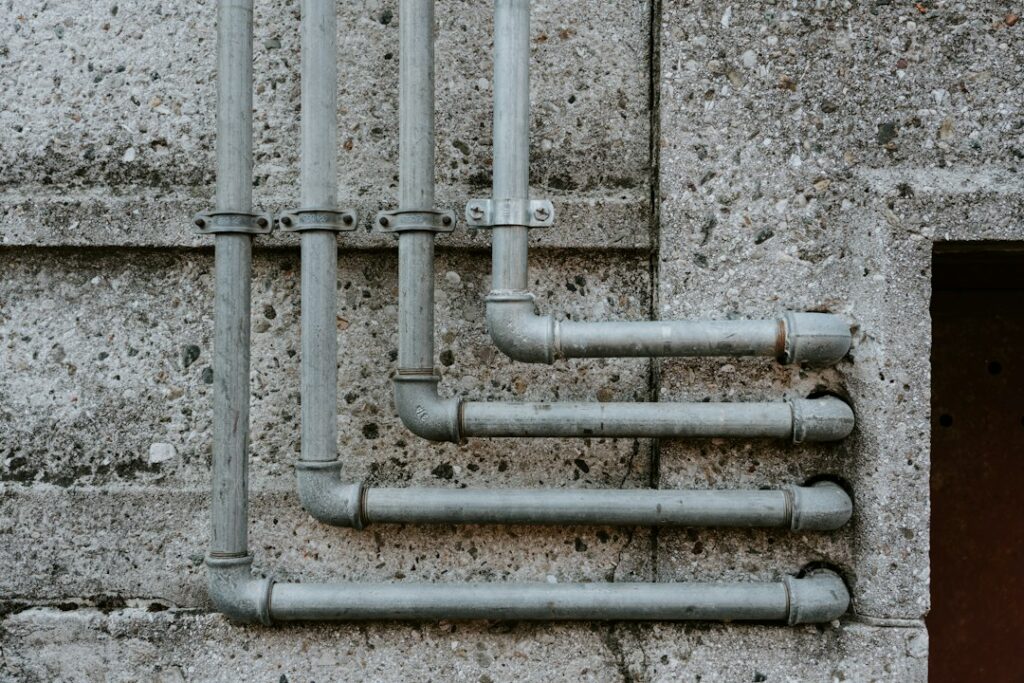
Repipe house cost for a typical single-family home usually falls somewhere between about $5,000 and $16,000 with PEX, and more with copper or in larger homes with many bathrooms, before drywall repair and permits in some quotes. Small one-bath homes can come in lower, and large or complex homes can run well above $20,000. The main factors are the number of fixtures, the pipe material, how much wall and ceiling has to be opened and what the house is built on. This guide covers typical national price ranges, how PEX and copper compare, when repiping makes more sense than another repair, how to read a plumber’s quote and what Front Range homeowners should consider. All figures are general ranges for 2026, not quotes, and local prices vary.
Part of our Plumbing & Water guide — start there for the full picture →
Plumbing problem? Talk to a local plumber now.
📞 Call (877) 637-1527Repipe House Cost at a Glance
“Repiping” usually means replacing the home’s water supply piping, the hot and cold lines that feed fixtures and appliances. It does not normally include drain and vent piping or the sewer line, which are separate projects. The table below shows how repiping work is typically priced.
| Scope | How it is usually quoted | Typical national range, 2026 (get local quotes) |
|---|---|---|
| Plumbing evaluation of existing pipe | Per visit | About $150 to $500 |
| Partial repipe (one bathroom, kitchen or a main trunk line) | Per job | Roughly $1,500 to $5,000 |
| Whole-house repipe, PEX, smaller home (1 to 1.5 baths) | Per house or per fixture | Roughly $4,000 to $9,000 |
| Whole-house repipe, PEX, mid-size home (2 to 3 baths) | Per house or per fixture | Roughly $7,000 to $16,000 |
| Whole-house repipe, copper, mid-size home | Per house or per fixture | Often noticeably more than PEX; roughly $10,000 to $22,000+ |
| Large or complex home (4+ baths, multiple floors) | Per house | Roughly $15,000 to $30,000+ |
| Water service line from meter or curb to house | Per job, depends on length and digging | About $1,500 to $6,000+ |
| Drywall or plaster patching and paint | Per job | About $1,000 to $5,000+ |
| Permit and inspection | Per permit | Varies by city and county |
Many plumbers estimate repipes by fixture count, meaning sinks, toilets, tubs, showers, hose bibs, the water heater, washer and dishwasher connections. Two houses with the same square footage can have very different counts, which is why per-square-foot figures for repiping are a rough guide at best.
Signs a House May Need Repiping
Most homes are repiped because the existing pipe is near the end of its life or is made of a material with a poor track record. Common triggers include:
- Galvanized steel supply pipe. Older galvanized pipe corrodes from the inside, narrowing the opening and reducing flow. Rusty or discolored water and low pressure at several fixtures are classic signs. Our guide to galvanized pipes covers how to identify it and why it is often replaced.
- Repeated leaks. A second or third pinhole leak in copper, or leaks at multiple fittings, suggests the system as a whole is deteriorating.
- Problem materials. Some plastic supply pipe types used decades ago developed a reputation for failure, and some insurers ask about them.
- Lead concerns. The EPA notes that lead pipes are more likely to be found in older cities and homes built before 1986, and that among homes without lead service lines, the most common problem is brass or chrome-plated brass faucets and plumbing with lead solder.
- Major remodels. Opening walls for a kitchen or bath remodel is a natural moment to replace aging pipe in those areas.
- Slab leaks. Homes with supply lines under the slab that have leaked often reroute or repipe overhead to avoid repeat leaks.
Best PEX Crimp Tool: our top 3 picks
| Product | Best for | Key features | Price | Buy |
|---|---|---|---|---|
| IWISS IWS-3801SH | Copper rings, 3/8 to 1 inch |
| $72.97as of Nov 11, 2026 10:18 pm GMT+0000 | Buy now →Check current price |
| SharkBite UC961 | Name-brand cinch tool |
| $61.99as of Nov 11, 2026 10:18 pm GMT+0000 | Buy now →Check current price |
| iCrimp IWS-1807CN | Copper rings in tight spaces |
| $94.97as of Nov 11, 2026 10:18 pm GMT+0000 | Buy now →Check current price |


Prices are Amazon’s listed prices as of the time shown and change often; check Amazon for today’s price. As an Amazon Associate we earn from qualifying purchases.
PEX vs Copper vs CPVC
Pipe material has a large effect on both cost and installation time.
| Material | Typical upfront cost | Installation | Considerations |
|---|---|---|---|
| PEX (cross-linked polyethylene) | Usually the lowest for a whole-house repipe | Flexible; fewer fittings; faster to fish through walls | Must be protected from sunlight; follow manufacturer limits on heat sources; fittings vary by system |
| Copper (Type L or M) | Usually higher material and labor cost | Rigid; soldered or press fittings; more wall openings | Long track record; can develop pinhole leaks in some water conditions |
| CPVC | Often between PEX and copper | Rigid; solvent-welded joints | Can become brittle with age; less common in whole-house repipes today in many markets |
PEX’s flexibility is the main reason it often costs less. Long runs can snake through walls and ceilings from a central manifold with fewer cuts in drywall. Our guides to PEX pipe and copper pipe compare the materials in more depth. Whatever is installed must meet lead-free requirements: under the Safe Drinking Water Act, “lead free” means a weighted average of 0.25 percent lead across the wetted surfaces of pipes, fittings and fixtures, and 0.2 percent for solder and flux.
What Drives the Price of a Repipe
Fixture count and layout
Each fixture needs a hot line, a cold line or both, plus a shutoff valve. A home with three full bathrooms, a laundry room, a wet bar and several hose bibs has far more connections than a one-bath bungalow. Spread-out layouts and long runs add pipe and labor.
Access
Unfinished basements and accessible attics make repiping much easier. Finished basements, slab foundations with supply lines in the floor and two-story homes with no attic above the first floor ceiling all require more openings. Some plumbers route pipe through closets and cabinets to limit damage to finished walls.
Wall repair
Plumbers cut access holes, and someone has to patch them. Some repipe specialists include drywall patching; others leave it to the homeowner or a separate contractor. Texture matching, plaster walls and tile backsplashes can raise this cost considerably.
Water heater and main shutoff
Repiping often includes new connections at the water heater, a new main shutoff valve and sometimes a pressure-regulating valve or expansion tank. WaterSense notes that fixtures operate best when incoming pressure is between 45 and 60 pounds per square inch and that many homes have a pressure-regulating valve to maintain that range. Checking and correcting pressure at the time of a repipe helps protect the new system.
Service line
The pipe from the meter or curb stop to the house is a separate cost. If it is galvanized or lead, a whole-house repipe may not solve the water quality or pressure problem by itself.
Permits and lead-safe work
Whole-house repiping is generally permitted work. Requirements vary, so check with your city or county building department. In homes built before 1978, EPA’s Renovation, Repair and Painting Rule requires that anyone paid to disturb painted surfaces be certified and use lead-safe work practices, which can add containment and cleanup time.
Timing and occupancy
Many repipes are done in a few days, with water turned back on each evening. Rush schedules, after-hours work and larger homes extend the timeline and cost.
Repipe or Keep Repairing? A Decision Framework
These are rules of thumb, not fixed standards. A plumber’s evaluation of the actual pipe should guide the decision.
- One leak in otherwise sound pipe: a repair is usually reasonable.
- Two or more leaks within a short period: the system is likely deteriorating, and pricing a repipe makes sense.
- Repairs adding up: as a rule of thumb, once a year or two of repair bills and water damage approach about a quarter to a third of a repipe quote, many homeowners find the repipe the better value.
- Galvanized supply pipe in poor condition: spot repairs often disturb old pipe and lead to new leaks nearby; full replacement is commonly recommended.
- Planned remodel: repiping during a remodel saves duplicate wall work.
- Selling soon: a documented repipe with a permit can be a selling point, but sellers may prefer to disclose and negotiate rather than take on the project.
If the main concern is lead, start with information rather than demolition. Contact the water utility about service line material, and consider water testing through a certified laboratory. The EPA explains that lead can enter drinking water as plumbing materials corrode, and that factors include water chemistry, the amount of lead in contact with water, water temperature, pipe wear and how long water sits in the pipes.
What to Expect During a Whole-House Repipe
Understanding the sequence helps homeowners plan and makes it easier to see what each line on a quote pays for.
- Evaluation and layout. The plumber maps existing pipe, counts fixtures and decides where new lines will run. With PEX, that may include a central manifold near the water heater or main shutoff.
- Permit. The plumber applies for the permit and schedules any required inspections.
- Protection. Floors, furniture and cabinets near work areas are covered. In pre-1978 homes, containment for painted surfaces may be set up.
- Access openings. Small holes are cut in walls and ceilings where pipe must be fished or connected. Good repipe crews plan routes to minimize these openings.
- New pipe installation. New lines are run to each fixture while the old system stays in service as long as possible, so the house is without water for shorter periods.
- Changeover. Fixtures are connected to the new lines one area at a time, new shutoff valves are installed and the old pipe is disconnected. Old pipe is often abandoned in walls where removing it would mean more demolition.
- Pressure test and inspection. The new system is pressure-tested and inspected before walls are closed.
- Patching and cleanup. Openings are patched to the agreed finish level and the site is cleaned.
After the work, flushing the lines and cleaning faucet aerators removes debris loosened during the changeover. Sediment from old galvanized pipe is common in the first days.
Living Through a Repipe
Most families stay in the home during a repipe, but a little planning helps. Ask the plumber for a daily schedule showing when water will be off. Fill a few containers with drinking water each morning, and plan laundry and dishwashing around the outages. Clear closets and under-sink cabinets on walls where the crew will be working, and move fragile items away from shared walls before access holes are cut.
Dust is usually modest compared with a remodel, but drywall cutting does create some. Closing doors to unaffected rooms and running an air purifier in living areas keeps cleanup simpler. Pets are often happier boarded or confined during the noisiest days. Finally, take photos of each opening before it is patched; they document the new pipe routes for future owners, inspectors and insurers.
Insurance, Resale and Documentation
A repipe is one of the few plumbing projects that buyers, appraisers and insurers ask about directly. Some homeowners insurers ask about the age and material of supply piping, and older galvanized or problem plastic pipe can affect coverage terms. Policies vary, so call the insurer before and after the project and ask whether documentation of a completed repipe changes anything.
At resale, a permitted repipe with an invoice, a materials list, the warranty and photos of the new routes gives the next buyer’s inspector something concrete to confirm. Keep those records with the house files. Without them, a buyer may see new PEX at the water heater and still wonder whether the rest of the house was done. If only part of the house was repiped, note exactly which areas were included so the remaining older pipe can be planned for.
How to Read a Repipe Quote
Ask for two or three written quotes from licensed plumbers who regularly do repipes. Comparing them line by line is the best defense against both overpaying and underscoping.
Line items that should be there
- Pipe material and type, such as PEX-A, PEX-B or copper Type L
- Fitting system and whether a manifold or trunk-and-branch layout will be used
- The number of fixtures and every location to be connected
- New shutoff valves at each fixture and a new main shutoff
- Water heater connections, expansion tank and pressure-regulating valve if included
- Whether the service line is included or excluded
- Permit, inspection and pressure testing
- Who patches drywall and to what finish level
- Daily water shutoff schedule and expected duration
- Warranty on labor and materials
Red flags
- No evaluation. A repipe recommendation without looking at the pipe, or based on one small leak, deserves a second opinion.
- No permit. Unpermitted repipes may cause issues with insurance and resale.
- Unclear patching responsibility. The cheapest quote may simply leave the holes.
- Pressure tactics. Same-day-only discounts or claims that the house will flood soon, without evidence, are a cue to slow down.
- Bundled extras. Water treatment systems, new fixtures or water heater replacement may be worthwhile, but they belong as separate, optional line items.
Questions to ask
- What condition is the existing pipe in, and what did you see that supports a repipe?
- Why do you recommend this material for this house?
- How many wall and ceiling openings do you expect, and where?
- Will the house have water each night during the project?
- Is the service line part of this quote, and should it be?
Front Range Considerations
- Freezing temperatures. New pipe should not be routed through unheated attics, garages or exterior walls without careful protection. Our guides to frozen pipes and pipe insulation cover how to reduce freeze risk in cold snaps.
- Older neighborhoods. Older parts of Denver, Boulder, Colorado Springs and other Front Range towns have homes with galvanized supply pipe and older service lines. Some water utilities have programs related to lead service lines; check with your utility about what applies to your address.
- Expansive soils. In areas with swelling clay soils, service lines and under-slab piping can be stressed by soil movement, which is one more reason some owners move supply lines overhead.
- Permits. Plumbing permit and inspection rules vary by municipality; check with your city or county building department.
How a Home Inspection Flags Repiping Needs
The ASHI Standard of Practice directs home inspectors to inspect interior water supply and distribution systems, including fixtures and faucets, and to describe interior water supply, drain, waste and vent piping materials and the location of the main water shutoff valve. Inspectors are not required to measure water supply flow and pressure or to determine water quality. Within those limits, an inspector may note galvanized or other older supply pipe, visible corrosion, active leaks, past repairs, low functional flow when multiple fixtures run, or mixed pipe materials joined without proper fittings.
When those findings appear, the usual recommendation is evaluation by a licensed plumber. Buyers can ask sellers for repipe records, permits and warranties. If a leak is active, our guide to burst pipe repair explains the immediate steps. For a broader view of who to call for water-related problems, see our plumbing and water hiring guides.
Ways to Manage Repipe Costs
- Get an evaluation so quotes reflect actual pipe condition.
- Compare PEX and copper options in the same quote.
- Combine repiping with remodels or painting projects.
- Clear access to walls, closets and the water heater before the crew arrives.
- Ask whether patching through the plumber or a separate drywall contractor is cheaper.
- Use the EPA WaterSense meter test after the work to confirm there are no remaining leaks: check the meter before and after a two-hour period with no water use.
References
- Basic Information about Lead in Drinking Water — U.S. Environmental Protection Agency
- Use of Lead Free Pipes, Fittings, Fixtures, Solder, and Flux for Drinking Water — U.S. Environmental Protection Agency
- Home Maintenance — U.S. Environmental Protection Agency, WaterSense
- Fix a Leak Week — U.S. Environmental Protection Agency, WaterSense
- Lead Renovation, Repair and Painting Program — U.S. Environmental Protection Agency
- ASHI Standard of Practice for Home Inspection — American Society of Home Inspectors
Frequently asked questions
How much does it cost to repipe a house?
A typical single-family home often costs roughly $5,000 to $16,000 to repipe with PEX, with copper and larger homes costing more. Drywall repair, permits and the water service line may or may not be included, so compare written quotes carefully.
Is PEX or copper better for repiping?
PEX usually costs less and installs faster because it is flexible and needs fewer fittings and wall openings. Copper has a long track record but costs more. The right choice depends on budget, water conditions, local practice and the plumber's experience.
How long does a whole-house repipe take?
Many repipes take a few days, with water often restored each evening. Larger homes, copper installations and extensive wall patching can extend the timeline.
Does repiping include the main water line?
Not always. A repipe usually covers supply piping inside the house, while the service line from the meter or curb is often a separate line item. Ask each plumber whether it is included.
Can a home inspector tell if a house needs repiping?
An inspector can describe visible supply piping materials and note corrosion, leaks, past repairs and low functional flow. Inspectors do not determine water quality or measure pressure under the ASHI standard, so a plumber's evaluation is the usual next step.
Seeing galvanized pipe, rusty water or repeated leaks in a Front Range home you are buying? Contact our team to schedule an inspection before deciding on a repipe.