Backflow Testing: What It Is, Who Needs It and Costs
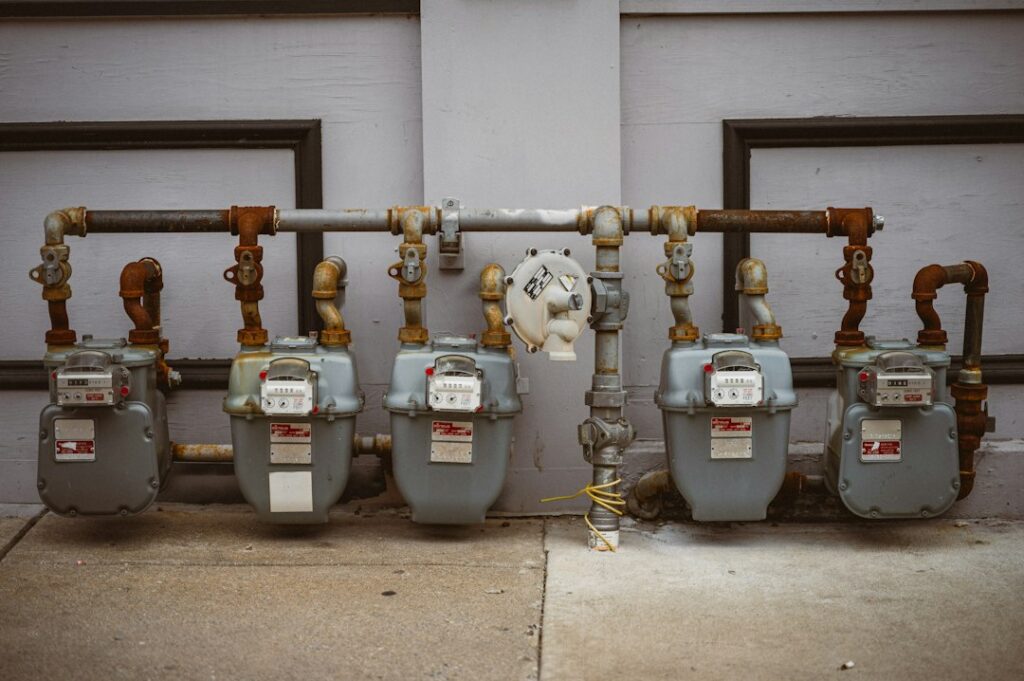
Many Colorado homeowners first hear about backflow when a letter arrives from the water utility asking for a test report on the irrigation system. It can feel like paperwork for paperwork’s sake, but the device behind that letter protects the public water supply from contamination. Backflow prevention testing confirms that the valves inside a backflow assembly still close and hold the way they should. This guide explains what backflow is, the main types of assemblies found on homes, why utilities require annual tests, who is allowed to perform them, what the process and cost typically look like, what happens when a device fails and how to protect irrigation backflow preventers from Front Range freezes. It draws on EPA drinking-water resources, International Code Council model codes and inspection standards current as of 2026. Testing rules are set locally, so always check your own water provider’s requirements.
Part of our Plumbing & Water guide — start there for the full picture →
Plumbing problem? Talk to a local plumber now.
📞 Call (877) 637-1527What Is Backflow Prevention Testing?
Backflow prevention testing is a hands-on check, performed by a certified tester using a calibrated test kit, that measures whether a backflow assembly’s check valves and relief valve are working within set limits. The tester connects gauges to the assembly’s test cocks, isolates each valve in turn and records pressure differentials. If the readings meet the standard, the assembly passes and the tester submits a report to the water provider. If not, the device is repaired or replaced and retested.
Many water utilities and municipalities require this test when an assembly is installed, after it is repaired or relocated, and then at regular intervals, most commonly once a year. Irrigation systems and fire sprinkler lines are the usual reasons a residential property has a testable assembly. The exact rules, deadlines and approved-tester lists vary from one provider to the next, so the letter or website from your water provider is the authority.
What Backflow Is and Why It Matters
Under normal conditions, water flows one way: from the utility main, through the meter, into the home or irrigation lines. Backflow is any reversal of that flow. It can happen two ways:
- Backpressure: pressure on the customer side exceeds supply pressure, for example from a pump, a boiler or an elevated tank, and pushes water backward.
- Backsiphonage: supply pressure drops suddenly, often because of a main break or heavy hydrant use during firefighting, and the resulting vacuum pulls water back from the property into the system.
Backflow becomes a health problem at a cross-connection, any point where the drinking water system connects to a source of contamination. On a residential lot, the classic example is a lawn irrigation system. Sprinkler heads sit in soil that may contain fertilizer, pesticide, pet waste and standing water. If pressure drops while those zones are connected, that water can be drawn back toward household and public lines. Hoses left in buckets of chemicals, boiler feeds, hot tub fills and fire sprinkler systems are other common cross-connections.
EPA treats cross-connection control as one part of protecting public drinking water systems, and model plumbing codes such as the International Plumbing Code and International Residential Code require appropriate backflow protection at cross-connections. Utilities enforce that requirement through their own cross-connection control programs.
Types of Backflow Assemblies on Homes
Not every backflow device is testable. Simple hose bib vacuum breakers, for instance, are not field-tested. The assemblies that require annual testing have test cocks and shutoff valves built in. The three most common on residential properties are below.
Pressure vacuum breaker (PVB)
A PVB is common on Front Range lawn irrigation systems. It has a spring-loaded check valve and an air inlet valve that opens to break a vacuum. It protects against backsiphonage but not backpressure, and it must be installed above the highest downstream sprinkler head, usually outdoors on a riser near the foundation. Because it can spit water when it operates, it is normally installed outside.
Double check valve assembly (DCVA)
A double check uses two independently acting check valves in series. It protects against both backpressure and backsiphonage for lower-hazard connections. Double checks can be installed below grade in a vault in some jurisdictions, though local rules vary. Fire sprinkler systems and some irrigation systems use them.
Reduced pressure zone assembly (RPZ or RP)
An RPZ has two check valves with a hydraulically operated relief valve between them. If either check leaks, the relief valve discharges water to the atmosphere, which makes it suitable for higher-hazard connections, including irrigation systems that inject fertilizer. RPZs need to be installed above grade where the discharge can drain safely. A steadily dripping RPZ is a sign that something inside needs attention.
Which assembly a property needs depends on the hazard level and local code. A water provider or a licensed plumber can say which type is acceptable for a given system.
Who Can Perform a Backflow Test
Most water providers require that tests be performed by a certified backflow prevention assembly tester. Certification programs generally involve classroom training, a written exam, a practical exam on actual assemblies, periodic recertification and calibration of the tester’s gauge. Some utilities maintain their own list of registered testers and accept reports only from people on that list. Others require reports through an online portal.
Because of those requirements, a general home inspector usually does not test backflow assemblies. Inspectors following the American Society of Home Inspectors Standard of Practice may note that an irrigation system or backflow device is present, but lawn sprinkler systems and backflow testing are typically outside the standard scope. Buyers who want an irrigation evaluation should ask for it specifically. The guide to what a home inspection covers explains common exclusions.
Testers come from several trades: irrigation contractors, plumbing companies and dedicated backflow testing firms. When hiring, ask:
- Are you certified and registered with my water provider, if it keeps a list?
- When was your test kit last calibrated?
- Will you submit the report to the utility for me, and will I get a copy?
- If the device fails, do you also repair it, and how is that priced?
The hiring process pillar has broader guidance on comparing service professionals, and the specialty inspections hub lists related add-on evaluations.
What Happens During the Test
A residential backflow test is usually quick, often 20 to 45 minutes for a single assembly. The general sequence:
- Locate and access the assembly. The tester confirms the make, model, size and serial number for the report.
- Inspect visually for damage, leaks, missing parts and proper installation height and clearance.
- Connect the test kit to the test cocks with hoses.
- Test each component. For a PVB, the tester checks the air inlet opening point and the check valve’s ability to hold. For a double check, each check valve is tested for tightness. For an RPZ, the tester checks both check valves and the relief valve opening point.
- Record results and restore service. Shutoff valves are returned to their normal positions and the system is put back in service.
- Submit the report to the water provider, often electronically.
Water service to the irrigation system, or sometimes to the house, is briefly interrupted. Testing generally needs the system to be pressurized, so in Colorado it happens during the irrigation season, after the system has been turned on in spring.
How Much Does Backflow Testing Cost?
For a single residential assembly, industry estimates commonly put a test somewhere around $50 to $150, with many Front Range providers landing in the middle of that range. Prices vary by company, location and whether the test is bundled with a spring irrigation start-up. Some providers also charge a filing fee, or the utility charges its own administrative fee for processing reports.
Factors that change the price:
- Assembly type and size: RPZs and larger commercial-size devices take longer.
- Number of assemblies: a home with both an irrigation PVB and a fire sprinkler double check needs two tests.
- Access: devices in vaults or crawl spaces add time.
- Bundling: irrigation companies often discount the test when combined with spring start-up or fall winterization.
Repairs are extra. Rebuild kits with new seals, springs and poppets are often modest in cost, plus labor. Full replacement of a residential PVB or double check can run from a few hundred dollars to more, and an RPZ replacement typically costs more still. Permits may be required for replacement in some jurisdictions.
When a Backflow Assembly Fails
A failed test means one or more internal parts are not sealing or opening as designed. Common causes include debris on a check valve seat, worn rubber parts, broken springs and freeze damage. Typical next steps:
- The tester explains which component failed and whether a repair kit or replacement is the better choice.
- The device is cleaned or rebuilt, then retested. Many devices pass after a simple cleaning of the check seats.
- If parts are unavailable, the body is cracked or the model is obsolete, replacement is recommended.
- The passing retest report goes to the water provider by the deadline.
Utilities generally set a window for corrections. Ignoring notices can lead to reminder fees, and in some programs, eventual suspension of service to the irrigation connection. Check your provider’s enforcement policy rather than assuming.
A leaking or failed assembly can also waste water. EPA’s WaterSense program encourages homeowners to inspect irrigation systems each spring for leaks, broken heads and other problems, which pairs naturally with the annual backflow test.
Winterizing Irrigation Backflow Devices on the Front Range
Along the Colorado Front Range, freeze damage is one of the most common reasons backflow devices fail. Assemblies mounted on above-ground risers are exposed to cold, and water trapped inside can freeze, crack the brass body or bonnet, and damage springs and seals. Cracked bodies usually mean replacement.
Fall winterization usually involves:
- Shutting off the irrigation supply valve, usually inside the house in a basement or crawl space.
- Draining or blowing out the lines. Many Front Range irrigation companies use compressed air to clear zones. Done incorrectly, a blowout can damage the backflow device, so it is often left to contractors.
- Opening test cocks and setting shutoff valves to a partially open position so trapped water can drain and the valves do not freeze shut. Manufacturer instructions vary.
- Insulating the device with an insulated cover or bag, while keeping test cocks and relief ports from being blocked where relevant.
Timing matters. An early hard freeze in October can catch systems that are still charged. Many homeowners schedule winterization in late September or October, and spring start-up after the risk of hard freezes has passed, often in late April or May depending on elevation. That spring start-up is the natural time to book the annual test.
When a system is restarted, opening the supply valve slowly helps avoid water hammer that can damage a device. Checking the assembly for leaks or spraying immediately after restart is a quick way to catch freeze damage early.
Signs a Backflow Assembly Needs Attention Between Tests
An annual test is a snapshot. Problems can develop between visits, and a few visual clues are worth watching for during the irrigation season:
- Constant dripping or discharge. A PVB that keeps spitting from its air inlet, or an RPZ relief valve that discharges steadily, usually means a check valve is not sealing. Debris after a main break or system repair is a frequent cause.
- Visible cracks, bulges or green and white mineral crust on the brass body, bonnet or test cocks. Crusting often marks a slow leak.
- Missing or loose bonnet, handles or test cock caps. Lawn equipment and snow shoveling can damage exposed risers.
- Poor sprinkler pressure across all zones, which can point to a partially closed shutoff valve or an internal blockage at the assembly.
- Water pooling around the riser or a soggy patch of lawn near the device.
None of these require a homeowner to open the device. Turning off the irrigation supply and calling a certified tester or irrigation contractor is the safer route. Tampering with a testable assembly, removing it or bypassing it with a straight pipe can violate local cross-connection rules and defeats the protection it provides.
Common Installation Problems Testers and Inspectors Notice
Some issues have nothing to do with worn parts and everything to do with how the device was installed. Testers and inspectors frequently flag the following:
PVB installed too low
A pressure vacuum breaker generally must sit above the highest sprinkler head or outlet it serves, with a manufacturer-specified margin. On sloped Front Range lots, a PVB near the house may end up lower than heads at the top of the yard, which undermines the design. Correcting it usually means relocating the device or switching to a different assembly type.
RPZ without a drainage plan
An RPZ’s relief valve is designed to dump water when something goes wrong. Installed indoors or in a spot with no drainage, that discharge can flood a basement or garage. Model codes and manufacturers address relief-valve drainage, and an air gap fitting is often required where discharge is piped.
Assembly not on the approved list
Many utilities accept only assemblies that appear on an approved list for the application. An old, discontinued or unlisted device may be required to be replaced even if it is not leaking.
No accessible shutoff
If the irrigation supply cannot be shut off easily, both testing and winterizing become harder. A clearly labeled, working shutoff valve inside the home is worth confirming during a purchase.
Where permits are required for irrigation or plumbing changes, a permitted, inspected installation is the best protection against these problems carrying over to the next owner.
Backflow Testing When Buying or Selling a Home
Buyers of homes with irrigation systems sometimes discover overdue test notices after closing. A few steps help:
- Ask the seller for the most recent backflow test report and any utility correspondence.
- If the purchase falls in winter, ask whether the system was winterized and by whom; testing will have to wait until spring.
- Budget for the annual test as part of routine home maintenance.
- If the home has a fire sprinkler system, confirm the testing history for that assembly too.
The plumbing home inspection guide covers other supply-side items buyers commonly review.
More Questions About Backflow Testing
How long does a backflow test take?
A residential backflow test typically takes about 20 to 45 minutes for a single assembly. The certified tester connects a differential pressure gauge to the test cocks, checks each check valve and relief valve, records the readings, and submits a report to the water utility or local authority. Water to the protected system, such as irrigation, is briefly shut off during the test. Repairs, frozen components, hard-to-access assemblies or multiple devices extend the visit. Spring scheduling is busiest in many areas, so booking early avoids delays before deadlines.
What happens if you skip a required backflow test?
Skipping a required backflow test can lead to reminder notices, fines, and in some jurisdictions suspension of water service to the property or irrigation system until a passing test report is filed. Water utilities require tests because failed devices can let contaminated water flow into the public supply. Rules, deadlines and penalties vary by utility, so homeowners should read their notice and keep copies of past test reports. Scheduling the test promptly after the system is turned on in spring usually satisfies annual requirements.
How do you find a certified backflow tester?
Most water utilities keep a list of certified backflow testers registered to submit reports in their service area, and that list is the best starting point. Testers usually hold a state or industry certification and must use a calibrated test kit. Irrigation contractors, plumbers and dedicated backflow companies often provide testing. Compare prices for testing alone and ask about repair rates, since a failed test requires repair and retest. Confirm the tester will file the report with the utility directly.
Does a backflow test shut off water to the house?
A backflow test usually shuts off water only to the system the assembly protects, such as an irrigation line, for a short period during the test. When the assembly sits on the main service line, as in some homes with RPZ devices or fire sprinkler connections, water to the whole house may be off for 15 to 30 minutes. Testers typically explain what will be shut off before starting. Running fixtures may sputter briefly when water is restored as trapped air clears.
Does every lawn irrigation system need a backflow preventer?
Yes, plumbing codes and water utilities generally require a backflow preventer on every lawn irrigation system connected to drinking water. Irrigation lines can draw in fertilizer, pesticides, soil and standing water, so a device must stop that water from flowing back into the supply. The required type, such as a pressure vacuum breaker, double check valve or reduced pressure zone assembly, depends on local rules and the hazard level. Homes with older irrigation systems sometimes lack a compliant device and need one installed.
References
- Ground Water and Drinking Water — U.S. Environmental Protection Agency
- Sprinkler Spruce-Up — U.S. EPA WaterSense
- 2024 International Plumbing Code — International Code Council
- 2024 International Residential Code — International Code Council
- ASHI Standard of Practice for Home Inspections — American Society of Home Inspectors
Frequently asked questions
What is backflow prevention testing?
It is a check by a certified tester, using a calibrated gauge kit, to confirm that a backflow assembly's check valves and relief valve work within required limits. Passing results are reported to the water provider.
How often does a backflow preventer need to be tested?
Many water providers require testing at installation, after repairs and then annually. Rules vary by provider, so check the notice or website from your own water utility.
How much does a backflow test cost?
Industry estimates for a single residential assembly commonly fall around $50 to $150. Repairs, multiple devices, difficult access and utility filing fees add to the total.
Can a home inspector test my backflow preventer?
Usually not. Testing generally requires a certified backflow tester registered with the local water provider. A home inspector may note the device but irrigation systems are often outside a standard inspection.
Why did my backflow preventer crack over the winter?
Water trapped inside an above-ground assembly can freeze and expand, cracking the body or damaging internal parts. Proper fall winterization, including draining and insulating the device, helps prevent freeze damage.
How much does it cost to replace a backflow preventer?
Replacing a residential backflow preventer typically costs a few hundred dollars for a pressure vacuum breaker and more for a reduced pressure zone assembly, often $500 to $1,500 installed. Prices depend on size, access and whether a test after installation is included.
Do fire sprinkler systems need backflow testing?
Yes, fire sprinkler systems connected to a public water supply usually require backflow prevention and periodic testing, often annually. Requirements depend on the local fire authority and water utility. Residential sprinkler systems sometimes use simpler devices, but rules vary by jurisdiction.
Is backflow testing the homeowner's or the water utility's responsibility?
Backflow testing is usually the property owner's responsibility. The water utility tracks devices and deadlines, but the homeowner hires and pays a certified tester and keeps the assembly in working order. Renters should check lease terms.
Shopping for a Front Range home with an irrigation system or other features that fall outside a standard inspection? Get in touch here and we can help you find a qualified local inspector and sort out which specialty checks make sense.