Water Pressure Booster Pumps: When Low Pressure Needs Help
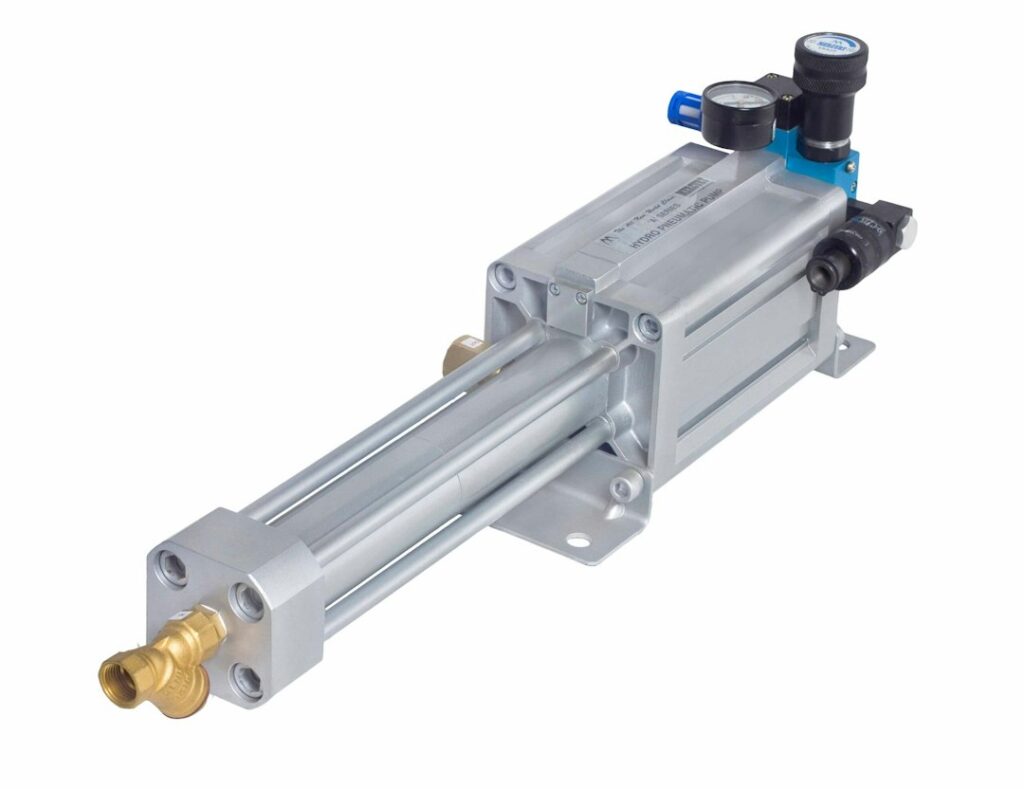
Weak showers, a dishwasher that takes forever to fill, and an upstairs bathroom that loses pressure whenever someone runs the kitchen tap are frustrating, and a pump can look like the obvious cure. Sometimes it is. A water pressure booster can turn a marginal supply into a comfortable one, especially in hillside neighborhoods, tall homes and properties fed by long service lines or low-yield wells. But many low-pressure complaints have nothing to do with the incoming supply. A partly closed valve, a failing pressure-reducing valve, mineral-clogged pipes or an undersized well tank can produce the same symptoms, and adding a pump on top of those problems wastes money. This guide explains how to diagnose low pressure first, how booster pumps work on city and well systems, what utilities may require, and what installation, noise, electrical needs and cost look like.
Part of our Plumbing & Water guide — start there for the full picture →
What a Water Pressure Booster Pump Does
A booster pump is an electric pump installed on the water line inside the home, usually after the meter on a municipal system or after the pressure tank or storage tank on a private system. It draws water from the supply and raises its pressure before sending it on to fixtures. Most residential boosters fall into two broad types:
- Fixed-speed pumps with a small pressure tank. The pump turns on when pressure drops to a set point and shuts off at a higher set point, similar to a well pump. They are simpler and often less expensive, but pressure rises and falls in a cycle.
- Variable-speed or constant-pressure pumps. An electronic controller adjusts motor speed to hold a steady target pressure as demand changes. They tend to cost more but deliver more consistent showers and less cycling.
Either way, a booster can only push the water it receives. If the supply cannot provide enough flow, because of a very small service line, a restricted meter or a well that yields slowly, a pump that tries to draw more than is available can starve, cavitate or pull pressure on the street side down, which is one reason utilities regulate them.
Pressure vs. Flow
Pressure (measured in pounds per square inch, or psi) and flow (gallons per minute, or gpm) are related but not the same. A home can have healthy static pressure with no water running and still suffer weak flow at fixtures because of restrictions in the piping. A booster raises pressure; it does not fix a clogged aerator, a corroded galvanized pipe or a half-closed valve. Diagnosing which problem you have is the first step.
Diagnose Low Water Pressure Before Buying a Pump
A simple pressure gauge that screws onto a hose bib or laundry faucet is the starting point. Readings taken with no water running show static pressure; readings taken while a tub or shower is open show how far it drops under demand. Our water pressure test guide walks through how to take and interpret readings.
Many plumbing codes and fixture manufacturers work within a range of roughly 40 to 80 psi for residential service, with pressure above 80 psi typically requiring a pressure-reducing valve. Readings well below 40 psi at the house are a reason to look harder. Check these common causes before considering a pump:
- Main shutoff or meter valve partly closed. After plumbing work, a valve may not have been reopened fully.
- Failing or misadjusted pressure-reducing valve (PRV). Many Front Range homes on high-pressure mains have a PRV near the main shutoff. When one fails, pressure can drop or fluctuate. A pressure-reducing valve can often be adjusted or replaced for far less than the cost of a booster.
- Clogged aerators, showerheads or cartridges. If only one or two fixtures are weak, clean or replace the parts first.
- Old galvanized steel piping. Interior corrosion narrows the pipe over decades and chokes flow.
- Water softener, filter or heater restrictions. A clogged sediment filter or a bypass valve in the wrong position can starve an entire house.
- Undersized service line or meter. Homes that were enlarged without upsizing the service may lack flow at peak demand.
- Leaks. A hidden leak in the service line or under a slab can reduce pressure and raise water bills.
Ask the water utility what pressure it delivers at your address. Some neighborhoods at the top of a pressure zone simply receive less pressure, and the utility can confirm whether that is expected.
Booster Pumps on Municipal Water Systems
On city water, a booster makes the most sense when the utility confirms that delivered pressure is low and the home’s piping is in good condition. Typical candidates include houses at high elevation relative to the storage tank, three-story homes where the top floor sees noticeably less pressure, and homes with long service lines from the street.
Utility Rules and Backflow
Rules vary by water provider, and some are strict. Utilities may require approval before a pump is connected, may prohibit pumps that draw directly from the main without a break tank, or may require a backflow prevention assembly so that water pressurized inside the home cannot flow back into the public system. Some also require annual testing of that assembly by a certified tester. Many local codes require a low-pressure cutoff that shuts the pump off before it can pull suction on the main. Contact your water provider and the local building department before buying equipment; a permit may be needed, and in some jurisdictions a licensed plumber must perform the work.
Interaction With the PRV and Fixtures
If the home has a PRV, the booster is usually installed so that it supplies pressure the PRV can then regulate, or the PRV is adjusted or removed under a plumber’s guidance. The goal is a steady target pressure inside the normal residential range, not the highest number the pump can produce. Excess pressure strains supply lines, toilet fill valves, water heaters and appliance hoses.
It also helps to know what fixtures expect. EPA’s WaterSense program notes that labeled showerheads are certified for pressure compensation, meaning they must provide a minimum flow across a range of household water pressures, and that WaterSense criteria for bathroom faucets include a minimum flow rate to ensure acceptable performance in homes with low water pressure. Replacing older, poorly performing fixtures with labeled models can sometimes improve a borderline situation without any pump at all.
Booster Pumps on Private Well Systems
On a private well, the well pump, pressure switch and pressure tank already form a pressure system. Before adding a booster, check the basics:
- Pressure switch settings. Common settings such as 30/50 or 40/60 psi determine the range the house sees. A worn or misadjusted well pressure switch can cause weak or erratic pressure.
- Pressure tank condition. A waterlogged tank or incorrect air pre-charge causes rapid cycling and pressure swings. Our guide to the well pressure tank explains how to check it.
- Well yield and pump capacity. A pump that is wearing out, or a well that recovers slowly, cannot be fixed by a downstream booster.
Where a booster does make sense on a well property is when the well feeds a storage tank or cistern. That arrangement is common in the Colorado foothills and mountains, where wells may yield slowly. The well pump fills the storage tank over time, and a separate booster pump draws from the tank to pressurize the house. In that setup the booster is the house’s main pressure source, so its sizing, tank and controls matter a great deal.
A booster can also help homes where the well house sits far below the residence, or where the house is large and the pressure drop to upper floors is noticeable. A well and pump contractor should size the system based on the well’s yield and the household’s peak demand. EPA’s private well guidance encourages homeowners to periodically inspect exposed parts of the well, such as the casing, cap and surface seal, and to use a contractor experienced with drinking water wells for inspection and testing.
Installation, Electrical Needs and Noise
Location and Plumbing
Booster pumps are usually installed in a basement, utility room, garage or crawl space near where the main enters, on a level surface, with isolation valves on both sides so the pump can be serviced. A bypass line lets water flow, at reduced pressure, if the pump fails or is removed for repair. Freeze protection matters in Colorado; pumps in unheated garages or crawl spaces can be damaged by a single cold night.
Electrical Requirements
Residential boosters typically run on 120 or 240 volts depending on size. Many manufacturers call for a dedicated circuit, and the outlet or hardwired connection must meet local electrical code, which may include ground-fault protection in basements, garages and damp locations. A licensed electrician should handle any new circuit. Power outages also stop the pump, so a home that depends on a booster loses most of its pressure during an outage unless backup power is in place.
Noise and Vibration
Pumps hum, and fixed-speed pumps can click on and off frequently. Variable-speed models are generally quieter at low demand but still audible. Noise can be reduced by mounting the pump on a vibration pad, using flexible connectors, and locating it away from bedrooms. If a pump runs or cycles when no water is being used, suspect a leak or a pressure tank problem.
Sizing a Booster Pump
An oversized pump short-cycles, wastes energy and can push pressure too high, while an undersized one cannot keep up when two showers and the washing machine run together. Plumbers usually size a residential booster from two numbers: the peak flow the household is likely to use at one time, and the pressure increase needed at the farthest or highest fixture.
Peak flow is often estimated by counting fixtures and their typical flow rates, then applying a diversity factor because not everything runs at once. A small two-bathroom home may need far less capacity than a large house with multiple showers, body sprays, irrigation connections and a soaking tub. Pressure increase depends on the current pressure under flow, the target pressure, and the elevation of upper floors relative to the pump; each foot of vertical rise costs a little under half a psi.
Other factors that affect the choice include:
- Pipe size. Narrow or long runs lose pressure to friction, so the pump may need to work harder than the gauge reading at the main suggests.
- Water quality. Hard water and sediment shorten pump life; a sediment filter ahead of the pump may be recommended, and that filter needs routine changes.
- Duty cycle. Homes with irrigation or frequent long showers may run the pump for extended periods, which favors a motor rated for continuous duty.
- Service access. Parts availability and local dealer support matter, because a failed pump leaves the household on reduced pressure until it is repaired.
Ask the installer to write down the target pressure, the cut-in and cut-out settings, and the model’s maintenance schedule, and keep that information near the pump for future owners.
What Home Inspectors Check (and What They Do Not)
Under the American Society of Home Inspectors standard of practice, inspectors inspect the interior water supply and distribution system, including fixtures and faucets, and describe supply piping materials and the location of the main water shutoff. The same standard says inspectors are not required to measure water supply flow and pressure, and are not required to inspect wells, well pumps or water storage equipment. Many inspectors still run several fixtures at once to check for functional flow and will note a booster pump, PRV or storage tank they see. For a quantitative assessment, ask if your inspector offers a pressure reading as an add-on, or hire a plumber or well contractor.
Items worth flagging during a purchase include:
- A booster pump with no bypass, no isolation valves, or no visible backflow device where the utility requires one.
- Extension cords or improvised wiring to the pump.
- Rapid short cycling, rust, leaks or loud bearing noise.
- Static pressure above 80 psi after the pump, which suggests the controls or PRV need attention.
- Storage tanks that are open, unsecured or show signs of contamination on well properties.
What a Water Pressure Booster Pump Costs
Costs vary with pump type, capacity, plumbing changes, electrical work, permits and utility requirements. The figures below are broad 2026 estimates for planning only.
- Pump unit: basic fixed-speed residential models often start in the low hundreds of dollars; variable-speed constant-pressure systems commonly run from several hundred to well over a thousand dollars.
- Professional installation: labor, valves, bypass and fittings frequently add several hundred to over a thousand dollars.
- Electrical circuit: a dedicated circuit may add a few hundred dollars or more depending on panel capacity and distance.
- Backflow assembly and testing: where required, the device, installation and annual testing add to the total.
- Cistern and booster systems on wells: a full storage tank system is a much larger project and can reach several thousand dollars or more.
Compare those numbers with the alternatives. Replacing a failed PRV, cleaning fixtures, or replacing a section of corroded pipe may cost less and solve the real problem.
When to Call a Professional
Call a licensed plumber when pressure is low throughout the house, when pressure drops sharply under demand, or when you suspect a PRV, leak or corroded piping. On wells, a well and pump contractor should diagnose the pump, switch and tank before a booster is considered. Before buying a home with a booster or cistern system, ask for maintenance records and any utility approvals. Our home inspector hiring guide and the plumbing and water hiring hub explain how to find an inspector who evaluates water systems in detail.
References
- WaterSense Labeled Showerheads — U.S. Environmental Protection Agency
- WaterSense Labeled Bathroom Faucets — U.S. Environmental Protection Agency
- Protect Your Home’s Water — U.S. Environmental Protection Agency
- ASHI Standard of Practice for Home Inspections — American Society of Home Inspectors
Frequently asked questions
Do water pressure booster pumps really work?
They work when the incoming supply has adequate flow but low pressure, such as homes at high elevation or on long service lines. They do not fix clogged pipes, failing pressure-reducing valves or low-yield wells, so diagnose the cause first.
Do I need permission to install a booster pump on city water?
Often, yes. Many utilities require approval, a backflow prevention assembly, or a low-pressure cutoff, and a permit may be needed. Contact your water provider and building department before buying equipment.
What is normal household water pressure?
Many plumbing codes and fixture makers work within roughly 40 to 80 psi. Pressure above 80 psi usually calls for a pressure-reducing valve, and readings well below 40 psi deserve investigation.
Can a booster pump help a slow well?
Not directly. If the well recovers slowly, a common solution is a storage tank or cistern filled by the well pump, with a booster pump drawing from the tank to pressurize the house. A well contractor should size the system.
How much does a water pressure booster pump cost?
The pump alone may range from the low hundreds to over a thousand dollars, with installation, electrical work and backflow devices adding more. Treat these as rough 2026 estimates and get local quotes.
Unsure if your low pressure is a pump problem or a plumbing problem? Send us a note and we will point you to a Front Range inspector who checks water supply systems.