Why Is My Water Pressure Low? A Ranked Troubleshooting Guide
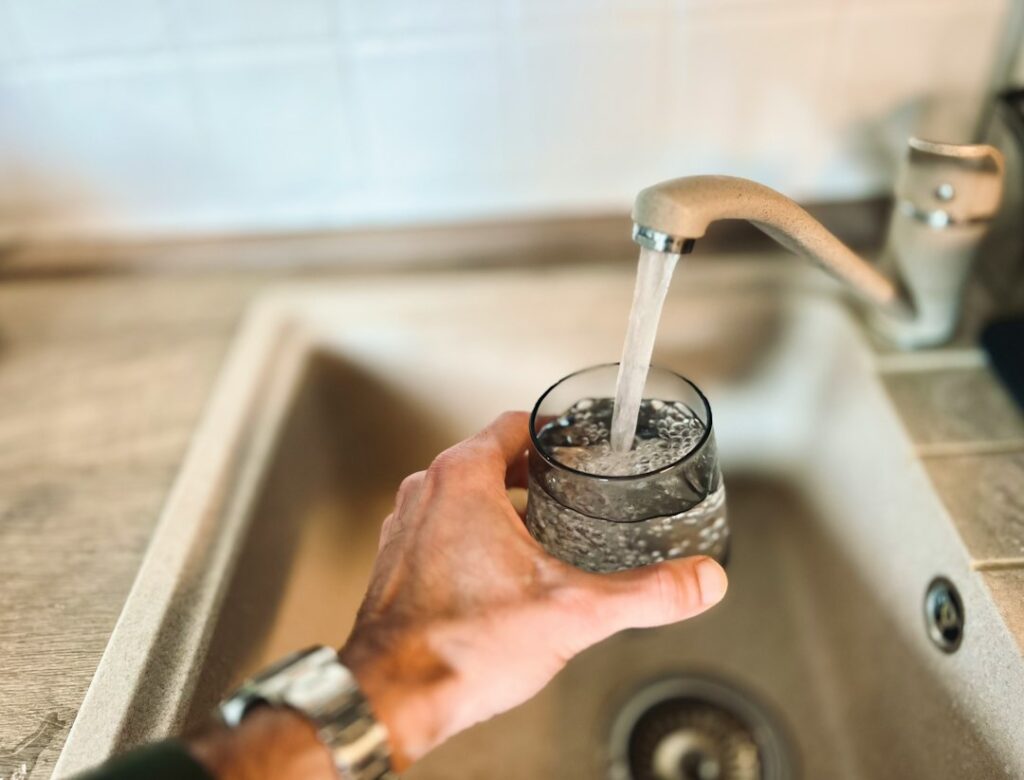
If you are wondering “why is my water pressure low,” start with where it is low. Weak flow at one faucet or shower almost always means a clogged aerator, showerhead or cartridge, while low pressure throughout the house usually points to a partly closed main shutoff, a failing pressure reducing valve (PRV), a hidden leak, corroded galvanized pipes or a supply problem from the city or your well. This guide ranks those causes from most to least likely and gives a practical check, a safe DIY step and a clear “call a pro” point for each. It also covers Front Range specifics such as hard water scale, hillside pressure zones and well systems in rural foothills. It reflects general EPA and plumbing-industry guidance as of 2026; local plumbing codes and your water utility take priority for any repair.
Part of our Plumbing & Water guide — start there for the full picture →
Plumbing problem? Talk to a local plumber now.
📞 Call (877) 637-1527First, Narrow It Down: One Fixture or the Whole House?
Five minutes of testing saves hours of guessing. Open the cold tap at the kitchen sink, then a bathroom sink, then a tub spout, then an outdoor hose bib. Run hot and cold separately at each one.
| What you observe | Most likely cause | Where to look first |
|---|---|---|
| One faucet or shower is weak, others fine | Clogged aerator, showerhead or cartridge | The fixture itself |
| Only hot water is weak, everywhere | Water heater shutoff, sediment or dip tube issue | Water heater valves and outlet piping |
| Whole house weak, started suddenly | Closed or partly closed valve, failed PRV, main break or utility work | Main shutoff, PRV, neighbors and utility notices |
| Whole house weak, getting worse over years | Corroded galvanized pipe, scale, aging PRV | Exposed piping in basement or crawl space |
| Pressure drops when two fixtures run | Undersized lines, PRV set low, well tank issue | PRV setting, well pressure switch |
| Weak and the water meter spins with everything off | Leak | Meter, toilets, irrigation, slab or yard line |
For a real number, screw an inexpensive pressure gauge onto an outdoor hose bib or laundry faucet with all other water off. Our water pressure test guide explains how to read it. Many residential systems are designed to run roughly in the 40 to 80 psi range, with around 50 to 60 psi a common comfortable setting; local code and your plumber’s advice govern the exact target.
Cause 1: Clogged Aerators, Showerheads and Cartridges
This is the most common cause of weak flow at a single fixture. Front Range water is moderately hard in many areas, and mineral scale plus bits of sediment build up in the fine screens of faucet aerators and the nozzles of showerheads. After any water main work, debris can also lodge in these screens all at once.
What to check
Unscrew the aerator at the tip of the faucet. If flow is strong without it, the aerator is the problem. For a shower, compare flow with the showerhead removed. If flow is still weak with the aerator off, the cartridge or valve inside the faucet may be clogged or worn.
Safe DIY step
Soak aerators and showerheads in white vinegar for an hour or so, scrub with an old toothbrush and rinse. Replace them if the screens are damaged. Remember that newer fixtures are designed to use less water. EPA’s WaterSense program notes that standard showerheads use 2.5 gallons per minute, while WaterSense-labeled models must use no more than 2.0 gpm and still meet performance requirements. A low-flow head is not the same as low pressure, but a poorly designed one can feel weak. Our roundup of the best shower heads for low water pressure lists models designed to feel stronger at modest pressure.
When to call a pro
Call a plumber if a cartridge is seized, the valve body is corroded or the fixture leaks after reassembly.
Cause 2: A Partly Closed Main Shutoff or Fixture Valve
After a repair, a remodel or a home sale, a valve is often left partly closed. It is also common for someone to close the main during an emergency and not fully reopen it.
What to check
- Main shutoff: usually where the water line enters the house, often in the basement, crawl space, garage or utility closet. A gate valve with a round handle should be turned fully counterclockwise. A ball valve with a lever should be parallel to the pipe.
- Meter valve: the utility-side valve near the meter. In many areas only the utility should operate it.
- Fixture stops: the small valves under sinks and behind toilets.
- Water heater cold inlet valve: if only hot water is weak.
Safe DIY step
Open each valve fully. Older gate valves can break internally, leaving the gate stuck partly down even when the handle turns. If the handle spins freely or pressure does not improve, the valve itself may have failed.
When to call a pro
A plumber should replace a stuck or failed main valve. Do not force a corroded valve, which can snap and flood the house.
Cause 3: A Failing or Misadjusted Pressure Reducing Valve
Many Front Range homes, especially in lower-elevation neighborhoods served by high-pressure mains, have a pressure reducing valve on the main line just after the shutoff. It is usually a bell-shaped brass fitting with an adjustment screw on top. It protects fixtures and appliances from high street pressure, but its internal diaphragm and spring wear out over time, often after roughly 10 to 15 years in typical use. A failing PRV can drift to a low setting, stick or allow pressure to fluctuate.
What to check
- Gauge readings that are low, or that rise slowly overnight and drop hard when a fixture opens.
- A sudden change after a utility pressure change or a nearby main replacement.
- Humming, chattering or banging near the PRV.
Safe DIY step
With a gauge attached, a homeowner can turn the adjustment screw a quarter turn at a time (clockwise usually raises pressure) and watch the reading, staying within the range your plumber or local code recommends. If the reading does not respond, the valve likely needs repair or replacement. Our pressure reducing valve guide explains how they work and what replacement involves.
When to call a pro
PRV replacement involves shutting off the main and cutting into the line, so it is typically a plumber’s job. Typical installed costs range from a few hundred dollars to more, depending on pipe size, access and whether a thermal expansion tank is also needed.
Cause 4: Corroded Galvanized Steel Pipes
Many homes built before the 1960s and some built into the 1970s were plumbed with galvanized steel. Over decades, the inside of the pipe corrodes and builds up rust and scale, narrowing the opening. Pressure at the gauge may look normal while flow at fixtures is poor, because the restriction is downstream. The decline is gradual, often worst on upper floors and at the far end of the house.
What to check
Look at exposed pipes in the basement, crawl space or under sinks. Galvanized pipe is dull gray with threaded fittings. A magnet sticks firmly to it, unlike copper or plastic. Rusty or brown water after the water sits overnight is another hint. Our guide to galvanized pipes explains the signs, risks and replacement choices.
Safe DIY step
There is no lasting DIY fix for internally corroded pipe. Cleaning aerators more often helps manage the debris in the meantime.
When to call a pro
A plumber can scope or open a section to judge how bad the buildup is and quote a full or partial repipe. Repiping is a significant project; typical costs vary widely with home size, number of fixtures, access and wall repair, and can run into the thousands. Buyers should flag galvanized supply lines during the inspection period.
Cause 5: A Hidden Leak
A leak diverts water before it reaches your fixtures, and a large one can drop pressure noticeably. EPA’s WaterSense program notes that household leaks waste a significant amount of water nationwide every year, and many go unnoticed for months.
What to check
- Turn off every fixture, appliance and irrigation zone.
- Read the water meter and look at its leak indicator, often a small triangle or dial.
- Wait 30 minutes to two hours without using water and read it again.
- If the meter moved, there is a leak somewhere downstream.
Then close the main shutoff and watch the meter again. If it still moves, the leak is in the service line between the meter and the house. If it stops, the leak is inside.
Safe DIY step
Check toilets with a few drops of food coloring in the tank, inspect visible pipes and irrigation heads, and look for damp drywall, warm spots on slab floors or unusually green patches in the yard. Fix running toilets and dripping fixtures promptly. Hidden moisture can also lead to mold, so dry and repair any wet building materials quickly; EPA’s mold guidance stresses fixing the water source and drying materials within 24 to 48 hours.
When to call a pro
Call a plumber or leak-detection specialist for slab leaks, in-wall leaks and service line leaks. Freeze-thaw damage to buried lines and exterior hose bibs is a recurring Front Range issue.
Cause 6: The Water Supply Itself (City or Well)
Municipal supply
If neighbors also report low pressure, the cause may be utility work, a main break, heavy summer irrigation demand or simply your home’s location in the distribution system. Homes at the top of a hill or at the end of a long main often see lower pressure, while homes at the bottom of a pressure zone often need a PRV to bring very high pressure down. Call the utility to ask about known issues and the typical pressure at your address.
Private well systems
In rural and foothill areas served by wells, low pressure often comes from the pressure tank or pressure switch. A tank with a failed bladder or the wrong air precharge can cause rapid on-off cycling of the pump and weak, pulsing flow. A pressure switch with burned contacts or a clogged sensing tube may cut in too late. Our roundup of the best well pressure tanks covers sizing and replacement options. Sediment filters that are overdue for a cartridge change are another simple culprit. EPA notes that private well owners are responsible for their own system’s water safety and maintenance, which includes periodic testing and inspection.
When a booster pump makes sense
If the supply pressure is simply low and the plumbing is in good shape, a booster pump can raise pressure throughout the house. Our water pressure booster pump guide explains sizing, typical costs and when it is the right fix. Confirm the cause first; a booster will not fix a clogged pipe or a failed PRV.
When Only the Hot Water Is Weak
If cold water flows normally everywhere but hot water is weak at every fixture, the problem is almost always at or near the water heater rather than in the supply. That narrows the search a great deal.
What to check
- The cold inlet valve on the water heater. It is easy to leave partly closed after a flush or a replacement.
- Sediment in the tank. Hard water leaves mineral sediment in the bottom of tank heaters. Heavy buildup can break loose and clog outlet fittings, heat traps and fixture screens. Popping or rumbling sounds during heating are a common sign.
- Scale in a tankless heater. Tankless units have small heat-exchanger passages that can scale up in hard water, restricting flow and triggering error codes. Many manufacturers call for periodic descaling.
- A failed dip tube or heat trap nipple. Broken plastic pieces can travel into hot lines and lodge in faucet cartridges.
Safe DIY step
Confirm both water heater valves are fully open. Flushing a tank heater following the manufacturer’s instructions can clear loose sediment; turn off the gas or power first, and let the water cool, because tank water is scalding. Clean any hot-side aerators that collected debris afterward.
When to call a pro
Call a plumber if flushing does not help, if the tank is old and heavily sedimented, or if a tankless unit needs descaling and you are not comfortable isolating it. Leave gas connections and venting to a professional.
What Buyers Should Ask About Water Pressure
Low pressure is easy to miss on a short showing, and it can be expensive if the cause is old pipe or a failing service line. Before making an offer final, buyers can ask the seller about the age of the plumbing, any past repiping and whether a PRV has ever been replaced. During the inspection period, it helps to run the kitchen faucet while flushing an upstairs toilet and turning on a shower. A sharp drop at the shower suggests restricted or undersized supply lines. If the home is on a well, ask for the most recent well test and any service records for the pump and tank.
Typical Costs at a Glance
These are typical national ranges for planning only. Local labor rates, access and the age of the plumbing drive the final cost.
- Aerator or showerhead replacement: typically under $50 per fixture for parts.
- Faucet cartridge replacement: roughly $20 to $80 in parts DIY; more with a plumber’s service call.
- Main shutoff valve replacement: typically a few hundred dollars.
- PRV replacement: typically a few hundred to around $1,000 depending on size and access.
- Leak detection and repair: highly variable; slab and service-line work costs most.
- Well pressure tank or switch: switches are relatively inexpensive; tank replacement typically runs several hundred dollars or more installed.
- Booster pump: commonly several hundred to a couple of thousand dollars installed.
- Repiping: typically thousands, depending on home size.
Prevention: Keeping Pressure Steady
- Clean aerators and showerheads every few months in hard-water areas.
- Test static pressure at a hose bib once or twice a year and note the reading.
- Exercise the main shutoff gently once a year so it does not seize.
- Have an aging PRV checked if pressure begins to drift or fixtures start to bang.
- Disconnect hoses and drain exterior faucets before the first hard freeze.
- On a well, change sediment cartridges on schedule and have the tank precharge checked.
- Watch your water bill for unexplained increases, which can signal a leak.
When to Call a Plumber or Inspector
Call a licensed plumber when the problem is whole-house, when a valve will not open, when a leak is hidden or when pipes are galvanized. If you are buying a home, a home inspector will typically run multiple fixtures together to check functional flow, look at visible supply piping material and note PRVs, water heater connections and signs of leaks. That gives you a chance to negotiate a repair or repipe before closing. Our plumbing and water hiring guide covers what to ask a plumber. For a Front Range inspection, reach out to our team.
References
- WaterSense Labeled Showerheads — U.S. Environmental Protection Agency
- Fix a Leak Week — U.S. Environmental Protection Agency WaterSense
- Private Drinking Water Wells — U.S. Environmental Protection Agency
- A Brief Guide to Mold, Moisture and Your Home — U.S. Environmental Protection Agency
Frequently asked questions
Why is my water pressure low in only one faucet?
A single weak faucet usually has a clogged aerator or cartridge. Unscrew the aerator and test the flow; if it is strong without it, clean or replace the aerator.
Why did my water pressure suddenly drop in the whole house?
Sudden whole-house drops often come from a partly closed valve, a failed pressure reducing valve, a leak or utility work. Check the main shutoff, ask neighbors and call the water utility before calling a plumber.
What is normal household water pressure?
Many homes are designed to run roughly between 40 and 80 psi, with around 50 to 60 psi a common comfortable setting. Local code and your plumber's advice set the right target.
Can galvanized pipes cause low water pressure?
Yes. Galvanized steel corrodes inside over decades, narrowing the pipe and reducing flow even when the gauge reads normal pressure. The lasting fix is replacing the affected piping.
How is low water pressure on a well fixed?
Check the pressure tank precharge, the pressure switch settings and any sediment filter first. A well contractor can test the pump and tank if those basics do not solve it.
Buying a Front Range home with weak water flow or old galvanized pipes? Get in touch with our team to schedule an inspection.