Low-E Glass: Coatings, Climate Zones, and Window Choices
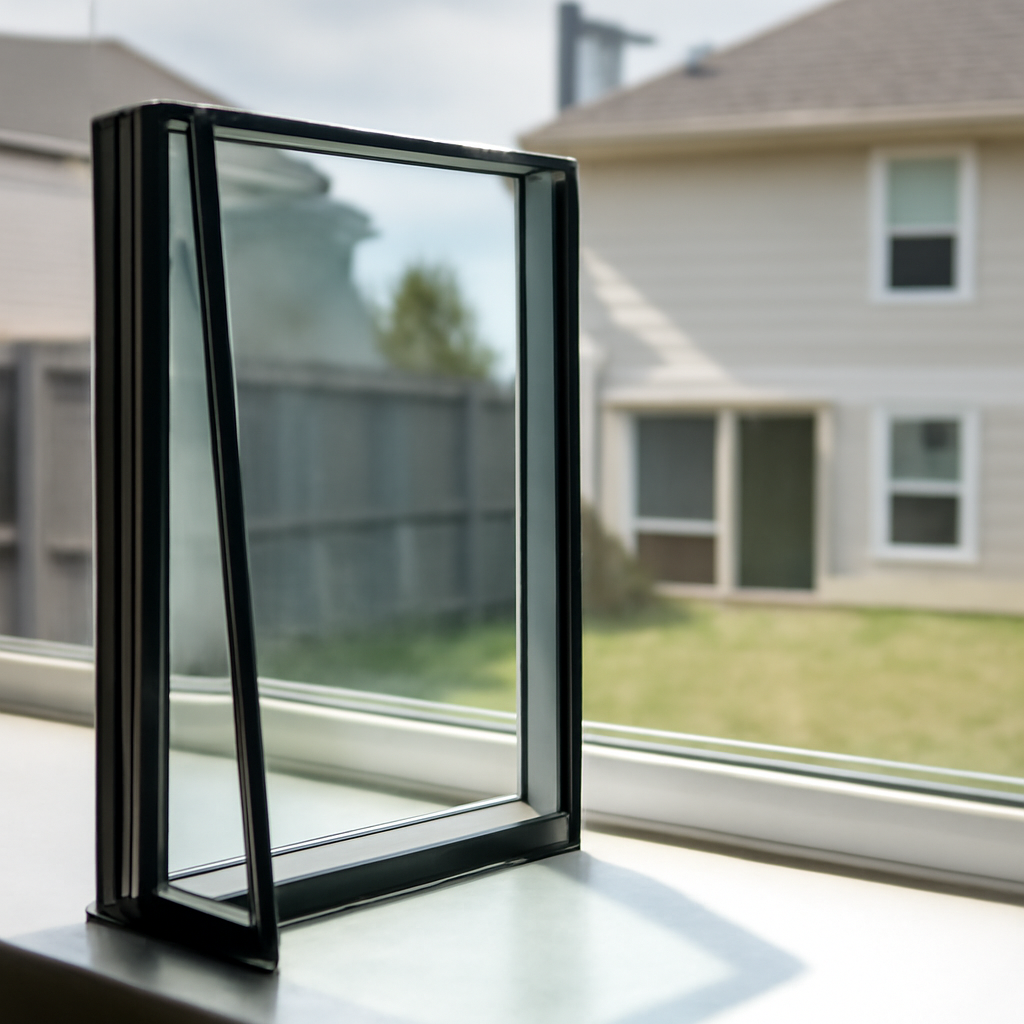
Windows are one of the weakest points in a home’s thermal envelope. Glass lets in daylight and views, but it also lets heat escape in winter and pour in on a hot summer afternoon. Low-emissivity glass, usually shortened to low-E, is one of the main ways window makers narrow that gap. Along the Colorado Front Range, where homes sit at high altitude under strong sun and face cold winter nights, the details of a low-E coating can shape comfort in a room more than many owners expect. This guide explains what low-E coatings do, how coating types and positions differ, how to read the performance labels, what retrofit and replacement options exist and what home inspectors do and do not evaluate.
Part of our Structure & Exterior guide — start there for the full picture →
What Low-E Coatings Do
All warm objects give off energy as long-wave infrared radiation, which people feel as radiant heat. Ordinary clear glass absorbs much of that infrared energy and then re-radiates it, a good share of it toward the colder side. In winter, that means heat from the room, the furniture and the people inside leaks outward through the glass.
A low-E coating is an extremely thin, nearly invisible layer of metal or metal oxide applied to one surface of a pane. “Emissivity” describes how readily a surface gives off radiant heat. A low-emissivity surface gives off very little, and instead it reflects much of the long-wave infrared energy back toward its source. The coating is designed to let most visible light pass through, so the window still looks clear, while cutting down on radiant heat transfer.
Coatings can be tuned. Some are designed mainly to keep indoor heat in during winter and still let a fair amount of the sun’s short-wave energy through. Others are designed to block more of the sun’s heat as well, which helps keep rooms cooler in summer. That tuning is where the climate trade-offs come in.
Hard-Coat Versus Soft-Coat
Low-E coatings are commonly grouped into two manufacturing types, and the descriptions below are general, since products vary.
- Hard-coat (pyrolytic). Applied while the glass is still hot during manufacture, so the coating fuses with the surface. It is generally durable and can tolerate exposure to air and handling, which is why it shows up in some storm windows and single-pane applications. It typically lets in more solar heat and has somewhat higher emissivity than the best soft coats.
- Soft-coat (sputtered). Applied in a vacuum chamber after the glass is made, often in several very thin layers that can include silver. Soft coats can reach lower emissivity and are often tuned to block more solar heat. They are usually more delicate and are typically sealed inside an insulated glass unit, facing the gap between panes.
Neither type is automatically better. The right choice depends on how the window will be used, its orientation and the balance between winter heat retention and summer heat control.
Coating Position and the Climate Trade-Off
In a double-pane window, glass surfaces are typically numbered from the outside in. Surface 1 faces the outdoors, surfaces 2 and 3 face the sealed gap and surface 4 faces the room. Where the coating sits affects how the window behaves.
As a rule of thumb, a coating on surface 2, on the inner face of the outer pane, tends to reject more solar heat before it reaches the gap. That arrangement is often favored where cooling is the bigger concern. A coating on surface 3, on the outer face of the inner pane, tends to keep more of the room’s heat inside while letting more solar heat pass through, which is often favored where heating is the bigger concern. Triple-pane units and some designs place coatings on more than one surface. Manufacturers do not always state the position plainly, so the performance label is usually a better guide than the coating location.
Heating-Dominated Climates and the Front Range
In climates where heating costs outweigh cooling costs, a window that admits more solar heat can be an advantage on south-facing walls. Winter sun coming through the glass becomes free heat for the room. In those situations, a higher solar heat gain coefficient (SHGC) paired with a low U-factor may help, though the benefit depends on shading, orientation and the overall house design.
The Front Range complicates the picture. Many communities sit around a mile high, where sunlight can feel intense and clear winter days are common. Winters bring cold nights, while summer afternoons on west-facing walls can overheat rooms. A home might reasonably use different glass on different sides: higher solar gain on the south, more solar control on the west. A window professional familiar with local conditions can help work out a sensible mix, and the choice is less about one ideal product than about matching the glass to each exposure.
Altitude raises one more point. Sealed insulated glass units are built with air or gas sealed at a particular pressure. Units made at low elevation and shipped to high elevation may need pressure adjustments, such as capillary or breather tubes, to avoid stress on the seals. This is something many manufacturers address for high-altitude markets, and it is worth asking about when ordering.
Reading U-Factor and SHGC Labels
Low-E coatings are only one part of a window’s performance. The frame, the spacer between panes, the gas fill and the number of panes all matter. For that reason, buyers usually compare whole-window ratings rather than glass alone.
- U-factor measures how readily the window conducts non-solar heat. Lower numbers mean better insulation.
- Solar heat gain coefficient (SHGC) is the fraction of solar radiation that passes through as heat. It runs from 0 to 1, and lower numbers mean less solar heat enters.
- Visible transmittance describes how much visible light passes through. Higher numbers mean more daylight.
- Air leakage, where shown, describes how much air passes through cracks in the window assembly.
ENERGY STAR Criteria by Climate Zone
ENERGY STAR describes picking windows the way one might pick a winter coat: choosing the products that make the most sense for the local climate, since some are better at keeping a home warm and others excel at keeping it cool. According to its key product criteria page, performance criteria for windows and skylights are based on ratings certified by the National Fenestration Rating Council (NFRC) and vary for each climate zone on its map. The same page notes that many certified products share features such as efficient framing materials, but that those features are not required. Because the specific numbers can change between program versions, it makes sense to check the current criteria for the relevant zone at the time of purchase rather than relying on figures from a brochure.
Argon and Other Gas Fills
Many low-E insulated glass units fill the gap between panes with argon, and some premium units use krypton. These gases conduct heat more slowly than air, which helps lower the U-factor. Gas fill does slowly diffuse out over many years, and it is lost much faster if the seal fails. There is no simple visual test for gas content, so owners and inspectors generally judge seal condition by signs such as fogging rather than by gas level.
Retrofit Films, Inserts and Replacement
Owners who want low-E performance without new windows have a few options, each with trade-offs.
Window films. Applied to the interior face of existing glass, some window film products are designed to reflect infrared heat or reduce solar gain. Film can be a lower-cost way to manage glare or heat on a problem exposure. However, film on insulated glass can raise glass temperatures, and some window makers warn that it can affect the glass warranty. Checking the manufacturer’s guidance before applying film is a sensible step.
Inserts. Window inserts are new sash-and-frame units that fit inside the existing frame. They can bring modern low-E glass without disturbing interior and exterior trim, though they reduce the glass area slightly and rely on the old frame being sound.
Full replacement. Full-frame replacement removes the old window down to the rough opening, which allows inspection and repair of flashing and framing. It typically costs more but can address hidden water damage. Our window replacement cost guide covers budgeting in more depth.
Storm Windows and Low-E Storms
Adding a storm window over an existing window creates an extra air space and can reduce drafts. Low-E storm windows, which typically use a durable hard-coat on the glass, add radiant heat control as well. In older homes with original single-pane wood windows, especially in historic neighborhoods, low-E storms are often discussed as a way to improve comfort while keeping the original sash.
Hedged Comparison of Options
Costs depend on window size, frame type, access, the number of units and labor rates. The ranges below are rough planning figures based on typical trade pricing, not quotes.
| Option | What changes | Rough planning range per window | Main trade-off |
|---|---|---|---|
| Low-E or solar control film | Film added to existing glass | Often lowest cost, from tens to low hundreds of dollars | May affect glass warranty; does not fix air leaks |
| Low-E storm window | Extra pane over existing window | Often low to mid hundreds of dollars | Keeps original sash; adds a layer to clean |
| Glass unit replacement | New sealed glass in existing sash | Often low to mid hundreds of dollars | Depends on sash condition and glass size |
| Window insert | New sash and frame inside old frame | Often mid hundreds to over a thousand dollars | Slightly less glass; old frame must be sound |
| Full-frame replacement | Whole window to rough opening | Often higher than an insert | More disruption; allows flashing repair |
Seal Failure, Fogging and Condensation
Low-E coatings and gas fills depend on the insulated glass unit staying sealed. Over time, sun, temperature swings and moisture can wear down the edge seal. When it fails, humid air enters the gap between panes. The most common sign is a cloudy haze, fog or mineral streaking between the panes that cannot be wiped off from either side.
A failed seal does not usually make a window unsafe, but it reduces insulation and clarity, and in a soft-coat unit, moisture can eventually damage the coating itself. Options include replacing the sealed glass unit, which is often the most practical choice, or replacing the sash or window. Services that drill and dry fogged units exist, but results vary and the original gas fill is not restored. For more, see our guides to window seal repair and double-pane window repair.
Condensation on the Room Side
Condensation on the inside surface of the glass is a different issue. It forms when warm, humid indoor air meets a cold surface. Low-E glass usually keeps the interior pane warmer than clear glass, which can reduce this condensation, but it will not eliminate it in a humid room on a very cold night. Steady condensation or frost often points to high indoor humidity or air leakage around the frame. Our guide to window condensation covers causes and fixes.
Air sealing around the window matters as much as the glass. ENERGY STAR lists caulking around windows among the simple fixes in its seal-and-insulate guidance, and its resources include sealing behind window and door trim. A high-performance pane in a leaky frame will still feel drafty.
Questions to Ask Before Buying Low-E Windows
Because two windows that both say “low-E” can perform quite differently, a few direct questions help make quotes comparable:
- What are the certified U-factor, SHGC and visible transmittance for the whole window, not just the glass?
- Is the same glass package used on every side of the house, or can solar gain be adjusted by orientation?
- Is the unit gas-filled, and how is the insulated glass built and adjusted for high-altitude delivery?
- What frame material is proposed, such as the vinyl windows common in Front Range replacements, and how is the frame sealed to the wall?
- What does the warranty say about seal failure, and does it cover labor as well as glass?
Operating style matters too. A sliding or double-hung window has more moving joints than a fixed or casement unit, so weatherstripping quality affects how well the low-E glass performs in real life. Asking installers how they handle flashing and interior air sealing tends to reveal more about a bid than the brochure does.
What Home Inspectors Note About Windows
A general home inspection includes a sample of windows, not a lab test of each pane. The ASHI Standard of Practice directs inspectors to inspect a representative number of doors and windows in the Interiors section, and its definitions describe a representative number for interior components such as windows as one component per room. The same standard lists coatings on, and the hermetic seals between, panes of window glass among the items inspectors are not required to inspect.
That means an inspector is not expected to confirm whether glass has a low-E coating, identify its type or test for gas fill. Many inspectors will still note visible fogging between panes when they see it, along with cracked glass, windows that will not open or latch, damaged sashes, failed weatherstripping, rot or water staining around frames and missing safety glass where it would usually be expected. Fogging can come and go with temperature and lighting, so a window that looks clear on inspection day may show haze later.
Buyers who care about window performance can look for labels or etchings in the glass corners, ask sellers for window paperwork and arrange a window specialist’s evaluation if many units look fogged. For a fuller picture of how exterior and envelope items fit into an inspection, see the structure and exterior section of our hiring guide, and for help choosing an inspector, start with our home inspector hiring guide.
References
- Windows, Doors and Skylights Key Product Criteria — ENERGY STAR
- Seal and Insulate with ENERGY STAR — ENERGY STAR
- ASHI Standard of Practice for Home Inspections — American Society of Home Inspectors
Frequently asked questions
Can you see a low-E coating on glass?
Usually not easily. Low-E coatings are extremely thin and nearly invisible. Some show a faint tint or reflection at an angle, and many windows have a label or etching in the glass corner. Window paperwork or the manufacturer is the most reliable way to confirm it.
Is low-E glass worth it in Colorado?
For many Front Range homes it can improve comfort, since it reduces radiant heat loss in winter and can limit solar heat gain in summer. The best results usually come from matching the coating to each wall's sun exposure rather than using one product everywhere.
Why is there fog between the panes of my low-E window?
Fog or haze between panes usually means the edge seal of the insulated glass unit has failed, allowing humid air into the gap. Replacing the sealed glass unit is a common fix, and the window frame can often be kept.
Does low-E glass stop condensation?
It can reduce room-side condensation by keeping the inner pane warmer, but it will not stop it if indoor humidity is high or cold air leaks around the frame. Controlling humidity and air sealing usually matter as much as the glass.
Will a home inspector check whether my windows have low-E glass?
Generally no. The ASHI Standard of Practice lists coatings on and the seals between panes of window glass among items inspectors are not required to inspect, although many inspectors will note visible fogging or other obvious defects.
Weighing a house with older or fogged windows and want a clear read on the envelope? Reach out to our team and we can connect you with a Front Range inspector who looks carefully at windows and exterior details.