Window Film: Heat Control, UV, Privacy and Glass Warranties
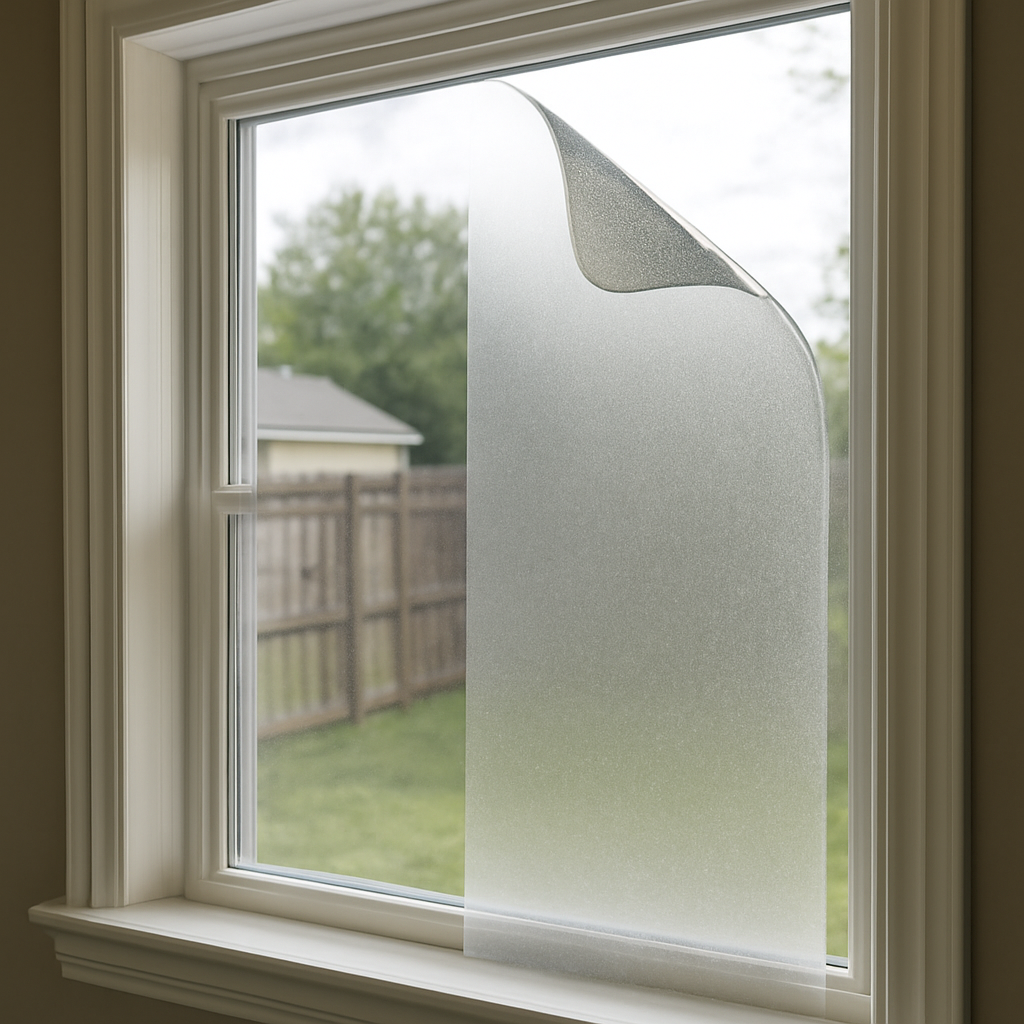
Window film is a thin polyester laminate applied to the surface of existing glass, usually on the interior side, to change how the window handles sunlight, heat, glare, privacy or impact. It is one of the least disruptive ways to change a window’s behavior, since the sash, frame and glass all stay in place. For Front Range homeowners dealing with hot west-facing rooms, faded floors and furniture, or street-facing windows that need privacy, film can look like an easy answer. It is not without trade-offs, however. Some films can raise glass temperatures enough to stress insulated glass units, applying film may affect a window manufacturer’s warranty, and the energy benefits vary widely by film type, window orientation and climate. This guide explains the main categories of window film, what federal energy guidance says about films and solar heat gain, how UV exposure and Colorado’s altitude factor in, the risks to double-pane windows and seals, how film compares with replacement windows, what typical costs look like, and how inspectors view filmed glass during a home inspection.
Part of our Structure & Exterior guide — start there for the full picture →
Types of Window Film
Window films are sold for several different purposes, and the right choice depends on the problem being solved. Many products combine features, but most fall into one of four broad groups.
Solar Control Film
Solar control films, sometimes called sun-control or heat-control films, are designed to reduce the amount of solar heat and visible glare entering through the glass. They range from dark tints that absorb a large share of sunlight to reflective metallized films with a mirror-like appearance to more neutral spectrally selective films that block much of the infrared portion of sunlight while letting more visible light through. The U.S. Department of Energy’s Energy Saver Guide includes applying sun-control or other reflective films on south-facing windows as a warm-weather tip to reduce solar heat gain.
Low-E Retrofit Film
Low-emissivity, or low-e, films have a microscopically thin coating that reduces radiant heat transfer through the glass. Installed on the interior side, they are intended to reflect some of the home’s interior heat back into the room in winter while also cutting some solar heat in summer. The DOE Energy Saver Guide suggests applying low-e film on the inside of windows to keep heat from radiating out, and notes that films are rated by the National Fenestration Rating Council (NFRC) and will be rated by the Attachments Energy Rating Council (AERC). For heating-dominated climates like Colorado’s, low-e films are the category most relevant to winter comfort, although they generally do not match the performance of factory low-e coatings inside a sealed insulated unit.
Security and Safety Film
Security films are thicker laminates, often several times the thickness of solar films, designed to hold broken glass together after impact. They can slow a break-in, reduce flying glass during storms or accidents, and help glass stay in the frame. Their effectiveness depends heavily on thickness and on whether the film is anchored to the frame with an attachment system. Security film does not turn ordinary glass into safety glazing for code purposes, and it does not make a window bullet-resistant or storm-rated on its own.
Decorative and Privacy Film
Decorative films include frosted, etched-look, patterned and one-way mirror products. They are commonly used on bathroom windows, sidelights, glass doors and street-facing ground-floor windows. One-way mirror films provide daytime privacy when the outside is brighter than the inside, but the effect reverses at night when interior lights are on. Decorative films typically offer limited energy benefit unless they also include solar control properties.
Heat, Glare and UV: What Film Can and Cannot Do
Window performance is commonly described with two numbers. The U.S. Department of Energy’s Guide to Energy-Efficient Windows explains that the U-factor measures how well a window insulates, with lower values insulating better, and the Solar Heat Gain Coefficient (SHGC) measures how much of the sun’s heat comes through a window, on a scale from 0 to 1, where a lower SHGC lets in less solar heat. Window films change these values, and reputable film products publish performance data for specific glass types.
Summer Heat and Glare
Solar control film is most effective where direct sun is the main problem, typically on west-facing and south-facing windows. Lowering SHGC on those windows can reduce afternoon overheating, cut glare on screens and reduce the load on air conditioning. The DOE windows guide’s orientation table recommends low SHGC or shading on east- and west-facing windows in both cold and warmer climates, while recommending the highest SHGC available for south-facing windows in cold climates. That suggests a nuance for Colorado: in a heating-dominated climate, blocking solar heat on south windows can also block useful winter warmth.
Winter Heat Loss
Most window films do relatively little for winter heat loss compared with an added layer of glass and air. Low-e films can improve U-factor modestly on single-pane glass and somewhat less on double-pane glass. The DOE Energy Saver Guide presents low-e storm windows as an alternative, stating they can save 12% to 33% on heating and cooling costs depending on the type of window already installed. For drafty windows, air sealing and weatherstripping often matter more than any film.
UV and Fading
Many window films block a large share of ultraviolet radiation, which can help slow fading of floors, fabrics and artwork. Exact UV blocking figures vary by product and should be verified on the manufacturer’s data sheet. UV is only one cause of fading; visible light and heat contribute too, so film reduces but does not eliminate fading. For comparison, the DOE windows guide says factory low-E glass reflects ultraviolet light away from the house and can protect household furnishings from UV-induced fading by as much as 75%.
Colorado Sun and Altitude
Front Range homes sit at high elevation, and Colorado is known for abundant sunshine. The EPA’s RadTown page on Ultraviolet (UV) Radiation and Sun Exposure explains that the amount of UVB reaching the Earth’s surface depends on latitude, altitude, time of year and other factors, and that the atmosphere does little to shield UVA. The EPA advises limiting sun exposure especially at higher altitudes. How much that changes indoor UV exposure behind glass in a given home is hard to quantify, so film claims tied specifically to altitude should be treated cautiously. Still, homeowners in sunny rooms with valuable furnishings often find UV-blocking film worthwhile.
Thermal Stress, Seal Failure and Warranties
The most important caution with window film involves the glass itself. Films that absorb a lot of solar energy, particularly dark tints and some reflective films, raise the temperature of the glass they are applied to. When part of a pane is heated by sun while the edge stays cooler inside the frame, or when shadows from eaves, trees or blinds create uneven temperatures, the glass experiences thermal stress. In some cases, that stress can cause a crack that usually starts at the edge of the pane.
Insulated glass units, the sealed double-pane or triple-pane units in most modern windows, add another variable. Raising the temperature of the inner pane increases the heat and pressure cycling inside the sealed space, which film manufacturers and window makers consider when deciding whether a film is compatible with a given unit. Reputable film manufacturers publish film-to-glass compatibility charts that consider glass type, thickness, size, whether the glass is tinted, tempered or low-e, and the window’s orientation.
Points to check before applying film to insulated glass:
- Window manufacturer warranty: Many window manufacturers address aftermarket film in their warranty terms. Some exclude glass breakage or seal failure if film is applied, and some approve certain films. Reading the warranty, or contacting the manufacturer, before installation avoids surprises.
- Film manufacturer warranty: Some film manufacturers offer a glass or seal failure warranty when their film is professionally installed on compatible glass. Coverage limits and conditions vary.
- Existing low-e coatings: Windows that already have factory low-e coatings may interact differently with applied film, and some films are not recommended over certain coatings.
- Existing seal condition: Film will not fix a failed seal. Windows that already show fogging, moisture between panes or mineral haze have a seal problem, and the double-pane window repair guide explains the options.
- Cracked or damaged glass: Applying film over cracks or chips can hide damage without stopping it from spreading. The window glass replacement guide covers when replacing a pane or unit makes more sense.
Lighter, spectrally selective films typically absorb less heat than dark tints, which is one reason installers often recommend them for insulated glass in sunny exposures.
Window Film vs Replacement Windows
Film and replacement serve different goals. Film adjusts how existing glass handles sunlight, while replacement can address the entire window: glass, frame, seals, air leakage and operation. The DOE windows guide states that upgrading to ENERGY STAR qualified windows can save 7% to 15% on annual household energy bills depending on location and the type of window being replaced, and advises making sure the home is properly insulated and air sealed before replacing windows.
Film may be the better fit when:
- The windows are in good condition, seal well and operate properly.
- The main complaint is heat, glare or fading in a few specific rooms.
- Privacy is needed on a limited number of windows.
- The budget does not allow full replacement.
Replacement may make more sense when:
- Windows are drafty, rotting, difficult to operate or single-pane throughout the house.
- Multiple insulated units show failed seals.
- Frames are damaged or water is leaking around the window.
- The goal is a significant improvement in winter comfort and heating costs.
The energy-efficient windows guide covers what to look for in new windows, and the window replacement cost guide outlines typical pricing for comparison. The DOE guide also reminds homeowners that most homes built before 1978 contain lead paint, and advises making sure the window installer is EPA certified.
Installation, Curing and Care
Professional installers typically begin by inspecting each pane for chips, cracks and seal problems, then clean the glass thoroughly, since any trapped dust or hair shows as a visible flaw under the film. Most films are applied wet: the glass and adhesive side are sprayed with a slip solution, the film is positioned, and a squeegee pushes the solution out from under it. A narrow gap is usually left at the edges so the film does not touch the frame or gaskets.
After installation, film needs time to cure while the remaining moisture evaporates through it. During this period a slight haze or small water pockets are common and usually disappear on their own. Cure time varies with film thickness, temperature and sun exposure; cold, cloudy weather typically lengthens it, which can matter for winter installs on north-facing Colorado windows. Installers generally advise against cleaning the filmed surface or operating the window heavily until curing is complete.
Once cured, most films are cleaned with mild, non-abrasive cleaners and soft cloths. Ammonia-based cleaners, razor blades and abrasive pads can scratch or degrade some films, so the manufacturer’s care instructions should be followed. Signs that film is reaching the end of its life include:
- Bubbles or blisters that appear long after curing.
- Peeling or lifting at the corners and edges.
- Purple or brown discoloration, common in older dyed tints.
- Cloudiness or crazing that reduces visibility.
Aging film is generally removed and replaced rather than repaired, since patches tend to remain visible.
Window Film Costs
Pricing varies by film type, window size, number of windows, access and region. The figures below are rough, hedged ranges for planning only.
- DIY film: Retail rolls of solar, privacy or decorative film are relatively inexpensive, often costing tens of dollars for a typical window. Results depend on careful cleaning and application, since bubbles, dust and creases are common in first attempts.
- Professional solar control film: Installed residential solar film is usually priced per square foot of glass, and a whole-house job commonly runs from several hundred to a few thousand dollars, depending on the number of windows and the film chosen.
- Low-e retrofit film: Low-e films tend to cost more per square foot than basic tints because of the specialized coatings.
- Security film: Thicker security films and frame attachment systems usually cost more than solar films, sometimes considerably more where anchoring is included.
- Decorative film: Custom patterns, cut graphics and frosted designs vary widely, from low-cost stock patterns to custom designs.
Removal of old, bubbling or peeling film adds labor, and stubborn adhesive can take time to clean off. Quotes are easiest to compare when they name the specific film product, its published SHGC, visible light transmission and UV rejection, the installer’s warranty, and whether the film manufacturer has confirmed compatibility with the specific glass.
Window Film and Home Inspections
A general home inspection evaluates a representative number of windows, looking at operation, condition and signs of water intrusion or seal failure. Film can make that harder. Tinted or reflective film may obscure fogging between panes, and decorative or frosted film can hide etching, cracks or condensation. Inspectors commonly note conditions such as:
- Bubbling, peeling or delaminating film, which typically signals age, poor installation or heat damage.
- Cracks in filmed glass, particularly edge cracks that may suggest thermal stress.
- Evidence of failed seals, such as haze or moisture between panes, visible around or through the film.
- Film applied to the exterior side of glass where it may weather faster.
- Film on safety glazing locations, which does not change how that glazing is classified.
Buyers who see film on many windows may want to ask the sellers when it was installed, whether the window manufacturer’s warranty was affected, and whether any glass has cracked since. For guidance on how exterior components including windows are evaluated during a purchase, the structure and exterior hub covers what inspectors look at, and the guide to hiring a home inspector explains how to choose an inspector and read the report.
Window film can be a cost-effective way to manage heat, glare, UV and privacy, especially on sunny Front Range exposures. Choosing the right film for the glass, confirming warranty terms and checking existing window condition first help avoid cracked panes and failed seals that would cost far more than the film saved.
References
- Energy Saver Guide: Tips on Saving Money and Energy at Home — U.S. Department of Energy
- Guide to Energy-Efficient Windows — U.S. Department of Energy
- Ultraviolet (UV) Radiation and Sun Exposure — U.S. Environmental Protection Agency
Frequently asked questions
Does window film really reduce heat?
Solar control films can reduce solar heat gain, especially on sunny west- and south-facing windows. The DOE Energy Saver Guide suggests sun-control or reflective films on south-facing windows to reduce solar heat gain. Actual results depend on the film and the glass.
Can window film damage double-pane windows?
Some films, particularly dark or highly absorbing ones, raise glass temperature and can increase thermal stress, which may contribute to cracking or seal problems. Checking film-to-glass compatibility and the window warranty before installation is recommended.
Does window film void a window warranty?
It can. Some window manufacturers exclude glass breakage or seal failure when aftermarket film is applied, while others approve specific films. The warranty terms should be checked before installation.
Does window film block UV rays?
Many films block a large share of ultraviolet radiation, which can help slow fading of furnishings. Exact figures vary by product, and visible light and heat also contribute to fading.
Is window film a good alternative to replacing windows?
It can be when windows are in good condition and the main issues are heat, glare, fading or privacy. Drafty, damaged or seal-failed windows usually need repair or replacement instead.
Buying a home with filmed, foggy or cracked windows? Contact our team to schedule an inspector who checks window condition, seals and signs of water intrusion.