Sump Pump Check Valve: Backflow, Noise and Installation
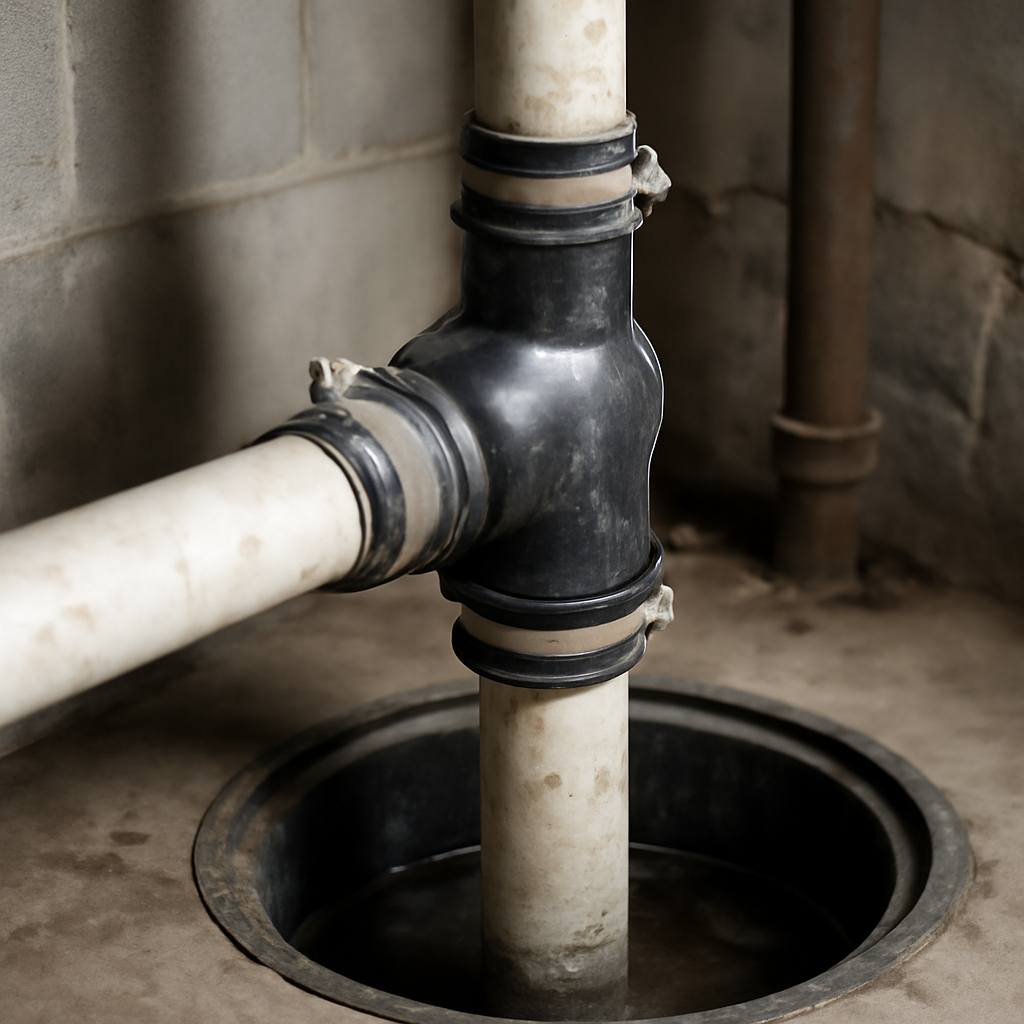
A sump pump only does half its job if the water it lifts out of the pit runs straight back in when the motor stops. On most installations, the part that prevents that is a sump pump check valve, a one-way valve on the discharge pipe that lets water flow up and out but not back down. It is a simple, inexpensive fitting, and it is also one of the most common sources of sump pump complaints, from a loud thunk every time the pump shuts off to a pump that runs far more often than it should. This guide explains what the valve does, how it should be installed and oriented, why some valves are noisy, the small weep hole some manufacturers call for, how Colorado winters affect discharge lines, and what homeowners and buyers should look for. Cost figures are hedged estimates for Front Range homeowners.
Part of our Crawl Space & Attic Guide guide — start there for the full picture →
What a Sump Pump Check Valve Does
When a sump pump runs, it pushes water up a vertical discharge pipe, through the rim joist or foundation wall and out to the yard. When the pump shuts off, the water still standing in that vertical pipe wants to fall back into the pit. Depending on the pipe diameter and height, that can be a meaningful volume of water.
Without a check valve, that water returns to the pit every cycle. The results include:
- Short cycling. Returning water raises the pit level again, which can trigger the float switch and restart the pump, sometimes within moments.
- Extra wear. More starts mean more heat and wear on the motor and switch, which can shorten pump life.
- Wasted pumping. The pump moves the same water repeatedly.
- Impeller spin-back. On some pumps, water rushing back down can spin the impeller backward.
A check valve holds the column of water in the discharge pipe after the pump stops, so the next cycle starts with only new water from the drain tile or groundwater. Most pump manufacturers call for one, and many pumps ship with one or list a recommended model in their instructions. A few installations, such as some short discharge runs or pumps with built-in check features, may not need a separate valve, but the manufacturer’s instructions should settle that question.
Check Valve vs Backflow Preventer
The terms get mixed up. A sump pump check valve keeps pumped water from falling back into the pit. It is not designed to stop sewage or storm water from entering the house through other drains. Backwater valves on sewer lines are a different device with a different purpose.
Common Types of Sump Pump Check Valves
Several designs show up on residential sump systems. They differ in noise, price and how easily they can be serviced.
- Swing check valves. A hinged flapper swings open with flow and falls shut when flow stops. They are inexpensive and common, but they are the type most associated with the loud thunk.
- Spring-loaded or silent check valves. A spring pushes a disc closed as flow slows, reducing slam and noise. They can add slight resistance to flow.
- Ball check valves. A ball seats against an opening when flow stops. These are used in some sump and effluent applications.
- Clear-body check valves. Some models use a transparent body so the flapper and any debris can be seen without disassembly, which simplifies troubleshooting.
- Union-style check valves. These include threaded unions on one or both ends, so the valve can be removed for cleaning by hand.
The right type depends on the pump, the discharge size and how much noise matters in the space above the pit.
Best Sump Pumps: our top 3 picks
| Product | Best for | Key features | Price | Buy |
|---|---|---|---|---|
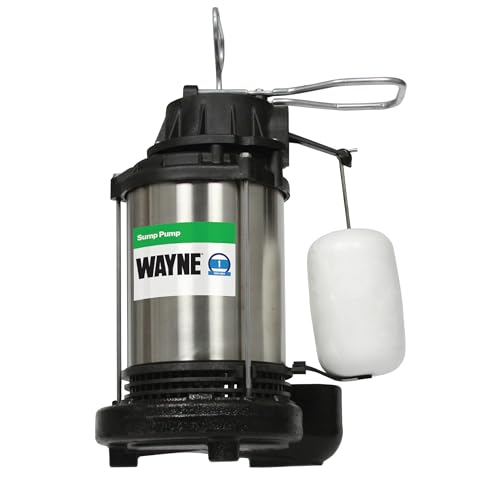
| Wayne CDU800 | Most basements |
| $179.99as of Nov 19, 2026 1:30 am GMT+0000 | Buy now →Check current price |
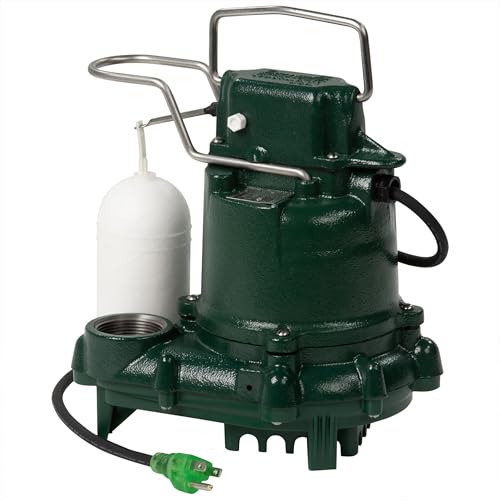
| Zoeller M53 Mighty-mate | Proven 1/3 HP cast iron pump |
| $202.41as of Nov 18, 2026 8:17 pm GMT+0000 | Buy now →Check current price |
| Wayne CDU1000 | Heavy inflow and high water tables |
| $254.00as of Nov 19, 2026 1:30 am GMT+0000 | Buy now →Check current price |

Prices are Amazon’s listed prices as of the time shown and change often; check Amazon for today’s price. As an Amazon Associate we earn from qualifying purchases.
Installation: Orientation, Height and Unions
Most check valves are marked with an arrow showing the direction of flow. The arrow must point away from the pump, in the direction water travels toward the outside. A valve installed backward will block the discharge entirely, which can overload the pump and leave the pit to overflow. It is a surprisingly common mistake.
Other installation details matter too:
- Position. The valve is usually installed on the vertical discharge pipe a short distance above the pump or just above the pit lid, where it can be reached for service. Many manufacturers specify a minimum or recommended height above the pump.
- Vertical vs horizontal. Some valves are designed for vertical installation only, while others can work in either orientation. The valve instructions should be followed.
- Size. The valve should match the pump’s discharge size, commonly 1-1/4 or 1-1/2 inches on residential pumps. Reducing the pipe size can restrict flow.
- Unions or rubber couplings. Many valves connect with rubber sleeves and hose clamps, which act like unions and let the valve or pump be removed without cutting pipe. A threaded union or a removable section near the pump makes future pump replacement much easier.
- Clamps tightened properly. Loose clamps on rubber couplings can leak or let the valve slip under pressure.
The Weep Hole Some Manufacturers Require
On some installations, the pump manufacturer calls for a small relief or weep hole drilled in the discharge pipe between the pump and the check valve, below the pit lid. Its purpose is to release trapped air that can cause an airlock, where the pump runs but cannot push water because air is caught between the impeller and the closed check valve. When the pump runs, a small stream of water sprays from the hole back into the pit, which is expected.
Not every pump requires a weep hole, and the size and location vary by manufacturer. Some pumps have a built-in air relief feature instead. Drilling one where it is not called for wastes a little pumping capacity, and omitting one where it is required can cause an airlock. The pump’s installation instructions are the deciding factor.
Noisy Check Valves and the Thunk
A standard swing check valve has a hinged flapper. When the pump stops, the water column falls back against the flapper and slams it shut, often producing a loud thunk or bang that travels through the pipe into the framing. In a finished basement or a bedroom above the pit, that noise can be disruptive, especially during heavy rain when the pump cycles frequently.
Quiet Check Valves
Quiet or silent check valves use a spring-loaded disc or flapper that closes before the water column reverses direction. Because the valve closes as flow slows rather than after water starts falling back, the slam is reduced or eliminated. Quiet valves typically cost somewhat more than basic swing valves but are a common upgrade.
Other Noise Sources
Not every noise comes from the valve. Discharge pipe that is not secured can bang against framing, and a pump that vibrates against the pit wall can hum loudly. Rubber isolation mounts and proper pipe straps help. A rattling or chattering valve can also indicate debris caught in the flapper.
When a Check Valve Fails
Check valves wear and clog like any other part. Common signs of trouble include:
- The pump turns on again shortly after shutting off even when there is little incoming water. Water draining back past a leaky valve is a likely cause.
- The sound of water rushing back into the pit after the pump stops.
- Water leaking from the valve body, couplings or clamps.
- No discharge outside while the pump runs, which can mean a stuck-closed valve, a backward valve or a blockage elsewhere.
- Visible debris or sediment at the valve when it is opened.
Debris, silt and small stones from the pit are frequent culprits, which is why pump intake screens and periodic pit cleaning matter. Our sump pump maintenance guide covers testing, cleaning and the warning signs that a pump is reaching the end of its life.
A pump that cycles constantly is not always a check valve issue. A float switch set too low or hung up on the pit wall can produce similar symptoms. Our guide to the sump pump float switch explains how to tell the difference. Short cycling can also simply reflect a small pit with heavy inflow.
Replacing a Worn Check Valve
Replacement is usually a straightforward job when the valve uses rubber couplings, though it involves a pit of dirty water and an electrical appliance. A typical sequence looks like this:
- Unplug the pump or switch off its circuit, and keep cords away from water.
- Place a bucket and towels nearby, because the water held above the valve will drain out when the couplings are loosened.
- Loosen the clamps and remove the old valve, noting the flow direction.
- Inspect the pipe ends and pump discharge for debris or cracks.
- Install the new valve with the arrow pointing away from the pump and tighten the clamps evenly.
- Restore power and run the pump by adding water to the pit, watching for leaks and confirming the valve closes when the pump stops.
Valves that are glued in place require cutting pipe, which is a good time to add unions for the future.
Ejector and Grinder Pumps Use Check Valves Too
Sewage ejector and grinder pumps in basement bathrooms also rely on check valves, along with a shutoff valve, but they handle sewage rather than groundwater and have different service needs. Our guides to the sewage ejector pump and grinder pump cover those systems.
Colorado Winters and Freezing Discharge Lines
Along the Front Range, freezing discharge lines are a seasonal concern. The check valve itself usually sits indoors, but it affects how the outside line behaves. Because the valve holds water in the vertical pipe inside the house, the exterior portion of the line beyond the rim joist should be sloped to drain completely after each cycle. Water that sits in a low spot outdoors can freeze solid, blocking the discharge.
When an outdoor line freezes, the pump may run without moving water, overheat or let the pit overflow. Common strategies include:
- Sloping the exterior discharge so it drains completely.
- Avoiding long runs of flexible corrugated hose that sag and hold water.
- Using a freeze-relief or overflow fitting outside the foundation that lets water escape if the line downstream is blocked.
- Discharging water far enough from the foundation that it does not return toward the basement or create ice on walkways.
- Disconnecting seasonal extensions in winter where local conditions allow.
Seasonal timing matters as well. Many Front Range sump pumps sit idle through dry stretches and then run hard during spring snowmelt, irrigation season or a string of summer storms. A check valve that has not moved in months can stick, so running the pump by adding a bucket of water to the pit before the wet season is a sensible habit. Homes in neighborhoods with a high seasonal water table may see pumps cycle for weeks at a time, which puts more wear on every part of the system, the valve included.
Local rules on where sump water may be discharged vary. Some municipalities restrict connections to sanitary sewers, so check with the local building department before rerouting a line.
Check Valves, Backup Pumps and the Bigger Picture
A check valve is one part of a sump system that also includes the pit, the pump, the float switch, the discharge line and, in many homes, a backup pump. Battery backup and water-powered backup pumps often share or tie into the same discharge pipe, and each pump typically needs its own check valve so that water from one pump does not circulate back through the other. Our guide to sump pump battery backup systems covers how those connections are commonly arranged.
For new installations or a full system replacement, our sump pump installation guide explains pit sizing, pump selection and discharge routing. And because a sump system is only one layer of moisture control, our guide to basement waterproofing covers grading, gutters, drain tile and interior systems that work together.
Why the Stakes Are High
A failed pump or blocked discharge can let groundwater rise into a finished basement quickly. EPA’s guidance on mold and moisture notes that drying water-damaged areas and items within 24 to 48 hours helps prevent mold growth, and that the key to mold control is moisture control. Insurance is another consideration. FEMA explains that basement coverage under the National Flood Insurance Program’s standard policy is limited, though it lists sump pumps among covered building items in a basement, and many basement improvements such as finished flooring and walls are excluded. Homeowners should review their own policies, since coverage terms vary.
Inspections and Costs
The American Society of Home Inspectors (ASHI) Standard of Practice lists sewage ejectors, sump pumps and related piping among the plumbing components inspectors are required to inspect. In practice, an inspector may note a missing check valve, a valve installed backward, leaking couplings, an unsecured discharge pipe, a discharge that ends too close to the foundation, signs of short cycling and the absence of a backup pump. Some inspectors run the pump by adding water to the pit when it is safe and practical to do so. For broader context on below-grade moisture, see our crawl space hub and the main crawl space insulation guide.
Electrical safety around the pit also deserves attention. The U.S. Consumer Product Safety Commission (CPSC) recommends GFCI protection in areas with higher shock risk and mentions unfinished basements among locations where the National Electrical Code requires GFCIs. Whether a sump pump circuit should be GFCI-protected depends on the code edition adopted locally, so a licensed electrician should make that call.
As hedged estimates for planning, not quotes:
- Basic swing check valves are often inexpensive, commonly in the range of a few tens of dollars.
- Quiet check valves generally cost more than basic valves.
- Professional check valve replacement often falls in the low hundreds of dollars, sometimes bundled with a pump service visit.
- Discharge line corrections for freeze protection or rerouting vary widely with length and access.
- Pump replacement with a new valve costs more, depending on the pump type and whether a backup system is added.
A sump pump check valve is a small part with an outsized effect on how hard the pump works, how loud the basement is and how long the system lasts.
More Questions About Sump Pump Check Valves
How long does a sump pump check valve last?
A sump pump check valve typically lasts several years, often around five to ten, depending on water quality, sediment and how often the pump cycles. Flapper and spring components wear out, and debris or iron ochre can prevent proper sealing.
Signs of failure include water flowing back into the pit after the pump stops, the pump cycling more frequently and new noises. Many homeowners replace the check valve when replacing the sump pump, since both are exposed to the same wear.
Can a bad check valve cause a sump pump to short cycle?
Yes, a failing check valve can cause a sump pump to short cycle. When the valve leaks, water in the discharge pipe drains back into the pit after the pump shuts off, raising the water level and triggering the pump again.
This repeated cycling wastes energy and wears out the pump and float switch faster. Watching the pit after the pump stops shows whether water flows back. Replacing the check valve usually solves the problem when the valve is the cause.
Should a sump pump check valve be installed vertically or horizontally?
Most sump pump check valves are installed in the vertical discharge pipe, a short distance above the pump, with the flow arrow pointing up and away from the pit. Many valves are designed to work in either vertical or horizontal positions, but the manufacturer’s instructions determine what is allowed.
Placing the check valve above the pit, where it can be reached, makes service easier. A union or rubber coupling on either side allows quick removal without cutting pipe.
Should a sump pump check valve be glued or clamped?
Sump pump check valves are often installed with rubber couplings and hose clamps rather than glued joints, which allows the valve and pump to be removed easily for service. Some valves have threaded or solvent-weld ends that can be glued.
Rubber couplings reduce vibration and noise but must be tightened properly to prevent leaks. Glued connections are permanent and more rigid, which can make future pump replacement more work. The valve manufacturer’s instructions should guide the choice.
References
- What Does Flood Insurance Cover in a Basement? — Federal Emergency Management Agency
- A Brief Guide to Mold, Moisture and Your Home — U.S. Environmental Protection Agency
- Home Electrical Safety Checklist (Publication 513) — U.S. Consumer Product Safety Commission
- ASHI Standard of Practice for Home Inspections — American Society of Home Inspectors
Frequently asked questions
Does a sump pump need a check valve?
Most installations do. Without one, water in the discharge pipe falls back into the pit each time the pump stops, which can cause short cycling and extra wear. The pump manufacturer's instructions state whether a check valve is required for that model.
Which way does a sump pump check valve go?
The arrow on the valve must point in the direction of flow, away from the pump and toward the outside discharge. A backward valve blocks the discharge, which can overload the pump and let the pit overflow.
Why does my sump pump make a loud thunk when it shuts off?
A standard swing check valve slams shut when the water column falls back against its flapper. Quiet check valves use a spring-loaded disc that closes before flow reverses, which reduces or eliminates the noise. Securing loose discharge pipe also helps.
What is the small hole in my sump pump discharge pipe?
Some manufacturers call for a weep or relief hole between the pump and the check valve to prevent airlock. A small spray back into the pit while the pump runs is normal. Only drill one if the pump instructions require it.
How much does it cost to replace a sump pump check valve?
A basic valve is often inexpensive, and quiet valves cost somewhat more. Professional replacement commonly falls in the low hundreds of dollars, depending on access and local labor rates.
Can a sump pump work without a check valve?
A sump pump can work without a check valve, but water in the discharge pipe will drain back into the pit after each cycle, causing extra cycling and wear. Some pump manufacturers require a check valve, while some installations with short discharge runs omit one.
Do check valves cause water hammer in sump lines?
Check valves can cause water hammer, a loud bang when the valve slams shut as water reverses direction. Quiet or spring-loaded check valves close before water gains speed, reducing the noise. Securing loose pipes also helps reduce vibration.
Is a clear check valve better than an opaque one?
Clear check valves allow homeowners to see whether the flapper is closing and whether debris is building up, which helps with troubleshooting. Opaque valves work just as well when properly installed. The quality of the flapper and seal matters more than visibility.
Buying a home with a finished basement or a busy sump pit? Reach out through our contact page and we can help you find an inspector who will check the pump, discharge piping and signs of past water intrusion.