Sump Pump Float Switch: Types, Stuck Floats and Testing
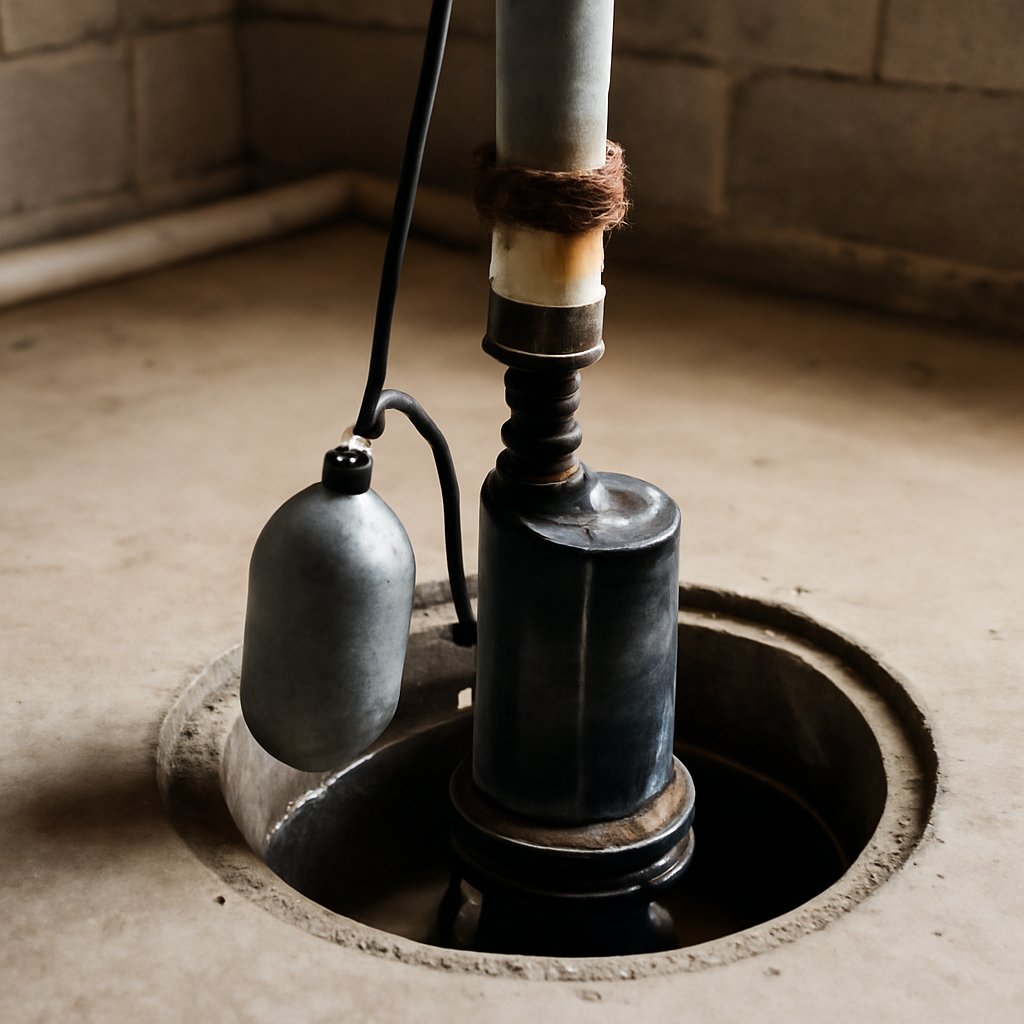
A sump pump is only as reliable as the part that tells it to turn on. The sump pump float switch senses the water level in the pit, starts the motor when water rises to a set point, and shuts it off once the pit is drawn down. When that switch hangs up, wears out or gets tangled, a perfectly good pump can sit idle while groundwater climbs over the rim of the basin and onto a finished basement floor. This guide explains the main types of float switches, the reasons floats stick, how to test a switch by filling the pit with water, what high-water alarms and backup pumps add, how the switch fits into broader basement and crawl space moisture control, and what repairs and replacements tend to cost along the Colorado Front Range.
Part of our Crawl Space & Attic Guide guide — start there for the full picture →
What a Sump Pump Float Switch Does
Water from foundation drains, under-slab gravel and perimeter drain tile collects in the sump basin, a plastic or concrete pit set into the basement or crawl space floor. The pump sits at the bottom of that pit. The switch is the control: it closes an electrical circuit when the water reaches the “on” level and opens it again at the “off” level. The distance between those two points is called the pumping range or differential. A wide differential means the pump runs less often but moves more water each cycle. A narrow differential means short, frequent cycles.
That balance matters. A switch that starts the pump too late lets water back up into the drain tile; an off point set too low lets the pump run dry and overheat; a switch that cycles every minute wears out both motor and contacts.
In Front Range homes, sump pits are common in basements built on expansive clay or in neighborhoods with a seasonally high water table, and they also show up in crawl spaces. Many pits stay dry for months and only see water during snowmelt or a soaking storm, which gives an idle switch plenty of time to stick or corrode. Our crawl space insulation and moisture control guide explains how sump systems fit into keeping below-grade spaces dry.
The Main Types of Float Switches
Sump pumps use several switch designs. Each has strengths and weaknesses, and the right choice depends largely on the size of the pit and the pump style.
Tethered Float Switches
A tethered switch is a sealed plastic float attached to the pump or discharge pipe by a short length of flexible cord. As the water rises, the float tips upward on its tether until an internal mechanism closes the circuit. When the water drops, the float hangs back down and the pump shuts off. Tethered floats usually allow a wide pumping range, which keeps cycling down. The tradeoff is space: the float swings in an arc, so it needs a wide pit. In a narrow basin, a tethered float can catch on the pit wall, the discharge pipe or the pump cord and stay stuck in either position.
Vertical Float Switches
A vertical switch uses a float that rides up and down on a fixed rod, often mounted directly on the pump. Stops or collars on the rod set the on and off levels. Because the float travels straight up and down, vertical switches work well in narrow pits where a tethered float would hit the walls. Their pumping range is typically shorter, so the pump may cycle more often. The rod can also collect silt, mineral scale or iron bacteria slime, which makes the float drag or hang.
Diaphragm Pressure Switches
Diaphragm switches have no visible float. A flexible membrane inside a sealed housing, usually near the base of the pump, senses the water pressure above it. As water depth increases, pressure pushes the diaphragm and closes the switch. These units are compact and have no moving float to tangle, which makes them attractive for tight pits. On the downside, sediment can build up around the sensing area, and the diaphragm itself can stiffen or crack with age. A diaphragm switch is generally sealed into the pump, so a failure often means replacing the whole pump rather than just the switch.
Electronic Switches
Electronic switches use solid-state sensors, often probes that detect water by conductivity or by a change in capacitance, to decide when to run the pump. There are no floats or mechanical contacts to wear. Many include a built-in alarm or test button. They depend on clean sensors: minerals or slime on the probes can cause missed starts, and electronics can be sensitive to power surges.
Why Sump Pump Floats Get Stuck
Most switch failures come down to a short list of causes. Knowing them makes it easier to spot trouble before the next storm.
- Pit too small for the switch: a tethered float in an undersized or crowded basin can wedge against the wall. A pump that has shifted off center makes this worse.
- Debris in the basin: gravel, silt, construction scraps, kids’ toys and even small animals end up in open pits. Anything that lands on top of or beside a float can pin it.
- Cord tangles: the pump power cord, the float tether and a backup pump’s switch cord can wrap around each other. Zip-tying cords neatly to the discharge pipe, without restricting the float’s movement, helps.
- Mineral scale and iron bacteria: hard groundwater and some soils leave crusty deposits or orange slime on rods, floats and probes.
- Waterlogged floats: a cracked float can fill with water and stop rising at all.
- Worn contacts or switch mechanisms: after years of cycling, the internal contacts can burn or the mechanism can wear, even though the float itself moves freely.
- Poorly placed backup equipment: a battery backup pump or alarm installed too close to the primary float can interfere with it.
A stuck-on float is just as much of a problem as a stuck-off one: the pump runs continuously, even with an empty pit, and burns out its motor. A pump humming for long stretches with little water in the pit is a sign to check the switch.
A missing or failed check valve can also make a switch look faulty. Without a working valve, water in the discharge pipe falls back into the pit each time the pump stops, refilling the basin and triggering extra cycles. Our guide to the sump pump check valve covers that part, including the familiar thump when it closes.
How to Test a Float Switch by Filling the Pit
The simplest and most realistic test is to add water until the switch should trip. It mirrors what happens during a storm without waiting for one. Homeowners can do this with a bucket or a garden hose, and it is worth repeating a few times a year, especially before spring snowmelt and the summer thunderstorm season.
- Look before adding water. Remove the pit lid, use a flashlight, and check for debris, tangled cords and anything touching the float. Confirm that the pump is plugged into a working outlet, ideally one protected by a ground-fault circuit interrupter as local code requires.
- Pour water slowly. Use a 5-gallon bucket or a hose. Watch the float rise. Note the water level when the pump starts.
- Watch the pump cycle. The pump should start cleanly, pull the level down steadily, and shut off when the float drops to the off point. Listen for unusual grinding, rattling or a pump that hums without moving water.
- Check the discharge. If possible, have someone confirm that water is leaving the outside discharge pipe. Frozen, crushed or clogged discharge lines are a common winter problem in Colorado. The discharge should also go outdoors, not into a laundry sink or floor drain; the EPA lists sump pump connections among the inappropriate connections that can overload a sanitary sewer.
- Test the off point. The pump should not keep running after the water is drawn down. If it does, the float may be hung up or the switch may be failing.
- Repeat once or twice. A switch that trips on the first fill but sticks on the second is not reliable.
Lifting the float by hand is a quick secondary check, but filling the pit is the better test. Unplug the pump before reaching into the basin, and leave the work to a plumber if working near water and electricity is uncomfortable.
For a broader checklist that covers the impeller, inlet screen, discharge line and pit cleaning, see our guide to sump pump maintenance.
High-Water Alarms and Leak Sensors
A high-water alarm is a separate float or probe set a few inches above the pump’s normal on level. If water reaches it, the alarm sounds, and with a connected model it can also send a phone notification. The alarm does not pump water; it simply announces that something has gone wrong: a stuck switch, a dead motor, a tripped breaker, a clogged discharge or a storm that is outpacing the pump.
Alarms are inexpensive compared with the cost of a flooded basement, and they matter most in homes where the basement is finished or where nobody is home for long stretches. Battery-powered alarms keep working during a power outage, which is often exactly when a primary pump stops. A smart water sensor placed on the floor beside the pit adds another layer of warning. Our guide to the water leak detector compares standalone sensors, connected models and whole-house shutoff systems.
Mount the alarm sensor where it cannot tangle with the primary float, and test it by filling the pit, with the primary pump unplugged, until it sounds.
Backup Pumps and Redundant Switches
Because a single switch is a single point of failure, many homeowners add a second line of defense. The common options include:
- Battery backup pump: a second pump, set slightly higher in the pit, with its own float switch and a deep-cycle or sealed battery. It runs if the primary pump fails or the power goes out.
- Water-powered backup: uses municipal water pressure to pull water from the pit; it needs adequate pressure and backflow protection, and local rules vary.
- Dual-switch or dual-pump systems: some setups use two AC pumps or a controller that alternates between pumps, with independent switches for each.
The CDC’s flood-preparedness guidance lists buying and installing sump pumps with backup power among the steps for getting a home ready for a flood. For a closer look at battery sizing, charger types and maintenance, see our guide to the sump pump battery backup.
A backup pump’s switch deserves the same care as the primary. It should be set so the backup starts only after the primary should have started, and it should be tested regularly. Batteries and their terminals need periodic inspection; a backup that has been sitting on a dead battery provides only false comfort.
Choosing a Replacement Float Switch
When a switch fails, the options are to replace only the switch, replace the pump with an integrated switch, or upgrade to a different switch type. A few practical questions guide the decision.
- Pit diameter: tethered floats need room to swing. A narrow pit usually calls for a vertical, diaphragm or electronic switch.
- Pump age: if the pump is near the end of its expected life, replacing the whole unit may be more sensible than putting a new switch on a worn motor.
- Inflow rate: a pit that fills quickly during storms benefits from a switch with a wider range to reduce cycling, and a pump sized for the inflow.
- Electrical rating: the switch must be rated for the pump’s horsepower and amperage.
A sealed, fitted lid keeps debris out of the pit and helps limit moisture and soil gas entering the basement, which is a consideration for Colorado homes that also manage radon. Our guide to sump pump installation covers pit sizing, lids, discharge routing and pump selection.
Float Switches in Crawl Spaces and Finished Basements
Sump pits in crawl spaces get less attention than basement pits because nobody walks past them. A switch failure there may not show up until the vapor barrier is floating, insulation is wet and odors creep into the living space. Pits in crawl spaces benefit from high-water alarms with remote notification, sealed lids, and a quick check during any crawl space visit. Our crawl space hub covers encapsulation, vapor barriers and moisture control that work alongside a sump system.
In finished basements, keep storage away from the pit so the lid can be lifted for testing, and consider a backup pump and alarm before carpet and drywall go in. Our guide to basement waterproofing explains how drain tile, sump pumps and exterior grading work together.
Insurance and Flood Coverage Considerations
A sump failure often leads to an insurance question. According to FEMA, most homeowners insurance does not cover flood damage, and flood insurance through the National Flood Insurance Program is a separate policy that can cover the building, its contents or both. FEMA also notes there is typically a 30-day waiting period before a new NFIP policy takes effect, with some exceptions. Water damage from a failed sump pump or a sewer backup may be handled differently from flood damage, and coverage often depends on optional endorsements. Homeowners should read their policy and ask their agent specifically about sump pump failure and water backup coverage, along with any limits on basement contents.
What Float Switch Repairs Typically Cost
Prices vary with the switch type, pump model, access and local labor rates, and Front Range costs differ between metro Denver, Colorado Springs, northern Colorado and mountain communities. The ranges below are general planning estimates, not quotes.
- Replacement float switch (part only): often in the range of a modest hardware purchase for a basic tethered or vertical switch, more for electronic controllers with alarms.
- Plumber replacing a switch: commonly a standard service-call charge plus parts.
- New pump with integrated switch, installed: commonly several hundred dollars, more for higher-capacity pumps or difficult access.
- High-water alarm: standalone models are generally inexpensive; connected models with phone alerts cost more.
- Battery backup system, installed: often several hundred to over a thousand dollars depending on the pump, battery and controller.
Ask whether quotes include a new check valve, a lid and a post-install test.
Sump Pumps in a Home Inspection
The ASHI Standard of Practice lists sewage ejectors, sump pumps and related piping among the plumbing components a home inspector inspects. In practice, an inspector will typically look at the pit, the pump, the discharge line and the visible switch, and may run the pump by adding water when it is safe to do so. An inspection is a visual snapshot; it cannot predict when a switch will fail. Buyers should ask the seller about pump age, past water events and any backup equipment. If the report notes a dry pit, a stuck float or a missing lid, that is a good item to address before the next wet season.
References
- ASHI Standard of Practice for Home Inspections — American Society of Home Inspectors
- Preparing for Floods — Centers for Disease Control and Prevention
- Flood Insurance — Federal Emergency Management Agency
- Sanitary Sewer Overflow (SSO) Frequent Questions — U.S. Environmental Protection Agency
Frequently asked questions
How do I know if my sump pump float switch is bad?
Common signs include a pump that does not start until the water is very high, a pump that runs constantly with little water in the pit, rapid on-off cycling, or a pump that only starts after the float is jiggled. Filling the pit with water is the most reliable test.
How often should a sump pump float switch be tested?
Testing a few times a year is a reasonable habit, with checks before spring snowmelt and the summer storm season. Pour water into the pit until the pump starts, then confirm it shuts off at the low point.
Which float switch is best for a small sump pit?
Narrow pits usually do better with a vertical, diaphragm or electronic switch, because a tethered float needs room to swing and can catch on the pit wall or discharge pipe.
Can a float switch be replaced without replacing the pump?
Often yes, especially with piggyback-plug switches or external vertical switches. Diaphragm switches built into the pump usually mean replacing the whole pump. Pump age also factors into the decision.
Should a sump pump have a high-water alarm?
An alarm is a low-cost way to learn that the pump, switch or discharge has failed before water reaches the floor. It is especially useful in finished basements, crawl spaces and homes left empty for long periods.
Wondering whether the sump pit in a home you are buying is ready for spring snowmelt? Reach out to our team and we can help you find an inspector who will check the pump, switch and discharge.