Grinder Pump: How It Works, Alarms and What Not to Flush
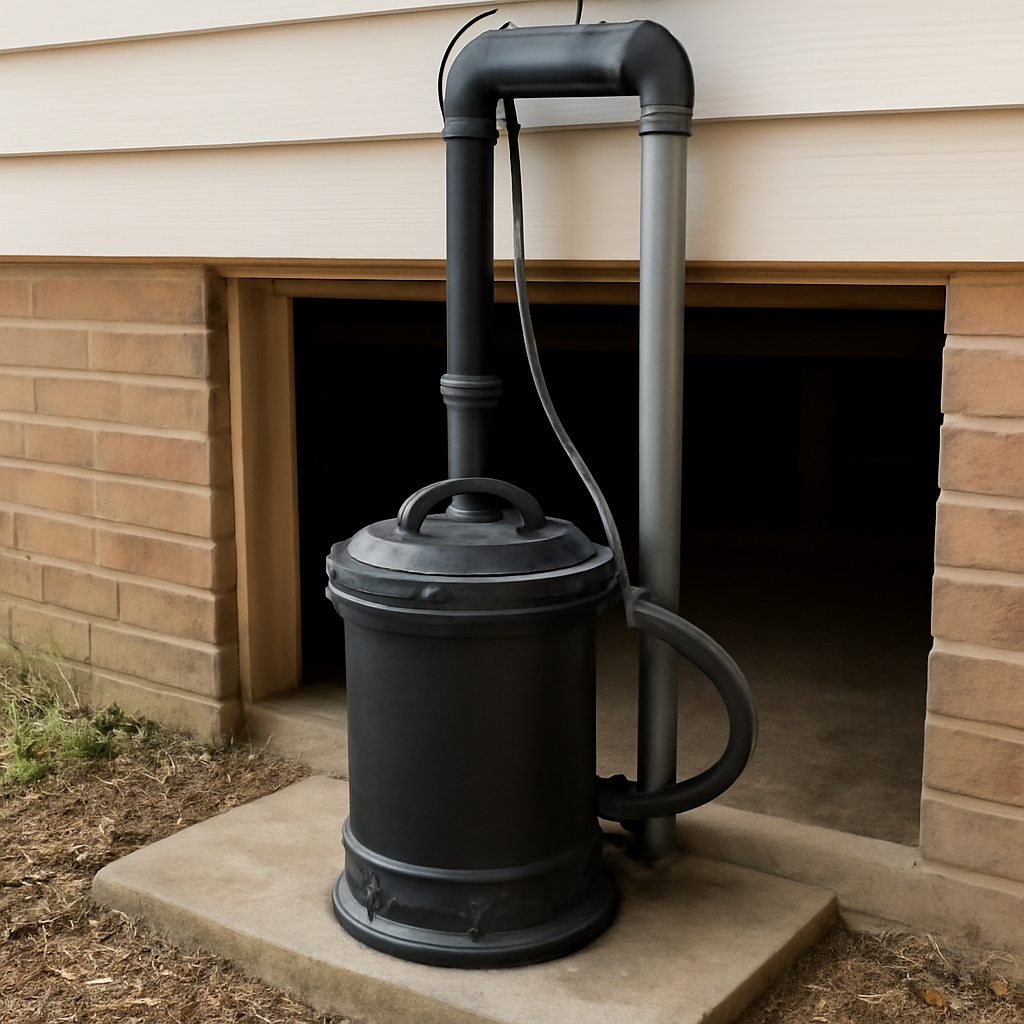
Most homes send wastewater to the sewer main by gravity. Where the terrain, rock or distance makes a gravity sewer impractical, some communities use a different approach: each home gets a small pump station that grinds solids into a slurry and pushes it through a narrow pressure pipe. That station is a grinder pump. Homeowners often notice it only as a green or gray lid in the yard, a control panel on the side of the house, and an alarm light that seems to come on at the worst possible time. Because the system depends on electricity and on what goes down the drain, a grinder pump changes how a household should think about power outages, wipes and grease. This guide explains how grinder pumps work and how they differ from ejector pumps, who typically owns and maintains them, what alarms mean, what not to flush, how they relate to septic systems and sewer scope inspections, and what repairs and replacements tend to cost on the Colorado Front Range and in nearby mountain communities.
Part of our Plumbing & Water guide — start there for the full picture →
How a Grinder Pump Works
A residential grinder pump station has a few main parts: a buried tank or basin, often made of fiberglass or polyethylene; a pump with a cutting mechanism at its inlet; level sensors; a check valve; a discharge line; and an electrical control panel with an alarm. All the home’s wastewater flows by gravity from the building drain into the tank. When the level rises to a set point, the pump starts. Rotating cutters at the inlet chop solids into small particles, and the pump pushes the resulting slurry through a small-diameter discharge pipe, often an inch and a quarter to two inches, into a pressurized sewer main or up to a gravity line.
Because the pipe is small and under pressure, grinder pumps can move wastewater uphill, over long distances and through hilly or rocky ground where trenching a deep gravity sewer would be costly. That makes them common in lakeside developments, foothill subdivisions, areas with shallow bedrock, and neighborhoods that were converted from septic to sewer.
Grinder Pump Versus Ejector Pump
The two are often confused because both pump sewage. The differences are practical:
- Solids handling: an ejector pump passes solids whole, usually up to a couple of inches across. A grinder pump cuts solids into a fine slurry first.
- Pressure and pipe size: ejectors typically push moderate volumes a short distance up to a nearby gravity drain through a larger pipe. Grinders produce higher pressure and can push through a smaller pipe over longer distances, including into a pressure sewer.
- Typical use: ejectors usually serve basement fixtures below the building drain. Grinders often serve the whole house, especially in low-pressure sewer systems.
- Maintenance sensitivity: grinder cutters can be damaged or jammed by materials an ejector might pass, such as fibrous wipes wrapping the cutters.
Some basement bathrooms use a grinder pump instead of an ejector when the discharge must travel a long way or through a small pipe. Our guide to the sewage ejector pump covers basement basins, venting and alarms in more detail.
Low-Pressure Sewer Systems and Who Owns the Pump
In a low-pressure sewer system, each home’s grinder pump feeds a shared pressure main. The arrangement can be simple or complicated depending on how the community set it up. Ownership and maintenance responsibility vary:
- Utility-owned pumps: some sewer districts own the pump, tank and controls, maintain them and replace failed units, while the homeowner provides electricity and access. An easement may give the district the right to work on the station.
- Homeowner-owned pumps: in other places, the homeowner owns the entire station from the house to the property line or main, and pays for repairs.
- Split arrangements: the district may own the pump while the homeowner owns the tank, control panel or wiring, or the district may provide service under a fee.
- HOA or metro district involvement: in some Colorado subdivisions, the homeowners association or metropolitan district plays a role.
Because these rules differ so much, anyone buying a home with a grinder pump should confirm, in writing if possible, who owns the pump, who services it, whether there is a service contract or fee, whom to call when the alarm sounds, and whether any warranty applies. Local sewer district rules, plats and HOA documents are the usual sources. Sellers can often provide service records and the phone number the previous owner used.
Alarms and Power Outages
Grinder pump stations include a high-level alarm, usually a red light on the control panel and a buzzer. The alarm means the wastewater level in the tank has risen above normal. Common causes include:
- A jammed cutter or impeller, often from wipes, rags or grease.
- A tripped breaker or a power interruption.
- A failed float or level sensor.
- A blockage or frozen section in the discharge line.
- Heavy water use, such as several loads of laundry, temporarily exceeding the pump’s rate.
- Groundwater or stormwater infiltration into the tank.
When the alarm sounds, the usual first steps are to reduce water use immediately, check the breakers for the pump and alarm, and call the responsible party, either the utility or a qualified service company. Many panels have a silence button for the buzzer, but the light should remain on until the problem is resolved. Tanks typically hold some reserve capacity above the alarm level, but that reserve can be used up quickly by a shower, dishwasher or washing machine.
Power outages are the other big concern. Without electricity, the pump cannot run and wastewater collects in the tank. During an outage, households with grinder pumps should minimize water use: avoid laundry, dishwashers and long showers, and limit toilet flushing. When power returns, the pump usually catches up on its own; if the alarm stays on, call for service. Some homeowners install a generator inlet or transfer switch rated for the pump, but the electrical work should be done by a licensed electrician and coordinated with the utility if it owns the pump. The EPA’s sanitary sewer overflow FAQ lists inadequate pump maintenance and lack of backup power among the problems that can cause sewer overflows.
Freezing and Cold-Weather Concerns
Front Range and mountain winters can freeze shallow discharge lines, especially where the pipe runs above the frost line, crosses a driveway or sits near a slope that loses snow cover. Freeze-ups can cause alarms or pressure problems. Keeping the station lid clear of deep snow drifts, so it can be accessed, and avoiding heavy equipment over the discharge line help. Problems that repeat each winter may point to a line that needs to be lowered or insulated.
What Not to Flush Into a Grinder Pump
Grinder cutters handle human waste and toilet paper. Many other materials either wrap around the cutters, dull them, jam the pump or build up as grease mats in the tank. The EPA’s sanitary sewer overflow FAQ specifically lists fats, oils and grease, and some household products including some marked flushable, such as baby wipes, facial wipes, sanitary pads and tampons, as materials that may create blockages. The EPA’s septic care guidance offers a similar never-flush list that applies just as well to grinder stations. Items to keep out of the drain include:
- Wet wipes, baby wipes and cleaning wipes, including those labeled flushable.
- Paper towels, tissues and napkins.
- Feminine hygiene products, condoms and diapers.
- Dental floss and hair, which wrap around cutters.
- Cooking grease, fats and oils.
- Coffee grounds and cat litter.
- Cigarette butts and pharmaceuticals.
- Household chemicals, paint and solvents.
Garbage disposals add food solids and fats to the tank. Many grinder pump owners limit disposal use or scrape plates into the trash. A small trash can in each bathroom makes it easier for guests to avoid flushing the wrong things.
Maintenance and Service
Grinder pumps are not maintenance-free, but much of the upkeep is simple observation:
- Know the alarm: test the alarm if the panel has a test button, and make sure everyone in the house knows what the light and buzzer mean.
- Keep access clear: do not bury the lid, build a deck over it or plant shrubs on top of it. Service crews need to lift the pump out.
- Watch for changes: unusual noise, frequent cycling, odors near the tank or slow drains are worth reporting.
- Protect the electrical panel: keep the panel door closed and sealed against moisture and insects.
- Keep records: note service visits, alarms and repairs.
Professional service intervals vary by manufacturer and utility. Some pumps run for many years without major repair, while others need cutter or seal work sooner, especially in homes that send wipes or grease down the drain. Where the homeowner owns the pump, a service contract with a company familiar with the brand can be useful. The EPA’s septic care guidance notes that alternative septic systems with electrical float switches, pumps or other mechanical components should generally be inspected more often, about once a year, which is a reasonable benchmark for any home pump station as well.
Because the tank holds raw sewage, opening it and pulling the pump is a job for trained service personnel. OSHA describes hydrogen sulfide, also called sewer gas, as a gas with a rotten-egg odor at low concentrations that is heavier than air and can collect in low-lying and enclosed spaces such as sewers and manholes, and it notes that effects range from headaches and eye irritation up to unconsciousness and death at high exposures. Homeowners should not lean into or climb into an open tank, and the pump and controls carry electrical hazards as well. A persistent sewage odor near the station lid or vent is worth reporting to whoever services the pump.
Signs a Grinder Pump Needs Attention
Alarms are the clearest signal, but grinder stations often give earlier hints that something is wearing out. Watch for:
- Longer run times: a pump that runs noticeably longer per cycle than it used to may have worn cutters, a partially closed valve or a restriction in the discharge line.
- Frequent short cycles: rapid on-off cycling can point to a sticking level sensor or a check valve that lets slurry drain back into the tank.
- New noises: grinding, rattling or a high-pitched whine that was not there before often means debris in the cutters or failing bearings.
- Gurgling fixtures or slow drains: if the tank is filling faster than the pump can empty it, the lowest fixtures in the house tend to show it first.
- Breaker trips: a pump that repeatedly trips its breaker may be drawing excess current from a jam or electrical fault.
- Wet or sunken ground: soggy soil, odors or settling around the tank or along the discharge route can indicate a leak.
Reporting these changes early usually costs less than waiting for an alarm in the middle of the night, and in utility-owned systems it may simply mean a scheduled service visit rather than an emergency call.
Grinder Pumps and Septic Systems
Grinder pumps appear in several septic-related setups. Some homes with septic tanks use a pump to send effluent uphill to a drainfield or mound. Others were once on septic and were later connected to a pressure sewer using a grinder pump station, sometimes with the old septic tank abandoned or repurposed. Systems that pump effluent from a septic tank usually use an effluent pump rather than a grinder, since solids have already settled in the tank.
Buyers of rural or foothill properties should find out exactly what kind of system serves the home: a gravity septic system, a septic system with a pump, a mound, a pressure sewer with a grinder pump, or a conventional gravity sewer. Each needs a different kind of evaluation. Our guide to septic tank inspection covers how septic evaluations work and what they include.
Sewer Scope Limits With Grinder Pumps
A sewer scope inspection sends a camera down the gravity drain to look for cracks, roots, bellies and separated joints. In a home with a grinder pump, the camera can usually inspect the gravity line from the house to the pump tank, but not beyond it. The small-diameter pressure line after the pump is not built for camera access, and the pump station itself is not something a scope can evaluate. Buyers should treat the sewer scope as covering only the upstream portion of the system and arrange a separate evaluation of the pump station, either by the utility or a qualified service company. Our guide to home inspection sewer scope explains what the camera can and cannot show.
A standard home inspection has its own limits. The ASHI Standard of Practice states that inspectors are not required to inspect septic and other sewage disposal systems, or to determine whether water supply and sewage disposal are public or private. In practice, many home inspectors note the presence of a grinder pump panel and alarm but defer the pump station to a specialist.
What Grinder Pump Work Typically Costs
Costs depend on whether the utility or the homeowner is responsible, the pump brand, tank depth, access and local labor rates. These ranges are general planning estimates, not quotes.
- Service call for an alarm: commonly a standard service fee, more after hours or on weekends.
- Pump repair or cutter replacement: often several hundred dollars or more, depending on parts.
- Pump replacement: commonly a few thousand dollars, depending on the brand and whether the controls are also replaced.
- Complete new station: often several thousand dollars or more with excavation, tank, pump, panel and electrical work.
- Utility-owned systems: repair costs may be covered, but the homeowner may pay a monthly fee or charges for damage caused by improper flushing.
Confirming ownership before calling a contractor can prevent paying for work the utility would have done.
Buying a Home With a Grinder Pump
A grinder pump should not scare buyers away, but it does warrant a few extra questions during the contract period: who owns it, how old it is, its service history, whether alarms have been frequent, and whether there is a backup power plan. For guidance on lining up inspections and specialists, see our guide to hiring a home inspector and the plumbing and water hub.
References
- Sanitary Sewer Overflow (SSO) Frequent Questions — U.S. Environmental Protection Agency
- How to Care for Your Septic System — U.S. Environmental Protection Agency
- ASHI Standard of Practice for Home Inspections — American Society of Home Inspectors
- Hydrogen Sulfide — Occupational Safety and Health Administration
Frequently asked questions
What does a grinder pump do?
It collects a home's wastewater in a tank, cuts solids into a fine slurry with rotating cutters, and pumps the slurry through a small pressure pipe to a sewer main. It is used where gravity sewers are impractical.
What should I do when the grinder pump alarm goes off?
Cut back on water use right away, check the breakers for the pump and alarm, and call the responsible party, either the sewer utility or a service company. The tank has limited reserve space above the alarm level.
Who is responsible for a grinder pump, the homeowner or the utility?
It depends on the community. Some sewer districts own and maintain the pump, others leave it entirely to the homeowner, and some split responsibility. Local district rules, HOA documents and the seller can clarify.
Can you flush wipes with a grinder pump?
It is best not to. Wipes, including those labeled flushable, can wrap around the cutters and jam the pump. The EPA lists wipes and grease among materials that can cause sewer blockages.
Will a sewer scope inspect a grinder pump?
No. A camera can usually inspect the gravity drain from the house to the pump tank, but not the pump or the small pressure line beyond it. The pump station needs a separate evaluation.
Looking at a foothill home with a grinder pump station in the yard? Send us a note and we can help you sort out which inspections and specialists to line up before closing.