How Often to Change a Water Filter: Intervals by Type

How often you change a water filter depends on the type: pitcher cartridges are commonly replaced every couple of months, faucet filters every few months, under-sink and shower cartridges roughly every six to twelve months, and reverse osmosis membranes only every few years. Every filter is rated for a certain amount of time or a certain number of gallons, and the rule that matters is simple: follow the manufacturer’s rating for your exact cartridge and replace it at whichever limit you hit first. Neglected filters do more than stop working; federal health guidance notes that filters must be maintained to keep germs from growing in them.
Part of our Plumbing & Water guide — start there for the full picture →
This guide lays out typical intervals for every common household filter, explains why both the time and gallon limits exist, covers the signs that a filter is overdue, and adds a short contrast section on furnace and air purifier filters, which follow different rules. It summarizes general guidance as of 2026. The label, the owner’s manual and the certification listing for your specific product take priority over any typical range here.
Quick Reference: Typical Replacement Intervals by Filter Type
The ranges below are typical patterns across common products. They are not specifications for any one brand, and heavy use, sediment or poor source water can shorten them considerably.
| Filter type | Typical replacement interval | What usually drives it |
|---|---|---|
| Pitcher or dispenser cartridge | About every 2 months for standard cartridges; longer-life cartridges often rated for several months | Small carbon volume; gallon rating is usually reached quickly |
| Faucet-mount filter | Often about every 3 months | Gallon rating and flow through a small cartridge |
| Refrigerator filter | Commonly about every 6 months | Time limit or gallon rating, whichever comes first |
| Under-sink carbon cartridge | Typically every 6 to 12 months | Larger carbon block with a higher gallon rating |
| Reverse osmosis pre-filters (sediment and carbon) | Typically every 6 to 12 months | Protecting the membrane from sediment and chlorine |
| Reverse osmosis membrane | Typically every 2 to 5 years | Pre-filter care, water hardness and total dissolved solids |
| Reverse osmosis post-filter | Typically about once a year | Taste polishing; often changed with the pre-filters |
| Whole-house sediment cartridge | Anywhere from 1 to 6 months or more | How much sediment the supply carries; pressure drop |
| Whole-house carbon cartridge | Typically 6 to 12 months for cartridge housings; backwashing carbon tanks last years between media changes | Gallon rating and chlorine load |
| Shower filter | Commonly about every 6 months | Hot water and high flow wear media faster |
| Well and iron filters (backwashing tanks) | Media typically lasts several years; regeneration and service on the maker’s schedule | Iron, manganese and hydrogen sulfide load |
| UV lamp on a well system | Typically about once a year | Lamp output fades even while it still glows |
If you are still deciding what kind of filter you need, our guide on how to choose a water filter walks through testing, certifications and filter types before you commit to a maintenance schedule.
Why Water Filters Have a Shelf Life
Most household drinking water filters use activated carbon. Carbon traps chlorine, many organic chemicals and, in certified models, lead and other contaminants by adsorption: the contaminants cling to a huge internal surface area. That capacity eventually fills. The U.S. Environmental Protection Agency’s Home Drinking Water Filtration Fact Sheet says all units require some maintenance and that it is important to follow the manufacturer’s recommendations for replacement. EPA’s example is direct: activated carbon filters are designed to filter a certain amount of water, and after that the filters become clogged and ineffective. EPA also notes that carbon filters have a specified shelf life and should be replaced regularly according to the manufacturer’s instructions.
There is a microbial reason as well. A filter collects organic material, sits wet between uses and, if it is carbon, removes the chlorine your utility adds to keep germs from growing in pipes. The Centers for Disease Control and Prevention’s guidance on choosing home water filters says you will need to maintain any filter you use to keep it working properly and prevent germs from growing in it, including regularly changing filters according to the manufacturer’s recommendations. The same CDC page cautions that a whole-home filter that removes chlorine or other disinfectants can allow more germs to grow in your plumbing. That is why a lightly used filter still has an expiration date.
Time limits versus gallon limits
Most cartridges carry two numbers: a time interval and a rated capacity in gallons. The gallon figure usually comes from certification testing, and the reduction claims on the box apply only up to that capacity. The time figure accounts for stagnation and microbial growth. Use whichever comes first. A two-person household may never reach the gallon rating on an under-sink filter before the time limit, while a large family can exhaust a pitcher cartridge in weeks.
Best Water Filters: our top 3 picks
| Product | Best for | Key features | Price | Buy |
|---|---|---|---|---|
| DREO countertop RO 112 | Best overall for broad reduction |
| $152.99as of October 18, 2026 | Buy now →Check current price |
| Waterdrop PT-07B pitcher | Best pitcher |
| $17.99as of October 18, 2026 | Buy now →Check current price |
| iSpring WGB21B | Best whole-house filter |
| $155.99as of October 18, 2026 | Buy now →Check current price |
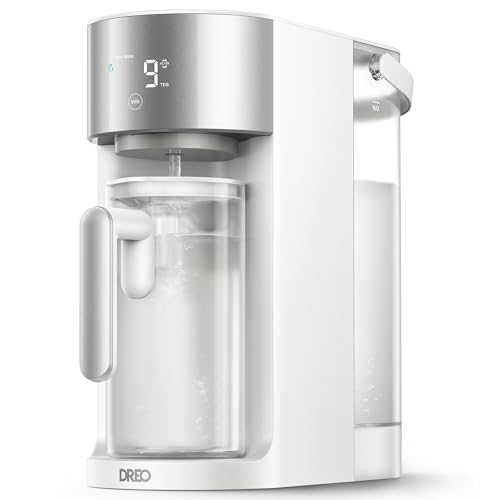

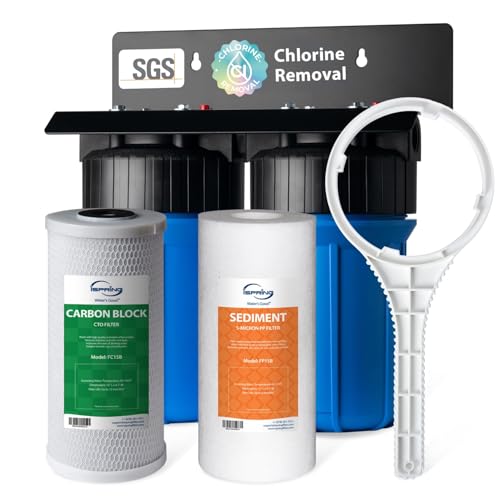
Prices are Amazon’s listed prices as of the time shown and change often; check Amazon for today’s price. As an Amazon Associate we earn from qualifying purchases.
Drinking Water Filters: Pitcher, Faucet and Under-Sink
Pitcher and dispenser filters
Pitcher filters contain a small amount of carbon and resin, so they have the shortest life of any common filter. Standard cartridges are commonly rated for roughly two months of typical use, and many pitchers have a simple timer indicator or a sticker dial to track the date. Longer-life cartridges with a higher gallon rating are available for some models. Signs it is time: the filter drips noticeably slower, the chlorine taste returns, or the reservoir develops a film or odor. Wash the pitcher body and lid by hand when you change the cartridge. If you are shopping, see our picks in the best water filter pitcher roundup.
Faucet-mount filters
Faucet filters push full tap pressure through a small cartridge, so they are often rated for a modest number of gallons, commonly about three months of use for a typical household. Most have a light or gauge that counts water through the filter. Slow flow and taste changes are the common signals. Avoid running hot water through a faucet filter unless the maker allows it; hot water can damage carbon media and release trapped contaminants.
Under-sink filters
Under-sink systems use larger carbon blocks or multi-stage cartridges and usually last longer, often six to twelve months, with gallon ratings from several hundred into the thousands depending on design. Because they are out of sight, they are the filters most often forgotten. A dated label on the housing and a calendar reminder solve most of that. Our best under-sink water filter roundup covers models with easy twist-off cartridges and published replacement schedules.
Reverse Osmosis: Each Stage Has Its Own Schedule
A reverse osmosis system is really several filters in a row, and each stage wears out at a different pace. CDC describes reverse osmosis as pushing water through a membrane with very small pores, often with additional filters before and after the membrane. Typical maintenance looks like this:
- Sediment pre-filter: typically every 6 to 12 months, sooner on water with visible sediment. It protects everything downstream from clogging.
- Carbon pre-filter or filters: typically every 6 to 12 months. Many membranes are damaged by chlorine, so an exhausted carbon pre-filter can shorten membrane life.
- RO membrane: typically every 2 to 5 years. Hard water, high dissolved solids and neglected pre-filters push it toward the short end. A noticeable drop in production or a rise in total dissolved solids readings in the product water, checked with an inexpensive meter, suggests the membrane is fading.
- Post-filter (polishing carbon): typically about once a year, often swapped at the same time as the pre-filters.
- Remineralization or alkaline cartridge, if fitted: usually on a similar six-to-twelve-month cycle; check the label.
When changing RO stages, many makers also recommend sanitizing the housings and storage tank, and checking the tank’s air pressure while it is empty. Our best reverse osmosis system roundup compares systems on how easy the cartridges are to change and what replacement sets typically cost.
Whole-House, Shower and Well Filters
Whole-house sediment filters
A sediment cartridge at the main water line has the most variable life of any filter. On clean municipal water it may last many months; on a well with sand or after a water main break it can clog in weeks. The most reliable signal is pressure. Many installers put a pressure gauge on each side of the housing, and a growing difference between the two readings, or noticeably weaker showers throughout the house, means the cartridge is loading up. A clear housing lets you see the color change directly.
Whole-house carbon filters
Cartridge-style whole-house carbon filters are typically changed every 6 to 12 months, depending on the gallon rating and household water use. Large backwashing carbon tanks regenerate themselves on a timer and need their media replaced only after several years. Remember CDC’s caution that removing disinfectant at the point of entry can allow more germ growth in the home’s plumbing, which is one more reason not to stretch whole-house carbon changes. Our best whole-house water filter roundup lists systems with clear cartridge ratings and pressure-gauge options.
Shower filters
Shower filters run hot water at high flow, which wears media quickly. Most are rated for roughly six months, and some publish a gallon rating instead. A returning chlorine smell during showers is the usual signal. See our picks in the best shower filter roundup.
Well water and iron filters
Many foothill and rural Front Range homes are on private wells, and well systems often combine a sediment filter, an iron or manganese filter, a water softener and sometimes UV disinfection. Backwashing iron filters, whether air-injection, oxidizing media or catalytic media designs, regenerate on a timer and typically need media replacement only after several years, but they do need their control valve settings, air charge or regenerant checked on the maker’s schedule. UV systems commonly need a new lamp about once a year and periodic cleaning of the quartz sleeve, because a lamp can still glow while its disinfecting output has faded.
Testing drives everything for a well. EPA’s guidance on protecting your home’s water recommends regular testing of private wells, using a certified laboratory, and contacting the health department if a result exceeds health standards. A test after any treatment change confirms the system is working and helps you set realistic filter intervals for your actual water.
Water softeners are not filters in the usual sense. They exchange hardness minerals for sodium or potassium, need salt added regularly and a resin bed that typically lasts many years. They are worth mentioning because a failing softener upstream can foul cartridges and RO membranes faster.
A Contrast: Furnace, HVAC and Air Purifier Filters
People searching for filter schedules often mean air filters, which follow different rules. Air filters do not carry gallon ratings, and their life depends on dust load, run time and filter depth.
- Furnace and HVAC filters: ENERGY STAR’s heating and cooling maintenance checklist advises homeowners to inspect, clean or change air filters once a month in a central air conditioner, furnace or heat pump, and warns that a dirty filter can increase energy costs and damage equipment. In practice, thin one-inch filters are commonly replaced every one to three months, while deeper media filters often last longer; check the filter label and your system’s manual. Our guide to furnace filter replacement covers sizing and the swap itself.
- Portable air purifiers: EPA’s guide to air cleaners in the home says all filters need regular replacement and that a dirty, overloaded filter will not work well. HEPA filters in portable units are commonly rated for months rather than weeks, with washable pre-filters cleaned more often and carbon odor filters often replaced sooner than the HEPA element.
Front Range conditions matter more for air filters than for water filters. Dry, dusty conditions, construction dust in growing suburbs and wildfire smoke seasons can load furnace and purifier filters much faster than the label assumes, so checking them monthly during smoke events is sensible.
Signs Any Water Filter Is Overdue
Whatever the type, the warning signs are similar:
- Slower flow or lower pressure at the tap, dispenser or shower served by the filter.
- Taste and odor returning, especially chlorine, earthy or musty notes, or a sulfur smell on well water.
- Visible discoloration of the cartridge or sludge in a clear housing well beyond what you see at mid-life.
- Indicator lights or timers expiring. Treat these as reminders; most are timers or flow counters, not water tests.
- Unknown age. If you cannot remember when it was last changed, or you just moved into a home, change it.
When you do change a filter, CDC recommends wearing gloves and washing your hands afterward, and advises that people with weakened immune systems avoid changing filters themselves. Flush new carbon cartridges as directed to clear air and carbon fines, and write the date on the housing.
Typical Costs and Building a Maintenance Schedule
Annual filter costs vary widely. As a typical picture, a pitcher or faucet filter is the least expensive per cartridge but needs the most frequent replacement; under-sink and shower cartridges cost more each but are changed less often; reverse osmosis systems carry the highest annual cost when pre-filters, post-filters and an eventual membrane are added together; and whole-house and well systems range from inexpensive sediment cartridges to periodic professional media service. The main cost drivers are the number of stages, certification claims, brand versus compatible cartridges, water quality and whether you service the system yourself.
A simple schedule keeps it manageable:
- List every filter in the house, including the refrigerator, under-sink, shower, whole-house, well treatment, furnace and air purifiers.
- Write down each cartridge’s model number, time limit and gallon rating from the label.
- Group changes that fall on similar cycles, such as RO pre-filters with the under-sink cartridge every six months.
- Set calendar reminders and keep one spare cartridge of each type on hand.
- Re-test your water after major changes, a new well pump, a flood or a new treatment system.
When to Call a Plumber, Water Specialist or Inspector
Call a plumber if a filter housing leaks or cracks, if pressure stays low after a fresh cartridge, or if a whole-house filter has no bypass valve and needs to be serviced. A water treatment specialist is the right call when a well system’s regeneration or UV disinfection stops working, when staining or odor returns quickly after new filters, or when test results show a health contaminant. EPA’s filtration fact sheet also notes that for boiling as an emergency measure, water should be boiled for one minute, or three minutes at altitudes above one mile, which covers much of the Front Range.
A standard home inspection does not include a water-quality test, but inspectors routinely note leaking filter housings, missing bypass valves, corroded fittings, water damage under sinks and aging well equipment. If you are buying a home with a well or a complex treatment system, ask for a water test and documentation of the last filter changes. To have a Front Range home’s plumbing, water treatment equipment and moisture risks looked at, contact our team.
References
- Home Drinking Water Filtration Fact Sheet — U.S. Environmental Protection Agency
- About Choosing Home Water Filters — Centers for Disease Control and Prevention
- Protect Your Home’s Water — U.S. Environmental Protection Agency
- Heating and Cooling Maintenance Checklist — ENERGY STAR
- Guide to Air Cleaners in the Home — U.S. Environmental Protection Agency
Frequently asked questions
How often should you change a water filter?
It depends on the type. Typical intervals are about two months for pitcher cartridges, about three months for faucet filters, six to twelve months for under-sink and reverse osmosis pre-filters, and two to five years for RO membranes. Always follow the manufacturer's time or gallon rating, whichever comes first.
What happens if you do not change a water filter?
Flow slows, taste and odor problems return and the filter stops meeting its reduction claims. EPA notes that carbon filters become clogged and ineffective after their rated volume, and CDC says filters must be maintained to prevent germs from growing in them.
How often should a reverse osmosis membrane be replaced?
Typically every two to five years. Changing the sediment and carbon pre-filters on schedule protects the membrane, while hard water or high dissolved solids can shorten its life. Slower production or rising TDS readings suggest it is fading.
How do I know when a whole-house sediment filter needs changing?
Watch water pressure. A drop in pressure throughout the house, or a growing difference between gauges before and after the housing, means the cartridge is loading up. On wells with sand or silt that can happen in weeks.
Are furnace filters changed on the same schedule as water filters?
No. ENERGY STAR recommends inspecting, cleaning or changing furnace, air conditioner and heat pump filters once a month. Thin one-inch filters are commonly replaced every one to three months, and dust or wildfire smoke can shorten that.