Water Filter Pitchers: What They Remove and What They Miss
A water filter pitcher is one of the cheapest ways to change what comes out of the kitchen tap. Fill the top reservoir, let gravity pull the water through a cartridge, and pour. Many people buy one because the water tastes of chlorine or minerals, and many others buy one because they have heard about lead in older plumbing. Those are two very different goals, and pitchers do not all handle both. Some are certified only for taste and odor, some carry certifications for specific health-related contaminants, and none are a general-purpose answer for a private well. This guide explains how to read pitcher certifications, what lead reduction claims mean, what pitchers generally do not address, how cartridge life works, why testing should come first, and how pitchers compare with under-sink, reverse osmosis and whole-house systems.
Part of our Plumbing & Water guide — start there for the full picture →
How a Water Filter Pitcher Works
A pitcher filter is a point-of-use device that treats water in small batches. Water poured into the upper reservoir drains slowly through a replaceable cartridge into the lower chamber. Most cartridges rely on activated carbon, often combined with an ion-exchange resin. Carbon adsorbs chlorine and many organic compounds that affect taste and smell, and some formulations are designed to capture metals such as lead. Ion-exchange media can trade certain dissolved metals for other ions.
The CDC explains that what a filter removes depends on the size of its pores, the size of the substance, and the substance’s electric charge, which determines whether it will stick to some types of filters. It also notes that pitcher and refrigerator filters often use activated carbon, and that their main purpose is to improve the taste and smell of water rather than its safety. That is a useful baseline. A pitcher can be a meaningful health tool only when the specific product is certified for the specific contaminant of concern.
Because water passes through slowly and in small volumes, pitchers suit drinking and cooking water for a small household. They are not designed to treat water used for bathing, laundry or every tap in the home.
Reading NSF/ANSI Certifications on the Label
Claims on a pitcher box can range from vague (“cleaner, better-tasting water”) to specific (“certified to reduce lead”). The difference is third-party certification. The CDC suggests looking for an NSF certification on a filter’s label as one way to figure out what it removes, and notes that specific products can be looked up in the certifier’s database to see exactly what they are certified to reduce.
Standards commonly seen on pitcher packaging include:
- NSF/ANSI 42. The CDC describes this standard as covering taste and odor. Products certified to it are aimed at aesthetic qualities, such as chlorine taste, rather than health-related contaminants.
- NSF/ANSI 53. This standard covers health-related reduction claims. The CDC lists cyst reduction under it, and EPA’s lead filter tool references it for lead reduction. A pitcher certified to Standard 53 should name the specific contaminants on its performance data sheet.
- NSF/ANSI 401. Some pitchers also list this standard, which addresses certain incidental or emerging compounds. As with any certification, the claim covers only the compounds named for that model.
The key point is that a standard number alone does not mean a filter removes everything that standard could cover. Certification is product-specific and contaminant-specific. The useful document is the performance data sheet, which lists each contaminant the filter was tested for, the reduction achieved and the rated capacity in gallons. Reputable manufacturers publish these sheets online, and the certifier’s listing should match the model number on the box.
Marketing language versus certification
Phrases like “removes up to 99% of contaminants,” “tested to” a standard, or “meets the requirements of” a standard are not the same as being certified by an accredited third party. Testing done by or for the manufacturer may be legitimate, but it has not gone through independent certification. When a pitcher is bought to address a health concern, the safer choice is a model with an independent certification listing for that concern.
Best Water Filter Pitchers: our top 3 picks
| Product | Best for | Key features | Price | Buy |
|---|---|---|---|---|
| Brita Everyday Elite | Best overall, with a lead claim |
| — | Buy now →Check current price |
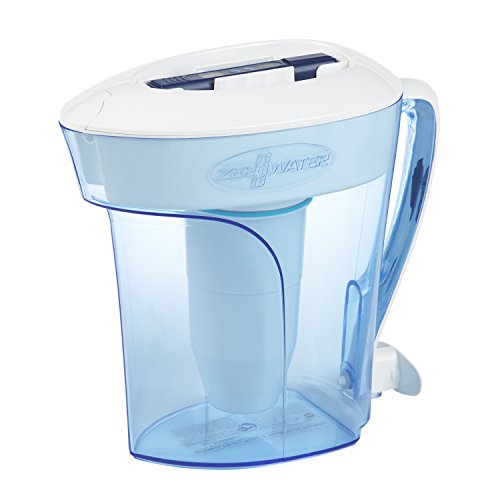
| ZeroWater 10-cup | Best for low-TDS water |
| $34.99as of Nov 19, 2026 10:19 am GMT+0000 | Buy now →Check current price |
| Amazon Basics 10-cup | Best for named NSF standards |
| $18.98as of Nov 19, 2026 10:19 am GMT+0000 | Buy now →Check current price |


Prices are Amazon’s listed prices as of the time shown and change often; check Amazon for today’s price. As an Amazon Associate we earn from qualifying purchases.
Lead Reduction Claims
Lead is the contaminant most often behind a pitcher purchase. EPA notes that there is no known safe level of lead in a child’s blood, that lead pipes are more likely in older cities and in homes built before 1986, and that among homes without lead service lines, the most common problem is with brass or chrome-plated brass faucets and plumbing with lead solder. Front Range homes from the mid-1980s and earlier can have lead solder on copper supply lines even where the service line itself is not lead.
EPA publishes a consumer tool for identifying point-of-use and pitcher filters certified to reduce lead. The tool is designed to help consumers pick filters evaluated by an accredited third-party certification body for lead reduction to 5 parts per billion or less, along with particulate reduction capabilities, against both NSF/ANSI Standards 53 and 42. In practice, that means a pitcher bought for lead should show certification for lead reduction specifically, not just a taste and odor certification.
EPA’s lead guidance also gives practical rules for anyone using a filter for lead:
- Use a filter certified to remove lead, and use it properly.
- Do not run hot water through the filter; use only cold water for drinking, cooking and making baby formula.
- Boiling water does not remove lead.
- Flushing the pipes by running the tap, showering, doing laundry or running a dishwasher before drinking can help, and the local water utility can advise on flushing times.
A pitcher is a sensible interim measure while a household figures out where lead is coming from, but it does not fix the source. Lead service lines, leaded solder and older brass fixtures are plumbing problems, and replacing them is the long-term solution.
What Pitchers Generally Do Not Address
The CDC states plainly that most home water filters, including pitcher and fridge filters, are not designed to remove germs. That one sentence rules out a pitcher as protection against bacterial contamination, which is the main concern with many private wells.
Bacteria and private wells
In the foothills and rural parts of the Front Range, many homes rely on private wells. The CDC notes that EPA’s public drinking water rules do not apply to privately owned wells, and recommends testing well water at least once every year for total coliform bacteria, nitrates, total dissolved solids and pH, using a state-certified laboratory. A positive coliform result signals that harmful germs could be present, and a pitcher is not the remedy. Disinfection approaches, well repairs or a properly designed treatment system are typically needed. Our guide to well water testing explains sampling, labs and what results mean, especially during a home purchase.
Nitrates and other dissolved contaminants
Nitrates come from sources such as fertilizers, septic systems and animal waste, and the CDC notes that high levels can make people, especially babies, sick. Activated carbon is generally not considered an effective nitrate treatment. The CDC lists reverse osmosis as a filter type that may reduce nitrate. Unless a specific pitcher is certified for nitrate reduction, it should not be relied on for that purpose. Similar caution applies to arsenic, uranium and radium, which can occur in some Colorado groundwater. Treatment should be chosen after testing and matched to a product certified for that contaminant.
Hardness and dissolved minerals
Some pitchers reduce scale-forming minerals somewhat, which can help kettles and coffee makers. They do not soften a home’s water supply. Hardness is mostly an aesthetic and plumbing-maintenance issue rather than a health one. Our guide to the water hardness test explains how to measure it and when a softener makes sense.
Beneficial substances
The CDC also points out that filters can remove beneficial chemicals, such as chlorine, which kills germs, or fluoride, which prevents cavities. Filtered water stored for long periods in a pitcher no longer carries the disinfectant residual that municipal water had, which is one reason to keep pitchers refrigerated and cleaned.
Test First, Then Choose a Filter
The CDC’s first tip for choosing a filter is to test the water, and to choose a filter that removes the germs or chemicals of concern. It also notes that taste, smell and appearance are not reliable indicators of safety, because many harmful germs and chemicals do not change how water looks, tastes or smells, while harmless sulfur compounds can make water smell bad.
How to approach testing depends on the water source:
- Municipal water. The CDC notes that public water systems must provide an annual water quality report. That report covers water leaving the treatment plant and the distribution system, not the plumbing inside a particular house, so lead in particular can still come from the home’s own pipes and fixtures.
- Private wells. Annual testing through a state-certified lab, plus tests for locally relevant contaminants recommended by the health department.
- Lead concerns in any home. A first-draw sample from a kitchen tap analyzed by a certified lab gives a far clearer picture than a home test strip. Our lead in water test guide explains sampling methods and how to read results.
With results in hand, the choice becomes straightforward. If water is safe and the complaint is taste, a Standard 42 pitcher may be enough. If lead is present, look for a pitcher certified for lead reduction or consider a plumbed point-of-use system. If bacteria, nitrates or other contaminants show up, a pitcher is usually not the right tool.
Signs a pitcher is not enough
- Lab results show lead well above the level a pitcher is certified to handle, or results stay high after cartridge changes.
- A well test is positive for coliform bacteria or E. coli.
- Nitrate, arsenic or uranium results exceed drinking water limits.
- The household needs filtered water at more than one tap or in large volumes.
- Water is cloudy, discolored or gritty, which can point to sediment, corroding pipes or a well problem.
In those situations, the pitcher can stay in the refrigerator as a taste upgrade, but the real fix lies in the plumbing, the well or a properly matched treatment system, ideally designed by a water treatment professional after reviewing lab results.
Cartridge Life and Pitcher Maintenance
Every certified cartridge has a rated capacity, usually stated in gallons, and many pitchers translate that into an approximate replacement interval in weeks or months. Capacity is the number that matters, because a household that drinks a lot of water will reach it sooner than the calendar suggests. Once a cartridge passes its rated capacity, there is no assurance it is still reducing what it was certified to reduce, and a carbon filter can eventually begin to release what it captured.
Good maintenance habits include:
- Track usage. Use the pitcher’s indicator if it has one, but treat a timer-based indicator as a reminder rather than a measurement.
- Replace on schedule. Change cartridges at or before the rated capacity, and sooner if flow slows noticeably or taste returns.
- Clean the pitcher. Wash the reservoir and lid regularly. The CDC notes that any filter needs maintenance to keep it working and to prevent germs from growing in it.
- Handle cartridges with care. The CDC suggests wearing gloves when changing filters and washing hands afterward, and advises people with weakened immune systems to avoid changing filters themselves.
- Keep it cold. Store the pitcher in the refrigerator and use only cold water through the cartridge.
- Use genuine or certified cartridges. Off-brand cartridges may fit but may not carry the same certifications as the original.
Hard water can shorten cartridge life by loading the media with minerals, and sediment from older plumbing can clog a cartridge early. If cartridges consistently slow down well before their rated capacity, a sediment problem or a whole-house issue may be worth investigating.
Pitchers Compared With Other Home Filters
A pitcher is one option on a spectrum of home treatment equipment:
- Refrigerator filters work on similar principles and carry similar limits. Our refrigerator water filter guide covers replacement and certification.
- Under-sink filters treat a dedicated drinking-water faucet with larger cartridges and higher capacity. See our under-sink water filter guide.
- Reverse osmosis systems use a membrane plus prefilters. The CDC notes that reverse osmosis filters remove germs and some chemicals, including lead, copper, chromium, chloride and sodium, and may reduce arsenic, fluoride, radium, sulfate, nitrate and others. Our reverse osmosis system guide explains installation and wastewater.
- Whole-house filters treat all water entering the home. The CDC notes that removing chlorine from all the plumbing can let more germs grow in the pipes. Our whole-house water filter guide covers sizing and maintenance.
For renters, small households and anyone who wants better-tasting water without plumbing work, a certified pitcher is often a good fit. For a confirmed lead problem in a family with young children, a plumbed system certified for lead, along with fixing the source, may be a better long-term plan.
Water Filter Pitcher Costs
Pitchers are inexpensive up front, and replacement cartridges make up most of the long-term cost. As a rough 2026 guide, with prices varying widely by brand and retailer:
- Pitcher with starter cartridge: commonly in the range of a few tens of dollars, with larger dispensers and models carrying more certifications costing more.
- Replacement cartridges: often several dollars to a few tens of dollars each, with lead-certified cartridges sometimes costing more and lasting fewer gallons.
- Annual cartridge spending: depends heavily on household water use and the cartridge’s rated capacity, so compare cost per gallon rather than cost per cartridge.
- Laboratory testing: a basic municipal lead test or a well water panel from a certified lab is a separate cost, often well worth it before choosing any treatment.
Water quality during a home purchase
A standard home inspection does not include laboratory water testing, though many inspectors offer it as an add-on or can collect samples for a certified lab. For homes on wells, testing during the inspection period is especially important. Our plumbing and water inspections section covers supply piping, water heaters and testing options, and our main guide to hiring a home inspector explains how to choose an inspector and which services to ask about.
More Questions About Water Filter Pitchers
Do water filter pitchers remove PFAS?
Some water filter pitchers reduce certain PFAS chemicals, but only models certified to NSF/ANSI Standard 53 for PFOA and PFOS reduction have verified claims. Uncertified pitchers may remove little or none.
Check the certification listing for the specific PFAS compounds claimed, not just a general “reduces contaminants” statement. Cartridges must be replaced on schedule, because PFAS removal drops once activated carbon is saturated. Testing tap water first shows whether PFAS is present at levels of concern.
Is a water filter pitcher better than bottled water?
A certified water filter pitcher is usually cheaper and creates far less plastic waste than bottled water, and it can reduce specific contaminants in the home’s own tap water. Bottled water is not automatically purer; it is regulated differently and its quality varies by source.
A pitcher is limited by capacity and speed, so it suits one to three people for drinking and cooking. Bottled water still makes sense for emergencies, during boil-water notices, or when tap water has a contaminant no pitcher is certified to remove.
Can mold or bacteria grow in a water filter pitcher?
Mold and bacteria can grow in a water filter pitcher when the reservoir is not cleaned or a cartridge stays in use past its life. Filtered water has less chlorine, so it loses some of the protection treated tap water carries.
Wash the pitcher and lid by hand every week or two with mild soap, store it in the refrigerator, and replace cartridges on schedule. Slimy film, odors or dark spots inside the pitcher are signs to clean it and swap the cartridge.
Do water filter pitchers remove fluoride?
Most standard carbon water filter pitchers do not remove significant fluoride. Activated carbon is not designed for fluoride reduction, and few pitchers carry a certification for it. A pitcher label that mentions fluoride without a matching certification claim should be treated with skepticism.
Reverse osmosis systems, typically installed under the sink, and activated alumina filters are the common options for reducing fluoride. Since community water fluoridation levels are reported in utility water quality reports, check the local level before choosing a system specifically for fluoride.
References
- About Choosing Home Water Filters — Centers for Disease Control and Prevention
- Consumer Tool for Identifying Point-of-Use and Pitcher Filters Certified to Reduce Lead in Drinking Water — U.S. Environmental Protection Agency
- Basic Information about Lead in Drinking Water — U.S. Environmental Protection Agency
- Guidelines for Testing Well Water — Centers for Disease Control and Prevention
Frequently asked questions
Do water filter pitchers remove lead?
Some do. Look for a pitcher certified by an accredited third party for lead reduction, not just taste and odor. EPA publishes a consumer tool for identifying pitcher filters certified to reduce lead to 5 parts per billion or less.
Can a pitcher filter make well water safe to drink?
Generally not. The CDC notes most pitcher filters are not designed to remove germs. Wells should be tested at least yearly through a certified lab, and treatment chosen to match the results.
What is the difference between NSF/ANSI 42 and 53?
Standard 42 covers aesthetic claims such as taste and odor. Standard 53 covers health-related reduction claims. Check the product's performance data sheet for the specific contaminants each model is certified to reduce.
How often should a pitcher cartridge be replaced?
At or before its rated capacity in gallons, which many brands translate into an approximate number of weeks or months. Heavy use, hard water or slowing flow can mean replacing it sooner.
Does a water filter pitcher remove nitrates?
Most do not. Activated carbon is generally not effective for nitrate. Unless a pitcher is certified for nitrate reduction, consider testing and a treatment such as reverse osmosis instead.
Do water filter pitchers soften hard water?
Water filter pitchers do not soften hard water in any meaningful way. Some cartridges contain small amounts of ion exchange resin that temporarily reduce scale in a kettle, but they do not treat household hardness. A whole-house water softener is the solution for scale on fixtures and appliances.
How long does filtered water last in a pitcher?
Filtered water in a pitcher is best used within a few days if refrigerated. Because filtering removes some chlorine, water left at room temperature for long periods can grow bacteria more easily. Refill the pitcher regularly rather than keeping the same water for a week or more.
Are water filter pitchers safe for baby formula?
A certified water filter pitcher can be used for baby formula when the tap water is from a safe public supply, but it does not sterilize water. Pediatric guidance on boiling water for young infants still applies, and well water should be tested for nitrates and bacteria first.
Buying a home on a well, or one with older plumbing? Get in touch to find a Front Range inspector who can arrange water sampling alongside the inspection.