Radon Mitigation System Installers Near Me: A Guide
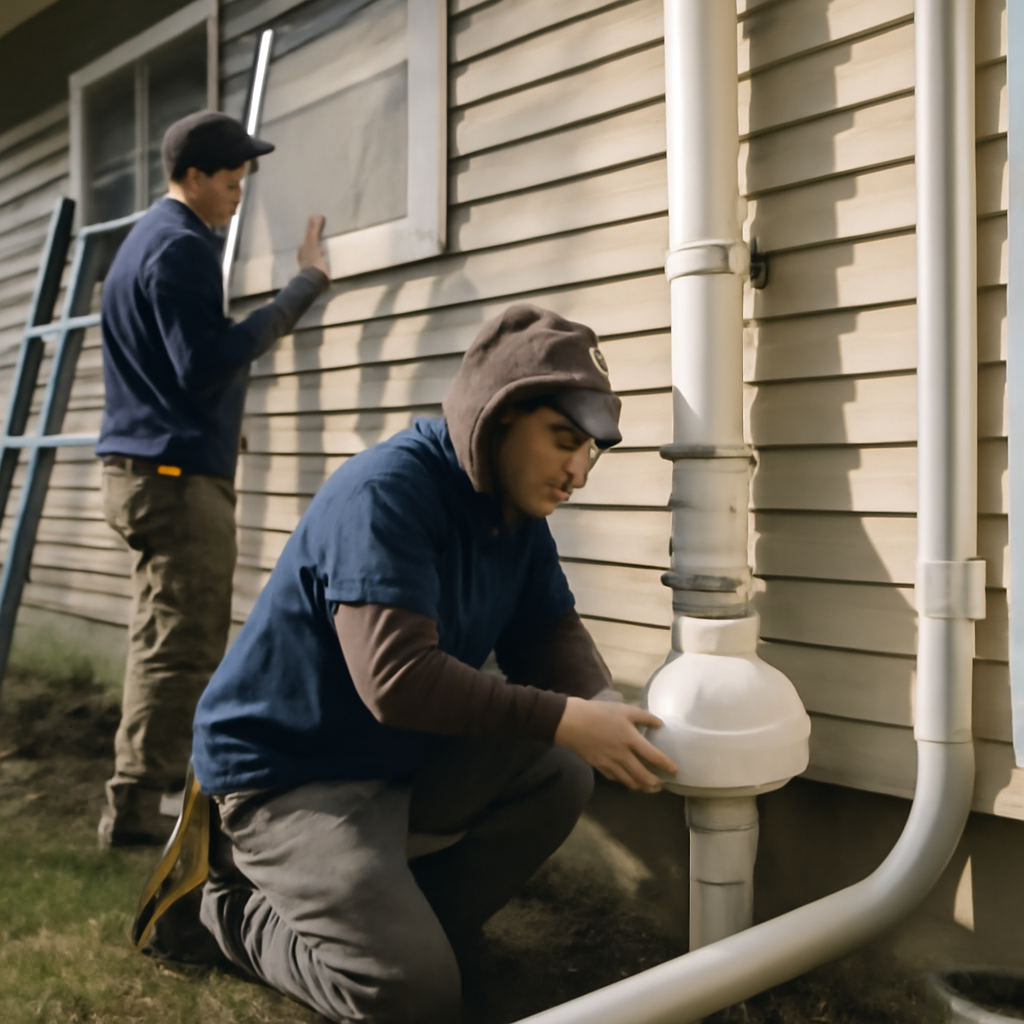
Typing “radon mitigation system installers near me” usually means a test has already come back high and a Colorado homeowner now needs to fix it. The Front Range has some of the highest indoor radon levels in the country, so this search is common across Denver, Boulder, Douglas, and El Paso counties. Choosing the right installer determines whether the system actually drives radon down, holds up for years, and passes a post-mitigation test. This guide summarizes EPA and Colorado Department of Public Health and Environment guidance current as of 2026; it is informational only, and you should rely on a certified radon professional and your physician for testing and health decisions rather than a web article. Below is how to find, vet, and compare installers, and what a quality job looks like.
Part of our Radon Mitigation Systems guide — start there for the full picture →
How to Find Qualified Radon Mitigation Installers Near You
The first filter is certification. Reputable radon mitigation contractors hold a national certification from a recognized program such as the National Radon Proficiency Program (NRPP) or the National Radon Safety Board (NRSB), and Colorado regulates radon professionals through a state licensing program administered by the Colorado Department of Public Health and Environment, known as CDPHE. Start by searching certified-professional directories rather than generic listings, then cross-check each candidate against the state license database.
Local knowledge matters in Colorado because soil gas behavior, foundation types, and the prevalence of finished basements shape system design. An installer who works the Front Range daily understands sub-slab conditions here better than a generalist. Homeowners new to the process should first understand the testing that justifies mitigation, covered in the guide on the radon home test and how to test a house, so they can interpret the result an installer will design around.
What Credentials and Licensing to Verify
State licensing
Colorado requires radon measurement and mitigation professionals to be licensed by the state. Verifying an active license is a non-negotiable first step; it confirms the contractor has met training and competency requirements and is accountable to a regulator. Ask for the license number and confirm it independently rather than taking a logo on a website at face value.
National certification
NRPP or NRSB certification signals adherence to national mitigation standards, including the consensus standards for radon mitigation system design and installation. Certified installers follow defined protocols for system sizing, fan selection, sealing, and post-install verification.
Insurance and warranty
Confirm the contractor carries liability insurance and offers a written workmanship warranty. Quality installers also typically guarantee the system will bring radon below the EPA action level of 4.0 picocuries per liter, with a follow-up test to prove it. A guarantee tied to a measured result is far more meaningful than a vague promise.
What a Quality Radon Mitigation Installation Looks Like
The dominant residential approach in Colorado is active soil depressurization, often called sub-slab depressurization. A certified installer cores through the slab, establishes a suction point in the gravel or soil beneath, runs sealed PVC piping up through the home or along the exterior, and mounts an inline fan that continuously draws radon-laden soil gas and exhausts it above the roofline, away from windows and intakes.
Several details separate a quality job from a cheap one. The suction point should be sized and placed for the foundation, and a communication test confirms the fan can draw from across the slab. Floor cracks, the sump pit, and slab penetrations should be sealed so the system depressurizes the soil rather than pulling conditioned indoor air. A manometer, a simple U-tube pressure gauge, is mounted on the pipe to show at a glance that the fan is working. The fan should be located in an unconditioned space such as the attic or outside, never in a basement living area, so any leak does not re-enter the home. The mechanics of these systems are explained further in the guide on how radon gas mitigation systems lower radon.
For homes with crawl spaces, the approach shifts to sub-membrane depressurization, sealing a heavy vapor barrier over the crawl-space floor and drawing soil gas from beneath it. An installer should explain which method fits your foundation and why, rather than applying a one-size template.
How to Compare Quotes and Spot Red Flags
Collect at least two or three written quotes. Price alone is a poor guide, because the cheapest bid sometimes reflects an undersized fan, an exterior run that will not perform, or a skipped post-mitigation test. A complete quote specifies the system type, suction-point count, fan model, routing, sealing scope, the manometer, electrical work, the post-install radon test, and the warranty terms.
Red flags include an installer who cannot produce a state license, who declines to perform a follow-up test, who proposes a passive system for a home that already tested high, or who quotes without inspecting the foundation. Be wary of pressure to decide immediately. A reputable contractor walks the home, identifies the foundation type, and explains the proposed design before quoting. For a sense of typical pricing across system types, the guide on radon mitigation system price helps homeowners judge whether a bid is reasonable.
What Front Range Installation Typically Costs
Most standard residential active soil depressurization systems on the Front Range fall in a range of roughly 1,200 to 2,500 dollars, with simpler basement-slab installs at the lower end and complex routing, multiple suction points, crawl-space membranes, or difficult finished basements pushing higher. The fan, the routing distance, the number of suction points, and the difficulty of concealing the pipe all drive cost.
Operating cost is modest: the fan runs continuously and uses electricity comparable to a small appliance, plus a slight heating or cooling penalty from conditioned air movement. Over the system’s life the fan may need replacement every several years. Homeowners weighing the total investment can review the detailed breakdown in the guide on the cost for radon mitigation, which separates installation from ongoing expense.
The Installation Process Step by Step
A typical project moves through a predictable sequence. After the homeowner accepts a quote, the installer schedules a single-day install for most homes. The crew cores the slab, excavates a suction pit beneath, sets the piping and fan, seals slab penetrations and the sump, mounts the manometer, completes the electrical connection for the fan, and verifies airflow. Exterior pipe runs are secured and the roofline exhaust positioned to code.
The job is not finished until a post-mitigation radon test confirms success. Best practice is to wait at least 24 hours after the system runs, then conduct a follow-up measurement; many installers use a continuous radon monitor or a short-term test. The reading should fall well below the 4.0 picocuries per liter action level. If it does not, the installer adjusts the system, adds a suction point, or upgrades the fan under the workmanship guarantee. The standards and equipment behind these measurements are described in the guide on radon testing equipment professionals use.
Different Foundation Types and System Design
Front Range homes are built on a range of foundations, and a competent installer tailors the system to each. A poured slab-on-grade or full basement is the most straightforward case, suited to classic sub-slab depressurization with one or more suction points cored through the concrete. The installer chooses suction-point placement based on a communication test that shows how pressure spreads through the gravel or soil beneath the slab.
Crawl-space foundations require a different method, sub-membrane depressurization, in which a sealed vapor barrier is laid over the crawl-space floor and the fan draws soil gas from beneath it. Mixed foundations, a basement adjoining a crawl space, or a slab with a crawl-space addition, may need multiple suction points tied into one system or even separate systems to depressurize the entire footprint. An installer who quotes a single generic system without identifying the foundation type is cutting a corner that often shows up later as stubbornly elevated radon.
This is why a foundation walk before quoting is non-negotiable. The installer should identify the foundation, locate the best suction points, note the sump and any obvious slab cracks, and plan a pipe route that exhausts above the roofline. The way these designs translate to lower readings is described in the guide on crawl-space radon mitigation systems, which illustrates how foundation type drives the approach.
The Role of Testing Before and After
Mitigation is bracketed by measurement. Before any work, a radon test establishes the baseline that justifies the system and informs its design; a single short-term result above 4.0 picocuries per liter is enough to act, though a confirmatory or long-term measurement strengthens the picture. The baseline also gives the installer and homeowner a reference against which to judge the system’s success.
After installation, the post-mitigation test is the proof the system works. Best practice is to run the system at least 24 hours, then conduct a measurement, often with a continuous radon monitor that logs hourly readings. A quality installer treats a result still near or above the action level as unfinished work, returning to add a suction point, upgrade the fan, or improve sealing under the workmanship guarantee. Homeowners should insist this post-test be part of the contract rather than an extra they must arrange themselves. The instruments behind these measurements are detailed in the guide on radon measurement.
Why This Matters Especially in Colorado
Colorado’s geology, granitic and uranium-bearing soils across much of the Front Range, produces elevated radon in a large share of homes. CDPHE and the EPA both note that radon is the leading cause of lung cancer among nonsmokers and the second leading cause overall. Because indoor levels here frequently exceed the action level, mitigation is not an exotic upgrade; it is routine, and a properly installed system reliably brings levels down.
That is why installer quality is the decisive variable. The technology is well understood and the standards are mature, so the difference between a system that protects a family and one that underperforms comes down to certification, design judgment, sealing care, and a verified post-install result. Choosing a licensed, certified Front Range installer who guarantees the outcome turns a high radon reading into a solved problem. For the wider context on testing, levels, and system options, the Colorado radon testing guide ties the full process together.
What to Expect After Installation
The relationship with an installer does not end on installation day. A reputable contractor provides documentation of the system design, the post-mitigation test result, and the warranty terms, all of which a homeowner should keep for future reference and for any eventual sale. The manometer on the pipe becomes the homeowner’s ongoing health check: as long as its two liquid columns sit at different heights while the fan runs, the system is drawing suction. Equalized columns signal a problem worth a service call.
Long-term ownership involves modest upkeep. The fan runs continuously and typically lasts several years before it may need replacement, a routine service a qualified installer handles quickly. Experts recommend re-testing radon every couple of years even with a working system, because a fan can degrade silently and radon gives no sensory warning. A good installer welcomes these follow-ups and may offer a maintenance or monitoring option. Homeowners who understand this lifecycle treat the system as a permanent part of the home rather than a one-time fix.
Comparing Installers on Value, Not Just Price
When several quotes land in a similar range, the deciding factors shift to service quality and confidence. An installer who walked the home, explained the foundation-specific design, and committed to a guaranteed result with a post-mitigation test offers more value than a lower bid that skips those steps, even if the headline price is a little higher. The cost of a system that underperforms is not just the wasted money; it is continued radon exposure that the homeowner believes is resolved.
It helps to weigh the warranty carefully. A workmanship warranty covering the installation, plus a separate fan warranty, signals a contractor who stands behind the work. A guarantee that the system will hold radon below the action level, verified by a follow-up test, is the strongest commitment a homeowner can ask for. Reading independent reviews, confirming the contractor’s standing with the state, and asking for references from recent Front Range jobs round out a value-based comparison. The relationship between system design and lasting performance is explored further in the guide on whether radon mitigation systems work.
Questions to Ask Before You Hire
Before signing, ask each candidate a consistent set of questions: Are you licensed in Colorado and can I have the number? What national certification do you hold? Will you inspect the foundation before quoting? What system type do you recommend and why? Do you guarantee the result below 4.0 picocuries per liter, and do you include a post-mitigation test? Where will the fan be located? What warranty covers the workmanship and the fan? How long have you worked the Front Range, and can you share references? Comparing answers across installers reveals who understands the work and who is selling a commodity.
The answers also reveal communication style, which matters because radon work involves explaining an invisible risk and a technical solution to a homeowner. An installer who answers patiently and in plain language is more likely to deliver a system the homeowner understands and maintains. One who deflects basic questions or pressures a fast decision is a poor bet, regardless of price. The goal is a licensed, certified professional who treats the project as solving a health problem rather than closing a sale.
References
- Consumer’s Guide to Radon Reduction — U.S. EPA
- Radon Program and Licensed Professionals — Colorado Department of Public Health and Environment
- Radon and Lung Cancer Risk — American Lung Association
Frequently asked questions
How do I verify a radon mitigation installer is licensed in Colorado?
Colorado licenses radon professionals through CDPHE. Ask the contractor for their license number and confirm it directly with the state, rather than trusting a logo on a website. Also look for national certification from NRPP or NRSB.
How much does radon mitigation cost on the Front Range?
Most standard active soil depressurization systems run roughly 1,200 to 2,500 dollars. Simple basement-slab installs sit at the lower end, while multiple suction points, crawl-space membranes, or complex routing push the price higher.
Should the installer test radon after installing the system?
Yes. A quality installer performs a post-mitigation test, usually after the system has run at least 24 hours, to confirm levels fall below the EPA action level of 4.0 picocuries per liter. A guarantee tied to that measured result is the standard to look for.
What are red flags when hiring a radon installer?
Watch for no verifiable state license, refusal to perform a follow-up test, a quote without a foundation inspection, recommending a passive system for a home that already tested high, and high-pressure demands to decide on the spot.
Where should the radon fan be located?
In an unconditioned space such as the attic or outside, never in a basement living area. That placement ensures any leak in the positive-pressure section of pipe does not re-enter the occupied home.
Front Range homeowners who tested high and want to connect with a vetted, licensed local radon mitigation installer can get in touch through our contact page.
Radon mitigation fans & parts
If a sub-slab depressurization system is the fix, the inline fan is the heart of it. Match the fan to your soil and pipe diameter — or have a certified installer size it.
| Product | Why | Buy |
|---|---|---|
 RadonAway RP145 Inline Fan RadonAway RP145 Inline Fan | Common 4-in. SSD workhorse fan. | Amazon — $152.00 |
 Fantech Rn2 Radon Fan Fantech Rn2 Radon Fan | Quiet operation; energy-efficient. | Amazon — $153.89 |
 Radon U-Tube Manometer Radon U-Tube Manometer | Confirms the system is pulling suction. | Amazon — $8.95 |