Active Radon Mitigation System: A Homeowner Guide
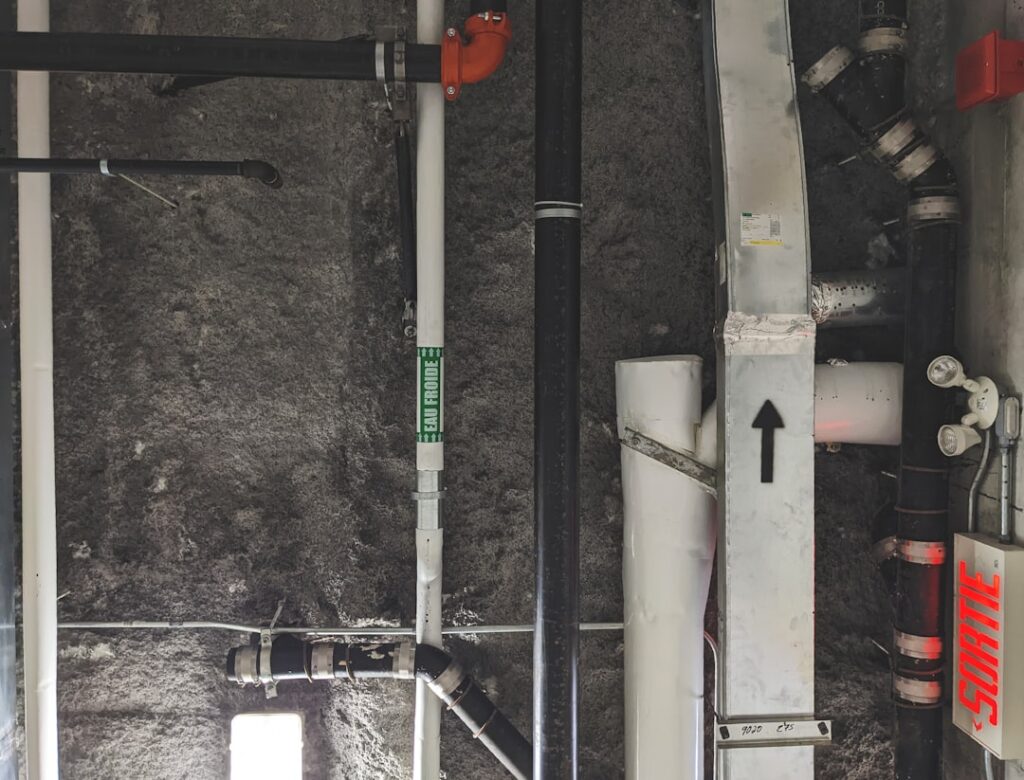
The white pipe and quiet fan on the side of many Front Range homes are the visible signs of an active radon mitigation system, the most common and reliable way to keep radon out of a house. An active radon mitigation system uses a fan to actively draw soil gas from beneath the home and vent it outdoors, rather than relying on natural airflow. This guide summarizes EPA and Colorado guidance current as of 2026 and is informational only; consult a certified radon professional for installation decisions. Below: how the active design works, how it differs from a passive system, its components, costs, and how to confirm it performs.
What Is an Active Radon Mitigation System?
An active radon mitigation system is a fan-powered version of active soil depressurization. A vent pipe connects to a suction point beneath the home’s slab, and an inline fan runs continuously to create suction under the floor, pulling radon-laden soil gas up the pipe and exhausting it above the roofline before it can enter the living space. The word “active” refers to that powered fan, which is what distinguishes it from a passive system relying only on natural pressure and stack effect.
This is the design the EPA and state health departments recommend for reliably reducing radon, and it can lower indoor levels by a large margin, frequently from readings above the action level of 4.0 picocuries per liter (pCi/L) to well below it. The approach works on the same principle described throughout the Colorado radon testing guide: capture the gas at its source and route it outside instead of trying to seal a home perfectly.
Active vs. Passive Radon Systems
Understanding the difference helps homeowners know what they have and whether it is enough.
Passive Systems
Many newer homes are built with a passive radon system: a vent pipe runs from beneath the slab up through the house and out the roof, using the natural “stack effect” (warm air rising) to draw soil gas out without a fan. Passive systems reduce radon modestly and are designed to be easily upgraded, the rough-in pipe is already in place.
Active Systems
An active system adds a fan to that pipe, dramatically increasing suction and reliability. When a passive system does not bring radon low enough, or when a home tests high, activating it by adding a fan is the standard fix. Active systems consistently outperform passive ones, which is why they are the recommended solution for confirmed elevated radon. The visible exterior fan and pipe many homeowners recognize are detailed in the guide to the radon pipe, and the difference in effectiveness is the core reason the broader question of whether mitigation systems work resolves so strongly in favor of active designs.
Components of an Active System
An active system has a small number of well-defined parts, each with a job.
Suction Point and Pit
A hole cored through the slab opens into an excavated pit in the soil or gravel beneath, where suction can spread across a wide area. Homes with poor sub-slab communication may need more than one point.
Vent Pipe and Fan
PVC pipe carries gas from the suction point to a discharge above the roofline, rising continuously so condensation drains back down. The inline fan, mounted outside living space, in the attic, garage, or on the exterior wall, runs around the clock to create suction.
Manometer and Label
A manometer on the pipe lets the homeowner confirm the fan is pulling, and a system label documents the installer and date. The full arrangement matches the standard radon mitigation system diagram, which is a useful reference for checking a system against best practice.
What an Active System Costs
Installing an active radon mitigation system in a typical home generally falls in the low-thousands range, with most residential installations landing within a band that varies by home size, foundation type, routing complexity, and the number of suction points needed. Activating an existing passive system by adding a fan is usually cheaper, since the pipe is already in place, often only the cost of the fan, wiring, manometer, and labor.
Cost drivers include slab construction, whether the home has a sump to integrate, interior versus exterior pipe routing, and regional labor rates. Operating cost is modest, a fan runs continuously but draws relatively little electricity, plus eventual fan replacement every several years to a decade. Homeowners should get more than one written quote, confirm post-mitigation testing is included, and verify the installer is certified. For a fuller breakdown of price ranges, the overview of radon mitigation systems cost sets clear expectations.
Installation and Verification
A certified contractor begins with diagnostics, measuring how suction communicates beneath the slab, to decide the number and placement of suction points. They core the suction point, excavate the pit, route and seal the pipe, mount the fan outside living space, install the manometer, and seal major slab openings and any sump pit to maximize efficiency. A typical installation takes a few hours to a day.
The decisive step is verification. After the system runs for the recommended period, a follow-up radon test confirms levels dropped below 4.0 pCi/L, ideally lower. The manometer provides ongoing at-a-glance confirmation that the fan is pulling, but only a test proves the radon concentration itself is safe. Skipping the post-mitigation test leaves a homeowner trusting rather than knowing. Continuous monitors make periodic re-verification simple, which is why routine retesting every couple of years is part of responsible ownership.
Maintaining an Active System
Active systems are low-maintenance but not no-maintenance. Check the manometer monthly, an unexpected reading change signals a fan or seal issue. Keep the fan running continuously, never switch it off, and replace it when it fails, often signaled by silence where the fan’s gentle hum used to be. Inspect that the exterior exhaust remains clear and that seals around the suction point and any sump lid stay intact.
Retest radon periodically, every two years is a common recommendation, and after significant renovations, foundation work, or HVAC changes that could alter pressures. These habits, summarized in the guide to radon mitigation system maintenance, keep an active system protecting a home for its full service life. Given Colorado’s high radon potential across the Front Range, an active system that is installed correctly, verified by testing, and maintained with a monthly glance and periodic retest is one of the most cost-effective health safeguards a homeowner can own.
The Physics That Makes an Active System Reliable
An active system is dependable because it attacks the exact mechanism by which radon enters a home. Radon-laden soil gas is drawn indoors by a pressure difference: the heated interior sits at slightly lower pressure than the soil beneath, so soil gas flows upward through cracks, slab penetrations, and any opening it can find. This stack effect intensifies in cold weather, which is why radon often peaks in winter and in the lowest level of a home.
The fan in an active system reverses that pressure relationship right at the source. By continuously drawing air from beneath the slab, it makes the sub-slab pressure lower than the interior pressure, so soil gas no longer pushes up into the living space; instead it is pulled into the suction pit and exhausted above the roof. Because the fix targets the pressure-driven entry directly rather than trying to seal a home perfectly, it works consistently regardless of weather, the variability that limits passive systems. This is the same principle that explains whether radon mitigation systems work, and it is the reason the answer is so firmly yes when the system is active and properly installed.
Sealing supports the fan rather than replacing it. Caulking major cracks and sealing an open sump pit prevent the fan from wasting suction on conditioned indoor air, letting it apply its pressure where it matters, beneath the slab. A well-designed active system therefore combines a correctly sized fan, adequate suction points, and good sealing, each element reinforcing the others to maintain the reversed pressure field across the whole slab.
Choosing and Sizing the Right System
The single most important design decision is matching the system to the home, and that begins with diagnostics. Before installing, a certified mitigator measures how freely suction communicates beneath the slab. A home on clean gravel may need only one suction point because the suction spreads easily; a home on compacted soil or with a segmented slab may need several. Skipping diagnostics and guessing is the most common reason a system underperforms, so a thorough contractor invests in this step.
Fan selection follows from the diagnostics. The fan must overcome the sub-slab resistance the home presents, too weak and it cannot establish the pressure field across the whole slab; needlessly oversized and it wastes energy and may pull excess conditioned air. Routing is the other design choice, interior through the roof for a concealed look and high discharge, or exterior up the wall for easier installation, with the discharge point in either case placed above the roofline and away from windows and doors so exhausted radon disperses outdoors and does not re-enter. These decisions are exactly why a certified, experienced installer matters, and they tie directly into how to choose a radon mitigation company.
Homes with particular features call for particular designs. A crawl space uses sub-membrane depressurization with a sealed barrier over the soil; a home with a sump pit can use a sealed sump lid as the suction point; a large or poorly communicating slab uses multiple points joined to one fan. A good contractor selects the configuration that fits the home rather than applying a single template, which is the difference between a system that hits 1.0 pCi/L and one that disappoints.
Cost, Value, and Resale Considerations
An active system is a modest investment for a significant health benefit. Beyond the installation cost, the ongoing expense is small: a fan that runs continuously on relatively little electricity, plus eventual fan replacement every several years to a decade. Against that, the system addresses radon, the second-leading cause of lung cancer in the United States after smoking, reducing a serious long-term risk to a low one. Few home improvements offer that ratio of cost to health protection.
There is resale value too. In radon-prone markets like Colorado’s Front Range, a documented, properly installed active system with passing post-mitigation test results is a reassurance to buyers rather than a concern. During a transaction, a working system and its test records can prevent radon from becoming a negotiation sticking point. Keeping the installation documentation, the system label information, and the most recent radon test together makes both ongoing ownership and an eventual sale smoother. An active radon mitigation system, installed to fit the home, verified by testing, and maintained with minimal effort, quietly protects a household for years while adding to the home’s marketability.
Active vs. Passive: Knowing What You Have
Many newer Front Range homes were built with a passive radon system, a vent pipe routed from beneath the slab up through the house and out the roof, with no fan. Passive systems rely on the natural stack effect to draw soil gas out, and they reduce radon modestly but inconsistently, since their performance rises and falls with weather and the home’s air dynamics. The key feature of a passive system is that it is designed to be upgraded: the pipe and routing are already in place, ready for a fan.
If your home tests above the action level and has a passive system, the standard fix is simply to add a fan, converting it to an active system, usually a quick and relatively inexpensive job because the hardest work is already done. If your home has no system at all, a full active installation is the path. Either way, the goal is an active, fan-driven system verified by a follow-up test, because that configuration delivers the large, consistent reductions homeowners want. Checking whether your home has a passive rough-in, often a capped pipe in the basement or a labeled pipe through the attic, tells you which scenario you are in and how small the step to full protection may be.
References
- A Consumer’s Guide to Radon Reduction — U.S. Environmental Protection Agency
- Radon Mitigation Guidance for Colorado — Colorado Department of Public Health and Environment
- Reducing Radon in Your Home — American Lung Association
Front Range homeowners who want an active radon system installed or evaluated can reach out through our contact page for a connection to a certified local radon professional.
Radon mitigation fans & parts
If a sub-slab depressurization system is the fix, the inline fan is the heart of it. Match the fan to your soil and pipe diameter — or have a certified installer size it.
| Product | Why | Buy |
|---|---|---|
 RadonAway RP145 Inline Fan RadonAway RP145 Inline Fan | Common 4-in. SSD workhorse fan. | Amazon — $152.00 |
 Fantech Rn2 Radon Fan Fantech Rn2 Radon Fan | Quiet operation; energy-efficient. | Amazon — $165.24 |
 Radon U-Tube Manometer Radon U-Tube Manometer | Confirms the system is pulling suction. | Amazon — $13.95 |