Radon Pipe: What Homeowners Need to Know
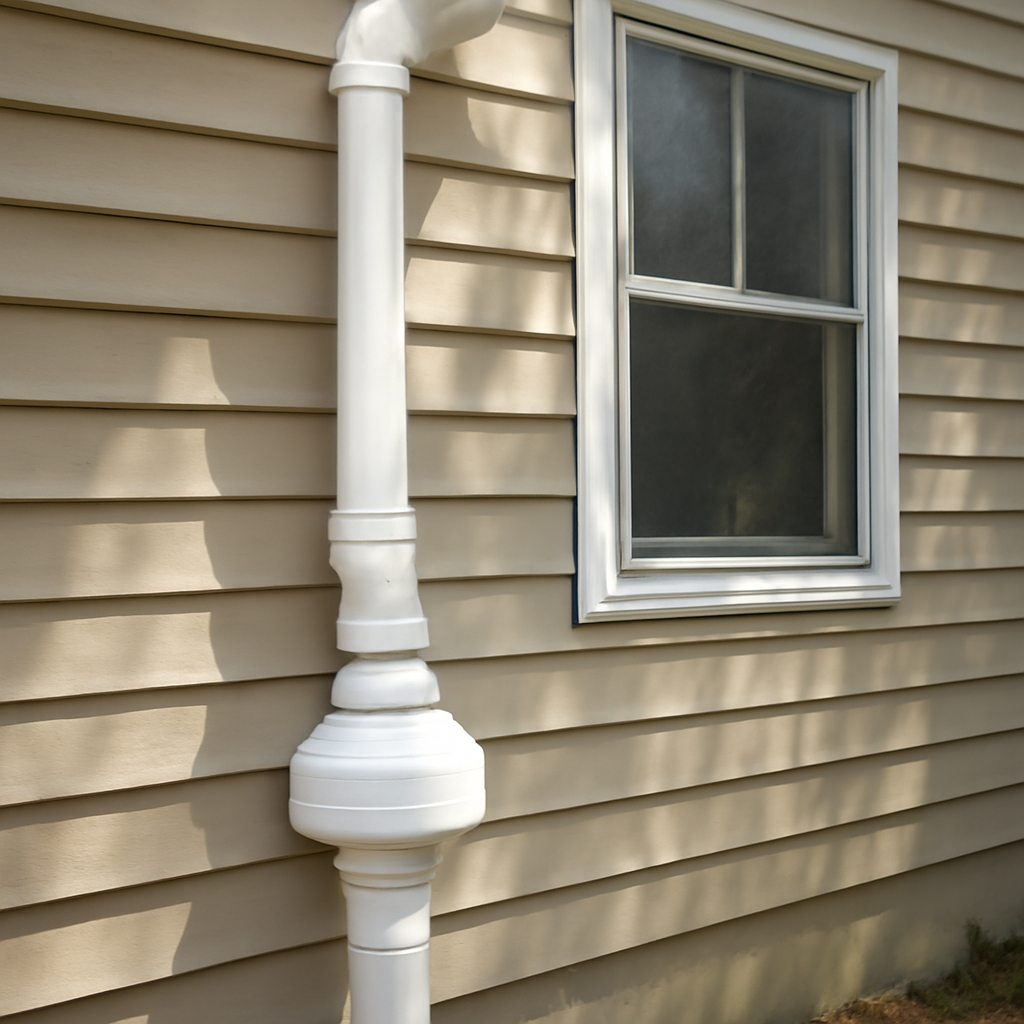
The radon pipe is the most visible part of a radon mitigation system — the length of PVC that runs from beneath the foundation, up through the home or along an exterior wall, and out above the roofline. It is easy to dismiss as “just a pipe,” but its diameter, routing, slope, and termination all determine whether the system actually keeps radon out of your living space. This guide summarizes EPA and Colorado guidance current as of 2026 and is informational only — it is not a substitute for a certified radon professional, and anyone concerned about radon’s health effects should consult their physician. Understanding the radon pipe helps Front Range homeowners evaluate an existing system or judge the quality of a new installation.
What does the radon pipe do?
The radon pipe is the conduit in an active sub-slab depressurization (ASD) system. A fan creates suction at one end, drawing radon-laden air from the soil or gravel beneath the foundation slab; the pipe carries that air up and discharges it above the roof, where it disperses harmlessly into outdoor air. Without a properly sized and routed pipe, the fan cannot maintain the negative pressure under the slab that keeps radon from migrating into the home.
In a typical system, the pipe begins at a suction point cut into the slab, rises through the home (often via a closet, garage, or interior chase) or up an exterior wall, and terminates above the eave. An in-line fan is mounted along the pipe — usually in the attic or outdoors, never in living space — so that the portion under pressure stays outside occupied areas. The pipe is the backbone connecting the suction point, the fan, and the discharge. For the bigger picture of how the whole system fits together, see our Front Range radon testing guide.
What size and material is a radon pipe?
Radon vent pipe is almost always Schedule 40 PVC, typically 3 or 4 inches in diameter. Three-inch pipe is common in many residential installations, while 4-inch is used where higher airflow is needed or where the fan and sub-slab conditions call for it. PVC is chosen because it resists corrosion, handles the modest pressures involved, and is easy to seal at joints. The pipe must be sealed airtight at every joint and at the slab penetration, because leaks bleed off the suction the fan is working to create.
Diameter matters more than it appears. An undersized pipe restricts airflow and forces the fan to work against resistance, reducing performance; an oversized pipe can lower air velocity below what is needed to keep the system effective. A certified installer matches pipe size to the fan and the sub-slab diagnostics. If you are evaluating an existing system, pinched, undersized, or leaky pipe is a common reason a system underperforms. Our guide to the radon mitigation fan explains how the fan and pipe work as a matched pair.
Interior versus exterior routing
The pipe can run inside the home or outside along a wall, and each has trade-offs. Interior routing — through a closet, mechanical chase, or the garage into the attic — hides the pipe, keeps it warm (preventing condensation freeze-up in Colorado winters), and looks cleaner, but costs more in labor. Exterior routing is faster and cheaper but leaves a visible white pipe up the side of the house and exposes it to freezing, which can cause condensation problems. Many Front Range installers prefer interior routing partly because Colorado’s cold winters make exposed exterior pipe prone to frost buildup.
Where must the radon pipe discharge?
Code and EPA guidance require the pipe to terminate above the roofline — generally at least 12 inches above the roof surface and a minimum distance (commonly 10 feet) away from and above any window, door, or other opening that is within 10 feet, to prevent the discharged radon from re-entering the home. The discharge point must be away from where people gather and high enough that the gas disperses into open air rather than pooling near the house.
A pipe that terminates too low, too close to a window, or at ground level is a serious defect, because it can recirculate radon back indoors — defeating the system’s entire purpose. When inspecting a system, confirm the pipe exits above the roof and clear of openings. Improper termination is one of the most common installation errors flagged on otherwise complete systems. The full installation standards are covered in our radon mitigation installation guide.
How do you tell if the radon pipe is working?
Every active system should have a manometer — a small U-shaped gauge with colored liquid, mounted on the pipe near eye level. When the fan runs, it creates a pressure difference that shows as an offset between the two liquid columns. Equal columns mean no pressure difference, which signals the fan has failed or the pipe is blocked or leaking. Checking the manometer occasionally is the simplest way for a homeowner to confirm the pipe and fan are doing their job.
A manometer confirms airflow, but only a radon test confirms the result. After installation or after any repair, the home should be re-tested to verify radon is below the EPA action level of 4 pCi/L. If the manometer reads correctly but a radon test comes back high, the issue may be pipe sizing, a poorly placed suction point, or unsealed slab cracks rather than the fan. The pipe is part of a system, and diagnosing problems means checking all the parts together.
Common radon pipe problems to watch for
Several pipe issues degrade performance. Leaky joints lose suction; every connection should be solvent-welded and airtight. Sagging horizontal runs let condensation pool and block airflow, so the pipe should slope back toward the suction point to drain. Frozen condensation in an exterior pipe during a Colorado winter can restrict the system, which is why interior routing or proper insulation matters here. A disconnected or cracked pipe in an attic can vent radon into the attic space rather than outdoors. Finally, a pipe that was capped, painted over, or modified by a previous owner may no longer function as designed.
Why does pipe slope and condensation matter?
Air drawn from beneath a slab is humid, and as it travels up a cool pipe, moisture condenses on the inside walls. In a well-designed system that condensation drains back down to the suction point and into the soil, harmlessly. Problems start when horizontal runs sag or when the pipe is pitched the wrong way, letting water pool in a low spot. A pool of condensate restricts airflow, makes the fan work harder, and in cold weather can freeze into a blockage. That is why installers slope every horizontal section back toward the suction point and avoid unnecessary bends and dips.
Colorado’s winters sharpen the issue. An exterior pipe exposed to sub-freezing temperatures can accumulate ice from condensation, narrowing or blocking the passage and crippling the system right when sealed-up winter homes have their highest radon. This is the practical reason many Front Range installers route pipe through warm interior space or insulate exterior runs. If you own a home with an exterior radon pipe and notice rising winter radon or a manometer reading that changes in cold snaps, freezing condensation is a prime suspect worth a contractor’s look.
Number of bends and pipe efficiency
Every elbow and fitting adds resistance to airflow, forcing the fan to work harder to maintain suction under the slab. A clean, mostly vertical pipe run with minimal turns lets a given fan move more air and hold stronger sub-slab depressurization. Designs that wander through multiple bends to hide the pipe can trade appearance for performance if the fan is not sized to compensate. A good installer balances aesthetics against airflow, choosing a route that looks acceptable while keeping resistance low — another reason diagnostics and proper fan sizing go hand in hand with pipe layout.
Can you add a pipe to a passive system?
Some newer homes are built with a passive radon-ready pipe: a vent stack running from beneath the slab up through the roof with no fan, relying on natural stack effect to vent some radon. Passive systems are inexpensive to rough in during construction but often do not lower radon enough on their own, especially in high-radon regions like the Front Range. The good news is that a passive system is designed to be upgraded — a contractor can add an in-line fan to the existing pipe, converting it to an active system that reliably depressurizes the sub-slab.
If your home has a capped or fan-less pipe running from the basement through the roof, you likely have a passive system that can be activated. Testing first confirms whether activation is needed; if radon is at or above 4 pCi/L, adding a properly sized fan to the existing pipe is usually cheaper than a full new installation because the pipe routing already exists. Have a certified contractor confirm the existing pipe is correctly sized, sealed, and terminated before relying on it.
When should you call a professional about the pipe?
Call a certified radon contractor if the manometer shows no pressure difference, if you see visible pipe damage or disconnection, if a radon re-test comes back high despite a running fan, or if the discharge point is too low or too close to a window. Pipe repairs and re-routing involve airtight sealing and correct slope, which is hard to get right without experience. If you are buying a home with an existing system, have the pipe routing and termination inspected as part of the purchase, since a non-compliant pipe is a fixable but real defect worth negotiating. A correctly sized, sealed, and terminated radon pipe is what turns a fan and a hole in the slab into a system that protects the home for years.
References
- Consumer’s guide to radon reduction — U.S. Environmental Protection Agency
- Radon mitigation guidance for Colorado — Colorado Department of Public Health and Environment
- Home ventilation and energy guidance — U.S. Department of Energy
If your home has a radon system you want evaluated, or a high reading despite an existing pipe, contact us here to connect with a certified Front Range radon professional.