Asbestos Cement Pipe: Identification, Health Risks, and Replacement
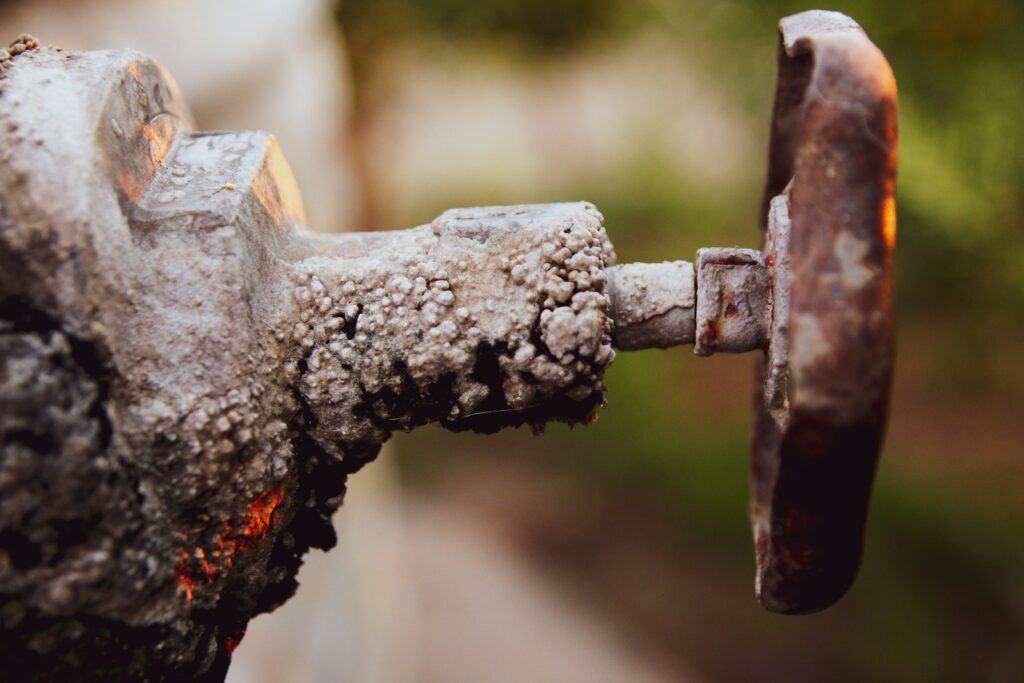
Asbestos cement pipe (often called Transite, the dominant brand name) was a workhorse of mid-20th-century water and HVAC infrastructure. Manufactured from Portland cement reinforced with chrysotile asbestos fibers, it was used in millions of feet of municipal water service lines, residential water service lines, sewer vents, HVAC exhaust flues, and various industrial applications. Most pre-1985 homes with original plumbing or HVAC may have asbestos cement pipe somewhere in their systems. This guide walks through identification, health risks, and replacement considerations.
InspectandTest is an independent editorial team. We are not licensed asbestos abatement contractors or plumbers. This guide synthesizes EPA, OSHA, and state environmental agency guidance.
Is this mold, asbestos, or water damage? Get a free instant screen
Upload a clear photo of the suspect area. You'll get an instant AI screening opinion and what to do next. This is screening guidance, not a professional determination.
Screening guidance only. AI can be wrong. Confirm asbestos, mold type, or lead with lab testing or a licensed professional before acting.
The history of asbestos cement pipe
Asbestos cement (AC) pipe was developed in the early 1900s as a corrosion-resistant alternative to cast iron and steel. Manufacturing peaked from the 1940s through the 1970s; the 1989 EPA partial asbestos ban marked the practical end of new manufacture. Several million miles of AC pipe were installed in U.S. water systems during the peak era.
Major brand names included Transite (Johns-Manville), Eternit, and various regional manufacturers. The pipe was sold in residential service line sizes (typically 1/2 inch through 2 inch diameter) and municipal sizes (4 inch through 24+ inch diameter) plus HVAC vent pipe sizes.
Manufacturing involved combining Portland cement with approximately 15-20% chrysotile asbestos fibers by weight, plus water, then forming into pipe shapes and curing. The resulting material was strong, corrosion-resistant, and easier to install than metal alternatives. The cement matrix bound the asbestos fibers tightly, making the pipe non-friable under normal handling conditions.
Where you might find asbestos cement pipe
Residential water service lines. The pipe from the water main in the street to the home water meter. Common in pre-1985 construction in many U.S. cities, particularly in regions where AC pipe was favored over metal alternatives. Some specific cities had near-universal AC service line installation during peak manufacture eras.
HVAC exhaust flues (Transite vent pipe). Pre-1980 furnaces, water heaters, and similar gas-fired equipment often used Transite vent pipe as the exhaust flue from the equipment to outside. Pipe diameter typically 3 to 6 inches, gray or off-white color, hard cement-like material.
Sewer vent pipes. Some pre-1980 plumbing used asbestos cement for sewer vent pipes (the vertical pipe through the roof that vents the drain system). Less common than HVAC vent applications.
Irrigation systems. Some older irrigation infrastructure used AC pipe for distribution.
Identifying asbestos cement pipe
Visual identification clues:
- Color: gray, off-white, or beige depending on aging and exposure
- Texture: smooth cement-like exterior, harder than ceramic but more brittle than metal
- Joining: typical AC pipe joints use bell-and-spigot connections with rubber gaskets
- Tap test: AC pipe produces a thud rather than the higher-pitched ring of metal pipe
- Era markers: pre-1985 installations are most likely; pipe installed after 1985 is less likely but possible
For service line identification, contact your water utility – many maintain inventories of pipe materials by service address. Property records and original construction documentation may also indicate pipe materials.
For HVAC vent pipe identification, the vent pipe is typically visible in basements, mechanical rooms, or attics where it routes from equipment to exterior. Pre-1980 furnaces with hard gray cement-style vent pipe are presumed Transite until verified.
Health risk assessment
The health risk profile of asbestos cement pipe is meaningfully different from friable asbestos materials:
Drinking water exposure: generally low-risk. Multiple studies have found that asbestos cement water pipe in good condition does not meaningfully contaminate drinking water with detectable asbestos fibers at levels above the EPA’s 7 million fibers per liter maximum contaminant level. Trace amounts may be present from deteriorating pipe; the toxicology of ingested asbestos is less well-characterized than inhaled asbestos and the exposure route is generally considered lower-risk.
Inhalation exposure during cutting or breaking: the dominant risk. Cutting AC pipe with abrasive saws, sanders, or power tools generates significant friable particulate. This is the exposure that warrants professional asbestos handling for replacement work.
Inhalation exposure during HVAC service: Transite vent pipe deterioration over decades produces some surface friability. HVAC service that disturbs the pipe (replacing the equipment, modifying the vent routing) can release fibers.
The practical implication: undisturbed AC pipe is low-risk. The risk arises during disturbance, which is when professional handling matters.
When replacement is appropriate
Triggered by other work: planned plumbing renovation, water service line work, HVAC equipment replacement, or building demolition all create opportunities to replace AC pipe. The marginal cost of replacement during planned work is much lower than triggering a separate AC pipe project.
Pipe deterioration evident: visible cracking, leaks, or other failure indicates the pipe is approaching end of useful life. Replacement is appropriate before failure rather than after.
Pre-sale preparation: some buyers in some markets prefer to avoid AC pipe in their potential purchases. Selling sellers preparing for sale may choose to replace as part of property preparation.
Discomfort with the material: some homeowners simply prefer to not have AC pipe in their systems regardless of objective risk level. This is a personal preference rather than a safety necessity.
Replacement cost
Residential water service line replacement: $2,000 to $8,000+ depending on length, access, and trenching difficulty. Includes excavation, AC pipe removal under controlled conditions (state-licensed asbestos contractor), disposal at permitted facility, new lead-free copper or PEX service line installation, and surface restoration. Some water utilities cost-share for service line replacement; check with your local utility.
HVAC vent pipe replacement: $800 to $2,500 typically, often combined with HVAC equipment replacement. The new vent pipe is metal or PVC depending on the equipment requirements.
Sewer vent pipe replacement: $500 to $1,500 depending on access.
Add: state notification fees, pre- and post-removal air clearance testing for some applications, and re-insulation of exposed framing or piping.
Best practices for handling AC pipe in your home
- Do not cut, drill, or sand AC pipe yourself
- Hire state-licensed asbestos abatement contractors for any work that disturbs AC pipe
- If existing AC pipe is functioning, leave it in place
- Plan for replacement during natural renovation cycles
- Verify that contractors handling adjacent work (plumbing, HVAC, demolition) know about the AC pipe and have appropriate protocols
- Document AC pipe locations for future homeowners through disclosure
References
Asbestos test kits
Asbestos can only be confirmed by a lab. A mail-in kit gets you a sealed sample container and accredited analysis — never sand or disturb suspect material first.
| Product | Why | Buy |
|---|---|---|
 Asbestos Test Kit (mail-in lab) Asbestos Test Kit (mail-in lab) | Includes PPE + sealed mailer. | Amazon — $35.00 |
 Pro-Lab Asbestos Test Kit Pro-Lab Asbestos Test Kit | Widely available; lab fee separate. | Amazon — $45.99 |