Heat Tape for Pipes: Self-Regulating Cable and Fire Risks
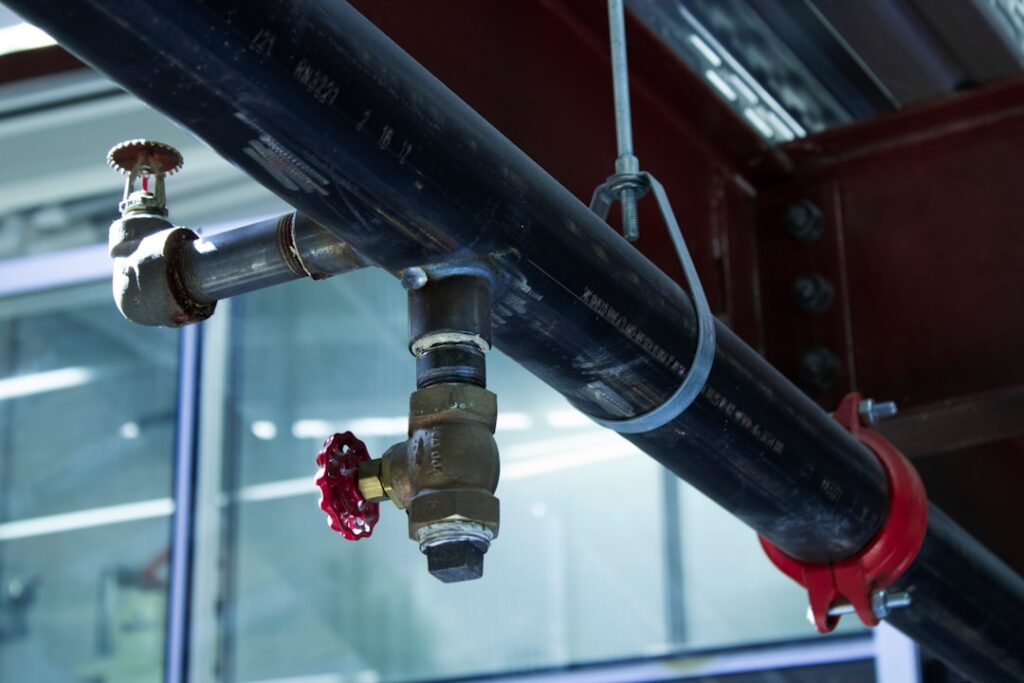
Along the Colorado Front Range, a night that drops well below zero after a mild week is enough to freeze a water line in an exterior wall, a crawl space or an unheated garage. Electric heat tape, more accurately called heat cable or pipe heating cable, is one of the most common ways homeowners protect vulnerable runs. Installed correctly, it quietly keeps a pipe above freezing. Installed wrong, left in place for decades or plugged into the wrong outlet, it becomes a fire hazard hidden in a crawl space nobody visits. This guide covers how heat tape for pipes works, the difference between self-regulating and constant-wattage products, the installation rules that matter most for safety, what federal safety officials have said about heat tape fires, how insulation fits in, and what inspectors look for when they find heat cable in a house.
Part of our Plumbing & Water guide — start there for the full picture →
What Heat Tape Does and Where It Is Used
Heat tape is an electrical heating element encased in insulation and a protective jacket. It is attached along a water pipe, and when the pipe or the air around it gets cold, the cable warms enough to keep the water inside from freezing. Most residential products plug into a standard receptacle, though some longer runs are hardwired.
Common places to find heat cable in a house include:
- Supply lines in vented crawl spaces and under mobile or manufactured homes.
- Pipes in unheated garages, especially those along exterior walls.
- Water lines in attics, soffits or cantilevered floors.
- Well and pump house piping, and lines feeding exterior hose connections or irrigation equipment.
- Pipes in cabins or vacation homes that are left unattended in winter.
Heat tape is a backup or a supplement, not a substitute for keeping pipes inside the heated envelope. Where a pipe can be rerouted, insulated and air-sealed against cold drafts, that is usually the more durable fix. Heat cable earns its place on runs that cannot easily be moved or protected any other way.
Self-Regulating vs Constant-Wattage Cable
Pipe heating products fall into two broad families, and the difference matters for both energy use and safety.
Constant-wattage heat tape
Constant-wattage cable puts out the same amount of heat per foot whenever it is energized. Many residential versions include a built-in thermostat, typically a small sensor near the plug end, that switches the cable on when the temperature falls to a set point and off again when it warms. Constant-wattage products are often sold in fixed lengths and are generally less expensive to buy.
Their main limitation is that they cannot sense hot spots. If a section of cable is overlapped, bunched, buried in debris or covered by too much insulation, that section keeps producing the same heat but cannot shed it, and the temperature can climb. That is why manufacturers of constant-wattage tape typically prohibit overlapping the cable on itself and are specific about how the cable is spiraled or run straight along the pipe. Never overlap or cross constant-wattage tape unless the manufacturer’s instructions specifically allow it.
Self-regulating heat cable
Self-regulating cable uses a conductive polymer core between two bus wires. As the core cools, it conducts more and produces more heat; as it warms, its resistance rises and heat output drops. In effect, each part of the cable adjusts to its own local conditions. A section against a cold exterior wall will run warmer than a section near a heated room.
Self-regulating products are generally considered more forgiving and energy-efficient than constant-wattage tape, and many can be cut to length and terminated with kits. They usually cost more up front. They are not immune to damage, misuse or wrong installation, and the manufacturer’s rules about overlapping, insulation and the type of pipe still apply.
Quick comparison
| Feature | Constant-wattage | Self-regulating |
|---|---|---|
| Heat output | Fixed per foot while on | Varies along the cable with temperature |
| Control | Usually a built-in or plug-in thermostat | Self-adjusting; may also use a thermostat |
| Overlapping | Typically prohibited | Check instructions; some products allow crossing |
| Up-front cost | Lower | Higher |
| Field cutting | Usually fixed lengths | Often cut to length with approved kits |
The Fire Risk of Old or Damaged Heat Tape
Heat tape fires are a long-standing concern for federal safety officials. In a January 1996 release re-issuing its heat tape guidelines, the U.S. Consumer Product Safety Commission estimated that each year about 1,500 fires, 10 deaths and 100 injuries resulted from faulty electric heat tapes. An earlier CPSC release, dated October 1990, put its estimate at about 3,300 residential fires a year involving heat tapes, with an estimated 20 deaths, 160 injuries and $25.4 million in property losses annually, and said that over half of those fires involved mobile homes and trailers. Both estimates are decades old and are not current statistics, but the hazard mechanisms CPSC described have not changed.
In the 1996 release, CPSC said newer heat tapes meeting national standards have a much better safety record than old ones, and it strongly urged homeowners to replace uncertified heat tapes more than 3 years old with new heat tapes certified to voluntary safety standards from Underwriters Laboratories (UL), the Canadian Standards Association (CSA) or Factory Mutual Research Corporation (FMRC). The 1990 release noted that investigators found many homeowners do not regularly inspect their heat tapes and that some were not aware heat tapes had been installed in their homes at all, and it said most consumers should call a qualified electrician to inspect the system.
CPSC’s safety guidance, as stated in its releases
The 1996 CPSC release lists these precautions for purchasing, installing and maintaining electric heat tapes:
- All new heat tapes have a 3-prong plug; always plug it into a 3-prong outlet so the heat tape is grounded.
- Plug heat tapes into an outlet protected by a ground-fault circuit-interrupter (GFCI).
- Do not wrap heat tape over itself unless specifically permitted in the manufacturer’s instructions.
- Apply heat tapes directly on the pipe to be protected, never on top of the insulation covering the pipe.
- Keep the end cap sealed and off the ground, since moisture can lead to a fire.
- Do not cover the heat tape with insulation unless advised by the manufacturer; use non-flammable insulation such as fiberglass, not foam or vinyl insulation that could catch fire from a failing heat tape.
- Do not use heat tapes designed for water pipes on gutters, driveways or fuel lines.
- If the heat tape has a thermostat, check the instructions on whether it should be placed against the pipe and insulated or left hanging and uncovered.
- Inspect heat tapes each year and replace them if they show deterioration, such as discolored surfaces (especially at the plug), charring, cuts or breaks in the insulation, or bare wires.
The 1990 release added that buyers should match the product to the diameter and length of the pipe as recommended by the manufacturer, and warned that over-insulation can cause a fire, so never use more insulation than the manufacturer recommends.
Why GFCI protection matters
Heat tape lives in damp, cold, often dirty locations, and its jacket can be cut by sharp edges, chewed by rodents or cracked by age. A ground-fault circuit-interrupter trips when it detects current leaking to ground, which can happen when insulation fails or water reaches a damaged cable or end cap. That protection is the point of CPSC’s GFCI recommendation. Many manufacturers also require ground-fault equipment protection for their heating cables. If a GFCI repeatedly trips on a heat tape circuit, the trip is a warning, not a nuisance: have the cable and connections checked rather than moving the plug to an unprotected outlet.
Extension cords are another common problem. A heat tape plugged into a light-duty indoor extension cord snaking across a crawl space floor is a typical inspection finding. Heat cable should be powered as the manufacturer specifies, generally from a properly installed outdoor-rated or damp-location receptacle with GFCI protection close to the pipe.
A pre-winter check for existing heat tape
For homeowners who already rely on heat cable, a short check each fall, before the first hard freeze, catches most problems early:
- Find every heat tape in the house, including crawl spaces, garages and the underside of manufactured homes, and note the brand and any date on the label.
- With the cable unplugged, look along its full length for cracking, discoloration, flattened or chewed sections and damaged end caps.
- Press the test button on the GFCI receptacle or breaker that serves the cable, then reset it.
- Confirm the thermostat or sensor is positioned as the instructions require.
- Replace any cable that is unlabeled, uncertified or showing wear rather than patching it with electrical tape.
Insulation Over Heat Tape
Pipe insulation and heat cable usually work together. The cable supplies heat, and the insulation slows its loss so the cable runs less. The safety question is what kind of insulation goes over the cable and how much.
- Follow the manufacturer exactly. Some products are designed to be covered with insulation, some specify a particular type or thickness and some older constant-wattage tapes were not meant to be covered at all.
- Heat cable goes under insulation, never on top of it. A cable laid over existing foam insulation does little to warm the pipe and can overheat the foam.
- Material matters. CPSC’s 1996 guidance recommends non-flammable insulation such as fiberglass where heat tape is covered, and warns against foam or vinyl that could catch fire from a failing tape. Some modern self-regulating cables are listed for use under specific foam products; the instructions for the cable in hand are the deciding document.
- Seal the jacket. Insulation should be wrapped with a weather-resistant jacket or tape where moisture is present, so wet insulation does not wick water toward the cable.
For choosing insulation types, sizes and R-values on pipes that do not need heat cable, see our pipe insulation guide.
Freeze Prevention Beyond Heat Tape
Heat tape is one layer in a freeze-prevention plan. On the Front Range, freeze-ups tend to follow the same pattern: an arctic front, gusty wind pulling cold air into a crawl space vent or rim joist gap, and a pipe running along an outside wall. Other measures often do as much or more:
- Air seal rim joists, crawl space vents and wall penetrations that let cold air reach pipes.
- Insulate and, where practical, warm the space the pipe runs through, such as an attached garage. Our garage insulation guide covers options.
- Disconnect garden hoses in fall and consider frost-free sillcocks; see the frost-free hose bib guide.
- During extreme cold, open cabinet doors on exterior walls and let a vulnerable faucet drip.
- Know where the main water shutoff is and confirm it works before winter.
If a pipe does freeze, thaw it slowly with safe heat sources, never an open flame, and watch for leaks as it thaws. Our guide to frozen pipes explains warning signs and thawing methods, and the burst pipe repair guide covers what to do when ice has already split a line.
Heat tape for gutters is a different product
Roof and gutter de-icing cable is designed for exposure to snow, meltwater and sun, and is installed differently from pipe heat tape. CPSC’s 1996 release specifically says not to use heat tapes designed for water pipes on gutters, driveways or fuel lines. If ice dams or frozen downspouts are the concern, see the separate heat tape for gutters guide.
What a Home Inspector Notes About Heat Tape
Under the ASHI Standard of Practice, a home inspector inspects interior water supply and distribution systems, and inspects ground fault circuit interrupters as part of the electrical system. Heat tape itself is an accessory that many inspectors note and comment on rather than test. In a crawl space, garage or under a manufactured home, typical observations include:
- Heat tape present, along with its approximate age if a label or date is visible.
- Discoloration, charring or melted spots on the cable, plug or nearby insulation.
- Cable overlapped or bunched, or laid on top of foam insulation.
- End caps lying on wet soil or open to moisture.
- Plugs connected to non-GFCI receptacles or to extension cords.
- Foam or vinyl insulation wrapped over constant-wattage tape.
- Pipes in cold locations with no visible freeze protection.
An inspector usually cannot confirm whether a thermostat-controlled cable is actually heating on a warm inspection day, so buyers purchasing in summer should plan to check the system in fall. Where the cable looks old, unlabeled or damaged, replacement by a qualified electrician or plumber is a reasonable recommendation. Our plumbing and water inspection hub covers the rest of the water system evaluation.
Heat Tape Costs: Hedged Ranges
Prices vary by brand, length, cable type and how much electrical work is needed. The figures below are general 2026 ranges for planning only.
- Plug-in constant-wattage kits. Short pre-terminated lengths for a single pipe often cost in the tens of dollars at home centers, with longer kits higher.
- Self-regulating cable. Usually priced higher per foot, with termination and connection kits extra; a residential run commonly lands in the low hundreds of dollars for materials.
- Professional installation. Labor for installing cable, insulation and a GFCI-protected receptacle near the pipe can add from a couple of hundred dollars to several hundred or more, depending on access and whether a new circuit is required.
- Operating cost. Depends on the cable’s wattage, how many hours it runs and local electricity rates. Thermostat-controlled and self-regulating cables generally use less energy than tape left energized all season.
Compare those numbers with the cost of a burst pipe, which can include plumbing repair, drywall, flooring and mitigation. For most homes, the better long-term spending is often on air sealing and insulation that keep pipes warm without electricity, with heat cable reserved for the runs that need it. The guide to hiring a home inspector explains how to find someone who checks crawl spaces and freeze protection as part of a standard inspection.
References
- CPSC Re-Issues Heat Tape Guidelines In Wake Of Zoo Fire — U.S. Consumer Product Safety Commission
- Mobile Homes: Have Heat Tapes, Cables Checked For Fire Hazards — U.S. Consumer Product Safety Commission
- ASHI Standard of Practice for Home Inspections — American Society of Home Inspectors
Frequently asked questions
Is heat tape for pipes safe?
It can be when it is a certified product installed and maintained according to the manufacturer's instructions and plugged into a GFCI-protected outlet. CPSC has long warned that old, damaged or improperly installed heat tapes cause fires.
Can heat tape be overlapped on a pipe?
Not unless the manufacturer's instructions specifically allow it. Constant-wattage tape in particular can overheat where it crosses itself. Self-regulating cable is more forgiving, but its instructions still govern.
Should heat tape be covered with insulation?
Only as the manufacturer advises. CPSC guidance says to apply the tape directly to the pipe, never on top of insulation, and to use non-flammable insulation such as fiberglass rather than foam or vinyl where covering is allowed.
How often should heat tape be replaced?
Inspect it every year and replace it if you see discoloration, charring, cuts or bare wires. CPSC has urged replacing uncertified heat tapes more than three years old with certified products.
Can pipe heat tape be used in gutters?
No. CPSC advises against using heat tapes designed for water pipes on gutters, driveways or fuel lines. Roof and gutter de-icing cable is a separate product built for that exposure.
Found old heat tape in the crawl space of a home you are buying? Reach out to schedule a Front Range inspector who looks at freeze protection, wiring and the pipes it is meant to save.