Home Test Kit for Asbestos: How Mail-In Lab Kits Work
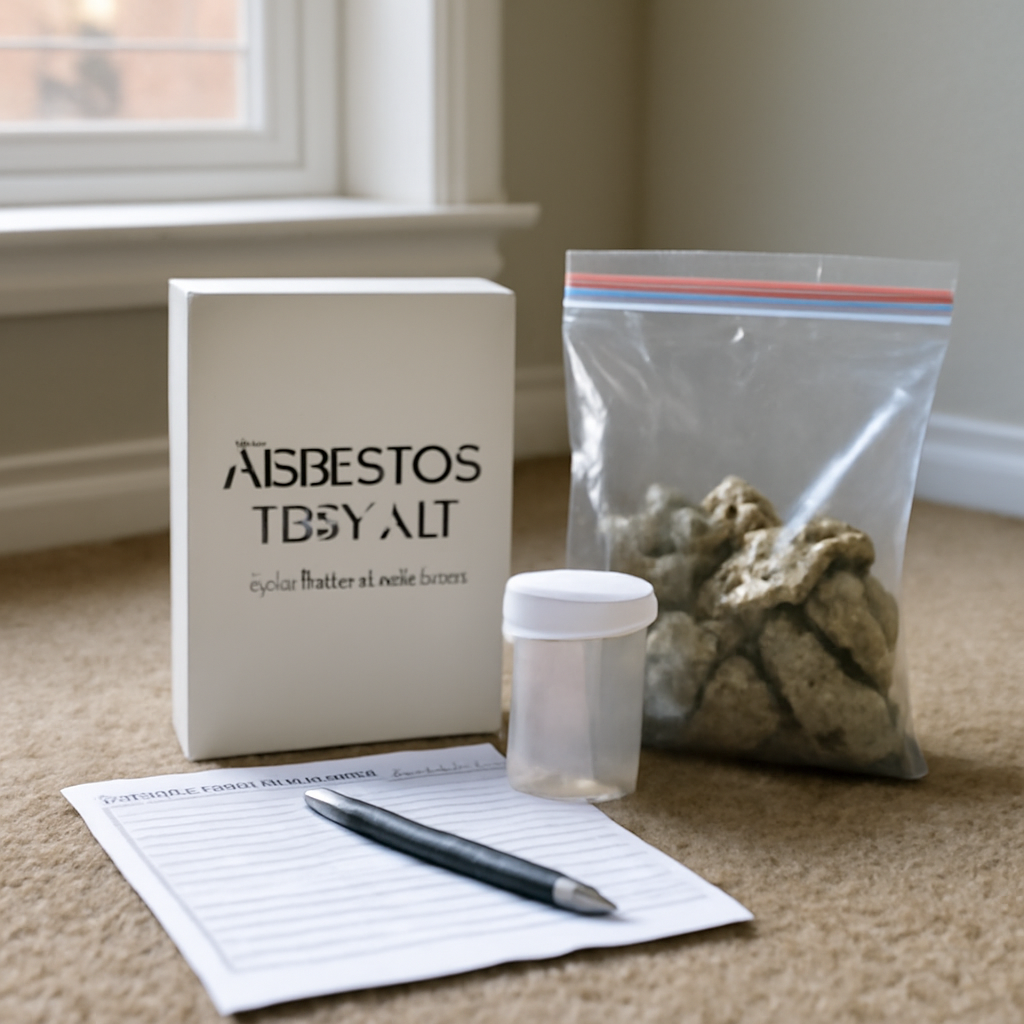
A home test kit for asbestos sounds like a quick answer to a nagging question about an old popcorn ceiling, vinyl tile or pipe wrap. In practice, most kits sold to homeowners are sampling kits: you collect a small piece of material, seal it and mail it to a laboratory that examines it under a microscope. That can be a useful, affordable step, but it comes with real safety trade-offs, because taking a sample can release fibers. This guide summarizes CPSC, EPA and OSHA information current as of 2026; it is general information, not a substitute for a trained asbestos professional, and anyone worried about exposure should speak with a physician. The Front Range perspective at the end covers how Colorado rules can affect renovation plans.
Part of our Asbestos in the Home guide — start there for the full picture →
Is this mold, asbestos, or water damage? Get a free instant screen
Upload a clear photo of the suspect area. You'll get an instant AI screening opinion and what to do next. This is screening guidance, not a professional determination.
Screening guidance only. AI can be wrong. Confirm asbestos, mold type, or lead with lab testing or a licensed professional before acting.
How a Home Test Kit for Asbestos Works
Asbestos cannot be confirmed by sight. The CPSC explains that you cannot tell whether a material contains asbestos simply by looking at it unless it is labeled, and that asbestos can be positively identified only with a special type of microscope. That is why legitimate home kits are built around a lab, not a color-change strip.
The typical process looks like this:
- Buy a kit online or at a hardware store. Some kits include the lab fee; many charge it separately when the sample is submitted.
- Prepare the area and collect a small sample of the suspect material following the kit instructions.
- Seal and label the sample, complete the chain-of-custody or submission form and mail it to the lab.
- The lab examines the sample, most commonly by polarized light microscopy (PLM), and reports whether asbestos was detected, which type and an estimated percentage.
- Results arrive by email or online portal, often within days of the lab receiving the sample, with faster turnaround usually available for an extra fee.
There is no widely accepted instant home test for asbestos in building materials. Products that claim to give an on-the-spot answer without laboratory analysis should be treated with caution, since the CPSC describes microscopic examination as the way asbestos is positively identified. For a broader look at the product category, see our overview of the asbestos test kit market and our guide to the at-home asbestos test kit process.
Why the lab matters
The CPSC advises sending samples to an asbestos analysis laboratory accredited by the National Voluntary Laboratory Accreditation Program (NVLAP), run by the National Institute of Standards and Technology. Before buying a kit, check which lab will analyze the sample and whether that lab holds NVLAP accreditation for bulk asbestos analysis. A kit is only as good as the lab behind it.
What Comes in a Typical Kit
Kit contents vary by brand, but most include some combination of the following:
- Sample containers. Resealable bags or small vials, sometimes double-bagged.
- Instructions. Step-by-step sampling directions and safety notes.
- Submission form. A chain-of-custody or sample information sheet listing the material, location and contact details.
- Mailer. A prepaid or pre-addressed envelope to the lab.
- Basic protective items. Some kits add disposable gloves or a simple mask. These are minimal and may not provide adequate respiratory protection for disturbing suspect material.
- Lab fee information. Either a prepaid analysis or instructions for paying online.
Items homeowners often need to supply themselves include a spray bottle, a little dish detergent, plastic sheeting, a sharp knife or chisel, duct tape, damp paper towels, a marker and appropriate respiratory protection. Retail availability is a common question; our guide to the asbestos test kit at Home Depot covers what shoppers typically find on shelves. Kits are also available in our asbestos test kit shop.
Best Asbestos Test Kit: our top 3 picks
| Product | Best for | Key features | Price | Buy |
|---|---|---|---|---|
| Seeml Labs Asbestos Inspector in a Box | Verifiable lab accreditation |
| $22.00as of Nov 3, 2026 10:40 pm GMT+0000 | Buy now →Check current price |
| SLGi 1-Pack (5 Day) | Single sample with return postage |
| $35.00as of Nov 3, 2026 9:31 pm GMT+0000 | Buy now →Check current price |
| Asbestos-Sampling.com 2-Sample | Type and percentage in the result |
| $59.95as of Nov 3, 2026 9:31 pm GMT+0000 | Buy now →Check current price |
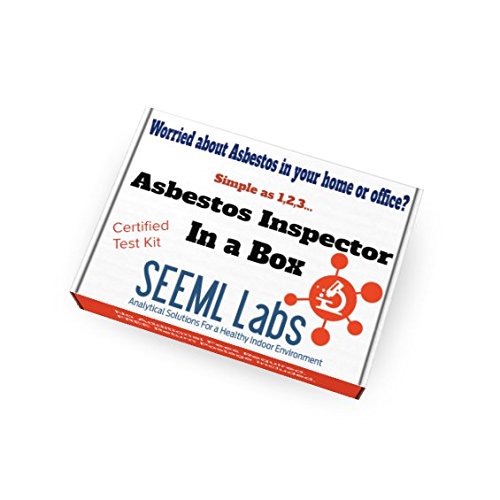

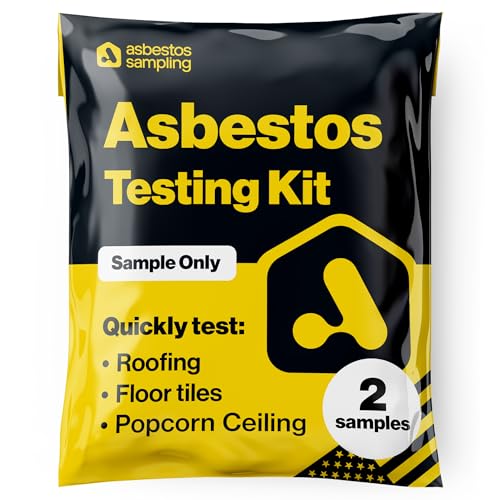
Prices are Amazon’s listed prices as of the time shown and change often; check Amazon for today’s price. As an Amazon Associate we earn from qualifying purchases.
Safe Sampling Steps Based on CPSC Guidance
The CPSC’s position is cautious. It says taking samples yourself is not recommended and that a professional should take samples, because a professional knows what to look for and because there may be an increased health risk if fibers are released. It also states that the best thing to do with asbestos material in good condition is to leave it alone, and that only material that is damaged or will be disturbed should be sampled.
For homeowners who choose to sample anyway, the CPSC lists minimum procedures. Paraphrased, they are:
- Clear the room. Make sure no one else is in the room during sampling.
- Protect your hands. Wear disposable gloves or wash hands after sampling.
- Shut off air movement. Turn off heating and cooling systems to minimize the spread of any released fibers.
- Disturb as little as possible. Take only a small sample.
- Lay down plastic. Place a plastic sheet on the floor below the sampling area.
- Wet the material first. Mist it with water containing a few drops of detergent to reduce fiber release.
- Collect and seal. Cut a small piece through the full depth of the material and place it in a clean container, such as a resealable bag or vial, then tightly seal it.
- Clean up carefully. Dispose of the plastic sheet, and wipe the outside of the container and the area with a damp paper towel. Dispose of asbestos materials according to state and local procedures.
- Label the sample. Note the material and location.
- Patch the spot. Cover the sampled area with the smallest possible piece of duct tape to prevent fiber release.
Kit instructions may add their own steps, and they should be followed alongside this guidance. Respiratory protection deserves particular thought. The paper dust masks included in some kits are not designed for asbestos, and choosing a suitable respirator is a question for the kit maker, a safety supplier or a professional. Our guide to taking an asbestos sample walks through tools and preparation in more detail.
When not to sample
Some situations call for a professional rather than a kit:
- Friable material. The CPSC notes that asbestos material that would crumble easily if handled, or that has been sawed, scraped or sanded into a powder, is more likely to create a health hazard. Crumbly pipe lagging, deteriorating boiler insulation and loose-fill attic insulation fall into this category.
- Large or extensively damaged areas. Widespread damage is beyond a small-sample approach.
- Hard-to-reach locations. Ceilings above stairwells, tight crawl spaces and HVAC ducts raise the chance of a spill or fall.
- Material in good condition that will not be disturbed. The CPSC’s advice is to leave it alone.
- Before a sale or major renovation. Multiple materials and documentation needs usually favor a professional survey.
- Vulnerable occupants. Homes with infants, pregnant occupants or people with lung disease may warrant extra caution.
Flooring is a frequent DIY target, and older vinyl tiles and mastic are common questions. Our page on the asbestos tile test kit covers flooring-specific considerations.
Reading Your Lab Results
A typical bulk asbestos report lists each sample with a description of the material, the layers analyzed, the asbestos types found, an estimated percentage and the analytical method. Common terms include:
- None detected (ND). No asbestos was observed in the sample analyzed. That applies to the sample, not necessarily to every similar-looking material in the house.
- Trace or less than 1%. Asbestos was observed below 1%. Regulatory definitions often use 1% as a threshold for asbestos-containing material, but how trace results are handled can vary by rule and jurisdiction.
- Percentage by type. For example, a chrysotile percentage. Chrysotile is the most commonly used form; OSHA notes that epidemiologic evidence has increasingly shown that all asbestos fiber types, including chrysotile, cause serious disease.
- Layered samples. Materials such as flooring with mastic or drywall with joint compound may be reported layer by layer.
- Method notes. PLM is the standard screening method for bulk samples. Labs may suggest additional analysis, such as transmission electron microscopy, for some materials or borderline results.
A positive result does not automatically mean the material must be removed. The CPSC says that if asbestos material is in good shape and will not be disturbed, the answer is to do nothing, while damaged material or material that will be disturbed may need repair or removal by a professional. Our guide to asbestos test results explains report terms in more depth, and our page on asbestos encapsulation covers one of the repair options.
DIY Kit vs Professional Sampling
The choice between a mail-in kit and a professional inspection comes down to scope, safety and what the result will be used for. The comparison below is general and hedged; pricing and services vary by provider.
| Factor | DIY mail-in kit | Professional sampling or inspection |
|---|---|---|
| Who collects the sample | The homeowner | A trained, often state-certified inspector |
| Analysis | Accredited lab, usually PLM | Accredited lab, usually PLM, with other methods when needed |
| Number of materials | Usually one or a few samples | Survey of all suspect materials in the work area |
| Safety controls | Depends on the homeowner’s precautions | Trained sampling practices and equipment |
| Typical cost | Lower per sample, often tens of dollars including lab fee | Higher overall, often hundreds of dollars or more |
| Documentation | Lab report for the sample submitted | Inspection report with locations, results and recommendations |
| Use for permits or regulated renovation | Often not accepted | Commonly required or preferred |
| Best fit | A single, intact, accessible material and a curious homeowner | Renovations, real estate, friable or extensive materials |
For cost comparisons, our guide to asbestos testing cost explains how professional pricing is usually built, and our asbestos inspection page covers what a professional survey typically includes. If results lead to removal, our page on asbestos abatement cost covers what drives pricing.
Why disturbing asbestos is the real concern
The EPA explains that asbestos fibers may be released into the air when asbestos-containing material is disturbed during product use, demolition, home maintenance, repair and remodeling, and that, in general, exposure may occur only when the material is disturbed or damaged in some way. That framing is the key to deciding how to proceed. Intact material behind a wall that nobody plans to touch poses a different situation from a ceiling about to be scraped.
OSHA’s asbestos page explains why the stakes are high: asbestos can cause lung cancer, mesothelioma and other diseases, and OSHA states there is no “safe” level of asbestos exposure for any type of asbestos fiber. OSHA’s standards focus on workers, especially in construction during renovation, repair and demolition, but the underlying hazard is the same in a home.
Colorado Renovation Rules and Regulation 8
For Front Range homeowners, the regulatory picture adds another reason to plan testing carefully. Colorado regulates asbestos through the Colorado Department of Public Health and Environment under Air Quality Control Commission Regulation 8. In broad terms, the rules have long required certain renovation and demolition projects to have suspect materials inspected by a state-certified asbestos building inspector before work disturbs them, with permits and certified abatement contractors required above specified amounts. Rules for single-family homes have specific thresholds and exemptions that have changed over time, and local building departments may ask for documentation before issuing permits.
Because of those rules, a homeowner’s own kit result may not satisfy requirements for a permitted renovation. Anyone planning a remodel, a demolition or a large flooring or ceiling project in Colorado should check current Regulation 8 requirements with CDPHE or the local building department before starting, and confirm whether a certified inspector’s survey is needed. This section is a general summary, not legal advice.
Many Front Range homes built before the 1980s may contain materials that are commonly tested, such as textured ceilings, vinyl flooring and mastic, drywall joint compound, duct tape and boiler or pipe insulation. Testing before cutting, sanding or tearing out these materials is the sensible order of operations.
Materials Homeowners Commonly Test
The CPSC explains that asbestos was added to a variety of products in the past to strengthen them and to provide heat insulation and fire resistance, and the EPA notes that most exposure risk comes from disturbing those materials during maintenance, repair and remodeling. The table below lists materials that homeowners often ask about, with general notes on whether a kit is a reasonable first step. It is a hedged guide, not a list of materials that definitely contain asbestos.
| Material | Typical condition | Kit suitability (general) | Notes |
|---|---|---|---|
| Textured “popcorn” ceiling | Often intact but soft and easily disturbed | Sometimes, with careful wetting and a small sample | Ceiling work raises the risk of debris falling; many owners hire a pro. |
| Vinyl floor tile and mastic | Usually non-friable while intact | Often suitable if the tile is intact | Sample tile and adhesive layers; breaking, grinding or sanding changes the picture. |
| Sheet vinyl flooring backing | Varies | Sometimes | Backing layers can be fibrous; avoid tearing large sections. |
| Drywall joint compound and texture | Intact unless being sanded | Sometimes | Results may be reported for compound and board separately. |
| Pipe and boiler insulation | Often deteriorated and crumbly | Generally better left to a professional | Friable material is more likely to release fibers. |
| Loose-fill attic insulation | Loose and easily disturbed | Generally better left to a professional | Disturbing loose fill can spread fibers widely. |
| Duct wrap and furnace tape | Varies with age | Situational | Shut down the HVAC system before any sampling. |
| Exterior siding and roofing shingles | Usually non-friable while intact | Often suitable for small samples | Weathered or broken pieces deserve extra care. |
Two practical points come up repeatedly. First, materials that look identical may come from different batches or renovations, so one negative result does not clear an entire house. Second, the act of testing should never become a mini-demolition. The CPSC’s instruction to disturb the material no more than needed to take a small sample is the guardrail.
After the Results: Practical Next Steps
A lab report is the start of a decision, not the end of one. How the result is used depends on the material’s condition and on plans for the space.
If no asbestos was detected
A none-detected result for a specific material gives reasonable confidence about that sample. Before a renovation, though, confirm that every material to be disturbed has been tested, including layers hidden under newer finishes. Where rules require a certified inspection, a homeowner’s result may need to be repeated by a qualified inspector.
If asbestos was detected
The CPSC describes two broad types of correction: repair and removal. Repair usually means sealing (encapsulation), where the material is treated so fibers are bound together or coated over, or covering (enclosure), where something is placed over or around the material. The CPSC says major repairs must be done only by a professional trained in safe asbestos handling, and that minor repairs should also be done by professionals because there is always a risk of exposure when asbestos is disturbed. It also notes that removal is complex, must be done only by a contractor with special training, and that improper removal may actually increase the health risk.
For intact material that will not be disturbed, the CPSC’s guidance is to do nothing and leave it alone. Many homeowners note the location on a floor plan so future contractors are aware of it.
If the result is trace or borderline
Low or trace results are where professional input is most valuable. A lab or certified inspector can explain whether additional analysis makes sense and how local rules treat the result for a planned project.
Choosing a Kit and Avoiding Common Mistakes
For homeowners who decide a kit fits their situation, a few checks make the result more useful:
- Confirm the lab’s accreditation. Look for NVLAP accreditation for bulk asbestos analysis.
- Check the total price. Add the kit price, lab fee, rush fee and any shipping.
- Count your materials. Each distinct material usually needs its own sample, so a one-sample kit may not be enough.
- Sample the full depth. Layered materials need every layer represented.
- Avoid the obvious errors. Dry scraping, sampling with the furnace running, using a household vacuum to clean up and leaving the sampled spot uncovered all increase fiber release risk.
- Keep records. Save the lab report and a note of exactly where each sample was taken.
Our hands-on guide to a DIY asbestos test kit covers the sampling workflow from start to finish, and our roundup of asbestos tests compares bulk, air and dust testing. For the bigger picture on asbestos and lead in homes, visit our asbestos and lead section and the asbestos hub.
References
- Asbestos in the Home — U.S. Consumer Product Safety Commission
- Learn About Asbestos — U.S. Environmental Protection Agency
- Asbestos — Occupational Safety and Health Administration
Frequently asked questions
How does a home test kit for asbestos work?
Most kits are mail-in sampling kits. You collect a small, wetted sample of the suspect material, seal it and send it to a laboratory, which usually analyzes it by polarized light microscopy and reports whether asbestos was detected.
Is there an instant asbestos test for home use?
There is no widely accepted instant test for asbestos in building materials. The CPSC explains that asbestos can be positively identified only with a special type of microscope, which is why reliable kits rely on lab analysis.
Is it safe to take an asbestos sample myself?
The CPSC does not recommend taking samples yourself and suggests a professional do it. If you choose to sample, follow its precautions: clear the room, shut off heating and cooling, wet the material, take a small piece, seal it and patch the spot.
What should I do if my asbestos test is positive?
Material in good condition that will not be disturbed can often be left alone, according to the CPSC. Damaged material, or material affected by a planned renovation, should be repaired or removed by a trained professional.
Can I use a DIY kit result for a Colorado renovation permit?
Often not. Colorado's Regulation 8 has long required inspection by a state-certified asbestos inspector for many renovation and demolition projects. Check current requirements with CDPHE or your local building department.
Planning a Front Range remodel and unsure whether a kit or a professional survey makes more sense? Get in touch and we can help you weigh the options.