Asbestos Tile Test Kit: What Homeowners Need to Know
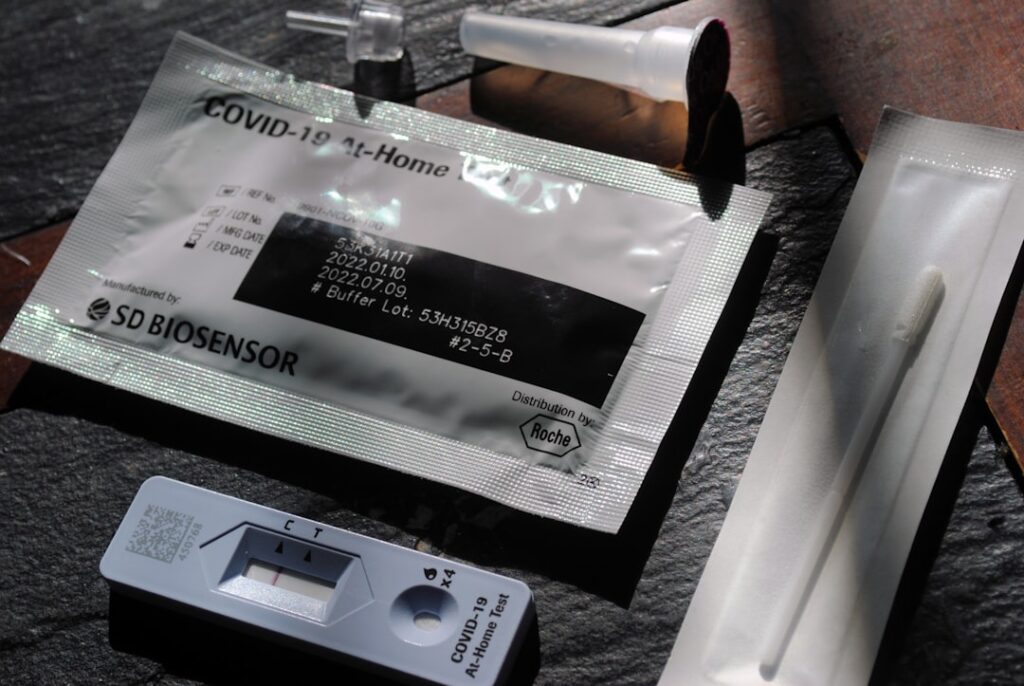
An asbestos tile test kit is a consumer-grade collection package that lets homeowners take a small sample of vinyl floor tile or its mastic adhesive and mail it to an accredited lab for asbestos analysis. The kits exist because vinyl floor tiles installed before 1985 commonly contain asbestos and because the lab analysis itself — polarized light microscopy at an NVLAP-accredited laboratory — is identical regardless of who collects the sample. The trade-off with DIY collection is the higher risk of fiber release during sampling. This guide summarizes EPA, OSHA, and CDC guidance current as of 2026 — it is informational, not medical or legal advice. For damaged tiles or large-scale renovation, hire a licensed asbestos consultant rather than relying on a DIY kit.
Is this mold, asbestos, or water damage? Get a free instant screen
Upload a clear photo of the suspect area. You'll get an instant AI screening opinion and what to do next. This is screening guidance, not a professional determination.
Screening guidance only. AI can be wrong. Confirm asbestos, mold type, or lead with lab testing or a licensed professional before acting.
What is an asbestos tile test kit and how does it work?
An asbestos tile test kit typically includes sample bags, a chain-of-custody form, basic instructions, sometimes a pair of disposable gloves, and prepaid shipping to an accredited lab. The kits cost $30 to $80 depending on brand and the number of samples included. The lab analysis is the same PLM method professional inspectors use, performed at NVLAP-accredited facilities listed by the National Institute of Standards and Technology.
The homeowner is responsible for collection. Standard procedure: identify the suspect tile, wet the area to suppress dust, cut a small sample (typically a few square centimeters from a corner) with a wet utility knife, double-bag the sample with a written location label, and ship it to the lab in the kit’s prepaid package. The mastic adhesive beneath the tile sometimes contains different asbestos content than the tile itself, so collecting both is often recommended.
Lab turnaround is typically two to ten business days for standard analysis, with rush service available at extra cost. The result reports whether asbestos is present, the type, and the percentage by weight. A positive result (greater than 1 percent) classifies the material as an “asbestos-containing material” under federal regulations. The parent guide to asbestos and lead in pre-1978 housing covers the broader context for homeowners weighing testing.
When to use a tile test kit
Tile test kits are most useful for homeowners planning renovations to floors in pre-1985 homes, particularly the 9-by-9-inch and 12-by-12-inch vinyl tiles common in mid-century kitchens, bathrooms, basements, and laundry rooms. Black mastic adhesive — often visible under broken or removed tiles — is also a high-suspicion material in the same era.
Buyers shopping pre-1985 homes also use tile kits during the inspection contingency period. A few samples can confirm or rule out asbestos in the most common locations and inform negotiations or renovation planning before closing. The cluster article on asbestos test kits at Home Depot covers retail availability and what’s typically included in those kits.
Test kits become less appropriate when the tile is severely damaged, when large-scale removal is planned, when the renovation requires a permit that mandates a licensed survey, or when the home is being sold and the buyer or lender expects professional documentation. In those cases, a licensed asbestos inspector is the better path, even though the lab analysis itself would be the same.
Sample collection: the high-stakes part of DIY testing
The sample is small. A few square centimeters is typically sufficient for PLM analysis. The risk is fiber release during cutting. Homeowners should follow these steps to keep collection low-risk:
- Wear an N95 or P100 respirator (a standard dust mask is not sufficient)
- Wet the tile and surrounding area with water mixed with a small amount of dish soap (the soap helps water cling to the surface)
- Use a wet utility knife or razor to cut a corner of the tile, ideally from an edge or low-traffic area
- Drop the cut piece directly into a zip-top bag without breaking it further
- Double-bag the sample, label with location and date, and seal in the lab’s prepaid envelope
- Clean the work area with damp paper towels (no vacuuming or sweeping) and dispose of cleanup materials in a sealed bag
Take photographs of the sample location before cutting. Future buyers, future renovations, and any disclosure obligations will benefit from documented sample locations. Keep the lab report indefinitely; it becomes the home’s permanent asbestos record for that material.
Mastic adhesive: the often-overlooked second sample
The black asphalt-based mastic adhesive beneath vinyl tiles often contains asbestos in pre-1985 homes, sometimes at higher percentages than the tile itself. Homeowners testing tiles should consider sampling the mastic separately because removal will involve scraping the mastic and the abatement plan depends on both materials’ asbestos content.
Mastic sampling is similar to tile sampling but slightly trickier because the material is glued to the substrate. Use a wet utility knife or wet razor scraper to lift a small amount, drop it into a bag, and label it as a separate sample (e.g., “Sample A: kitchen tile” and “Sample B: kitchen mastic adhesive”). Most labs charge per sample, and the modest extra cost ($25 to $50) is worth it because mastic abatement often dominates the total removal cost.
If the tile tests negative but the mastic tests positive, the homeowner still has an asbestos-containing material to manage. If both test positive, the abatement contractor handles them as a system. The cluster article on asbestos floor tile removal covers what removal actually entails and what it costs.
Reading the lab report and what to do next
Lab reports report asbestos as present or absent, plus the type and percentage if present. Common findings in vinyl floor tile include chrysotile (white asbestos) in the 5 to 30 percent range. Some pre-1980 tiles contain higher percentages, particularly the smaller 9-by-9-inch tiles common in kitchens and bathrooms.
A positive result does not automatically mean removal. EPA guidance favors leaving intact asbestos materials in place when they are not deteriorating. Homeowners planning to install a new floor over the existing tile sometimes encapsulate the asbestos tile with new flooring rather than removing it, which is allowed in many jurisdictions provided the tile is intact. Homeowners planning to remove the tile must hire a licensed abatement contractor and follow Colorado’s CDPHE rules for residential abatement.
Negative results clear the homeowner to remove or renovate without abatement protocols, though it is still wise to wear PPE and clean up carefully because mid-century floor coverings often contain other irritants. Reports should be saved indefinitely for renovation reference and real estate disclosure.
When DIY isn’t enough: signs to call a licensed inspector
Several situations call for professional inspection rather than DIY collection:
- The tile is severely cracked, crumbling, or has visible water damage
- Large-scale removal is planned (more than 100 square feet)
- A renovation permit requires a licensed pre-renovation survey
- The home is being sold and the buyer or lender expects documented testing
- Multiple suspect materials need testing across the home
- The homeowner is uncomfortable handling sample collection safely
A licensed asbestos inspector typically charges $300 to $700 for a small sample set. The price reflects the inspector’s training, PPE, chain-of-custody documentation, and written report. Inspectors familiar with Colorado’s rules can also flag whether the project will trigger CDPHE notification or permit requirements before work begins. The cluster article on asbestos testers in 2026 covers how to find and vet a qualified inspector.
One additional indicator that DIY has reached its limit: tile that sits in a wet area. Original 9-by-9 vinyl tile in basement laundry rooms, slab-on-grade kitchens in mid-century Denver and Englewood neighborhoods, and bathrooms with subfloor moisture often shows curling edges or lifted corners. Cutting a sample under those conditions risks fracturing brittle, asbestos-containing tile across the floor and aerosolizing fibers in a way wet sampling alone cannot fully control. Front Range homeowners in Adams, Arapahoe, Jefferson, and Boulder counties also have a regulatory consideration: any project meeting Colorado Regulation 8 Part B thresholds (32 square feet of surface material is a common trigger for tile work) requires sampling by a Colorado-certified Building Inspector, not a DIY kit, and removal under permit by a Colorado-certified Asbestos Abatement Contractor. When either the physical condition or the project scope crosses those lines, the kit’s value ends and the inspector’s value begins.
References
- EPA asbestos in the home and renovation guidance — U.S. Environmental Protection Agency
- OSHA asbestos exposure standards — Occupational Safety and Health Administration
- CDC NIOSH asbestos worker safety information — Centers for Disease Control and Prevention
- CDPHE Colorado residential asbestos rules — Colorado Department of Public Health and Environment
Front Range homeowners weighing tile testing or removal in a pre-1985 home can reach a vetted local inspector through our contact page for a referral to a licensed Colorado asbestos consultant.
Asbestos test kits
Asbestos can only be confirmed by a lab. A mail-in kit gets you a sealed sample container and accredited analysis — never sand or disturb suspect material first.
| Product | Why | Buy |
|---|---|---|
 Asbestos Test Kit (mail-in lab) Asbestos Test Kit (mail-in lab) | Includes PPE + sealed mailer. | Amazon — $34.99 |
| Pro-Lab Asbestos Test Kit | Widely available; lab fee separate. | Amazon — $34.99 |