Wood Stove Pipe: Connector Clearances and Chimney Transitions
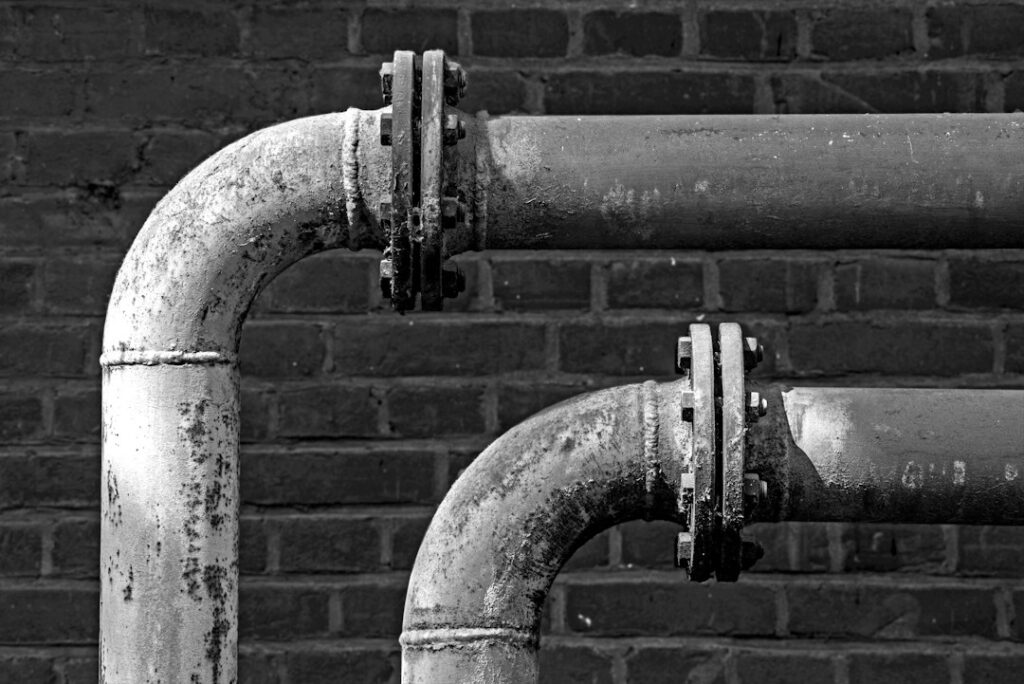
The few feet of black pipe between a wood stove and the ceiling or wall get less attention than the stove itself, yet that short run carries the hottest flue gases in the system. Stove pipe that is the wrong type, too close to a wall, installed upside down or held together with too few screws is a frequent finding when inspectors look at wood-burning installations in mountain cabins and Front Range homes alike. This guide explains the difference between single-wall connector pipe, double-wall connector pipe and listed chimney pipe; how clearances to combustibles are set; how sections should be oriented and fastened; why creosote builds up; how carbon monoxide fits in; and what typical work costs in 2026. The stove’s installation manual and local building department are the controlling references for any specific installation.
Part of our Heating, Cooling & Ventilation guide — start there for the full picture →
What Stove Pipe Is and What It Is Not
“Stove pipe” usually refers to the connector: the pipe that runs from the stove’s flue collar to the chimney. It is not a chimney. That distinction drives most of the rules.
Single-wall connector pipe
Traditional black stove pipe is a single layer of steel, usually painted with high-temperature finish. It is inexpensive, radiates heat into the room and is designed to be used only as a connector in the same room as the stove. It is not designed to pass through walls, ceilings, floors, closets or attics on its own.
Double-wall connector pipe
Double-wall (close-clearance) connector pipe has an inner steel liner and an outer shell with an air gap between. It keeps the outer surface cooler and generally allows reduced clearances to combustibles, as stated in its listing. It is still a connector, not a chimney.
Listed chimney pipe
Factory-built chimney pipe, often insulated double-wall or triple-wall stainless steel, is designed to pass through ceilings, attics and roofs to the outdoors. It is installed with listed components such as ceiling support boxes, firestops, attic insulation shields, roof flashing and a cap. The transition from connector to chimney happens at a ceiling support box, a wall thimble or a masonry chimney’s breach.
Using single-wall connector pipe as a chimney, by running it through a ceiling or out a wall without the proper listed parts, is among the most serious defects an inspector can find. Ordinary stove pipe through a wall with nothing but a hole and some sheet metal is a significant fire hazard.
Clearances to Combustibles
Clearance is the air space required between the pipe (or stove) and anything that can burn: drywall over wood studs, wood paneling, trim, ceilings, furniture and stored items. The exact numbers come from the listing on the stove and the pipe, printed on a label on the appliance and in its manual.
Single-wall connector pipe typically requires substantially more clearance than double-wall pipe. Many listings and codes commonly cite figures in the range of about 18 inches for single-wall connector pipe to unprotected combustibles, with reduced distances permitted for listed double-wall pipe or with approved heat shields. Treat any rule-of-thumb figure as a starting point only; the label and manual for the specific stove and pipe govern.
Ways clearance can be reduced, when the listing allows:
- Using listed double-wall connector pipe.
- Installing a listed pipe heat shield on single-wall pipe.
- Adding a ventilated wall shield with an air space behind it, built to the dimensions specified by the manufacturer or code.
A wall that “looks” non-combustible, such as drywall, is generally still treated as combustible if it is attached to wood framing. Brick veneer or tile glued directly to drywall may not count as a heat shield either, because it conducts heat to the material behind it.
For general household heat safety, the U.S. Fire Administration advises keeping anything that can burn at least 3 feet from heat sources including wood stoves and fireplaces. That applies to firewood stacks, furniture, drying laundry and decorations around the stove and pipe.
Orientation, Crimps, Screws and Slope
Stove pipe sections have a crimped (narrowed) end and a plain end. How they go together matters.
Crimped end down
The usual practice for connector pipe is to install sections with the crimped end pointing down, toward the stove. That way, liquid creosote and condensation running down the inside of the pipe stay inside the pipe and drip back toward the firebox rather than leaking out at each joint. Some manufacturers specify otherwise for particular products, so the pipe’s instructions should be followed. Pipe installed with crimps pointing up often shows tell-tale dark streaks at the joints.
Fastening the joints
Each joint in single-wall pipe, including the connection to the stove collar, is typically secured with sheet-metal screws, commonly three per joint. The screws keep sections from separating from vibration, thermal movement or a chimney fire. Double-wall connector systems often use twist-lock or other listed connections instead of screws; the manual says which.
Slope, length and elbows
Horizontal runs of connector pipe should rise toward the chimney rather than run flat or slope down. Many guidelines call for an upward pitch along any horizontal section, keep total connector length as short as practical and limit the number of elbows. Every elbow adds resistance and a place for creosote to accumulate. Long horizontal runs cool the flue gases, which increases condensation and creosote formation.
Access for cleaning
A connector that can be disassembled for inspection and cleaning, or that includes a cleanout tee, makes maintenance easier. Connector pipe should not be concealed in a wall or ceiling.
Creosote: Why It Forms and Why It Matters
Creosote is the tarry, flaky or glazed residue that condenses inside stove pipes and chimneys when smoke cools. It is combustible, and a thick buildup can ignite into a chimney fire that reaches very high temperatures inside the flue and pipe.
Factors that increase creosote include burning wet or unseasoned wood, smoldering low-temperature fires, oversized stoves run at low settings, long or cold connector runs and exterior chimneys exposed to cold air. Colorado’s dry climate helps firewood season, but shoulder-season fires burned slowly on mild days can still produce heavy deposits.
EPA’s Burn Wise program, which the agency now describes as a historical record no longer being updated as of October 30, 2025, published best wood-burning practices that remain useful. Its guidance recommends burning only dry, split, well-seasoned wood (seasoned at least six months, with best burning below 20 percent moisture content), building hot fires rather than smoldering ones, keeping the appliance doors closed except when loading or stoking, keeping flammable items such as curtains, furniture, newspapers and books away from the appliance, and never burning trash, painted or treated wood, plywood or particle board.
The USFA advises having heating equipment and chimneys cleaned and inspected each year by a professional. Our guides to chimney sweep cost and chimney liners cover what a sweep does and when a masonry chimney needs a liner for a wood stove connection.
Signs the pipe needs attention
- Black, shiny or tar-like deposits at joints or visible inside the pipe.
- Smoke spilling into the room during start-up or reloading.
- Warped, discolored or rust-perforated pipe sections.
- A roaring sound or very hot pipe that could signal a chimney fire.
- Loose or missing screws, or sections that move when touched.
Carbon Monoxide and Back-Drafting
A wood stove produces carbon monoxide along with smoke. The EPA’s indoor air quality guidance lists back-drafting from wood stoves and fireplaces, and leaking chimneys, among household sources of CO, and recommends making sure doors on wood stoves fit tightly and having a trained professional inspect and clean flues and chimneys annually.
The CDC recommends having the chimney checked or cleaned every year, noting that debris can block chimneys and cause CO to build up indoors, and installing battery-operated or battery back-up CO detectors near every sleeping area. A disconnected or poorly sealed stove pipe is a direct path for combustion gases into the house.
Tight modern houses can make back-drafting more likely. Strong kitchen or bath exhaust fans, a clothes dryer or a range hood can depressurize the house and pull flue gases back down the chimney when the fire is low. Our guide to carbon monoxide detector installation explains alarm placement, and a CO alarm in the room with the stove, on each level and near bedrooms is a reasonable layer of protection.
Stove Pipe for Pellet Stoves and Inserts
Not every wood-burning appliance uses traditional stove pipe:
- Pellet stoves typically use listed pellet vent pipe (often labeled “PL”), a smaller-diameter double-wall pipe that can terminate through a wall in some installations. Pellet vent and wood stove pipe are not interchangeable. See our guide to pellet stoves for venting details.
- Fireplace inserts usually connect to a stainless steel liner running up the existing masonry chimney rather than a visible connector. Our fireplace insert guide explains why a full-height liner is commonly recommended.
- Freestanding wood stoves are the classic stove pipe application, covered in more detail in our wood stove guide.
Pipe Dampers, Thermometers and Other Accessories
Several small accessories show up on stove pipe, and each has its own considerations.
Stove pipe dampers
A manual damper is a rotating plate inside a pipe section, operated by an exterior handle. On older, non-certified stoves, a pipe damper was a common way to slow the draft and keep heat in the room. Many modern EPA-certified stoves are designed without one, and some manufacturers advise against adding a damper because it can upset the combustion design. Where a damper is present, the stove manual should confirm it is allowed, and the damper should never be fully closed while a fire is burning.
Pipe thermometers
Magnetic surface thermometers on single-wall pipe, or probe thermometers through double-wall pipe, help owners keep the fire in a range that is hot enough to limit creosote but not so hot that the stove or pipe overfires. They are inexpensive and one of the most practical tools for learning how a particular stove behaves.
Barometric dampers and draft regulators
These devices are more common on oil and coal systems, and their use with wood stoves depends on the appliance listing and local rules. They are not a do-it-yourself addition.
Heat-powered fans and heat reclaimers
Some owners add devices that clamp to the pipe to capture extra heat. Devices that cool the flue gases can increase creosote formation, and some stove manufacturers discourage them, so the manual is worth checking first.
Replacing a Connector: What the Job Involves
When a connector is rusted, warped or the wrong type, replacement is usually a short job for a qualified installer, though the steps matter:
- Confirm the stove is cold and the ashes are removed into a covered metal container stored outdoors on a nonflammable surface.
- Remove the old sections and inspect the stove collar, ceiling support box or wall thimble for damage and creosote.
- Measure the run and select pipe of the diameter the stove manual specifies; reducing pipe diameter below the collar size is generally not allowed.
- Assemble sections with crimps oriented per the instructions, fasten each joint, and keep horizontal runs pitched upward.
- Verify clearances to every nearby combustible surface against the listings.
- Run a small, hot break-in fire and check for smoke leaks at every joint.
Many sweeps replace connectors as part of a cleaning visit, which can save a separate service call. Keeping the old stove manual, or downloading a copy from the manufacturer, makes the job faster because the installer can confirm pipe diameter, clearances and any approved accessories on the spot.
Permits, Insurance and Mountain Rules
Many Colorado jurisdictions require a permit for a new or replacement wood stove and its venting, and some mountain and Front Range communities restrict new wood-burning appliances or require that they meet current EPA emission standards. Homeowner insurers often ask whether a solid-fuel appliance was installed by a professional and inspected. Changing the pipe or chimney configuration can trigger the same requirements. Checking with the local building department and the insurer before buying parts saves surprises later.
Altitude adds a wrinkle as well. Some stove manufacturers note that draft and combustion behave differently at higher elevations and may recommend taller chimneys or other adjustments for installations well above sea level. The manual for the specific stove is the place to look.
What a Home Inspector Looks For
The ASHI Standard of Practice includes fuel-burning fireplaces, stoves and inserts, along with chimneys and vent systems, in the inspection scope, while excluding interiors of flues and chimneys that are not readily accessible. A visual review of stove pipe commonly notes:
- Single-wall connector pipe passing through a wall, ceiling or closet.
- Inadequate clearance to walls, ceilings or furniture compared with typical listings.
- Crimps installed pointing the wrong way, or missing screws.
- Rust, holes, warping or creosote seepage at joints.
- Downward-sloping horizontal runs or excessive elbows.
- Missing listing labels on the stove or pipe.
- Missing CO or smoke alarms.
For a deeper look, a chimney professional can perform a more detailed inspection of the flue. The hiring process guide and the heating and cooling hiring hub cover how to find and vet qualified installers and sweeps.
Stove Pipe Costs
Broad 2026 ranges Front Range homeowners may encounter:
- Single-wall connector sections and elbows: generally inexpensive per piece.
- Double-wall connector pipe: typically costs noticeably more per section than single-wall pipe.
- Insulated chimney pipe kits with ceiling support, firestop, flashing and cap: often in the hundreds to low thousands of dollars in materials, depending on height.
- Professional connector replacement on an existing chimney: commonly a modest labor charge plus parts.
- New through-the-ceiling or through-the-wall chimney installation: can reach the low thousands or more with roof work, framing and permits.
- Chimney sweep and inspection: frequently in the low hundreds per visit.
These are general estimates, not quotes. Roof pitch, chimney height, access and local labor rates drive the final price.
References
- Burn Wise (historical record) — U.S. Environmental Protection Agency
- Best Wood-Burning Practices — U.S. Environmental Protection Agency
- Heating Fire Safety — U.S. Fire Administration
- Carbon Monoxide’s Impact on Indoor Air Quality — U.S. Environmental Protection Agency
- Carbon Monoxide Poisoning Basics — Centers for Disease Control and Prevention
Frequently asked questions
What is the difference between stove pipe and chimney pipe?
Stove pipe is a connector that runs from the stove to the chimney within the same room. Listed chimney pipe is built to pass through ceilings, attics and roofs to the outdoors with listed support, firestop and flashing parts.
Can single-wall stove pipe go through a wall or ceiling?
No. Single-wall connector pipe is not designed to pass through walls, ceilings or floors on its own. The transition requires a listed wall thimble or ceiling support box and listed chimney pipe.
Which way do stove pipe crimps go?
Typically the crimped end points down toward the stove, so creosote and condensation run back inside the pipe rather than leaking out at joints. Follow the pipe manufacturer's instructions if they differ.
How far does stove pipe need to be from a wall?
It depends on the stove and pipe listings. Single-wall pipe commonly needs far more clearance than listed double-wall pipe or pipe with approved shields. Check the labels and manuals for the actual figures.
How much does it cost to replace stove pipe?
Replacing an in-room connector is often a modest parts and labor job, while a new insulated chimney through the roof can reach the low thousands or more. These are general 2026 estimates.
Buying a home or cabin with a wood stove? Reach out to connect with a Front Range inspector who will look at the stove, connector pipe, clearances and chimney.