Pellet Stove vs Wood Stove: Cost, Venting, Fuel and Rules
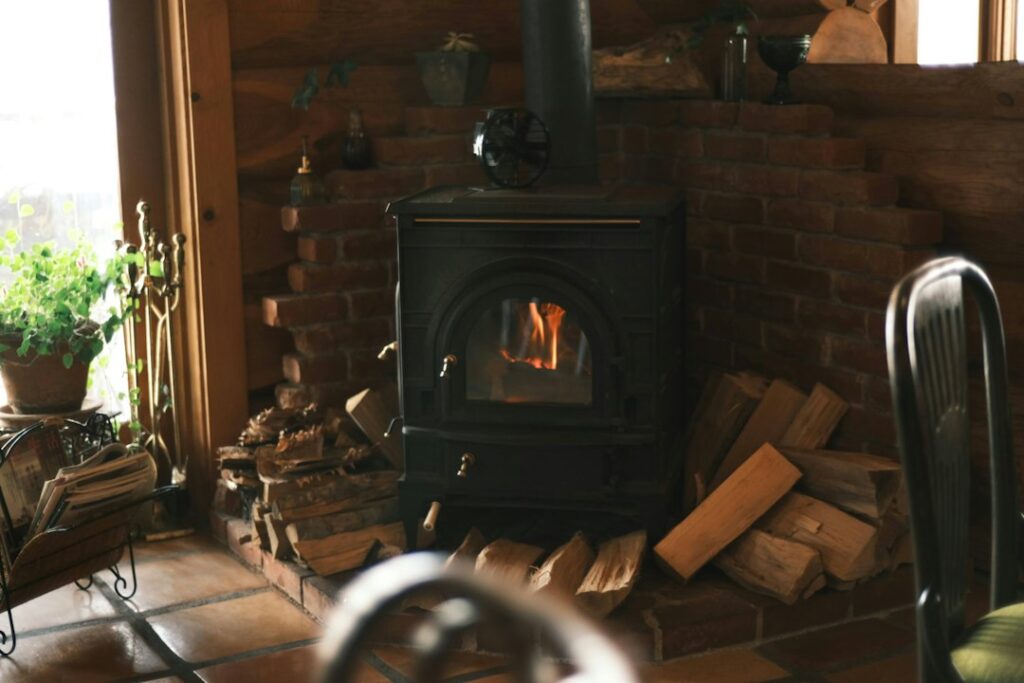
A pellet stove is the more convenient, thermostat-controlled choice: it feeds itself from a hopper, burns cleanly, can vent through a wall with a small pipe and needs refilling about once a day. A wood stove is the more independent choice: it runs without electricity, burns fuel that many rural owners can cut themselves, and produces strong radiant heat, but it asks for a full chimney, more hands-on tending and more cleaning. For Front Range suburbs with burn restrictions and limited storage, pellets often fit better; for foothill homes that lose power in storms and have room for a woodpile, a wood stove often wins. This guide compares the two on certification, fuel, venting, installation, maintenance, cost and Colorado rules. It summarizes general guidance current as of 2026; the stove’s installation manual, the local building department and a certified installer take priority.
Part of our Heating, Cooling & Ventilation guide — start there for the full picture →
Quick Comparison Table
| Factor | Pellet stove | Wood stove |
|---|---|---|
| Fuel | Compressed wood or biomass pellets, sold in bags | Split, seasoned cordwood |
| Fuel handling | Pour bags into a hopper; auto-feed | Load logs by hand every few hours |
| Heat control | Thermostat and adjustable feed rate | Air control by hand; output swings as the fire burns |
| Electricity | Most models need it for augers, fans and controls | Not required (optional blower) |
| Venting | Often a small-diameter pellet vent through a wall or roof | Full chimney system with required clearances |
| Emissions | Generally low when operated correctly | Low for EPA-certified stoves burning dry wood; higher with wet wood or old stoves |
| Maintenance | Daily ash and burn-pot cleaning on many models; motor and sensor service | Ash removal; chimney sweeping for creosote |
| Fuel storage | Dry indoor or garage space for bagged pellets | Outdoor, covered, off-ground woodpile |
| Power-outage performance | Shuts down without power unless on backup | Keeps heating |
| Best fit | Suburban homes, steady thermostat heat, limited fuel space | Rural and foothill homes, outage resilience, access to firewood |
EPA Certification and Emissions
Both stove types fall under the federal New Source Performance Standards for residential wood heaters. EPA’s Burn Wise program explains that new wood heating appliances subject to those standards and offered for sale in the United States must meet emission limits, which were lowered in 2020 to 2.0 grams of particulate per hour when tested with crib wood or 2.5 grams per hour when tested with cord wood. EPA maintains a list of certified wood heaters, and the cleanest appliances carry EPA-certified or EPA-qualified labels. (The Burn Wise website now serves as a historic record; EPA stopped updating it in late 2025, but its explanations of certification remain useful.)
EPA also notes that most wood stoves currently in homes are not EPA-certified, and that certified stoves are cleaner burning and more energy efficient. For anyone buying a house with an existing stove, the age and certification of that stove matter a great deal. A pre-1988 stove with no certification label is a candidate for replacement, both for air quality and for safety, and some Colorado jurisdictions restrict the use or sale of uncertified devices.
Pellet stoves tend to post low emissions in practice because the fuel is uniformly dry and the stove meters air and fuel automatically. A wood stove’s real-world emissions depend heavily on the operator. EPA’s best-practice guidance stresses burning only dry, split, well-seasoned wood, seasoning it for at least six months, and aiming for a moisture content below 20 percent, checked with a moisture meter. Wet wood smolders, smokes, wastes heat and coats the chimney with creosote.
Best Wood Stoves: our top 3 picks
| Product | Best for | Key features | Price | Buy |
|---|---|---|---|---|
| Ashley Hearth AW2020-P | Best overall wood stove |
| — | Buy now →Check current price |
| Comfort Glow CGWS900 | Best cast iron stove with cooktop |
| $499.00as of Nov 19, 2026 5:00 pm GMT+0000 | Buy now →Check current price |
| US Stove TH-100 | Best small stove for zone heating |
| — | Buy now →Check current price |


Prices are Amazon’s listed prices as of the time shown and change often; check Amazon for today’s price. As an Amazon Associate we earn from qualifying purchases.
Fuel: Cost, Supply and Storage
Pellets
EPA describes pellets as a renewable fuel made of ground, dried wood and other biomass wastes compressed into pellets. They are typically sold in 40-pound bags, often by the pallet. A household heating mainly with pellets through a Front Range winter can go through a few tons, depending on the stove, the house and the season. Pellets must stay dry; damp pellets swell into sawdust and jam augers. That means a garage, basement or shed with space for a pallet or more.
Pellet prices move with regional supply and demand and can spike in cold winters when stores run short. Buying early in the season and checking that the pellet grade matches the stove manufacturer’s specification are common strategies.
Cordwood
Firewood cost ranges from nearly free for owners who cut their own on acreage to a meaningful expense for buyers paying for delivered, split, seasoned wood. Prices in the Denver metro tend to run higher than in rural areas. EPA advises storing wood outdoors, off the ground, with only the top covered so the sides can breathe. It also recommends buying and burning locally cut firewood to avoid spreading invasive forest pests, which is relevant in Colorado given ongoing concern about pests in Front Range forests.
Wood requires far more storage volume than pellets for the same heat, and it has to be planned a season ahead so it can dry. Colorado’s low humidity helps wood season faster than in wetter climates, but freshly cut wood still needs months.
Venting and Installation
Pellet stove venting
Because a pellet stove uses a combustion fan to push exhaust out, many models can vent horizontally through an exterior wall using small-diameter pellet vent pipe, with a vertical rise recommended by many manufacturers to provide natural draft during a power failure. They can also vent through an existing chimney with a properly sized liner. Termination clearances from windows, doors, walkways and grade are set in the manufacturer’s instructions and local code.
Wood stove venting
A wood stove needs a full chimney: either a listed, insulated factory-built chimney system or a lined masonry chimney, running up through the roof to a specified height above the roofline. Single-wall or double-wall connector pipe links the stove to the chimney inside the room. Our guide to stove pipe explains the differences between connector types and clearance requirements. Required clearances from walls and furniture, plus a non-combustible floor protector, often take up more room than buyers expect.
EPA’s installation guidance lists the things to look for: proper clearances between the appliance, venting system and combustible materials; proper protection of combustible floors; and proper assembly of appliance and venting components. It describes the venting system as “the ‘engine’ that drives the entire burning process,” and recommends professionals determine sizing, height, location and protection from extreme cold. EPA points homeowners to Chimney Safety Institute of America certified sweeps and National Fireplace Institute certified installers.
Inserts for existing fireplaces
Both pellet and wood inserts can convert an inefficient open fireplace into a real heat source. EPA notes that inserts installed in masonry chimneys need a correctly installed flue liner, and that factory-built (“zero-clearance”) fireplaces need an insert specifically designed and tested for that unit. Our guide to wood-burning fireplaces covers fireplace types and what inspectors look for.
Electricity, Power Outages and Convenience
EPA notes that, unlike wood stoves and fireplaces, most pellet stoves need electricity to operate. The auger that feeds pellets, the combustion fan and the convection blower all run on household current. During an outage, a pellet stove will shut down unless it is connected to a battery backup or generator. Many owners keep a small uninterruptible power supply or plan generator capacity for the stove.
That trade-off cuts both ways. The same electronics give pellet stoves thermostat control, programmable schedules and steady output, and a full hopper can run for a day or more on a low setting. A wood stove produces heat whether the grid is up or not, but someone has to reload it every few hours and adjust the air control as the fire burns down. Overnight burns are possible with a well-loaded certified stove, but the room typically cools by morning.
Foothill communities west of the metro, where wind and snow storms can cut power for days, are where wood stoves’ independence matters most.
Maintenance and Safety
EPA states that fire officials recommend professional inspection of the wood-burning appliance, chimney and vent each year, including checking for chimney cracks. The CPSC likewise urges yearly professional inspection of fuel-burning heating equipment, including wood stoves, chimneys, flues and vents, to prevent carbon monoxide problems. The U.S. Fire Administration adds two core rules: keep anything that can burn at least 3 feet from heat sources including wood stoves, and have heating equipment and chimneys cleaned and inspected each year.
Pellet stove upkeep
- Emptying the burn pot and ash pan, often daily or every few days depending on pellet quality
- Brushing heat exchanger tubes and cleaning the glass
- Annual cleaning of the vent pipe, fans and sensors, often by a technician
- Occasional replacement of igniters, gaskets and motors over the stove’s life
Wood stove upkeep
- Removing ashes into a covered metal container stored outdoors on a non-flammable surface, as EPA recommends
- Chimney sweeping to remove creosote, frequency depending on use and wood dryness
- Replacing door gaskets, firebricks and baffles as they wear
- Keeping a fire extinguisher handy and doors closed except when loading
Both stove types burn fuel, so both require working carbon monoxide alarms and smoke alarms in the home. EPA warns that harmful chemicals, including carbon monoxide, can be released into the home when stove doors are left open.
Colorado Burn Restrictions and Local Rules
Wood smoke is a winter air-quality issue along the Front Range, where temperature inversions can trap pollution in the Denver basin. During the winter season, the state and local agencies issue high-pollution advisories, and in the Denver metro and some neighboring communities those advisories can trigger mandatory no-burn days for wood-burning stoves and fireplaces. Some municipalities also limit installation of new wood-burning devices or require that only certified or approved appliances be installed. Exemptions for certain certified devices, and for homes that rely on a stove as their sole heat source, vary by jurisdiction.
Because the rules differ between counties and cities, buyers should check with the local building department, county health department and the Colorado Department of Public Health and Environment’s air-quality advisories before buying or installing either type. Pellet stoves are treated more favorably than wood stoves in some local rules, but that is not universal. HOAs may add their own restrictions on chimneys, venting and woodpiles, and mountain-area fire districts may have wildfire-season rules on burning and ember screens.
EPA’s best-practices page suggests checking the local air quality forecast before burning, which on the Front Range doubles as a check for advisory days.
Heat Output, Sizing and Heat Feel
EPA’s guidance on choosing an appliance boils down to three factors: efficiency, emissions and the size of the space being heated. Stoves are rated by heat output in BTUs per hour and by an approximate heating area, but those area figures are manufacturer estimates that assume average insulation and climate. An open-plan ranch in Parker heats very differently from a chopped-up split-level in Lakewood, even at the same square footage.
Sizing rules of thumb worth keeping in mind:
- Oversizing is a common mistake with wood. A stove that is too large for the room gets run with the air turned down to avoid overheating, which makes it smolder, smoke and build creosote. A right-sized stove burning hot is cleaner and safer.
- Pellet stoves throttle more gracefully. Because the feed rate is adjustable, a pellet stove can run at low output for long periods without smoldering, which makes modest oversizing less of a problem.
- Layout matters as much as BTUs. A stove in the basement of a two-story home will not distribute heat evenly upstairs without help from ducts or fans, and a stove in a closed-off room overheats that room.
Heat feel differs, too. A wood stove’s heavy steel or cast-iron body radiates intense heat that people often describe as cozy, with hot spots near the stove. A pellet stove relies more on a convection blower, giving more even, moving air at a steadier temperature and a faint fan hum. Some owners love one and find the other unsatisfying, so seeing both running in a showroom helps.
Which Fits Common Front Range Homes
Metro tract home with a gas furnace
For supplemental heat in a family room, a pellet stove or pellet insert usually fits best: thermostat control, through-wall venting, compact fuel storage in the garage and lighter treatment under many local burn rules. A wood stove is possible but means a new chimney, more clearance space and the burden of no-burn days.
Foothill or mountain home
Where power outages last days and firewood is accessible, a certified wood stove offers resilience a pellet stove cannot match without backup power. Wildfire-season ember concerns make spark arrestors and chimney caps essential, and fire districts may have additional rules.
Eastern plains acreage
Owners in Elbert County or rural El Paso County often choose wood for fuel independence, though wind exposure affects chimney draft and termination height. Pellets work well too when delivery and dry storage are available.
Older home with an unused masonry fireplace
An insert of either type, with a new liner, converts a drafty fireplace into useful heat. A chimney evaluation comes first, because cracked flue tiles or a deteriorated crown must be repaired before any appliance connects.
Upfront and Operating Costs
Costs vary widely by stove size, brand, venting complexity and local labor. As typical ranges:
- Pellet stoves commonly cost a few thousand dollars for the unit, with installation adding less when the stove can vent directly through a wall.
- Wood stoves span a similar or wider range for the unit, but a new insulated chimney through the roof can add substantially to the installed cost, especially in two-story homes.
- Inserts of either type often require a new stainless liner for the existing chimney.
Operating cost depends on fuel price, local climate and how much of the home’s heat the stove supplies. Pellets cost more per unit of heat than self-cut firewood but less effort; purchased seasoned firewood in the metro can approach or exceed pellet costs. Permit fees, homeowner’s insurance notification and annual service also belong in the comparison. A federal tax credit covered some high-efficiency biomass stoves, but it ended for stoves installed after December 31, 2025; state and utility programs are worth checking before purchase.
Once the type is settled, our roundups of the best pellet stoves and the best wood stoves compare certified models, and our explainers on the pellet stove and wood stove go deeper on each.
When to Call an Installer or Inspector
Either stove should be installed by a certified professional under a permit, following the manufacturer’s instructions. A certified chimney sweep should evaluate an existing chimney before a stove or insert is connected to it. For buyers, a home inspector will typically note a stove’s presence, visible clearances, floor protection, connector condition and signs of smoke staining, but a Level 2 chimney inspection by a sweep is the usual recommendation when a property changes hands. Our guide to hiring heating and cooling professionals explains what to ask for in a quote.
More Questions About Pellet Stoves vs Wood Stoves
Which is better for heating a cabin, pellet or wood?
A wood stove is often better for remote cabins without reliable electricity, because it does not need power to run. Pellet stoves usually need electricity for fans, augers and ignition.
Pellet stoves provide more automated, steady heat if power is available and pellets are easy to get. Wood stoves can burn locally available firewood, which may be cheaper in rural areas. Fuel storage space and how often the cabin is used also affect the decision.
Are pellet stoves cleaner than wood stoves?
Pellet stoves generally burn cleaner than wood stoves, producing fewer particulate emissions because the fuel is uniform and combustion is controlled. EPA-certified wood stoves are much cleaner than older models but still usually emit more than pellet stoves.
Burning dry, seasoned wood and maintaining the stove reduce wood stove emissions. Local air quality rules may limit wood burning on certain days. Both stove types need proper venting and maintenance to operate safely.
Is a pellet stove or wood stove better for allergies and asthma?
A pellet stove is often the better choice for people sensitive to smoke and dust, because it burns cleaner and keeps fuel sealed in bags and a hopper rather than stacked indoors. Neither stove type is free of indoor air effects, though.
Wood stoves release some smoke when the door is opened for reloading, and cordwood brought inside can carry mold spores, bark dust and insects. Pellet stoves produce fine ash during cleaning. Good door gaskets, careful ash handling and a working carbon monoxide alarm help with either stove. People with respiratory conditions should ask their doctor before relying on solid-fuel heat.
Do pellet stoves or wood stoves raise insurance costs?
Both pellet and wood stoves can affect homeowners insurance, and some insurers may raise premiums or require inspections for solid-fuel heating. Requirements vary by insurer and location.
Insurers may ask for professional installation, permits and proof of clearances. Wood stoves sometimes draw more scrutiny because of chimney fire risk. Notifying the insurance company before installation helps avoid coverage issues. Keeping receipts for chimney sweeping and annual service also helps if a claim is ever filed.
References
- Choosing Wood-Burning Appliances — U.S. Environmental Protection Agency
- EPA Certified Wood Stoves — U.S. Environmental Protection Agency
- Best Wood-Burning Practices — U.S. Environmental Protection Agency
- Wood-Burning Installation and Maintenance — U.S. Environmental Protection Agency
- Heating Fire Safety — U.S. Fire Administration
- Home Heating Equipment and Carbon Monoxide — U.S. Consumer Product Safety Commission
Frequently asked questions
Is a pellet stove cheaper to run than a wood stove?
It depends on fuel access. Self-cut firewood is usually the cheapest heat, while purchased seasoned wood in the Denver metro can approach pellet costs. Pellets cost more than free wood but offer thermostat control and far less tending.
Do pellet stoves work during a power outage?
Most do not. EPA notes that most pellet stoves need electricity to run their augers, fans and controls. Owners in outage-prone areas often add a battery backup or plan generator capacity, while wood stoves keep heating without power.
Can a pellet stove vent through a wall?
Many can. Because pellet stoves use a combustion fan, they can often use small-diameter pellet vent pipe through an exterior wall, with a vertical rise many manufacturers recommend. Wood stoves need a full chimney system through the roof or a lined masonry chimney.
Are wood stoves allowed in the Denver area?
Generally yes, but rules vary. Winter high-pollution advisories can trigger mandatory no-burn days in the Denver metro and some neighboring areas, and some municipalities restrict new wood-burning installations. Check with the local building department and state air-quality advisories.
How dry should firewood be for a wood stove?
EPA recommends burning only dry, split, well-seasoned wood with a moisture content below 20 percent, seasoned for at least six months and checked with a moisture meter. Wet wood smokes, wastes heat and builds creosote in the chimney.
Can a wood stove be converted to burn pellets?
Some wood stoves can use pellet baskets, but they do not become true pellet stoves. True pellet stoves use augers and fans to feed and burn pellets efficiently. Using pellets in a wood stove should follow the manufacturer's guidance.
Which stove produces more heat, pellet or wood?
Both pellet and wood stoves can produce substantial heat, and output depends on stove size and design. Wood stoves often produce higher peak heat, while pellet stoves provide steadier, controlled heat. Matching the stove's rated output to the space matters more than the fuel type.
Can pellet or wood stoves be installed in a mobile home?
Some pellet and wood stoves are approved for manufactured homes, but they must be listed for that use and installed according to manufacturer instructions and local codes. Not all stoves are approved for mobile homes.
Buying a Front Range home with a pellet or wood stove already in place? Contact our team to connect with a local inspector before closing.