Best Wood Stoves (2026): 5 Picks Compared on EPA and Venting
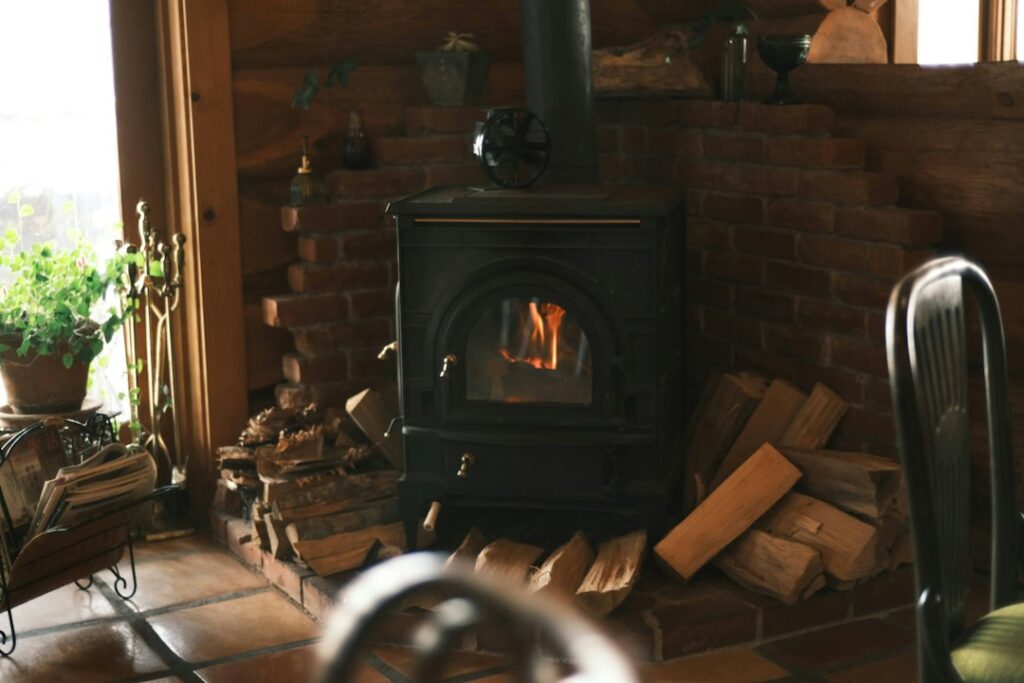
The best wood stove is certified, sized to the space and installed by someone who understands chimneys, because a wood stove is the most demanding heating appliance most homeowners will ever buy. It runs without electricity, which is why foothills and mountain households love it, but it also burns at high temperatures inches from walls and floors, produces smoke and carbon monoxide, and depends entirely on its chimney to draft safely. So this roundup puts EPA certification, flue size, firebox capacity and installation details ahead of looks. Of the 16 listings a wood stove search returned, most are camping tent stoves, pellet stoves or uncertified imports. Five residential stoves remain, compared below, followed by a buying guide on certification, clearances, chimneys, CO alarms and Front Range burn rules.
Part of our Heating, Cooling & Ventilation guide — start there for the full picture →
As an Amazon Associate we earn from qualifying purchases.
How we compared: we compared 16 current Amazon listings returned by a wood stove search. Six are portable tent or camping stoves and two are pellet stoves, which we set aside. Of the eight indoor wood stoves left, three name no EPA certification, so we ranked the five that are residential stoves from established hearth brands and flagged where certification is unclear. We judged each on what its listing states: EPA certification, heating area and BTU, firebox and log length, flue size, burn time, construction, mobile-home approval and warranty. We did not lab-test, install or burn any of these stoves. Prices and availability change, and most ship by freight, so check the current listing before buying.
Quick picks: the best wood stoves by home and fuel habit
| Product | Best for | Key features | Price | Buy |
|---|---|---|---|---|
| Ashley Hearth AW2020-P | Best overall wood stove |
| $1,249.99as of Oct 20, 2026 2:45 am GMT+0000 | Buy now →Check current price |
| Comfort Glow CGWS900 | Best cast iron stove with cooktop |
| $499.00as of Oct 20, 2026 2:45 am GMT+0000 | Buy now →Check current price |
| US Stove TH-100 | Best small stove for zone heating |
| $549.99as of Oct 20, 2026 2:45 am GMT+0000 | Buy now →Check current price |
| Cleveland Iron Works H090 | Best simple single-burn-rate stove |
| $399.99as of Oct 20, 2026 2:45 am GMT+0000 | Buy now →Check current price |
| Canyon Lodge C110 | Best warranty for big rooms |
| $1,199.99as of Oct 20, 2026 2:45 am GMT+0000 | Buy now →Check current price |
Prices are Amazon’s listed prices as of the time shown and change often; check Amazon for today’s price. As an Amazon Associate we earn from qualifying purchases.
The five picks, compared listing by listing
1. Ashley Hearth AW2020-P — Best Overall Wood Stove

EPA-compliant noncatalytic wood stove, up to 89,000 BTU, 1.6 cu ft firebox, 21-inch logs, 6-inch connector.
Check price on Amazon$1,249.99 as of Oct 20, 2026 2:45 am GMT+0000 — prices change; see Amazon for current price.Why we like it
- States EPA compliance tested on cordwood
- Secondary combustion without a catalyst
- Most detailed install specs on the shelf
- Firebrick lining and air-washed ceramic glass
- Limited lifetime firebox warranty
| Specification | Details |
|---|---|
| Certification | Meets EPA guidelines burning cordwood; mobile home approved with 4FAK fresh-air kit (sold separately) |
| Output / area | Up to 89,000 BTU; up to 2,000 sq ft |
| Firebox | 1.6 cu ft, firebrick lined; logs up to 21 in |
| Venting | Standard 6-inch chimney connector and chimney system, not included |
| Features | Noncatalytic secondary burn, cast iron door, air-wash glass, removable ash pan with ash port; legs or pedestal; optional CB36 blower |
| Weight / warranty | 280 lb; limited lifetime firebox, 1 year other parts |
Ashley Hearth AW2020-P — EPA cordwood, 89,000 BTU, 2,000 sq ft, 1.6 cu ft, 21″ logs, 6″ connector, legs or pedestal, 280 lb
The Only Listing That Says It Meets EPA Limits on Cordwood
The EPA explains that since 2020, new wood heaters must meet a particulate limit of 2.0 grams per hour if tested with crib wood or 2.5 grams per hour if tested with cord wood, and it calls cord wood the better measure of how a heater performs in real homes. The AW2020-P is the only listing on the shelf that says it meets EPA guidelines while burning cordwood, which is the more meaningful claim.
It is also the most complete listing for planning an installation. It names the connector size (6 inches), says no electricity is required, explains that the optional blower does need power, offers a fresh-air kit for mobile homes and lists both leg and pedestal bases. Its secondary combustion system reburns smoke without a catalyst, so there is no catalytic element to replace.
The 89,000 BTU figure is a maximum burn rate, not what it will produce all evening, and 2,000 sq ft assumes an open layout. The listing does not state burn time or required clearances to combustibles; those come from the manual and the stove’s label.
Pros
- EPA claim tied to cordwood testing
- No catalyst to maintain
- Detailed installation information
- Lifetime firebox warranty
Cons
- Clearances not stated in listing
- Burn time not stated
- Blower sold separately
Check Ashley Hearth AW2020-P price on Amazon
2. Comfort Glow CGWS900 — Best Cast Iron Wood Stove With a Cooktop

EPA certified cast iron wood stove for up to 900 sq ft, takes 22-inch logs, flat cooktop and 6-inch flue collar.
Check price on Amazon$499.00 as of Oct 20, 2026 2:45 am GMT+0000 — prices change; see Amazon for current price.Why we like it
- EPA certified per the listing
- Takes 22-inch logs, the longest on the shelf
- Flat cooking surface for outages
- Cast iron body with stay-cool handle
| Specification | Details |
|---|---|
| Certification | EPA certified |
| Area | Up to 900 sq ft; BTU not stated |
| Firebox | Fits 22-inch logs |
| Venting | 6-inch flue collar |
| Construction | Heavy cast iron; integrated flat cooktop; two-piece spring handle |
| Size / warranty | About 32.5 x 20 x 23.5 in; weight not stated; 1-year warranty |
Comfort Glow CGWS900 — EPA certified cast iron, 900 sq ft, 22″ logs, 6″ flue collar, flat cooktop, 1-yr warranty
The Longest Log Length on the Shelf in a Compact Stove
Among the residential stoves on the shelf, stated log lengths run from 11 inches to 22 inches, and the Comfort Glow takes the longest. That is unusual for a stove rated for only 900 sq ft. Longer splits mean less cutting and more wood per load, which suits households that process their own firewood.
The flat cooktop is the other reason to pick it. A wood stove keeps working when the power fails, and a cooktop that can boil water or heat a meal turns it into real outage insurance. The listing pitches it for cabins, rural homes and backup heat.
What the listing leaves out is significant: no BTU figure, no burn time, no weight and no clearances, and it does not say which EPA standard year applies. Confirm the model on the EPA’s list of certified wood heaters and get clearances from the manual before planning the hearth.
Pros
- EPA certified
- 22-inch log capacity
- Cooktop for outages
Cons
- No BTU or burn time stated
- Weight and clearances not stated
- One-year warranty
Check Comfort Glow CGWS900 price on Amazon
3. US Stove TH-100 — Best Small Wood Stove for Zone Heating

Small EPA-certified wood stove for up to 750 sq ft, 75 percent efficiency, 11-inch logs, up to 8-hour burn.
Check price on Amazon$549.99 as of Oct 20, 2026 2:45 am GMT+0000 — prices change; see Amazon for current price.Why we like it
- EPA certified with a stated 75% efficiency
- Stated burn time of up to 8 hours
- Small footprint, 139 lb
- Mobile home approved in the USA
| Specification | Details |
|---|---|
| Certification | EPA certified; mobile home approved (USA) |
| Area / efficiency | Up to 750 sq ft; 75% efficiency rating |
| Firebox / burn time | Logs up to 11 in; up to 8 hours |
| Venting | Stove pipe not included; flue size not stated |
| Options | CB36 blower sold separately |
| Size / weight | About 16.4 x 18.75 x 26.9 in; 139 lb; model TH-100 |
US Stove TH-100 — EPA certified, 75% efficient, 750 sq ft, 11″ logs, up to 8-hr burn, mobile home approved, 139 lb
The Only Wood Stove Listing That States Both Efficiency and Burn Time
Efficiency and burn time are the two numbers that tell you how much wood a stove will consume and how often you will reload it, and the TH-100 is the only listing on the shelf that gives both: 75 percent efficiency and up to 8 hours per load. Every other residential stove leaves at least one of those blank.
It is also the smallest certified stove here and the lightest with a stated weight, rated for 750 sq ft. That is the right scale for a finished basement, a cabin great room or a single zone in a larger house, where an oversized stove would be choked down and smoulder. The EPA’s burn guidance notes that for most appliances a smouldering fire is neither safe nor efficient, so a smaller stove run hot is often better than a big one run low.
The trade-off is the 11-inch log limit, which means cutting standard 16-inch splits shorter. The listing does not state flue size or warranty.
Pros
- Efficiency and burn time stated
- Right-sized for zones
- EPA certified, mobile home approved
Cons
- Short 11-inch logs only
- Flue size not stated
- Warranty not stated
Check US Stove TH-100 price on Amazon
4. Cleveland Iron Works H090 — Best Simple Single-Burn-Rate Wood Stove

EPA listed cast iron single-burn-rate stove for up to 900 sq ft, 18-inch logs, gasketed door and 6-inch flue.
Check price on Amazon$399.99 as of Oct 20, 2026 2:45 am GMT+0000 — prices change; see Amazon for current price.Why we like it
- EPA listed and approved per the listing
- Cast iron door with ceramic rope gasket
- Stay-cool two-piece handle
- Holds 18-inch logs, 6-inch flue
| Specification | Details |
|---|---|
| Certification | EPA listed and approved |
| Area | Up to 900 sq ft |
| Firebox | Holds 18-inch logs |
| Burn control | Single burn rate |
| Venting / construction | 6-inch flue exhaust; heavy cast iron; high-temperature matte finish |
| Size / warranty | About 29 x 19 x 26 in; weight not stated; 1-year limited warranty |
Cleveland Iron Works H090 — EPA listed, single burn rate, cast iron, 900 sq ft, 18″ logs, 6″ flue, gasketed door
The Only Stove That Describes Itself as Single Burn Rate
Most stoves have an adjustable air control that lets you turn the fire up or down. A single-burn-rate stove is designed to burn at one fixed rate, and the H090 is the only listing on the shelf described that way. The upside is simplicity: fewer controls to misadjust, and no temptation to choke the stove down overnight, which produces the smouldering, smoky fires the EPA warns against.
The downside is control. You manage heat by how much wood you load, not by a damper, so it suits a cabin or shop where you want steady heat while someone is around more than a living room that needs gentle overnight warmth.
The listing names a 6-inch flue, an air-tight gasketed door and EPA approval, but no BTU figure, burn time, weight or clearances. The USFA advises that a wood stove be tested by a qualified testing laboratory; check the rating label for a safety listing as well as the EPA label.
Pros
- Simple, fixed-rate operation
- Gasketed cast iron door
- EPA listed and approved
Cons
- No air control for low burns
- No BTU, burn time or weight stated
- One-year warranty
Check Cleveland Iron Works H090 price on Amazon
5. Canyon Lodge C110 — Best Warranty for Large Rooms

Brick-lined medium wood stove for up to 2,500 sq ft, 18-inch logs, air wash glass, top 6-inch flue, 5-year warranty.
Check price on Amazon$1,199.99 as of Oct 20, 2026 2:45 am GMT+0000 — prices change; see Amazon for current price.Why we like it
- Longest stated warranty term: 5 years
- Largest stated heating area: 2,500 sq ft
- Brick-lined firebox
- Air wash system and cast iron door
| Specification | Details |
|---|---|
| Certification | Not stated in listing |
| Area | Up to 2,500 sq ft; BTU not stated |
| Firebox | Brick-lined; holds 18-inch logs |
| Venting | 6-inch flue exhaust on top |
| Features | Cast iron door with viewing window; air wash |
| Size / warranty | About 28.2 x 22.8 x 33 in; 372.6 lb; 5-year limited warranty |
Canyon Lodge C110 — brick-lined, 2,500 sq ft, 18″ logs, air wash, top 6″ flue, 372.6 lb, 5-yr limited warranty
The Longest Limited Warranty, but No Certification Claim in the Listing
The Canyon Lodge C110 states a 5-year limited warranty, the longest overall term among the residential stoves (Ashley offers a lifetime warranty on its firebox but one year on other parts). At 372.6 lb it is also the heaviest stove on the shelf, and the brick lining and mass help it hold and release heat after the fire dies down.
Here is the catch: the listing does not mention EPA certification at all. The EPA notes that most stoves currently in homes are not EPA certified, and new wood heaters sold in the United States are required to meet its emission limits. Before buying, look the model number up on the EPA’s list of certified wood heaters and confirm the label. If it is not listed, do not buy it for a home installation.
Its 2,500 sq ft claim is the largest on the shelf without a BTU figure to support it. The weight means a reinforced hearth may be needed on some framed floors.
Pros
- 5-year limited warranty
- Brick-lined, heavy body
- Air wash glass
Cons
- EPA certification not stated
- No BTU figure for its area claim
- Very heavy at 372.6 lb
Check Canyon Lodge C110 price on Amazon
Catalytic, noncatalytic and single burn rate
Certified wood stoves reach their emission limits in one of three broad ways, and the choice affects daily operation more than the spec sheet suggests.
- Noncatalytic (secondary burn). Preheated air enters above the fire through tubes or baffles and burns off smoke before it leaves the firebox. The Ashley AW2020-P works this way. There is no catalyst to replace, but the baffles and tubes need periodic inspection.
- Catalytic. A ceramic or metal honeycomb coated with a catalyst lets smoke burn at a lower temperature, which can mean long, even burns. The catalyst wears out and must be replaced on the manufacturer’s schedule. None of the five listings here describes a catalyst.
- Single burn rate. No user-adjustable air control, like the Cleveland Iron Works H090. Heat is managed by load size alone.
Whichever type you choose, follow the manual’s startup and loading routine; certified stoves only stay clean when they are run as designed, with dry wood and the door closed.
What we left off the list
Six of the 16 listings are portable tent or camping stoves with telescoping stainless pipe, sold for hot tents, ice fishing and hunting. They are not designed or certified for installation in a house. Two listings are pellet stoves, which are a different appliance; see our pellet stove guide for those.
Three more are indoor wood stoves from importers that describe secondary combustion, air wash glass and dual loading doors but do not name EPA certification, and one claims it can burn pellets and straw as well as wood. Without certification on the EPA’s list, a stove may not be legal to sell or install in a home, and it may not meet the clearance and safety testing that insurers and building departments expect. Skip any indoor stove whose listing and label do not show EPA certification and a safety listing.
EPA certification: the first filter
All new wood heating appliances offered for sale in the United States that fall under the federal New Source Performance Standard must meet the EPA’s emission limits. Since 2020, that limit for new room heaters is 2.0 grams of particulate per hour with crib wood or 2.5 grams per hour with cord wood. The EPA says certified stoves burn cleaner and more efficiently, and that most stoves still in homes are not certified.
Two practical steps: check the exact model on the EPA’s list of certified wood heaters, and look for the permanent EPA label on the back of the stove. Separately, look for a safety listing from a testing lab; the USFA advises using a wood stove tested by a qualified laboratory. Insurers often ask for both.
Clearances, hearths and chimneys
A wood stove’s surfaces can get hot enough to ignite nearby wood framing over time. The EPA’s installation guidance lists what a professional checks: proper clearances between the appliance and venting system and combustible materials, proper protection of combustible floors, and proper assembly of appliance and venting components. Those distances come from the stove’s label and manual, and they shrink only with listed heat shields.
- Floor protection. A noncombustible hearth pad of the size and rating the manual specifies, extending in front of the loading door.
- Connector pipe. Most picks use a 6-inch flue. Single-wall connector needs more clearance than double-wall; see our stove pipe guide.
- Chimney. A listed, insulated factory-built chimney or a properly sized and lined masonry chimney. The EPA calls the venting system the engine that drives the whole burn; sizing, height, location and protection from extreme cold all affect draft.
- Combustibles. Keep furniture, firewood and anything that can burn at least three feet from the stove, as the USFA advises, and farther if the manual says so.
Burning safely: wood, doors, ash and CO
The EPA’s best-practice guidance is short and worth following exactly. Burn only dry, split, well-seasoned wood, seasoned at least six months and below 20 percent moisture; test with a moisture meter. Never start a fire with gasoline, kerosene or charcoal starter. Keep the stove doors closed except when loading or stoking, because harmful gases including carbon monoxide can enter the home. Never burn trash, cardboard, painted, treated or glued wood.
The USFA adds to put ashes in a metal container with a lid, set outside at least 10 feet from the home, and to have the chimney inspected and cleaned every year. The CPSC recommends CO alarms meeting UL 2034 on every level and outside sleeping areas, interconnected where possible, and annual inspection of chimneys and flues for blockages, corrosion and loose connections. For burning technique, our wood stove guide goes deeper.
Wood stoves in Front Range homes
Wood stoves are part of life in Front Range foothills communities, mountain cabins and rural parts of Douglas, Elbert and El Paso counties, where power outages from wind and snow are common and a stove that needs no electricity is real resilience. Three local realities apply:
- Burn restrictions. Denver-metro communities and some others restrict burning on high-pollution winter days, and rules on which certified appliances may operate differ by jurisdiction. Check your city or county before relying on wood as primary heat.
- Wildfire. In wildland-urban interface areas, sparks from a chimney are a risk. Keep the cap and spark arrestor in place, clear needles from the roof and gutters, and dispose of ash carefully.
- Altitude and wind. Thin air and strong downslope winds can affect draft. A chimney that is tall enough and well located matters more at elevation; ask the installer.
If the house already has a masonry fireplace, compare a freestanding stove with an insert, and read our wood-burning fireplace guide for the trade-offs.
When to hire a certified installer or chimney sweep
Have a certified professional install any wood stove. The EPA notes that installation errors by non-professionals may not be visible until they cause a fire, and it points to the Chimney Safety Institute of America and the National Fireplace Institute for credentialed sweeps and installers. Many Front Range building departments require a permit for a new solid-fuel appliance. Call a professional immediately if you smell smoke in the house; the EPA advises shutting the appliance down, opening a window, checking that the flue is open and calling a sweep or installer.
Buying a home with a wood stove? Ask for the permit, the stove’s label information and the last sweep report, and have the stove, clearances and chimney checked during the inspection. Our overview of heating and cooling inspection topics explains what inspectors review.
Frequently asked questions
How do you know if a wood stove is EPA certified?
Check for a permanent EPA certification label on the stove and look up the model on the EPA's list of certified wood heaters. Since 2020, new room heaters must meet 2.0 grams per hour of particulate with crib wood or 2.5 grams per hour with cord wood. A listing claim alone is not proof.
What size wood stove do you need?
Match the stove to the space you actually heat. An oversized stove gets choked down and smoulders, which the EPA says is neither safe nor efficient for most appliances. Listings here range from 750 to 2,500 square feet; in a cold Front Range winter or a chopped-up floor plan, expect to heat less than the claim.
How far does a wood stove need to be from the wall?
The required clearance comes from the stove's label and installation manual and depends on the stove, the connector pipe and any listed heat shields. The EPA lists proper clearances to combustibles and floor protection among the key installation checks. Keep furniture and firewood at least three feet away, as the USFA advises.
Do wood stoves need a carbon monoxide detector?
Yes. Wood stoves produce carbon monoxide, and a leaky door gasket, blocked chimney or open door can let it into the home. The CPSC recommends UL 2034 CO alarms, battery-operated or with battery backup, on every level and outside sleeping areas, plus annual chimney inspection.
How often should a wood stove chimney be cleaned?
The USFA advises having the chimney inspected and cleaned by a professional every year. Households that burn heavily, burn softwoods or see dark smoke may need more frequent sweeping. Burning only dry, seasoned wood below 20 percent moisture reduces creosote buildup.
References
- EPA Certified Wood Stoves — U.S. Environmental Protection Agency
- Choosing Wood-Burning Appliances — U.S. Environmental Protection Agency
- Wood-Burning Installation and Maintenance — U.S. Environmental Protection Agency
- Best Wood-Burning Practices — U.S. Environmental Protection Agency
- Fireplace and Wood Stove Safety card (PDF) — U.S. Fire Administration
- Carbon Monoxide Questions and Answers — U.S. Consumer Product Safety Commission
Installing a wood stove in a Front Range home or cabin, or buying a property that already burns wood? Get in touch here to connect with a vetted local inspector.