Pellet Stove: Venting, Hoppers, Power Outages and Upkeep
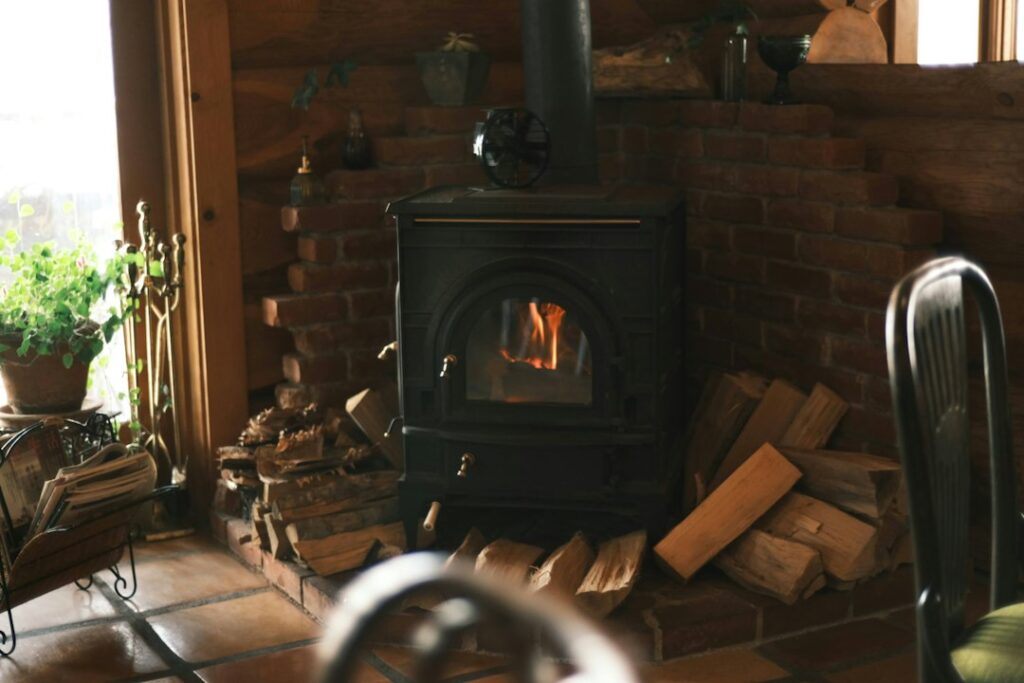
A pellet stove burns small, compressed cylinders of wood or other biomass and feeds them automatically into a fire, giving steady, thermostat-controlled heat with less hands-on effort than a traditional wood stove. That convenience has made pellet stoves popular in Colorado foothill homes, mountain cabins and Front Range houses where owners want lower-emission solid-fuel heat. They are also more complex than they look. A pellet stove depends on electricity, motors and sensors, it needs a properly installed vent, and it produces ash and combustion gases that have to be managed. This guide covers how pellet stoves work, venting choices, what happens during a power outage, clearances and hearth protection, carbon monoxide safety, EPA certification, cleaning routines, Colorado burn restrictions and typical costs. Cost ranges are general 2026 estimates and vary by model, installer and home. Safety information summarizes EPA and U.S. Fire Administration guidance current as of 2026, and the manufacturer’s installation manual governs any specific stove.
Part of our Heating, Cooling & Ventilation guide — start there for the full picture →
How a Pellet Stove Works
A pellet stove is a small automated heating appliance. Rather than loading split logs, the owner pours bags of pellets into a hopper, sets a heat level or thermostat, and lets the stove meter fuel into the fire. Several components work together to make that happen.
Hopper
The hopper is a storage bin, usually at the top or back of the stove, that holds the pellet supply. Hopper size varies by model; many residential units hold roughly one standard bag or more, which can last from several hours to a day or longer depending on the heat setting. Larger hoppers mean fewer refills.
Auger and feed system
An auger, a screw-shaped shaft turned by a small electric motor, moves pellets from the hopper into the burn pot. The control board turns the auger on and off at intervals to set how much fuel reaches the fire. More frequent feeding means more heat. Many stoves include a safety design that keeps fire from traveling back up the feed path.
Burn pot and igniter
The burn pot is a perforated metal cup where combustion happens. Many modern stoves start automatically with an electric igniter that heats air until the pellets catch. Older or simpler models may require manual lighting with a gel or starter.
Combustion and convection fans
A combustion fan, sometimes called the exhaust or draft fan, pulls air through the burn pot and pushes exhaust out the vent. A separate convection or room fan blows air across a heat exchanger and into the living space. Sensors such as vacuum switches and temperature switches confirm that exhaust is flowing and that the stove is not overheating, and they shut the stove down if something is wrong.
The result is a fire that is more controlled than a cordwood fire. Pellet stoves are often installed as freestanding units on a hearth pad or as inserts in an existing fireplace opening; the guide on the fireplace insert compares pellet inserts with gas and wood versions.
Venting: Direct Vent Through a Wall or a Chimney Liner
Because the combustion fan pushes exhaust under positive pressure, many pellet stoves can be vented horizontally through an exterior wall rather than requiring a full chimney. That flexibility is a major selling point, but it comes with rules that are set by the manufacturer and local code.
Wall (direct) venting
Pellet vent pipe is a listed, double-wall product designed for pellet appliances. When it exits through a wall, manufacturers specify minimum distances from windows, doors, air intakes, grade, decks and walkways so exhaust does not re-enter the house or blow onto people. Many manuals also recommend or require a vertical rise inside or outside the house before the termination. That rise can help create some natural draft and may reduce smoke spillage if the fan stops during a power outage.
Chimney and liner installations
Pellet inserts placed in an existing masonry fireplace usually vent up through the chimney. Manufacturers commonly call for a continuous liner from the insert to the top of the chimney, or at least for a specific connection method, rather than simply discharging into the old flue. A liner keeps exhaust contained, protects aging masonry and makes cleaning more predictable. A chimney professional can assess the flue, and the guide on chimney sweep cost outlines typical inspection and cleaning prices. A sound chimney cap also helps keep rain and animals out of the flue.
Pellet vent joints are often sealed with high-temperature silicone or gaskets because the vent is under positive pressure. A leaking joint inside the house can release exhaust into living space, which is why inspectors pay attention to vent connections, support and termination.
Electricity, Power Outages and Battery Backup
Unlike a traditional wood stove, a pellet stove needs electricity to run its auger, fans, igniter and controls. Running draw is typically modest, often in the range of about 100 watts or so, while the igniter can draw considerably more during startup. Exact figures are on the stove’s data plate or in the manual.
During a power outage, the auger stops feeding fuel and the fans stop moving exhaust and room air. The fire burns down, and smoke can spill from the stove into the room while the remaining pellets smolder, particularly in installations without a vertical rise. For owners who bought a pellet stove as backup heat, this is the most important limitation to understand.
Common ways to address it include:
- Battery backup units: some manufacturers and third parties sell uninterruptible power supplies sized for pellet stoves. They can keep fans running long enough for a safe shutdown or, with larger batteries, for several hours.
- Generators: a portable or standby generator can power the stove during longer outages. The sibling guide on the whole-house generator covers transfer switches and sizing.
- Venting design: a vertical rise in the vent, as recommended by many manufacturers, can help exhaust escape during a fan failure.
Mountain and foothill homes in Colorado are more likely to see winter outages than dense metro neighborhoods. Owners who rely on pellet heat should plan for outages before the first storm, not during it.
Clearances, Hearth Pads and Installation Checks
Every pellet stove has listed clearances to combustible materials: distances from the sides, back and top of the stove to walls, furniture and trim. Many pellet stoves have smaller clearances than a typical wood stove because their exterior surfaces run cooler, but the numbers vary by model and must come from the manufacturer’s manual and the listing label on the stove.
Floor protection is equally important. Freestanding units usually sit on a non-combustible hearth pad that extends beyond the stove on specified sides, especially in front of the door where embers or hot ash can fall during cleaning. Some stoves need only ember protection; others call for a pad with a specific thermal rating. Using a decorative rug or tile laid over a wood floor without the required rating is a common shortcut that does not meet the listing.
General fire safety guidance from the U.S. Fire Administration advises keeping anything that can burn at least 3 feet from heat sources such as fireplaces and wood stoves, and having heating equipment and chimneys cleaned and inspected each year by a professional. Pellet bags, kindling, curtains and furniture should be kept back from the stove.
During a home inspection, the ASHI Standard of Practice requires inspectors to inspect fuel-burning fireplaces, stoves and fireplace inserts along with chimneys and vent systems. The same standard states that inspectors are not required to inspect automatic fuel feed devices, interiors of vents and flues that are not readily accessible, or draft characteristics, and are not required to move stoves. That means an inspection can identify visible venting, clearance and hearth concerns, but the auger and controls typically fall to a hearth technician.
Carbon Monoxide and Smoke Safety
Pellet stoves burn fuel, so they produce carbon monoxide like any combustion appliance. The EPA describes carbon monoxide as a colorless, practically odorless and tasteless gas that results from incomplete combustion, and it lists back-drafting from wood stoves and fireplaces and leaking chimneys among indoor sources. At lower concentrations, the EPA notes, exposure can cause fatigue and chest pain in people with heart disease; at higher concentrations it can cause headaches, dizziness, confusion and nausea, and it can be fatal at very high levels.
Because a pellet stove’s exhaust is pushed by a fan, a leaking vent joint, a failing gasket on the door or ash pan, or a power outage can all allow exhaust into the room. A working CO alarm in the same area and near sleeping rooms is a basic safeguard. The guide to the best carbon monoxide detector compares plug-in, battery and combination models, and the guide on smoke detector placement covers where smoke alarms belong.
Warning signs worth acting on include a smoky smell in the room, soot around the door or vent connections, a stove that frequently shuts down on a vacuum or pressure fault, and headaches that improve when occupants leave the house. Any of these calls for shutting the stove down and having it checked.
EPA Certification and Choosing a Stove
New residential wood heaters sold in the United States, including many pellet stoves, are subject to EPA emission standards. The EPA maintains a searchable Certified Wood Heater Database covering heaters that comply with the 2015 New Source Performance Standard for residential wood heaters. According to the EPA, users can search by manufacturer or model name and heater type, and the database lists efficiencies, emission rates and carbon monoxide values, as well as the fuel type and whether a heater is certified to the 2020 “Step 2” emission limits.
For a buyer looking at an older home, checking whether an existing stove appears in that database is a useful first step. An uncertified or very old unit may still operate, but it may face more restrictions on high-pollution days and may not reflect current efficiency. Look for the manufacturer’s label on the back of the stove, which usually lists the model, clearances and listing information.
Sizing matters too. An oversized stove may run on low much of the time, which can increase ash and soot buildup, while an undersized one may struggle in cold snaps. A hearth retailer or installer can help match heat output to the space.
Buyers inheriting a pellet stove with a house can ask the seller for the owner’s manual, installation permit, service records and the date of the last vent cleaning. If the manual is missing, many manufacturers post manuals online by model number, which is the easiest way to confirm the clearances, hearth requirements and venting rules that apply to that particular unit.
Ash Cleaning and Routine Maintenance
Pellet stoves are cleaner than cordwood stoves, but they still need regular attention. Skipping maintenance is a frequent cause of shutdowns, smoke spillage and poor performance.
- Burn pot: clinkers and ash can block the air holes. Many manufacturers recommend scraping or emptying the burn pot frequently during heavy use, sometimes daily.
- Ash pan: emptied on a schedule that depends on pellet quality and use. Ashes can hold heat for a long time, so common fire-safety practice is to put them in a metal container with a tight lid, stored outside away from the house and anything that can burn.
- Heat exchanger and exhaust passages: fly ash builds up on heat exchanger tubes and inside the exhaust path. Many stoves have scraper rods for routine cleaning, with deeper cleaning at season’s end.
- Vent pipe: fly ash collects in the vent, especially at tees and horizontal runs. Annual vent cleaning is commonly recommended.
- Gaskets and fans: door and ash-pan gaskets wear out, and fan motors collect dust. A yearly service by a hearth technician typically covers these items.
Pellet quality affects all of this. Pellets with higher ash content or more fines tend to produce more ash and clinkers. Keeping bags dry is important; damp pellets swell and crumble, which can jam the auger.
Colorado Burn Restrictions
Front Range air quality rules can affect when solid-fuel appliances may be used. The EPA’s summary of state actions notes that the Colorado Department of Public Health and Environment posts wood-burning advisories, and that during red advisories mandatory residential burning restrictions generally apply to everyone in the seven-county Denver-Boulder metro area below 7,000 feet. The same EPA page notes that Colorado has a regulation covering the sale and installation of wood-burning appliances and the use of certain appliances on high-pollution days. That EPA program page is now kept as a historic record, so current details should be confirmed with CDPHE and local governments.
How a specific pellet stove is treated on a red advisory day can depend on its certification and on local ordinances, which some cities and counties have adopted on top of state rules. Owners should check the current CDPHE advisory and their city or county requirements rather than assuming a pellet stove is always exempt.
Typical Pellet Stove Costs
Costs vary with the model, venting path and installation complexity. These are general 2026 ranges, not quotes.
- Freestanding pellet stove: often roughly $1,500 to $4,500 for the unit.
- Pellet insert: commonly in a similar or slightly higher range, plus liner costs.
- Installation and venting: frequently several hundred to $2,500 or more, depending on wall or chimney venting, hearth pad and permits.
- Battery backup: roughly a few hundred dollars and up, depending on capacity.
- Annual service: often around $150 to $400 for a professional cleaning and inspection.
- Fuel: pellet prices fluctuate by season and supplier, and seasonal consumption varies widely with climate, house size and how much the stove is used.
Homeowners comparing heating options can also review the sibling guide on the electric fireplace, which needs no venting, and the guide on gas fireplace installation. For more on what an inspection covers, see the guide to hiring a home inspector and the heating and cooling hub.
References
- EPA Certified Wood Heater Database — U.S. Environmental Protection Agency
- Ordinances and Regulations for Wood-Burning Appliances — U.S. Environmental Protection Agency (Burn Wise, historic record)
- What Is Carbon Monoxide? — U.S. Environmental Protection Agency
- Heating Fire Safety — U.S. Fire Administration
- ASHI Standard of Practice for Home Inspections — American Society of Home Inspectors
Frequently asked questions
Does a pellet stove work without electricity?
Most pellet stoves need electricity to run the auger, fans, igniter and controls. During an outage the fire burns down and smoke can spill into the room. A battery backup sized for the stove or a generator can keep it running or allow a safe shutdown.
Does a pellet stove need a chimney?
Not always. Many pellet stoves can vent horizontally through a wall using listed pellet vent pipe, following the manufacturer's clearances from windows, doors and grade. Pellet inserts in existing fireplaces usually vent up the chimney, often with a liner the manufacturer specifies.
Can a pellet stove cause carbon monoxide?
Yes. Pellet stoves burn fuel and produce carbon monoxide, and leaking vent joints, worn gaskets or a power outage can let exhaust into the home. A working CO alarm and regular professional maintenance are basic precautions.
How often should a pellet stove be cleaned?
Burn pots often need attention frequently during heavy use, sometimes daily, and ash pans on a regular schedule. The heat exchanger, exhaust passages and vent pipe are usually cleaned more thoroughly at least once a year. Follow the stove manufacturer's maintenance schedule.
Can a pellet stove be used on Colorado red advisory days?
It depends on the stove's certification and local rules. Colorado posts wood-burning advisories, and red advisories bring mandatory restrictions in much of the Denver-Boulder metro below 7,000 feet. Check the current CDPHE advisory and city or county ordinances before burning.
Considering a foothills or Front Range home with a pellet stove or insert? Contact us and we can help you find an inspector who will look over the venting, clearances and hearth before you close.