Long Term Radon Test Kit: What Homeowners Should Know
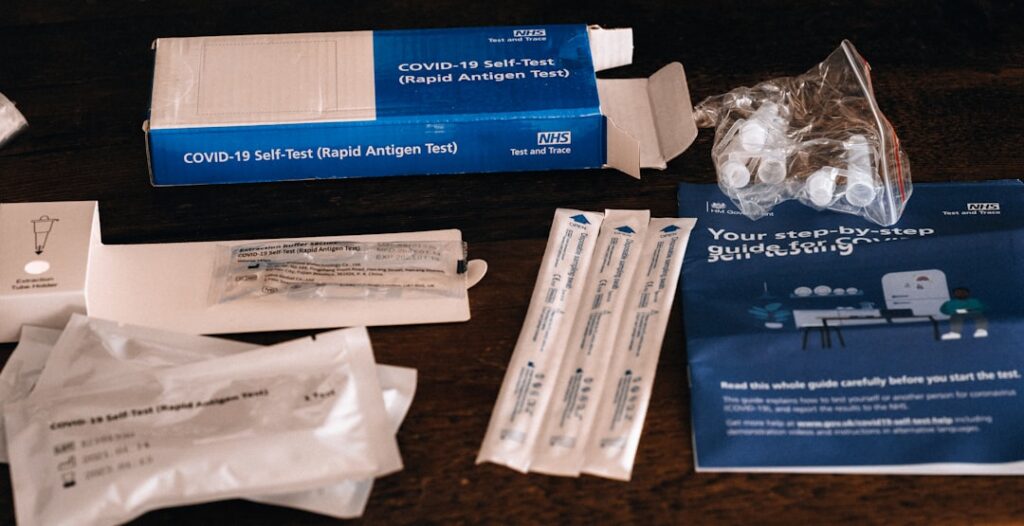
Radon levels rise and fall with the seasons, which is exactly why a single quick test can mislead. A long term radon test kit measures radon for more than 90 days, capturing a true annual average rather than a snapshot skewed by a cold snap or a storm. For homeowners who want the most reliable read on their home, especially across a Colorado winter, the long-term kit is the gold standard. This guide summarizes EPA and Colorado state guidance current as of 2026; consult a certified radon professional for mitigation decisions specific to your home.
Part of our Radon Levels guide — start there for the full picture →
What a long term radon test kit is
A long-term radon test kit is a passive detector that sits in the home for more than 90 days, and often for several months to a full year, then goes to a laboratory for analysis. Because it integrates radon exposure over a long window, it averages out the daily and seasonal swings that make short-term tests volatile. The result better represents what the household actually breathes year-round.
The EPA recommends the long-term test when the goal is understanding a home’s true average rather than meeting a real-estate deadline. The action level is the same as for any test: 4.0 pCi/L and above calls for mitigation. The broader framework sits in the Colorado radon testing guide, and homeowners deciding between formats can compare against a continuous radon monitor, which offers a different long-term approach.
How long-term test kits work
Most long-term kits use one of two passive detector technologies, and both are simple for a homeowner to deploy.
Alpha track detectors
An alpha track detector contains a small plastic film. As radon decay products strike the film, they leave microscopic tracks. After the exposure period, the lab chemically etches the film and counts the tracks to calculate the average radon concentration. These are the most common long-term consumer kits.
Electret ion chamber detectors
An electret detector uses a charged disc that loses charge as radon decay ionizes the air inside the chamber. The charge drop, measured before and after, indicates the radon level. Both technologies are well validated and used widely in radon programs.
Deployment is straightforward: place the kit in the lowest lived-in level, follow the placement instructions about height and distance from walls and vents, leave it undisturbed for the test period, then mail it to the lab. The lab returns a report with the average pCi/L.
Long-term versus short-term: which to choose
The choice comes down to timing and purpose. A short-term test runs two to seven days and is the practical choice during a home sale, where the inspection window is tight. Its weakness is volatility, since weather and home operation can push a single reading well above or below the true average.
A long-term kit trades speed for accuracy. For a homeowner evaluating their own residence with no deadline, it is the better tool, particularly in Colorado where sealed winter homes and uranium-rich soils drive seasonal highs. The Colorado Department of Public Health and Environment encourages testing that reflects real living conditions, and a multi-month kit spanning a heating season does exactly that. A common strategy is to start with a short-term test for a fast answer, then confirm with a long-term kit before deciding on mitigation. Homeowners weighing pricing can review what radon testing costs across formats.
How to deploy a long-term kit correctly
A long-term kit is only as good as its placement, and small errors over a multi-month window can skew the average. Following the protocol carefully is the difference between a trustworthy result and a wasted season.
Placement basics
Place the detector in the lowest level of the home that is regularly used, such as a finished basement or a ground-floor living area. Position it roughly two to six feet above the floor, away from exterior walls, windows, vents, and sources of drafts or high humidity. Keep it clear of heat, direct sunlight, and areas where it might be bumped or covered. The kit should sit undisturbed for the full test period rather than being moved between rooms.
Living normally during the test
Unlike short-term tests that call for closed-house conditions, a long-term kit is meant to capture how the home is actually lived in, including normal opening and closing of doors and windows across seasons. That realism is part of its value. Note the start date, leave it in place for the full duration, then seal and mail it to the lab promptly so the analysis reflects the true exposure window.
Long-term testing and the home-sale timeline
The one scenario where a long-term kit does not fit is a real-estate transaction, where the inspection contingency rarely allows 90 days. In a purchase, a short-term test or a continuous monitor delivers the fast answer the contract requires. The long-term kit is the tool for the homeowner who already lives in the house and wants the most accurate read for their own peace of mind.
A sensible combined strategy bridges both needs. A buyer can rely on a short-term test for the transaction, then deploy a long-term kit after moving in to confirm the home’s true year-round average across a full heating season. If that long-term result comes back elevated, the homeowner can move to mitigation with confidence that the number reflects reality, not a weather-driven blip. In Colorado, where winter readings commonly run higher than summer ones, this follow-up step is especially worthwhile and is echoed in the broader guidance on interpreting radon test results.
Cost, accuracy, and what to do with the result
Long-term radon test kits are inexpensive, typically $25 to $50 including lab analysis, which makes them an easy investment for the accuracy they deliver. The main “cost” is patience, since the result takes months. Accuracy is high when the kit is placed correctly and left undisturbed, and the long exposure window inherently reduces the error that short tests carry.
When the result arrives, treat it like any radon reading. A long-term average at or above 4.0 pCi/L is a strong signal to mitigate, and because the long-term test already represents the true average, less confirmation is needed than after a single short-term spike. Between 2 and 4 pCi/L, weigh mitigation as the EPA suggests; many Front Range homeowners proceed given regional radon prevalence. The American Lung Association stresses that whatever the format, acting on an elevated result is what actually protects the household over the years that radon risk accumulates.
The health basis for accurate measurement
The reason accuracy matters so much comes down to what radon does over time. Radon is the leading cause of lung cancer among people who have never smoked and the second-leading cause overall in the United States, according to the EPA. The harm is driven by cumulative exposure: radon and its decay products lodge in the lungs and emit radiation that damages tissue over years, so the relevant quantity is the average concentration a household breathes across the long run, not a single day’s reading.
A long-term test measures exactly that quantity. By integrating exposure over months, it produces the figure most closely tied to actual health risk, which is why public health guidance treats the long-term average as the gold standard for understanding a home. A short-term test answers a narrower, faster question useful for transactions, but it can over- or under-state the true average that drives risk. For a homeowner deciding whether their family’s long-term exposure warrants mitigation, the long-term kit’s alignment with the health basis is its core advantage.
Choosing and buying a long-term kit
Several practical considerations guide a good purchase. Confirm the kit is designed for long-term use, meaning a 90-day or longer exposure window, since some retail kits are short-term canisters that expire quickly. Check that the price includes laboratory analysis and return shipping, because a low sticker price that excludes lab fees can cost more in the end. Look for a kit whose lab participates in a recognized radon proficiency program, which signals reliable analysis.
Alpha-track and electret-based kits both serve well for long-term measurement, and the choice between them is less important than following the protocol and using an accredited lab. For homeowners who prefer a digital approach, a continuous radon monitor offers an alternative long-term path, displaying a running average and often logging fluctuations, though it carries a higher upfront cost than a passive kit. Either way, buying through a reputable source and confirming the lab’s credentials protects the integrity of the result. Homeowners comparing the passive kit against an electronic device can weigh the trade-offs in the overview of a continuous radon monitor.
What to do with the long-term result
When the long-term result arrives after its multi-month window, it should drive the same decisions as any radon reading, with somewhat more confidence given its accuracy. A long-term average at or above 4.0 pCi/L is a strong signal to mitigate, and because the test already represents the true average, less additional confirmation is needed than after a single short-term spike. A result between 2 and 4 pCi/L falls in the EPA’s “consider action” range, where many Front Range homeowners choose to mitigate given Colorado’s high radon prevalence and the affordability of a system.
A result below 2 pCi/L is reassuring but not a reason to stop testing forever, since levels shift with seasons, soil conditions, and home modifications. Re-testing every couple of years and after major renovations keeps the picture current. The American Lung Association stresses that the value of any test, long-term or short, lies in acting on an elevated result, because mitigation is what actually reduces the cumulative exposure that radon risk depends on. A long-term kit delivers the most trustworthy number; turning that number into action is what protects the household over the years that matter.
Long-term kits versus continuous monitors
Homeowners choosing a long-term measurement approach weigh the passive kit against an electronic continuous monitor, and each has merits. A passive long-term kit is inexpensive, typically $25 to $50 including lab analysis, requires no power, and delivers a single highly reliable average after its multi-month window. Its drawback is the wait and the lack of interim feedback; the homeowner learns nothing until the lab reports back.
A continuous radon monitor costs more upfront but displays a running average and often a daily or hourly trend, giving ongoing visibility into how the level fluctuates. This feedback is useful for spotting seasonal patterns or confirming a mitigation system’s performance over time. For a one-time accurate measurement, the passive long-term kit is the economical gold standard; for a homeowner who wants continuous awareness and is willing to invest in a device, a monitor adds convenience and detail. Many Front Range homeowners use a passive long-term kit for the initial decision, then add a monitor for ongoing reassurance after mitigation. Either way, the long exposure window is what makes the result trustworthy.
Common mistakes that skew long-term results
Even a forgiving long-term test can be undermined by avoidable errors, so a few precautions protect the result. The most common mistake is poor placement: setting the detector too close to a window, exterior door, vent, or heat source, or in a damp area like directly beside a sump pit, can bias the reading. Following the kit’s placement instructions on height and clearance prevents this.
A second mistake is moving or disturbing the detector during the test, which fragments the exposure window and muddies the average. The detector should sit undisturbed in one spot for the full duration. A third is testing in a rarely used part of the home rather than the lowest lived-in level, which can understate the exposure occupants actually experience. A fourth is delaying the mailing to the lab after the test ends, since prolonged transit or storage can affect some detector types. Finally, choosing a kit whose lab lacks recognized accreditation risks an unreliable analysis. Avoiding these errors, placement, stability, location, prompt mailing, and an accredited lab, ensures the long-term kit delivers the accurate average that is its central advantage, giving a Colorado homeowner a result they can act on with confidence.
References
- A Citizen’s Guide to Radon — EPA
- Radon Testing in Colorado — Colorado Department of Public Health and Environment
- Radon and Lung Health — American Lung Association
Frequently asked questions
How long does a long-term radon test kit run?
A long-term kit measures radon for more than 90 days, and often for several months up to a full year. The extended window captures seasonal swings and produces a true annual average rather than a short snapshot.
Is a long-term radon test more accurate than a short-term one?
For a home's true average, yes. Short-term tests can run high or low because radon varies with weather and season, while a long-term kit integrates exposure over months, smoothing out those swings for a more reliable result.
How much does a long-term radon test kit cost?
Long-term kits typically cost $25 to $50 including lab analysis, making them an inexpensive way to get an accurate yearly average. The main trade-off is waiting months for the result rather than days.
When should I use a long-term kit instead of a short-term test?
Use a long-term kit when evaluating your own home without a deadline, especially in Colorado where winter sealing drives seasonal highs. Short-term tests fit real-estate timelines; many homeowners start short-term, then confirm with a long-term kit.
If a long-term test shows elevated radon in your Front Range home, get in touch through our contact page to connect with a certified local radon professional.
Radon test kits we recommend
Short-term charcoal kits are the cheapest way to get a first reading; mail the canister to the lab and results come back in days.
| Product | Why | Buy |
|---|---|---|
 AirChek Charcoal Radon Test Kit AirChek Charcoal Radon Test Kit | Lab fee usually included; EPA short-term protocol. | Amazon — $21.95 |
 First Alert RD1 Radon Test Kit First Alert RD1 Radon Test Kit | Widely stocked; 48-hour charcoal test. | Amazon — $16.98 |
| Health Metric Radon Test Kit | Two-pack option for closed-house testing. | Amazon — $16.98 |