Disposal of Moldy Materials: How to Bag and Discard Safely
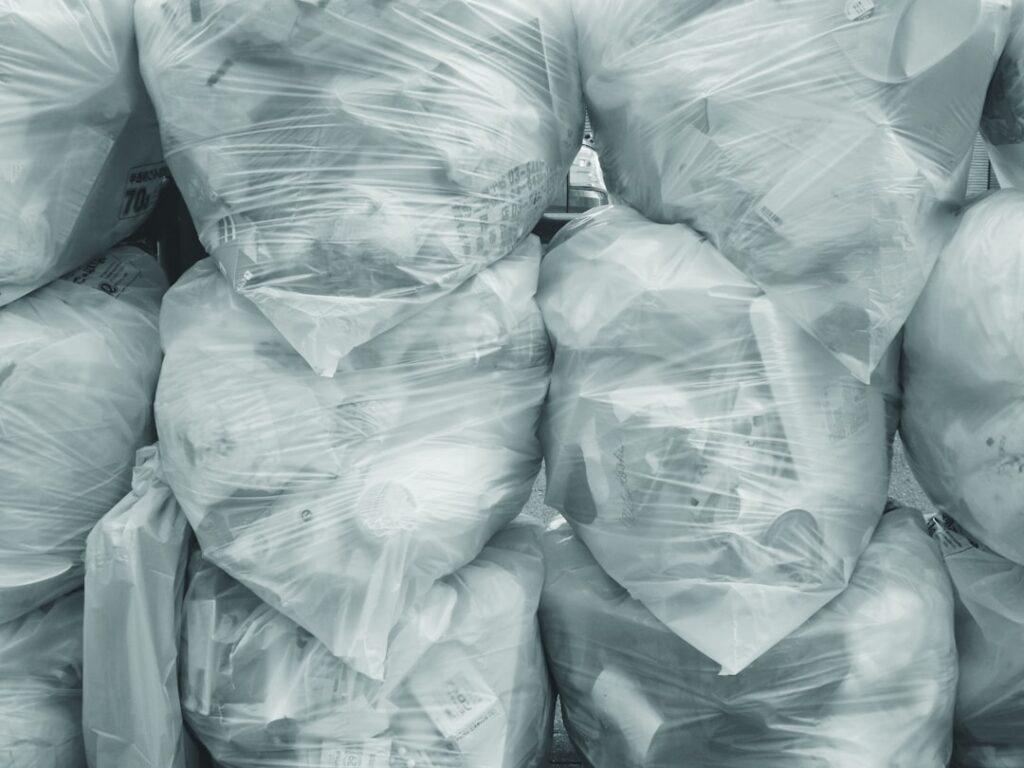
Removing moldy drywall, carpet or a ruined mattress is only half the job. The other half is getting that material out of the house without scattering spores and dust into rooms that were clean a minute ago. Careless disposal of moldy materials is one of the most common ways a small cleanup turns into a bigger one: a torn bag in a hallway, a carpet dragged across the living room, a shop vacuum blowing fine dust back into the air. This guide covers which materials can be cleaned and which should go, how to bag and move debris, what household trash will usually accept, and when containment, testing for asbestos or lead, or a professional crew makes sense. It summarizes EPA and CDC guidance current as of 2026; talk to a physician about health concerns and to your local waste hauler about disposal rules where you live.
Part of our Types of Mold guide — start there for the full picture →
Dealing with mold or water damage? Talk to a remediation pro now.
📞 Call (833) 723-1134What Safe Disposal of Moldy Materials Involves
The goal is simple: keep mold-contaminated material and its dust inside a sealed package from the moment it is removed until it leaves the property. The EPA’s guide Mold Remediation in Schools and Commercial Buildings, which the agency says applies to other building types as well, describes the core steps in its chapter on remediation:
- Building materials and furnishings that are moldy and not salvageable should be double-bagged using 6-mil polyethylene.
- Materials should be packaged in sealed bags before they leave the work area, to limit the spread of spores through the building.
- Large items with heavy growth should be covered with polyethylene sheeting and sealed with duct tape before they are moved.
- Once bagged, the EPA says these materials can usually be discarded as ordinary construction waste.
Everything else in this guide builds on those four points. The work happens in a predictable order: fix the moisture, decide what to keep, protect yourself and the house, cut and bag at the source, carry sealed bags out by the shortest route, and clean up the path behind you.
For the bigger picture of finding and fixing mold before you start tearing anything out, see our mold inspection guide for Colorado homeowners.
Clean It or Throw It Away?
Not every moldy item has to go. The deciding factor is usually whether the material is porous. Mold can root into and fill the spaces inside absorbent materials, and the EPA notes that porous materials such as ceiling tiles and carpet may have to be thrown away if they become moldy, because the mold may be difficult or impossible to remove completely. Hard, non-porous surfaces, by contrast, can usually be scrubbed with detergent and water and dried.
The CDC lists the materials mold commonly grows on indoors: paper, cardboard, ceiling tiles, wood, dust, paint, wallpaper, insulation, drywall, carpet, fabric and upholstery. It also recommends removing or replacing carpets and upholstery that have been soaked and cannot be dried right away.
The table below is a practical starting point. Use judgment: a small surface spot on a sound item is different from growth that has soaked through.
| Material | Clean or discard | How to bag or package |
|---|---|---|
| Drywall (gypsum board) | Usually discard if growth has stained through or the board was wet for a long time; surface spots on sound, painted board can sometimes be cleaned | Cut into pieces that fit the bag without tearing it; double-bag in 6-mil plastic; tape each bag closed |
| Carpet and pad | Usually discard if moldy or soaked and not dried promptly; the pad almost always goes | Mist lightly, cut into strips, roll tightly with the dirty side in, wrap in 6-mil sheeting and tape, or double-bag the rolls |
| Fiberglass or cellulose insulation | Discard if wet, matted or visibly moldy | Bag in place, double-bag, avoid compressing bags so they do not burst |
| Mattresses and box springs | Usually discard if growth is more than a small surface spot | Wrap fully in 6-mil plastic or a mattress bag, seal seams with tape, carry out flat |
| Upholstered furniture | Often discard if growth is in the padding; a specialist may save valuable pieces | Wrap in polyethylene sheeting and tape before moving |
| Clothing, curtains and fabrics | Washable items can often be laundered; discard items with heavy staining or odor that will not wash out | Bag before carrying to the laundry or the trash; do not shake out indoors |
| Paper, books and cardboard | Usually discard; valuable documents may be candidates for professional restoration | Double-bag; do not stack loose in boxes |
| Ceiling tiles | Discard; the EPA singles them out as porous materials that may need to be thrown away | Lower carefully, bag at once, double-bag |
| Wood framing, metal, glass, hard plastic | Usually clean, dry and keep; replace wood only if it is soft or structurally damaged | Bag the rags, sponges and debris from cleaning |
| HEPA vacuum filter and contents | Discard | EPA says to dispose of them in well-sealed plastic bags |
For item-specific advice, see our guides on black mold on a mattress and mold on fabric. The EPA also suggests consulting a restoration specialist for items that are expensive or have sentimental value.
Before You Start: Asbestos, Lead and Size
Two questions should be answered before anyone cuts into a wall or ceiling: how big is the job, and could the materials contain something worse than mold?
Check older materials for asbestos and lead first
Many Front Range homes were built before 1980. In homes of that age, materials such as textured or popcorn ceilings, drywall joint compound, plaster, vinyl floor tiles and their adhesives, and pipe or duct insulation may contain asbestos, and painted surfaces may contain lead-based paint. Cutting, breaking and bagging those materials creates exactly the kind of dust that is hardest to control. If the home is older and the material could plausibly contain asbestos or lead, have it tested before demolition. If a test comes back positive, the removal and disposal rules change, and in many cases a licensed abatement contractor is required. Do not tear out and bag suspect material and then test it later.
Size the job
The EPA uses roughly 10 square feet, about a 3 foot by 3 foot patch, as a dividing line. Below that, the EPA’s Mold Cleanup page says in most cases homeowners can handle the job themselves. Above it, or where there has been a lot of water damage, the EPA points to its remediation guide. If the damage came from sewage or other contaminated water, the EPA advises calling a professional experienced with that kind of cleanup.
Size matters for disposal because larger jobs produce more dust and more bags, and that is when containment becomes important.
Protective Gear for Handling Moldy Debris
Bagging moldy material means handling it directly and breathing near it, so protective gear is not optional. The EPA’s remediation guide sets a minimum for small areas: an N-95 respirator, gloves and goggles. Its Brief Guide recommends long gloves that reach mid-forearm and goggles without ventilation holes, and notes that a respirator must fit properly to work. Our guide to choosing an N95 mask for mold covers fit and options.
For medium and large jobs, the EPA describes stepping up to a half-face or full-face respirator with HEPA cartridges, disposable coveralls, and for the largest jobs full body suits with head and foot coverings. It also notes that contaminated protective gear, except respirators, should be placed in a sealed bag before leaving the work area. That gear is part of the waste stream too.
Step by Step: Bagging Moldy Materials
These steps assume a small to moderate job that a homeowner is handling. Our mold removal guide covers the wider cleanup process.
1. Stop the water and set up
Fix the leak or moisture source first. Then gather supplies before you open anything: heavy 6-mil plastic bags or sheeting, duct tape, a utility knife, a spray bottle with water, plastic sheeting for the floor, and your protective gear. Turn off the HVAC system serving the area. The EPA warns against running a system that may be contaminated, because it can spread mold through the building.
2. Plan the exit route
Decide how bags will leave the house before the first one is filled. The best route is the shortest one to the outdoors: a window, a basement walkout or the nearest exterior door. Lay plastic sheeting along any indoor path the bags must travel. Remove rugs from the route and close doors to rooms you are not working in.
3. Mist to keep dust down
Lightly misting moldy surfaces with water before cutting or pulling them is a common practice for keeping spores and dust from becoming airborne. Use a fine spray, not a soaking. Wetting drywall or insulation too much makes it heavy, messy and more likely to tear bags, and adds moisture you will then have to dry.
4. Cut and bag at the source
Cut drywall and carpet into pieces small enough to fit the bags without stretching or puncturing them. Place each piece directly into a bag at the spot where it was removed. Do not stack loose debris in a pile and bag it later, and do not carry unbagged pieces across the room. Avoid overfilling: a bag that bulges is a bag that splits.
5. Double-bag and seal
Twist the neck of the inner bag, fold it over and tape it. Then place it inside a second bag and seal that one the same way. This follows the EPA’s double-bagging recommendation. Wipe the outside of the outer bag with a damp cloth before it leaves the work area.
6. Wrap large items
Mattresses, upholstered furniture and long carpet rolls usually will not fit in bags. The EPA recommends covering large items that have heavy mold growth with polyethylene sheeting sealed with duct tape before they are moved. Wrap them where they sit, and tape every seam.
7. Carry, do not drag
Lift sealed bags and wrapped items and carry them out along the prepared route. Dragging bags across floors and stairs is the most common way they tear. For heavy loads, use a second person or a hand truck instead of hauling a bag over the carpet.
8. Clean the route and the work area
Once debris is outside, clean up. The EPA recommends HEPA vacuums for final cleanup after materials are dried and removed, and for dust that may have settled outside the work area. It also says the vacuum’s filter and contents must be disposed of in well-sealed plastic bags, and that anyone changing the filter should wear protective gear. A household vacuum without a sealed HEPA system can blow fine particles back into the air. Our guide to HEPA vacuuming for mold remediation explains technique, and damp-wiping hard surfaces finishes the job. Bag the floor sheeting, wipes and disposable gear last.
Containment for Larger Jobs
When a job is bigger than a small patch, the EPA’s remediation guide calls for containment, a plastic enclosure that keeps dust inside the work area while materials are removed and bagged.
- Limited containment. Generally recommended for roughly 10 to 100 square feet of mold. The EPA describes a single layer of 6-mil, fire-retardant polyethylene sheeting around the area, with a slit entry and covering flap. Supply and air vents, doors, chases and risers inside the area should be sealed with plastic.
- Full containment. Recommended for more than 100 square feet, or whenever occupied space would likely be contaminated without it. The EPA describes double layers of polyethylene and a decontamination chamber or airlock, large enough to hold a waste container and allow workers to change out of protective gear.
- Negative pressure. The EPA says containment should be kept under negative pressure, with fans exhausting to the outdoors, so the plastic billows inward. If it billows outward, containment has been lost.
In this setup, bags are filled and sealed inside the containment, then passed out through the airlock. Setting up proper containment is beyond most DIY projects, which is one reason larger jobs usually go to a professional. Our overview of mold remediation explains what a professional crew does and how containment fits into the process.
Where Bagged Mold Waste Can Go
Mold-contaminated building materials are not generally treated as hazardous waste. The EPA says that properly bagged moldy materials can usually be discarded as ordinary construction waste. For most households with a small job, that means a few sealed bags can usually go out with regular trash pickup.
Local rules still matter, and they vary. Some practical points to check with your trash hauler or municipality:
- Volume limits. Many curbside services cap how many bags or how much construction debris they will take in one pickup.
- Bulky items. Mattresses, furniture and carpet rolls often require a scheduled bulk pickup or a trip to a transfer station.
- Construction debris rules. Some services accept drywall and carpet only in limited amounts or not at all.
- Dumpster rentals. For a larger tear-out, a roll-off dumpster may be simpler. Keep bags sealed even inside the dumpster, and ask the rental company about any restricted materials.
Two exceptions are important. If any of the material contains asbestos, it is regulated and has its own handling, packaging and disposal requirements. If the damage came from sewage, the material carries more than mold, and professional cleanup is the safer path. In either case, do not put the material in household trash until you have confirmed how it must be handled locally.
Do not burn moldy materials, leave them in an open pile in the yard, or store sealed bags in the garage for weeks. Get them off the property promptly.
Document Before You Discard
Once a bag is sealed and gone, so is the evidence. If there is any chance of an insurance claim, a dispute with a landlord or contractor, or a disclosure question when the home is sold later, take a few minutes to record what you are removing before it leaves the house.
- Photograph the damage in place. Take wide shots that show the room and close-ups that show the growth, stains and any visible leak source. Include a tape measure in a few photos to show size.
- Photograph what is behind it. When drywall or carpet comes up, photograph the framing, subfloor or insulation underneath. That is often where the extent of the problem becomes clear.
- List discarded items. Note furniture, mattresses, rugs and stored belongings with an approximate age and description.
- Keep receipts. Save receipts for bags, protective gear, dumpster rental and disposal fees.
- Check with your insurer first when possible. Some insurers want to see damaged items or have an adjuster visit before anything is thrown away. Coverage for mold varies widely by policy, so read your policy and ask before you start.
Good records also help the next person who works on the house. A mold inspector or contractor called back later can see exactly what was removed and where.
Common Disposal Mistakes
- Using thin kitchen bags. They tear on drywall corners and carpet tack strip. Use heavy 6-mil plastic.
- Running the HVAC during tear-out. It can spread dust through the house.
- Carrying debris through the house unbagged. Bag at the source, every time.
- Sweeping or using a regular vacuum. Both can put fine dust back in the air.
- Skipping the moisture fix. The EPA warns that mold will most likely come back if the water problem is not fixed.
- Demolishing first, testing later. In older homes, check for asbestos and lead before disturbing materials.
- Leaving gear on. Bag disposable coveralls and gloves before leaving the work area, and launder work clothes separately.
When to Hand It to a Professional
Consider professional help when the affected area exceeds about 10 square feet, materials may contain asbestos or lead, the damage came from sewage, the growth is in an HVAC system, or anyone in the household has asthma, allergies or a weakened immune system. Crawl spaces are a common example: tight access, wet soil and heavy insulation make bagging and removal difficult. See our guide to local crawl space mold removal for what that work involves.
The EPA advises choosing a contractor with mold experience, checking references, and asking them to follow EPA guidance or other recognized professional guidelines. Ask how they will contain the area, how debris will be bagged and removed, and where it will be disposed. Our guide to black mold removal covers what to expect from a remediation crew, and if cost is a barrier, our overview of government grants for mold removal lists programs worth checking.
After the moldy material is gone and the area is dry, the rebuild can begin. Our drywall repair guide covers patching and replacing the sections you removed. For more on specific molds and how they behave, browse our mold types hub.
References
- Mold Cleanup in Your Home — U.S. Environmental Protection Agency
- Mold Remediation in Schools and Commercial Buildings Guide: Chapter 3 — U.S. Environmental Protection Agency
- A Brief Guide to Mold, Moisture and Your Home — U.S. Environmental Protection Agency
- Mold — Centers for Disease Control and Prevention
Frequently asked questions
How do you dispose of moldy drywall?
Cut it into manageable pieces at the spot where it was removed, place them straight into heavy 6-mil plastic bags, then double-bag and tape each bag closed. The EPA says properly bagged moldy materials can usually be discarded as ordinary construction waste.
Can moldy materials go in regular household trash?
Small amounts of sealed, double-bagged moldy material can usually go out with household trash, but rules vary by hauler and municipality. Check volume limits and bulky-item rules, and never put suspected asbestos material in the trash.
Should moldy carpet be thrown away?
Usually yes. The EPA notes porous materials like carpet may need to be discarded because mold can be impossible to remove completely, and the CDC recommends replacing soaked carpet that cannot be dried right away. Roll it with the dirty side in and wrap it in plastic.
Do I need to test for asbestos before removing moldy drywall?
In older homes it is a sensible precaution. Joint compound, textured ceilings and some flooring in older houses may contain asbestos, and painted surfaces may contain lead. Test suspect materials before cutting or bagging them.
What should I do with the HEPA vacuum filter after mold cleanup?
The EPA says the filter and contents of a HEPA vacuum used for mold cleanup must be disposed of in well-sealed plastic bags. Wear protective gear when changing the filter.
Facing a tear-out that feels too big to bag and haul yourself? Get in touch and we can connect you with a Front Range mold professional who handles containment and disposal.