Mold Removal: What Homeowners Need to Know
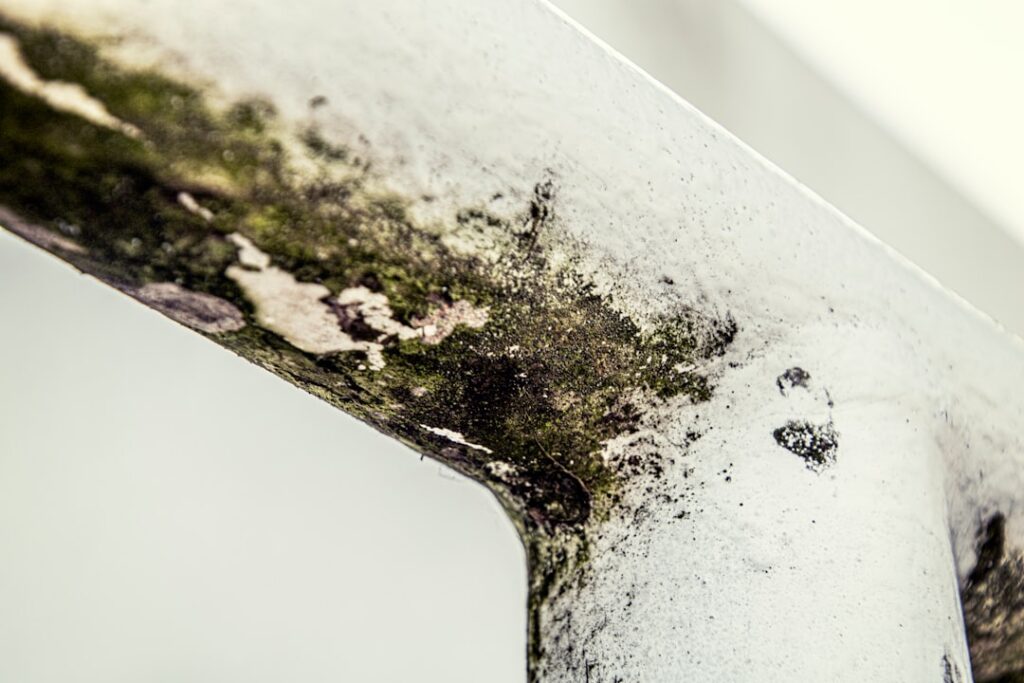
Mold removal means physically eliminating visible mold growth from surfaces and discarding materials too contaminated to clean. The phrase is everywhere in home-improvement circles, but the practical reality is narrower than most product ads suggest: you cannot remove every spore from the air, only return indoor levels to a normal background range. This guide summarizes EPA and CDC guidance current as of 2026; consult a certified professional for testing decisions and your physician for any health symptoms. Colorado homeowners encounter mold most after basement leaks, ice dams, and humid bathrooms, so the cleanup playbook below is built for real Front Range conditions.
Is this mold, asbestos, or water damage? Get a free instant screen
Upload a clear photo of the suspect area. You'll get an instant AI screening opinion and what to do next. This is screening guidance, not a professional determination.
Screening guidance only. AI can be wrong. Confirm asbestos, mold type, or lead with lab testing or a licensed professional before acting.
What Mold Removal Really Means
Removal targets the colonies you can see and the materials harboring them. Spores themselves are microscopic and float in all indoor and outdoor air, so the honest goal is control, not sterilization. Professionals often prefer the word remediation for this reason. When you scrub a moldy windowsill or tear out soaked drywall, you are doing the core work of removal: taking the mold and its food source out of the building.
DIY or Professional? Start With the Size
The EPA suggests homeowners can handle moldy patches under about 10 square feet, roughly a 3-by-3-foot area. Beyond that, or whenever mold follows sewage backups, flooding, or sits inside HVAC ducts, the job belongs to a professional. People with asthma, allergies, or weakened immune systems should not perform removal themselves regardless of size.
Signs the Job Is Bigger Than It Looks
Bubbling paint, a musty smell with no visible mold, or warped baseboards often signal hidden growth behind the surface. If you find mold on one side of a wall, assume it may be worse on the other. Our walkthrough on how to tell if you have mold in your house helps you read these clues.
Protective Gear You Actually Need
Before touching mold, put on an N95 respirator at minimum, nitrile or rubber gloves that extend past the wrist, and non-vented goggles. Wear clothing you can wash in hot water or discard. Ventilate the room to the outdoors and keep doors to the rest of the house closed so spores do not migrate during cleanup.
Cleaning Non-Porous Surfaces
Tile, glass, metal, and sealed countertops can usually be saved. Scrub them with detergent and water, then dry completely. The EPA notes that you do not need to kill mold chemically to remove it; physical scrubbing plus thorough drying does the work. Dead mold can still cause allergic reactions, so the point is to get it off the surface entirely, not just discolor it.
Why Porous Materials Get Tossed
Drywall, carpet, ceiling tiles, and insulation absorb moisture and let mold root deep inside. Surface cleaning rarely reaches those embedded colonies, so the EPA recommends removing and replacing heavily affected porous materials. Bagging them before carrying them out prevents spreading spores through hallways.
The Bleach Myth
Bleach is the default home remedy, but it has real limits. On porous materials the water in bleach soaks in while the disinfectant stays on top, sometimes feeding regrowth. The EPA does not list bleach as a required step for routine mold cleanup. For a fuller look at what actually works, see our guide to what kills mold and what only looks like it does.
Drying: The Step Everyone Skips
Mold needs moisture to grow, so removal is incomplete until the area is dry. Use fans and a dehumidifier, and do not rebuild or repaint until materials feel and read dry. The CDC advises keeping indoor humidity below 60 percent to discourage regrowth. Skipping this step is the most common reason mold returns within days.
Containing the Mess
Even on small jobs, simple containment pays off. Tape plastic sheeting over doorways and supply vents, and turn off central air so the system does not pull spores across the house. For larger removals, professionals build sealed enclosures with negative air pressure. The principle is the same at any scale: keep the contamination where the work is.
Fixing the Water Source
Removal without a moisture fix is temporary. Track down the leak, condensation, or humidity problem and correct it before declaring victory. Common Front Range culprits include foundation cracks, failing window seals, and oversized swamp coolers that dump humidity indoors. Our overview on preventing mold growth through building science covers durable fixes.
Removing Mold From Different Surfaces
The surface dictates the method. Painted drywall with light surface mold can sometimes be wiped if the paint and substrate are intact and dry, but soaked or bubbling drywall comes out. Wood framing and subfloor can usually be cleaned and dried because the wood is structural and worth saving. Grout and caulk in bathrooms hold mold in their pores and may need regrouting or re-caulking. Fabric, upholstery, and ceiling tiles rarely survive significant mold and are typically discarded. Matching the technique to the material keeps you from either over-demolishing or leaving colonies behind.
How Long Mold Removal Takes
A small bathroom or closet job is often a single afternoon. Larger areas with porous-material removal and drying stretch across several days, since the drying phase cannot be rushed. Verifying dryness with a moisture meter, rather than guessing, is what determines when you can rebuild. Homeowners who hurry the drying step are the ones who repeat the whole process a month later. Patience during drying is the cheapest insurance against recurrence.
Health Precautions During Removal
Disturbing mold launches spores into the air, so personal protection is not optional. Beyond the N95 respirator and gloves, keep children, pets, and anyone with respiratory conditions out of the work area entirely. Ventilate to the outdoors, never recirculate through the HVAC system, and wash work clothes separately in hot water afterward. The CDC associates mold exposure with allergic and respiratory reactions in sensitive people, which is reason enough to take the gear seriously even on a small job. If symptoms arise, stop and consult a physician.
What Removal Cannot Do
Removal eliminates visible growth and the materials harboring it, but it cannot scrub spores from the air or prevent future mold on its own. Indoor air always contains background spores; the goal is normal levels, not zero. Removal also cannot compensate for an unfixed leak. If you remove mold and the moisture returns, so does the mold. Setting realistic expectations keeps homeowners from feeling cheated when a perfectly executed removal is undone by an ignored plumbing drip.
Documenting the Work
Photograph the mold before, during, and after removal, and keep receipts for materials and any professional services. This record supports insurance claims when the cause is a covered event and satisfies disclosure requirements at resale. A documented removal reassures future buyers far more than a verbal assurance that a problem was handled. Treat the paperwork as part of the job, not an afterthought.
Removing Mold From a Basement
Basements concentrate the conditions mold loves: below-grade dampness, poor airflow, and porous storage materials. Foundation seepage and condensation on cold walls are the usual triggers. Remove moldy drywall, carpet, and insulation, clean salvageable masonry and framing, and dry the space with fans and a dehumidifier. Then address the water by improving exterior grading and sealing the sump pit. On the Front Range, snowmelt pooling against the foundation is a frequent source worth correcting before any rebuild.
Removing Mold From an Attic
Attic mold usually traces to poor ventilation, roof leaks, or exhaust vents that terminate in the attic instead of outdoors. Remove moldy insulation, clean sound sheathing, and dry the space, then fix the ventilation and reroute any misdirected vents. Because attics are confined and hot, and because the fix often overlaps with roofing, extensive attic mold frequently warrants a professional. Our guide to preventing black mold covers the moisture habits that keep these spaces dry.
Verifying Removal Worked
Removal is not finished at the moment the visible mold is gone. Confirm materials are genuinely dry with a moisture meter, not just dry to the touch, and watch the area through the next wet season for returning stains or musty odors. For larger jobs, independent clearance testing compares indoor spore counts to outdoor baselines and confirms the work succeeded before rebuilding. Skipping verification is how homeowners end up paying for the same removal twice.
Keeping Mold From Returning
Durable results depend on moisture control. Keep indoor humidity in the 30 to 50 percent range, run bathroom and kitchen exhaust fans, fix leaks promptly, and dry wet materials within 24 to 48 hours. Direct gutter downspouts away from the foundation and grade soil to shed water. A dehumidifier sized to a damp basement does more than any cleaner. Our overview on keeping mold from growing details the routines that make removal last.
When to Call a Professional
Bring in a certified remediation company for areas larger than 10 square feet, contamination after sewage or flooding, suspected hidden mold, or any situation involving vulnerable occupants. Ask for a written scope, confirm the crew uses containment and HEPA equipment, and arrange independent clearance testing afterward. A trustworthy contractor welcomes that verification rather than discouraging it.
Removing Mold From Clothing and Fabrics
Washable fabrics affected by mold can often be saved. Launder clothing, curtains, and washable covers in the warmest setting the material allows, and dry them promptly and completely. Heavily mold-infested soft goods, mattresses, large upholstered pieces, and porous items that cannot be fully cleaned, are usually discarded, since mold roots deep into the fibers. Never return damp items to a closet or drawer, as residual moisture restarts growth. Check care labels first, and treat valuable or delicate pieces with professional cleaning rather than guesswork.
Removing Mold After a Flood
Flooding demands speed. Mold can establish within 24 to 48 hours of materials getting wet, so the priority after a flood is extracting water and drying fast before mold takes hold. Remove soaked porous materials, run fans and dehumidifiers, and document everything for insurance. Floodwater that contained sewage or contaminants raises the hazard and usually warrants professional handling. Acting within the first day or two often determines whether you face a cleanup or a full remediation. Our overview on preventing mold growth covers drying priorities.
Mistakes That Undo Mold Removal
The most common error is treating the stain while ignoring the water source, which guarantees a return within days. Painting over mold traps it. Rebuilding before the cavity is fully dry seals moisture inside the wall. And disturbing a large colony without containment spreads spores through the home. Avoiding these four mistakes is most of what separates a one-time removal from an endless cycle of cleaning the same spot. Patience with drying and honesty about the moisture source matter more than any product.
References
- Mold Cleanup in Your Home — U.S. Environmental Protection Agency
- About Mold and Health — Centers for Disease Control and Prevention
- A Brief Guide to Mold, Moisture and Your Home — U.S. Environmental Protection Agency
- Mold Inspection Standards — InterNACHI
Front Range homeowners who want a qualified local inspector to confirm a mold problem before removal can get in touch here. To understand testing and inspection first, visit our homeowner mold inspection hub.
Mold removal & cleanup picks
For a small, contained patch (under ~10 sq ft) these EPA-friendly removers handle surface mold. Larger or recurring growth warrants a professional assessment first.
| Product | Why | Buy |
|---|---|---|
 RMR-86 Instant Mold Stain Remover RMR-86 Instant Mold Stain Remover | Fast-acting on stains; ventilate and wear PPE. | Amazon — $18.38 |
 Concrobium Mold Control Concrobium Mold Control | No-bleach formula that also helps prevent regrowth. | Amazon — $13.48 |
 Mold Armor Mold & Mildew Remover Mold Armor Mold & Mildew Remover | Widely stocked bathroom/surface remover. | Amazon — $22.98 |