Air Duct Cleaning Mold Removal: A Homeowner’s Guide
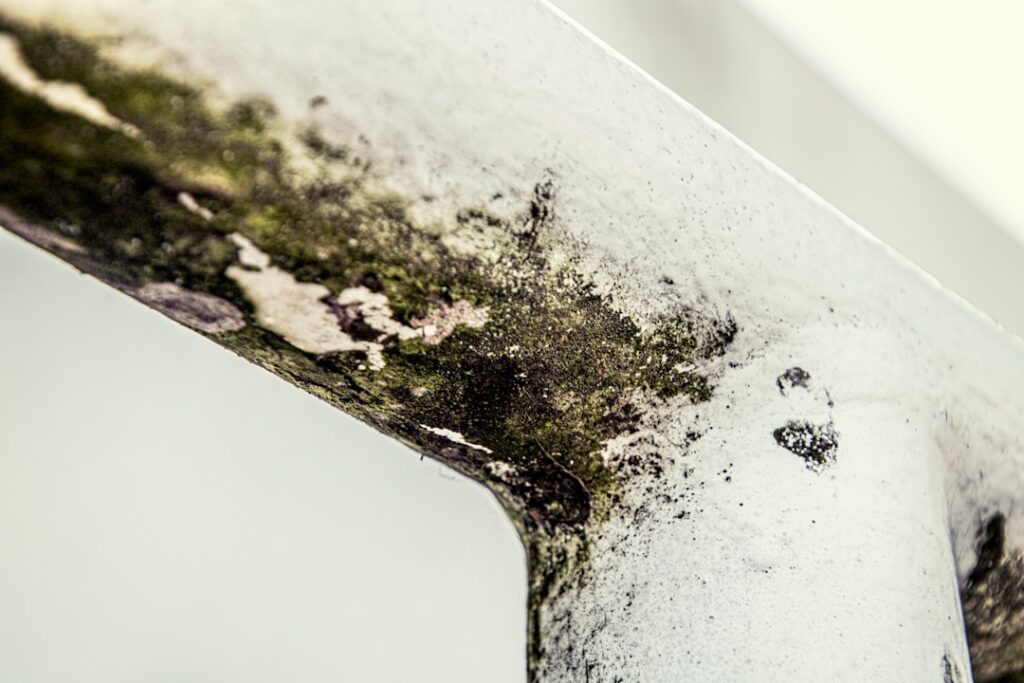
Mold inside heating and cooling ductwork worries homeowners because the system that is supposed to deliver clean air may instead be circulating spores through every room. Air duct cleaning mold removal is the process of removing mold growth from the HVAC system and, just as importantly, eliminating the moisture that let it grow. Cleaning the visible dust is the easy part; the real work is finding why the ducts got damp in the first place. This guide summarizes EPA and CDC guidance current as of 2026; consult your physician about symptoms and a certified professional for testing and remediation decisions.
Part of our Mold Removal & Remediation guide — start there for the full picture →
Is this mold, asbestos, or water damage? Get a free instant screen
Upload a clear photo of the suspect area. You'll get an instant AI screening opinion and what to do next. This is screening guidance, not a professional determination.
Screening guidance only. AI can be wrong. Confirm asbestos, mold type, or lead with lab testing or a licensed professional before acting.
How air duct mold removal works
When mold is confirmed in an HVAC system, the EPA advises that the moisture problem be corrected and that components which cannot be cleaned effectively be removed and replaced. Removal generally combines mechanical agitation, such as brushes or compressed-air tools, with a powerful HEPA-filtered vacuum that captures dislodged material rather than blowing it back into the home. On hard duct surfaces, technicians clean and may apply an EPA-registered antimicrobial labeled for HVAC use; on porous components like fiberglass-lined ducts or insulation, cleaning often is not sufficient and the material is replaced.
The EPA is careful to note that duct cleaning has never been shown to prevent health problems on its own, and that it is warranted specifically when there is visible mold growth, vermin, or substantial debris in the ducts. So the procedure is not routine maintenance; it is a targeted response to a confirmed problem. Because mold in ducts almost always traces back to a moisture source, fixing that source is the part of the job that determines whether the mold stays gone. Homeowners dealing with system-wide spread sometimes discover the trail leads back to a damp zone elsewhere, which is why a whole-home view, like the moisture logic in our mold inspection hub, matters before paying for duct work.
How to tell if you have mold in your air ducts
Mold in ductwork is often hidden, so the clues are indirect. A persistent musty smell that intensifies when the system runs is a common early sign. Visible growth around vents, registers, or the drip pan and coils of the air handler points to moisture inside the system. Some households notice allergy-like symptoms, such as congestion, irritated eyes, or coughing, that improve when they leave the home and return when the HVAC runs.
Condensation is the usual driver. Air conditioning cools air below its dew point, and if the condensate drain is clogged or the system is oversized and short-cycling, water lingers on coils and in ducts. Leaky return ducts in humid crawl spaces or attics pull damp air into the system. Because confirming mold inside ducts requires inspection of the interior, and because color alone cannot identify a species, a professional assessment, sometimes with sampling, is the reliable way to know. The CDC and EPA both caution against relying on smell or appearance alone.
Why duct cleaning alone often fails
The most common mistake is treating duct cleaning as the whole solution. If the condensate drain still clogs, the coil still sweats, or a humid crawl space still feeds the return air, mold returns within a season no matter how thoroughly the ducts were vacuumed. The EPA’s guidance is consistent across its mold materials: control the moisture or the mold comes back.
A second pitfall is the use of foggers and chemical sprays as a shortcut. Spraying a biocide or sealant into ducts without first physically removing the growth and the underlying debris can leave allergenic material in place and coat it over. The EPA notes that chemical treatments should only be applied after the system has been properly cleaned, and only with products labeled for HVAC use. A reputable contractor removes the growth first and treats second, never the reverse.
What professional duct mold removal costs
Pricing depends on system size, the number of vents and returns, the severity of contamination, and your local market. General duct cleaning for a typical home commonly runs in the range of a few hundred to roughly a thousand dollars, according to industry estimates. When confirmed mold removal is involved, costs rise because the job adds containment, antimicrobial treatment, and sometimes replacement of porous components; mold-specific duct work frequently lands in the high hundreds to a few thousand dollars depending on scope.
If the moisture source requires repair, such as replacing a corroded condensate pan, sealing leaky ducts, or addressing crawl-space humidity, that is an additional cost and a necessary one. Get itemized estimates that separate cleaning, mold treatment, component replacement, and moisture repair so you can compare bids on scope rather than headline price. A quote that addresses only “cleaning” without mentioning the moisture source is incomplete. For broader context on how remediation jobs are priced once mold spreads beyond a single surface, our overview of mold remediation cost shows how line items stack up.
What to expect during a professional duct mold job
Knowing the sequence a competent contractor follows helps you judge whether the work being done is thorough or superficial. A proper job begins with an inspection that confirms mold is actually present and locates the moisture source, often using a camera to view the interior of the ducts and the air handler. This step matters because the EPA notes duct cleaning is warranted specifically when there is visible mold, vermin, or substantial debris, not as routine maintenance, so a reputable firm verifies the problem before quoting removal.
The removal itself combines mechanical agitation with capture. Technicians use brushes, compressed-air whips, or similar tools to dislodge growth and debris from the duct walls while a high-powered, HEPA-filtered vacuum runs to capture everything rather than blowing it back into the home. The blower compartment, the evaporator coil, the drain pan, and the registers all receive attention, since mold on the coil and in the pan is a frequent source of the problem. Porous components, such as fiberglass duct liner or insulation that has grown mold, are typically removed and replaced because they cannot be cleaned reliably.
Only after the system is physically clean should any antimicrobial be applied, and only a product labeled for HVAC use. Finally, and most importantly, the moisture source is corrected, whether that means clearing a clogged condensate drain, sealing leaky ducts, repairing a sweating coil, or addressing crawl-space humidity feeding the return air. A job that skips the camera inspection, blows debris around without HEPA capture, sprays chemicals over uncleaned ducts, or ignores the moisture source is an incomplete job no matter how reasonable the price looks.
Should you clean ducts yourself or hire a professional?
The accessible parts of an HVAC system are within reach of a careful homeowner, but the system as a whole usually is not. Wiping mold off the visible faces of registers and vent covers, which you can remove and wash, is a reasonable DIY task on hard, non-porous surfaces. Changing the filter, keeping the area around the air handler clean, and pouring a cup of diluted bleach or vinegar down the condensate drain line to keep it clear are maintenance steps homeowners handle routinely.
The interior of the duct runs and the coil and blower assembly are a different matter. They require specialized brushes, HEPA-filtered negative-air equipment, and the ability to access components without damaging them, none of which a typical homeowner owns. Attempting to clean ductwork with a household vacuum can blow more spores into the home than it removes. The EPA recommends that mold in HVAC systems generally be handled by professionals experienced in remediation, and the presence of mold in ducts is one of the situations where it specifically advises against a do-it-yourself approach. The practical division is straightforward: clean what you can remove and wash, maintain the drain and filter, and bring in a professional for anything inside the ductwork or the air handler.
Preventing mold from returning to your ducts
Prevention is about moisture and maintenance. Change HVAC filters on schedule so airflow stays strong and the coil does not ice and then sweat. Keep the condensate drain line clear; a clogged drain is one of the most common causes of standing water in an air handler. Have the system serviced annually so coils, pans, and drainage are inspected before a small issue becomes a colony.
Manage household humidity. The EPA recommends keeping indoor relative humidity below about 50 percent, which makes ducts and every other surface less hospitable to mold. Seal leaky return ducts that run through humid attics or crawl spaces, insulate ducts in unconditioned spaces to reduce condensation, and address any crawl-space or attic moisture that feeds the system. Front Range homes with swamp coolers should be especially attentive, since evaporative cooling adds moisture to the air the system handles. With the moisture controlled and the system maintained, duct mold becomes a rare event rather than a recurring expense.
Health effects of mold circulating through HVAC
Mold in ductwork raises a particular concern because the HVAC system actively distributes air, and therefore spores, throughout the entire home rather than confining them to one room. When the blower runs, air passes over any growth on the coil, in the drain pan, or along the duct walls, and can carry spores and fragments into every conditioned space. The CDC notes that mold exposure can cause nasal congestion, throat and eye irritation, coughing, and wheezing, with stronger effects in people who have asthma, allergies, or weakened immune systems, and a contaminated HVAC system effectively delivers that exposure room by room.
A telling pattern is symptoms that track with the system running. Households sometimes report that congestion or irritation appears when the heating or cooling cycles on and eases when it is off, or that symptoms ease when occupants leave the home and return after a few hours away. While these patterns are suggestive rather than diagnostic, and a physician should evaluate any persistent symptoms, they are a reason to investigate the HVAC system as a possible source. The system-wide distribution is also why the EPA singles out mold in HVAC as a situation that generally warrants professional handling rather than a do-it-yourself approach: disturbing growth inside ducts without proper containment and capture can spread spores through the very network designed to move air everywhere. Addressing duct mold therefore protects not just one room but the air quality of the whole house, which is part of why it is worth doing thoroughly and correctly the first time.
This whole-house dimension also explains why a partial fix is so unsatisfying. Cleaning the visible registers while leaving growth on the coil and in the trunk lines means the system keeps redistributing spores from the parts that were not addressed. Likewise, running the HVAC during or right after a remediation elsewhere in the home can pull spores into the ducts and seed a new colony, which is why professionals often shut the system down and protect the registers during a larger mold job. The interconnected nature of the ductwork means the system has to be treated as a single network, and the moisture conditions feeding it have to be corrected, before you can consider the air-distribution side of the home genuinely clean. Half-measures on an HVAC system tend to produce the frustrating result of a musty smell that fades briefly and then returns once the blower runs again.
References
- Should You Have the Air Ducts in Your Home Cleaned? — U.S. Environmental Protection Agency
- About Mold and Health Effects — Centers for Disease Control and Prevention
- Mold Cleanup in Your Home — U.S. Environmental Protection Agency
Frequently asked questions
How do I know if there is mold in my air ducts?
Common signs include a musty smell that strengthens when the system runs, visible growth around vents or on the air handler coils, and allergy-like symptoms that ease when you leave home. Because ducts are hidden, a professional inspection is the reliable way to confirm it.
Does cleaning the ducts permanently remove the mold?
Only if the moisture source is fixed. The EPA stresses that mold returns if the underlying dampness, such as a clogged condensate drain or humid return air, is not corrected. Cleaning without addressing moisture is a temporary fix.
How much does air duct mold removal cost?
General duct cleaning often runs a few hundred to about a thousand dollars. Confirmed mold removal costs more because it adds containment, antimicrobial treatment, and possible component replacement, frequently landing in the high hundreds to a few thousand dollars depending on scope.
Are chemical foggers a good way to treat duct mold?
Not on their own. The EPA advises physically removing the growth and debris first, then applying only products labeled for HVAC use. Spraying biocides over uncleaned ducts can leave allergenic material in place and coat it over rather than remove it.
If a musty smell follows your HVAC system from room to room or you suspect mold beyond what a vacuum can reach, our cleanup guidance covers small jobs, and Front Range homeowners can connect with a vetted inspector through our contact page to confirm the source first.
Mold removal & cleanup picks
For a small, contained patch (under ~10 sq ft) these EPA-friendly removers handle surface mold. Larger or recurring growth warrants a professional assessment first.
| Product | Why | Buy |
|---|---|---|
 RMR-86 Instant Mold Stain Remover RMR-86 Instant Mold Stain Remover | Fast-acting on stains; ventilate and wear PPE. | Amazon — $29.99 |
 Concrobium Mold Control Concrobium Mold Control | No-bleach formula that also helps prevent regrowth. | Amazon — $11.26 |
 Mold Armor Mold & Mildew Remover Mold Armor Mold & Mildew Remover | Widely stocked bathroom/surface remover. | Amazon — $22.98 |