Radon Testing Machine: Pro CRMs and Protocols
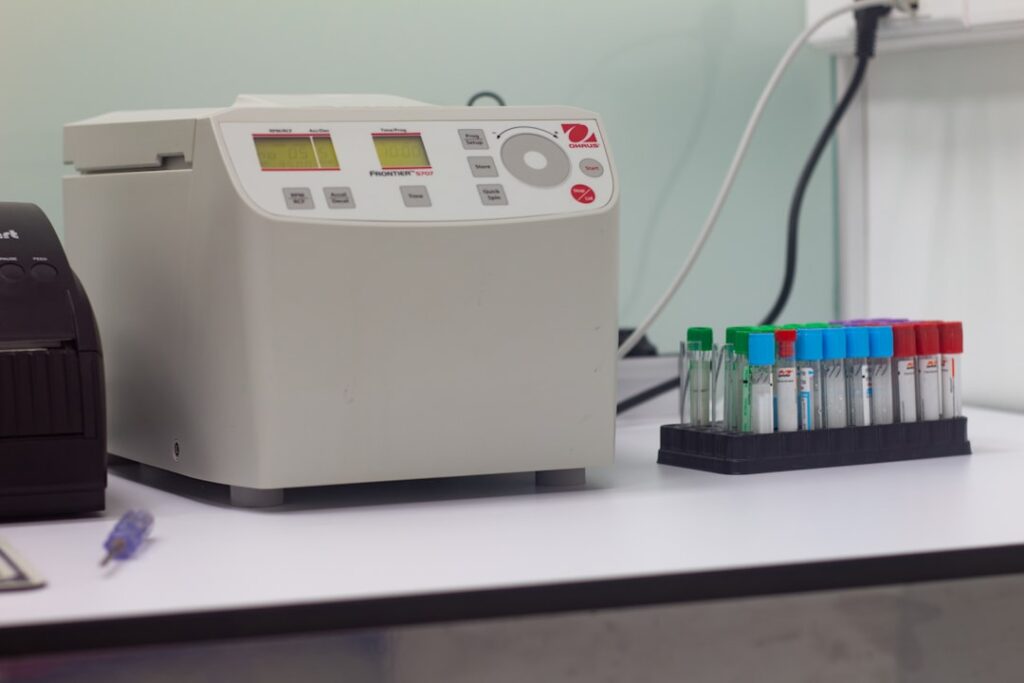
A radon testing machine in professional usage almost always means a continuous radon monitor (CRM) — a calibrated electronic instrument that NRPP- or NRSB-certified measurement professionals deploy during real-estate transactions, post-mitigation verification, and any setting where documented closed-house conditions and chain-of-custody matter. CRMs are different from the consumer continuous detectors that homeowners buy: professional CRMs are calibrated traceable to NIST radon reference standards, log hourly data with tamper-detection features, and are operated under written measurement protocols. This guide summarizes EPA, CDPHE, and NRPP/NRSB measurement-professional guidance current as of 2026 for general homeowner education only.
Part of our Radon Levels guide — start there for the full picture →
What Is a Radon Testing Machine?
In professional usage, a continuous radon monitor (CRM). The dominant manufacturers are Sun Nuclear (Model 1027 and 1029), AlphaGUARD (Bertin Technologies), Femto-Tech (CRM-110 series), and Radon Scout (SARAD). Each instrument uses a detection chamber — typically a pulsed-ion chamber or a silicon alpha detector — that registers radon decay events and reports concentration in picocuries per liter (pCi/L) at user-defined intervals (typically hourly). Most professional CRMs also log temperature, humidity, barometric pressure, and tilt or motion data that documents whether the unit was moved during deployment.
Calibration is the central distinction. Professional CRMs are calibrated annually traceable to NIST radon standards (the National Institute of Standards and Technology maintains the primary radon reference) and carry a calibration certificate from a NVLAP-accredited calibration lab. Manufacturers typically recommend recalibration every 12 months. The calibration record is part of the measurement professional’s documentation file and may be audited by state regulatory programs. This level of traceability is what distinguishes a professional CRM from a $200 consumer detector — both can measure radon, but only the professional CRM produces measurements with documented uncertainty bounds against a national reference.
When Does a Pro Bring a CRM Versus a Homeowner Use a Passive Kit?
Four scenarios drive professional CRM testing. First, real-estate transactions — most state real-estate radon protocols require certified-professional testing with CRM data, partly for accuracy and partly for the closed-house documentation that passive kits can’t easily provide. Second, post-mitigation verification — after a sub-slab depressurization system is installed, a 48-hour CRM test under closed-house conditions confirms the system is reducing radon below 4 pCi/L. Third, school and large-building testing where regulatory protocols specify CRM use. Fourth, litigation-grade testing where chain-of-custody and instrument traceability matter for legal documentation.
For homeowner baseline screening in a non-transaction context, a $15 to $30 passive charcoal-canister kit is perfectly adequate and EPA-recognized. The accuracy difference between a passive kit and a professional CRM at multi-day averages is small. The difference is in what the result documents — passive kits document concentration; professional CRM tests document concentration plus closed-house compliance plus chain-of-custody. The DIY radon test guide covers when passive testing is the right choice.
How a Professional CRM Test Is Conducted
The standard protocol follows defined steps. The certified measurement professional arrives at the home, verifies that closed-house conditions have been in place for at least 12 hours before the test starts (windows and doors closed, HVAC operating normally, exterior doors used only for entry and exit), and deploys the CRM in the lowest occupied level of the home. The unit is placed at typical breathing height (2 to 6 feet), at least 3 feet from exterior walls, doors, and windows, and at least 4 inches from any other surface. The unit’s tilt and motion logging is activated; the start time is recorded.
The CRM runs for a minimum 48-hour test period (longer is acceptable; shorter is not protocol-compliant). During the test, the homeowner is instructed to maintain closed-house conditions — exterior doors used for entry only, no opening of windows, normal HVAC operation. After the test period, the professional returns, retrieves the unit, downloads the data, and produces a written report that includes hourly readings, the test-period average, environmental conditions, any tilt or motion events, and a compliance statement about closed-house conditions.
What the Report Should Contain
A defensible CRM test report includes the instrument make, model, and serial number; the calibration certificate or reference; the test start and end times; hourly radon readings with min/max/average; temperature, humidity, and pressure logs; tilt and motion events with timestamps; the closed-house compliance statement; and the certified measurement professional’s name, certification number, and signature. This is the documentation real-estate contracts and lender requirements typically need. The radon testing services pillar overview covers what to expect from a service provider.
Tamper Detection and Why It Matters
Open windows during a radon test can dramatically lower readings. A 48-hour test conducted with windows open can show 1 to 2 pCi/L when the actual closed-house long-term average is 6 to 8 pCi/L. Professional CRMs detect tampering through several methods. The tilt sensor records any time the unit is moved or knocked over. The motion sensor records ambient vibration patterns that indicate ventilation changes. Some units include a separate temperature or humidity log that catches open-window events because outside air introduces detectable temperature and humidity changes.
This is why real-estate transactions rely on professional CRM testing rather than passive kits. The tamper documentation gives the buyer and seller confidence the result is representative, not artifactually low because the seller opened windows. EPA and state radon protocols both specifically address this — closed-house compliance is enforced through CRM tamper detection in the standard protocol. The what is a radon inspection guide covers protocol details.
Common Professional CRM Models
Three model families dominate U.S. professional radon testing. Sun Nuclear Model 1027 and 1029 use pulsed-ion chamber detection with integrated environmental logging and a robust software ecosystem (RadStar) for report generation. AlphaGUARD (Bertin Technologies) uses pulsed-ion chamber detection with high sensitivity at low concentrations and is widely used in research and post-mitigation verification. Femto-Tech CRM-110 series uses solid-state alpha detection with smaller form-factor and lower price points. All three publish independent third-party validation data and are NRPP-accepted instruments.
Pricing for the instrument itself runs $1,500 to $4,500 depending on model and feature set — well outside consumer territory. The instruments are purchased by certified measurement firms and inspection companies and are not generally sold to homeowners. Consumer-grade continuous detectors fill the homeowner-monitoring role at a lower price point and lower regulatory bar. The best home radon detector roundup covers consumer alternatives.
What Professional CRM Testing Costs
Professional CRM testing runs $150 to $300 in most Colorado metros for a standalone 48-hour test. Bundled with a general home inspection during real-estate due diligence, radon adds $150 to $200 to the inspection invoice. Post-mitigation verification testing (also a 48-hour CRM test) typically runs $150 to $250. Multi-zone testing in larger homes or homes with separate units (ADU, basement apartment) adds $75 to $150 per additional CRM deployed. The Front Range radon inspection cost guide covers detailed local pricing.
When a Homeowner Should Hire a CRM-Equipped Professional
Four use cases. First, any real-estate transaction in Colorado — the closed-house documentation and chain-of-custody are part of what’s being purchased. Second, post-mitigation verification after a sub-slab depressurization system is installed; this is a one-time verification rather than ongoing monitoring. Third, post-construction testing of a new build, where radon-resistant new-construction features need verification. Fourth, any time a passive kit returns ambiguous or contested results and a more authoritative measurement is needed.
For ongoing monitoring after baseline testing is complete — particularly in mitigated homes — a consumer continuous detector at $200 to $400 is the more cost-effective choice. The professional CRM test is the right tool for specific high-stakes measurement events; the consumer detector is the right tool for everyday awareness.
How to Find a NRPP- or NRSB-Certified Measurement Professional
Two national certification bodies recognize radon measurement professionals. The National Radon Proficiency Program (NRPP) maintains an online directory of certified individuals and firms. The National Radon Safety Board (NRSB) maintains a parallel directory. Either certification is sufficient under most state regulatory frameworks. Many state radon programs — including CDPHE — also maintain a directory of state-recognized measurement professionals.
Verify three things before booking. The professional’s NRPP or NRSB certification number, looked up directly on the national directory. The firm’s state recognition (where the state has its own program). The instrument calibration date and certificate. Any reputable measurement professional will provide all three on request.
References
- EPA Radon page and measurement protocols — U.S. Environmental Protection Agency
- CDPHE Colorado Radon Program and certified professional directory — Colorado Department of Public Health and Environment
- CDC radon health information — Centers for Disease Control and Prevention
- American Lung Association radon resources — American Lung Association
Frequently asked questions
What is a continuous radon monitor (CRM)?
A calibrated electronic instrument used by certified measurement professionals to measure radon hourly under documented closed-house conditions. Professional CRMs are calibrated annually traceable to NIST radon reference standards and include tamper detection through tilt and motion sensors. Sun Nuclear, AlphaGUARD, and Femto-Tech are common manufacturers.
How is professional CRM testing different from a consumer radon detector?
Professional CRMs are calibrated traceable to NIST radon standards, include tamper-detection features required for real-estate protocols, and are operated under written measurement protocols by certified professionals. Consumer detectors (AirThings, RadonEye) measure radon accurately for trend monitoring but typically don't satisfy real-estate testing protocols.
How long does a professional radon test take?
Minimum 48 hours of CRM deployment under closed-house conditions. The professional makes two site visits — one to deploy the unit and verify closed-house conditions, one to retrieve and download data. The written report typically arrives within 24 to 72 hours after retrieval.
Do I need a professional CRM test if I already have a consumer detector?
For real-estate transactions in most states, yes — the chain-of-custody and closed-house documentation are typically required. For ongoing monitoring in a home you already own, your consumer detector is sufficient. For post-mitigation verification after a new mitigation system, the professional CRM test is the standard.
Front Range homeowners arranging professional CRM testing for a real-estate transaction or post-mitigation verification can reach out through our contact page.
Test your home for radon
Radon is invisible and odorless, so a test is the only way to know your level. A short-term kit gives a first reading in days; a digital monitor tracks it over time.
| Product | Why | Buy |
|---|---|---|
 AirChek Charcoal Radon Test Kit AirChek Charcoal Radon Test Kit | Lab fee usually included; EPA short-term protocol. | Amazon — $21.95 |
 First Alert RD1 Radon Test Kit First Alert RD1 Radon Test Kit | Widely stocked; 48-hour charcoal test. | Amazon — $16.98 |
 Airthings Corentium Home Airthings Corentium Home | Digital monitor with a long-term average. | Amazon — $143.65 |