Musty Smell in Basement: Causes, Moisture Tests and Fixes
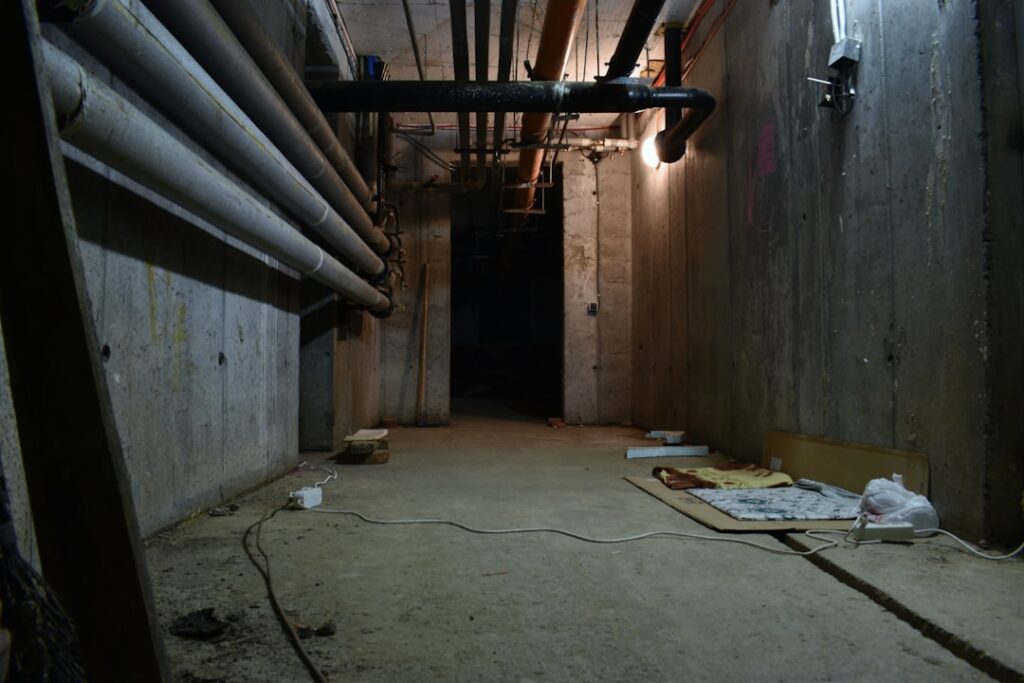
A musty smell in a basement almost always means moisture is feeding mold or mildew somewhere, even if you cannot see it yet. The usual sources are high humidity condensing on cool foundation walls, water seeping through the foundation from outside, a damp sump pit, a slow plumbing leak or damp stored materials such as cardboard and carpet. The fix is to find and stop the moisture, dry the space and clean or remove what has grown, not to cover the odor. This guide explains the common causes of a musty basement, simple tests that tell condensation from seepage, how to deal with sump pits, window wells and stored items, when mold testing makes sense under EPA guidance, typical costs for the most common fixes and how Front Range conditions change the picture. It is general information as of 2026, not medical advice; anyone with health concerns should talk with a healthcare provider.
Part of our Types of Mold guide — start there for the full picture →
Dealing with mold or water damage? Talk to a remediation pro now.
📞 Call (833) 723-1134Why Basements Smell Musty
The musty odor comes from microbial volatile organic compounds, gases released by mold and bacteria as they grow on damp materials. The CDC notes that mold can smell musty, that it grows where there is moisture and that it can grow on paper, cardboard, wood, drywall, carpet, fabric, dust and insulation. Basements combine nearly everything mold needs: cool surfaces, limited air movement, materials in contact with concrete and, often, a water source.
The smell is a signal, not the problem itself. The CDC’s guidance is straightforward: if you see or smell mold, remove it, and if mold is growing in your home, clean it up and fix the moisture problem. Deodorizers, candles and air fresheners only mask the odor while growth continues.
Not every basement odor is mold. A sulfur or rotten-egg smell can point to a dry floor drain trap letting sewer gas in, or to a gas leak; if you suspect gas, leave the house and call your utility from outside. A sharp chemical smell may come from stored paints or solvents. A musty, earthy, damp-cardboard smell is the one that points to moisture and microbial growth.
The Most Common Moisture Sources
Humidity and condensation
Basement walls and floors sit against soil that stays cool year-round. When warmer, humid indoor air touches those cool surfaces, moisture condenses, the same way a cold glass sweats in summer. The EPA explains that when warm, humid air contacts a cold surface, condensation may form, and recommends keeping indoor relative humidity below 60 percent, ideally between 30 and 50 percent. Basements often run well above that in summer even in homes where upstairs feels comfortable.
Condensation sources include summer outdoor air entering through open windows or leaky rim joists, clothes dryers venting indoors or through disconnected ducts, unvented showers in basement bathrooms, humidifiers set too high, and cold water pipes and ducts that sweat.
Foundation seepage
Water outside the foundation can wick through concrete or seep through cracks, tie holes, the joint where wall meets floor and around pipe penetrations. Common drivers are:
- Downspouts discharging next to the foundation
- Soil sloping toward the house rather than away
- Clogged or overflowing gutters
- Lawn irrigation spraying the foundation or saturating beds next to it
- Window wells that collect water and lack a drain or cover
- Rising groundwater after heavy rain or snowmelt
Efflorescence, a white, powdery mineral deposit on concrete, is a telltale sign that water has moved through the wall and evaporated. Our guide to mold in basement walls covers how seepage shows up on finished and unfinished walls.
Sump pits and floor drains
An open sump pit holds standing water and exposes damp soil, both of which add moisture and odor to the basement air. A sealed, gasketed sump lid reduces that. Check that the pump runs, the discharge line carries water well away from the foundation and the check valve works. Floor drains with dry traps can let sewer gas in; pouring water into the drain occasionally keeps the trap sealed.
Plumbing and appliance leaks
Slow leaks at water heater fittings, washing machine hoses, supply lines, toilets in basement bathrooms and HVAC condensate lines can soak framing and flooring for months before they show. Look for rust, mineral crust, stains and swollen wood under and behind equipment.
Stored materials and finishes
Cardboard boxes on the floor, old carpet on a slab, upholstered furniture against exterior walls, paper-faced drywall touching concrete and fiberglass batts against foundation walls all absorb moisture and give mold food. Many basement odors come from these materials rather than the structure. The EPA notes that hidden mold can grow on the back side of drywall, wallpaper and paneling, and on the underside of carpets and pads.
How to Find the Source
A systematic look usually narrows the cause within a few days.
- Measure humidity. Place an inexpensive digital hygrometer in the basement for several days, including after rain and on warm afternoons. Readings consistently above 60 percent explain a lot of musty odor on their own.
- Follow your nose. Odors are strongest near the source. Check closets, under stairs, behind stored items, inside finished walls near the floor, behind furniture against exterior walls and around the sump.
- Look for evidence. Stains, efflorescence, peeling paint on concrete, rust on metal shelving feet, warped baseboards, damp carpet edges and visible growth.
- Do the plastic sheet test. Tape a square of clear plastic, roughly 2 feet by 2 feet, tightly to the foundation wall or slab and leave it for a day or two. Moisture under the plastic, on the concrete side, suggests water moving through the concrete from outside. Moisture on the room side suggests condensation from humid indoor air. Both can occur at once.
- Walk the exterior. Check downspouts, grading, gutters, window wells and sprinkler heads while it is raining or the sprinklers are running if you can.
- Check the HVAC. Look at the condensate line, the drain pan under the coil and the ductwork in the basement for sweating or leaks.
If you find visible mold, the EPA advises cleaning it up and fixing the water problem, and notes that areas larger than roughly 10 square feet call for more extensive guidance and often a professional. Our basement mold prevention guide covers long-term controls.
Reading the Clues by Where and When the Smell Appears
Patterns in the odor are useful evidence. Note where it is strongest and when it gets worse, then match it to likely causes.
- Worse in summer, better in winter. Usually humidity and condensation. Warm, moist summer air meets cool concrete; in winter, heated air is drier and the smell fades.
- Worse after rain, snowmelt or watering. Points to water entering from outside through the walls, floor joint, window wells or cracks.
- Strongest in one corner. Often a downspout, low spot in the grading or window well on the outside of that corner, or a leak from a fixture above.
- Strongest inside a closet or under stairs. Enclosed spaces with little air movement and stored items tend to concentrate odor and growth.
- Strongest when the furnace or air conditioner runs. The air handler, return ducts or condensate pan may be involved, or the system may be pulling basement air through the house.
- Strongest near carpet or finished walls. Suggests growth on the back of drywall, the bottom of framing or the carpet pad.
- Present all year with no visible source. Hidden growth, a slow plumbing leak inside a wall or a crawl space connected to the basement are common culprits.
Keep notes for a couple of weeks: humidity readings, weather, sprinkler schedule and odor strength. That log is valuable to an inspector or contractor and often reveals the cause on its own.
Connected crawl spaces
Many Front Range homes combine a partial basement with a crawl space, sometimes open to the basement through an access hatch or a short wall. A damp crawl space with an exposed dirt floor can supply moisture and odor to the whole lower level. Check for a torn or missing vapor barrier, standing water and damp insulation, and treat the crawl space as part of the same moisture system.
Fixes That Address the Cause
Lower the humidity
- Run a dehumidifier sized for the space, set to keep relative humidity in the 30 to 50 percent range, with a continuous drain to a floor drain or sump so it does not shut off when the bucket fills.
- Keep basement windows closed on humid summer days; opening them often adds moisture rather than removing it.
- Make sure the dryer vents outdoors through an intact duct, and basement bathrooms have working exhaust fans vented outside.
- Insulate cold water pipes and seal and insulate rim joists to reduce condensation.
- Keep supply air flowing to finished basement rooms so air does not stagnate.
Stop water from outside
- Extend downspouts several feet from the foundation and keep gutters clear.
- Regrade soil so it slopes away from the house for the first several feet.
- Redirect sprinkler heads away from the foundation and reduce watering of foundation beds.
- Install covers and drains for window wells.
- Seal minor cracks and pipe penetrations; persistent seepage may need interior drainage, exterior waterproofing or a sump system designed by a professional.
Clean or remove what has grown
Once the moisture is under control, clean small areas of mold on hard surfaces with detergent and water, and dry them completely. The EPA notes that absorbent materials such as carpet and ceiling tiles may need to be thrown away if they become moldy. Wear gloves, eye protection and, for more than a little cleanup, an N95 respirator. Remove moldy cardboard, store items in plastic bins on shelves off the floor and leave a few inches of air space between stored goods and exterior walls.
Rethink finishes
In finished basements, mold behind walls is common when drywall or wood framing touches concrete. If you are finishing or renovating, materials such as rigid foam against the foundation, pressure-treated bottom plates, a gap between drywall and the slab and flooring rated for below-grade use reduce future odor problems.
Is the Smell Radon? Not Directly
Radon is often discussed alongside basements, especially in Colorado, but a musty smell is not a sign of radon. The EPA describes radon as a naturally occurring radioactive gas that you cannot see or smell, and states that testing is the only way to know your level of exposure. Much of the Front Range has elevated radon potential because of its geology, so testing is recommended regardless of odor.
The two issues overlap in a practical way: cracks, an open sump pit and gaps around pipes are pathways for both soil moisture and soil gas. Sealing a sump lid or foundation cracks can help with both, though sealing alone is not a substitute for a tested radon mitigation system. If you are already addressing basement moisture, it is a good moment to test. Our guide to radon in basements explains testing and what results mean.
When Mold Testing Makes Sense
Many homeowners want a test to confirm the smell is mold. The EPA’s position is that in most cases, if visible mold growth is present, sampling is unnecessary, and that because no EPA or other federal limits have been set for mold or mold spores, sampling cannot be used to check compliance with a federal standard. The agency also says surface sampling may be useful to determine whether an area has been adequately cleaned or remediated, and that sampling should be done by professionals with specific experience designing sampling protocols and interpreting results.
In practice, testing is most useful when there is a strong, persistent odor with no visible source, when hidden growth inside finished walls is suspected, when buying a home and wanting a professional assessment, or when confirming that remediation worked. Inspection to find the moisture source is usually more valuable than a lab number. Our guide on how to test for mold in a basement explains the options and their limits.
Health Notes
The CDC states that exposure to damp and moldy environments may cause a variety of health effects, or none at all. For some people, mold can cause a stuffy nose, sore throat, coughing or wheezing, burning eyes or skin rash, and people with asthma or mold allergies may have more severe reactions. People with weakened immune systems or chronic lung disease can be at higher risk. If anyone in the home has symptoms or health conditions that concern you, talk with a healthcare provider, and consider keeping sensitive individuals out of the area during cleanup.
Front Range Conditions
Colorado’s dry climate helps, but it does not make basements immune. Summer afternoon thunderstorms, spring snowmelt and heavy irrigation season are the times basement odors most often appear here. Expansive clay soils in many neighborhoods can open foundation cracks as they swell and shrink, creating new seepage paths. Evaporative coolers, popular in older homes, add a lot of moisture to indoor air and can raise basement humidity if they are oversized or run with windows closed. Finished basements, very common in Front Range homes, hide moisture behind drywall and carpet until the smell gives it away.
Typical Costs to Fix a Musty Basement
Costs depend entirely on the cause. Typical ranges:
- Hygrometer, downspout extensions, sump lid and storage bins: generally modest, often well under a few hundred dollars combined.
- A quality basement dehumidifier: typically a few hundred dollars for portable units, more for whole-basement or ducted systems.
- Regrading and gutter work: from a few hundred to a few thousand dollars, depending on scope.
- Crack sealing: typically a few hundred dollars per crack for professional injection.
- Interior drain tile and sump systems or exterior waterproofing: commonly several thousand dollars and up, varying with linear footage, access and depth.
- Professional mold remediation: wide range, from a few hundred dollars for small areas to several thousand for finished basements requiring wall and flooring removal.
Start with the low-cost steps; they solve a surprising share of musty basements.
When to Call a Professional
- The odor persists after humidity is consistently below 60 percent and obvious materials are removed
- Visible growth covers more than roughly 10 square feet
- Water enters during rain or snowmelt, or the sump runs constantly
- Finished walls or carpets smell strongly and you suspect hidden growth
- You are buying a home with a finished basement and a noticeable odor
An inspector can trace moisture sources, use a moisture meter and thermal imaging where appropriate and recommend whether a contractor, remediator or engineer is needed. Learn more in our mold inspection section and the mold types hub.
References
- A Brief Guide to Mold, Moisture and Your Home — U.S. Environmental Protection Agency
- Mold Testing or Sampling — U.S. Environmental Protection Agency
- Mold Course Chapter 2: Why and Where Mold Grows — U.S. Environmental Protection Agency
- About Mold — Centers for Disease Control and Prevention
- Radon — U.S. Environmental Protection Agency
Frequently asked questions
How do you get rid of a musty smell in a basement?
Find and stop the moisture first, keep relative humidity below 60 percent with a dehumidifier, remove or clean moldy materials and improve drainage outside. Deodorizers alone only mask the odor.
Is a musty basement smell always mold?
It usually means mold or mildew growing on damp materials, but sewer gas from a dry floor drain, stored chemicals or a gas leak can cause other odors. A rotten-egg smell calls for leaving the house and calling the gas utility.
Will a dehumidifier fix a musty basement?
It often helps a great deal when the cause is humidity and condensation, but it will not stop water seeping through the foundation or a plumbing leak. Fix water entry too.
Should a musty basement be tested for mold?
EPA says sampling is usually unnecessary when mold is visible. Testing by an experienced professional can help when odor persists with no visible source or to confirm cleanup worked.
Does a musty smell mean radon?
No. Radon has no smell, and EPA says testing is the only way to know your level. Front Range homes should be tested regardless of odor.
Musty basement and no obvious source? Contact our team to schedule a Front Range moisture and mold inspection.
Dehumidifiers for damp basements
Holding relative humidity under ~50% is the single most effective way to keep mold from taking hold in a basement or crawlspace.
| Product | Why | Buy |
|---|---|---|
 hOmeLabs 50-Pint (7,000 sq ft) | Popular large-basement unit. | Amazon — $269.99 |
 Frigidaire High-Humidity | Continuous-drain option. | Amazon — $303.16 |