Mildew in Bathroom: Causes, Cleanup, and Prevention
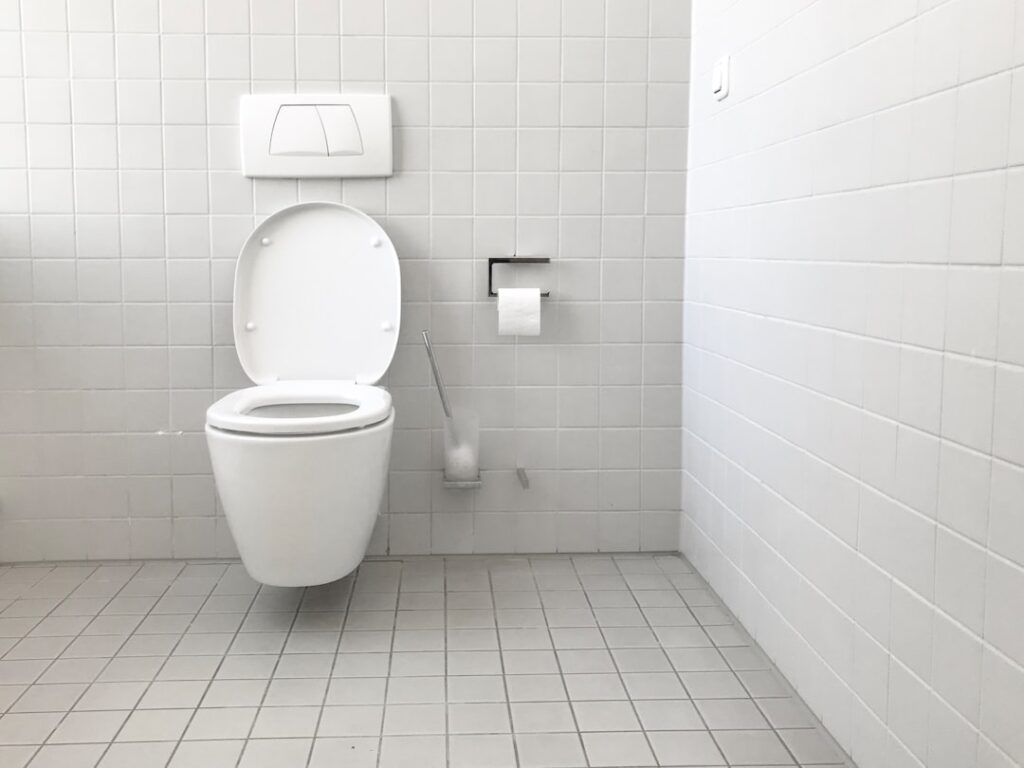
That thin gray or pinkish film creeping across shower grout, caulk lines, and ceiling corners is usually mildew, the most common bathroom fungal nuisance. Mildew in bathroom spaces is rarely a structural emergency, but it spreads fast, stains surfaces, and signals that the room holds more moisture than it should. The good news is that surface mildew is among the easiest fungal problems to clean and prevent. This guide summarizes EPA and CDC guidance current as of 2026 and is educational only; consult a physician about symptoms and a certified professional for large or recurring growth.
Is this mold, asbestos, or water damage? Get a free instant screen
Upload a clear photo of the suspect area. You'll get an instant AI screening opinion and what to do next. This is screening guidance, not a professional determination.
Screening guidance only. AI can be wrong. Confirm asbestos, mold type, or lead with lab testing or a licensed professional before acting.
What mildew in the bathroom is and how it differs from mold
Mildew is a surface-growing fungus that appears as a flat, powdery patch in gray, white, or sometimes pink. It clings to the outside of grout, caulk, tile, and painted surfaces and usually wipes away with cleaner and a brush. Mold, by contrast, tends to be raised, fuzzy, darker, and capable of penetrating porous materials and the structure behind them. In everyday use the terms blur together, and the EPA treats both as growth to be removed with the moisture source corrected.
The practical distinction matters for how hard you have to work. Mildew on the surface responds to a quick clean. If scrubbing reveals that the discoloration goes deeper, the caulk is stained through, or the drywall behind the tile is soft, you are dealing with established mold that may need material replacement. Our comparison of the differences in mold and mildew cleaners helps you pick the right product for each.
What causes mildew to grow in bathrooms
Mildew needs only moisture, a food source, and time. Bathrooms supply all three. Every shower releases steam that condenses on cooler tile, grout, glass, and ceiling surfaces. Soap scum, skin cells, and shampoo residue feed the fungus. When ventilation is poor, that moisture lingers for hours, giving spores the damp window they need to colonize.
Specific triggers include a missing or underpowered exhaust fan, bath towels and mats that never fully dry, dripping fixtures, and unsealed grout that absorbs water. Cold exterior walls and ceilings in winter draw condensation, which is why corners and the ceiling above the shower often show the first film. The pink slime many people notice is often Serratia marcescens, a bacterium that thrives on soap residue, but it responds to the same cleaning and drying routine as true mildew.
How to clean mildew in the bathroom safely
Surface mildew on hard, nonporous materials is a straightforward do-it-yourself task. Ventilate the room, then put on gloves and, for anything beyond a tiny patch, an N95 mask, since scrubbing lifts spores into the air.
Step-by-step cleanup
Spray the affected grout, tile, or caulk with distilled white vinegar or a 3 percent hydrogen peroxide solution and let it sit for 10 to 15 minutes. Scrub with a stiff brush, working a baking soda paste into stained grout lines for extra lift. Rinse, wipe the surface, and dry it completely with a towel and the fan running. For commercial products, follow label directions and never combine bleach with vinegar or ammonia, because the mixture releases toxic gas.
What to do about stubborn caulk
Silicone caulk that has mildew embedded below the surface rarely cleans up fully. Cutting it out and re-caulking with a mildew-resistant product is cheaper and more durable than repeated scrubbing. For broader technique that keeps spores from spreading during any cleanup, see our guide on cleaning mold without spreading spores.
Where mildew shows up first in a bathroom
Mildew is predictable, and knowing its favorite spots lets you catch it early when a quick wipe still solves the problem. The grout lines and silicone caulk in the shower top the list, because they stay wet longest and offer a slightly porous surface to cling to. The lower corners of the shower, where water pools and air moves least, are usually the first to discolor.
The ceiling directly above the shower is the next hotspot, since rising steam condenses there and few people think to clean it. Window frames and sills collect condensation in cooler weather, especially on exterior bathroom walls. The underside and back of bath mats, the bottom edge of shower curtains and liners, and the seams of caulk around the tub and sink all trap moisture against a surface. Behind the toilet tank and along baseboards, where airflow is poor and cleaning is infrequent, mildew quietly establishes. Even toothbrush holders, loofahs, and the tracks of sliding glass shower doors hold enough standing water to grow it. Running a finger along these spots during weekly cleaning catches mildew while it is still a film rather than a stain.
Is bathroom mildew a health risk?
For most healthy people, surface mildew is a low-level irritant rather than a serious hazard. The CDC notes that common reactions to indoor fungal growth include nasal congestion, sneezing, throat irritation, coughing, and itchy eyes. People with asthma or mold allergies may notice symptoms flare in a mildewed bathroom and ease elsewhere in the home.
Higher-risk groups, including those with chronic lung conditions, infants, older adults, and people whose immune systems are suppressed, should limit their exposure and let someone else handle cleanup when possible. Mildew itself rarely causes severe illness, but it indicates chronic dampness that, left alone, can progress to heavier mold growth behind walls. Persistent respiratory symptoms always warrant a physician’s input rather than guesswork. If the growth is widespread or recurring, a professional mold inspection can confirm whether the problem is only surface-deep.
How to keep mildew out of the bathroom
Prevention comes down to cutting the moisture that mildew depends on. Run the exhaust fan during every shower and for 20 to 30 minutes afterward, and confirm the fan actually moves air rather than just spinning. If there is no fan, crack a window and run a portable fan, and consider installing proper ventilation. The EPA advises keeping indoor relative humidity below 60 percent.
Squeegee shower walls and glass after use, hang towels and mats so they dry fully, and wash bath mats regularly. Fix leaks promptly, reseal grout periodically, and wipe condensation off cold surfaces in winter. Keep shampoo bottles and shower caddies from trapping water against tile. Front Range bathrooms in tightly sealed newer Denver-area homes can hold steam longer than the dry outdoor climate suggests, so a small humidity gauge gives a clear read on whether ventilation is keeping up. Steady habits, more than any single cleaner, are what keep mildew from returning, and the same logic scales up if growth ever crosses into the territory covered by our broader DIY mold remediation guide.
A simple weekly routine that prevents mildew
The most effective prevention is a short, consistent routine rather than an occasional deep clean. After each shower, squeegee the walls and glass and leave the exhaust fan running for twenty to thirty minutes, ideally on an automatic humidity switch so it is not left to memory. Hang towels spread out rather than bunched, and drape the shower liner across the rod so it dries fully instead of clinging in folds where mildew breeds.
Once a week, wipe down the grout, caulk lines, and the ceiling above the shower with a vinegar spray before any film becomes a stain, and toss bath mats and washable liners in a hot wash. Once a month, check the spots mildew favors, the lower shower corners, window sills, and door tracks, and reseal any grout or caulk that has begun to fail. Twice a year, confirm the exhaust fan still moves air by holding a tissue to the grille while it runs. None of these steps takes long, and together they keep a bathroom mildew-free far more reliably than scrubbing hard after the problem has already taken hold.
Choosing the right cleaner for bathroom mildew
The cleaning aisle offers a confusing range of products, and matching the cleaner to the surface and severity saves both money and effort. For routine surface mildew on hard, nonporous tile, glass, and fixtures, distilled white vinegar is the inexpensive workhorse; sprayed on, left to dwell, and scrubbed, it handles most light growth without fumes. Three percent hydrogen peroxide is a strong low-odor alternative that also lightens stains and is gentler on colored grout than bleach.
For stained grout, a baking soda paste adds mechanical scrubbing power and pairs well with a vinegar follow-up. Commercial bathroom mildew sprays work quickly on hard surfaces and some include surfactants that cut soap scum, the food source, in the same pass. Chlorine bleach has a place on white nonporous surfaces and for whitening grout, but it does not penetrate porous materials well and should never be combined with vinegar, ammonia, or acidic cleaners because the mixture releases toxic gas. For households avoiding harsh chemistry, the vinegar-and-peroxide combination covers most needs. Whatever the product, it treats the surface only; the lasting result still comes from ventilation and drying, so no cleaner substitutes for fixing the humidity that grows the mildew in the first place.
When mildew is actually something more serious
Most bathroom mildew is the harmless surface nuisance described here, but a few signs indicate the problem has moved past simple mildew into territory that needs more than a spray bottle. If the discoloration is raised, fuzzy, and dark rather than flat and powdery, you may be dealing with established mold rather than mildew. If scrubbing reveals that the surface beneath is soft, the drywall behind the tile gives when pressed, or the caulk is stained through to the core, moisture has penetrated the structure.
A persistent musty smell that lingers even after thorough cleaning, or growth that returns within days no matter how carefully you clean, points to a hidden moisture source such as a slow leak or failed waterproofing behind the tile rather than ordinary condensation. Growth spreading onto the ceiling or down the wall, or visible water staining, suggests the issue is structural. In these cases the right move is to stop scrubbing and investigate the source, or bring in a professional with moisture-metering tools, because cleaning the surface of a structural moisture problem is an endless, losing battle. Recognizing the line between cosmetic mildew and a deeper problem early prevents the small nuisance from becoming an expensive repair.
References
- A Brief Guide to Mold, Moisture and Your Home — U.S. Environmental Protection Agency
- About Mold and Your Health — Centers for Disease Control and Prevention
- Mold and Indoor Air Quality — American Lung Association
Front Range homeowners dealing with bathroom mildew that keeps returning can connect with a vetted local inspector through our contact page to rule out a hidden moisture source.