Mold and Mildew Cleaner: What Homeowners Should Know
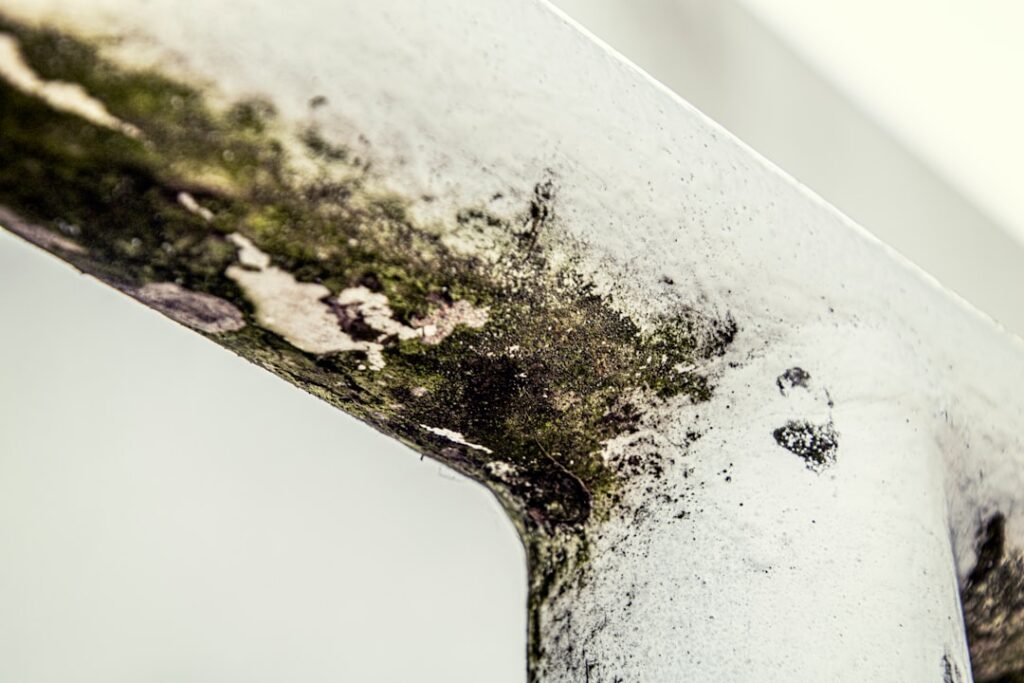
A mold and mildew cleaner is the first thing most homeowners reach for when dark spots appear in a shower or along a window frame, and for small surface growth it is often the right tool. The trap is assuming a spray bottle solves every mold problem; it cannot fix what it cannot reach. This guide explains how these cleaners work, which surfaces respond, and where cleaning ends and remediation begins, drawing on EPA and CDC guidance current as of 2026. It is general information, not professional remediation advice or medical guidance for symptoms.
Is this mold, asbestos, or water damage? Get a free instant screen
Upload a clear photo of the suspect area. You'll get an instant AI screening opinion and what to do next. This is screening guidance, not a professional determination.
Screening guidance only. AI can be wrong. Confirm asbestos, mold type, or lead with lab testing or a licensed professional before acting.
What a mold and mildew cleaner does
A mold mildew cleaner is a product formulated to remove surface growth from non-porous materials. Most fall into a few categories: bleach-based (sodium hypochlorite), hydrogen-peroxide based, detergent-based, and quaternary-ammonium “quat” cleaners. Each works a little differently, but they share the same basic limitation of acting only at the surface. They lift staining and kill surface organisms on hard materials such as tile, grout, glass, sealed countertops, and fiberglass. The product does two jobs at once: removing the dark discoloration the growth leaves behind and killing the organisms on the surface, though removing the staining is what most homeowners actually notice and judge the cleaner by.
The key limit is depth. These cleaners work on the surface. On porous materials such as drywall, unsealed wood, or grout that has absorbed growth, the roots remain even after the surface looks clean. The EPA notes that bleach is not necessary for routine cleanup of hard surfaces, because detergent and water plus thorough drying is effective. Readers can see where surface cleaning fits the bigger picture at our mold inspection and testing hub.
How the main cleaner types differ
The category a cleaner falls into affects how it works and where it is appropriate. Bleach-based products lighten the dark staining mold leaves and kill surface organisms on hard, non-porous materials, but their water content can actually feed mold on porous surfaces, and the EPA does not consider them necessary for routine cleanup. Hydrogen-peroxide cleaners offer a less harsh alternative that breaks down mold without the harsh fumes of chlorine bleach. Detergent-based cleaners physically remove mold and its staining through scrubbing, which is the method the EPA highlights for hard surfaces. Quaternary-ammonium cleaners are marketed for their residual antimicrobial effect. For most household surface mold, a detergent cleaner with thorough drying does the job without the downsides of stronger chemicals.
Mold versus mildew, and why it matters
Mildew is a surface-level mold, usually appearing as a flat, powdery, gray-to-white film on showers, fabrics, and damp surfaces. The molds people worry about more, including the dark greenish-black colonies, can penetrate materials and spread deeper. A cleaner that wipes mildew off a tile may only mask deeper mold on the drywall behind it.
The practical takeaway is that a cleaner handling the mildew on your shower grout is not evidence that the wall cavity behind it is clean. If the growth keeps returning in the same spot, the problem is likely moisture and deeper growth, not the cleaner. Our guide on cleaning black mold explains how to tell surface staining from a problem that needs removal.
Which surfaces respond to cleaning
Non-porous surfaces are the cleaner’s territory. Glazed tile, glass, metal, sealed stone, fiberglass tubs, and plastic all clean up well because the growth sits on top. After cleaning, drying thoroughly is what prevents quick regrowth.
Semi-porous and porous materials are different. Grout, unsealed wood, and painted drywall can be wiped, but growth often re-emerges because spores penetrated the surface. Truly porous materials such as carpet, ceiling tile, insulation, and water-damaged drywall generally cannot be cleaned reliably and should be removed and replaced. Trying to spray a moldy ceiling tile clean wastes effort and disturbs spores. Our guide on cleaning mold off a wall covers when drywall can be saved versus cut out.
Using a cleaner safely
Even routine cleaning calls for sensible precautions. The CDC notes that people with asthma, allergies, or weakened immune systems can react to mold, and many cleaners are themselves respiratory irritants.
- Never mix products. Combining bleach with ammonia or with other cleaners can release toxic gases. This is the single most dangerous cleaning mistake.
- Ventilate. Open a window or run an exhaust fan while cleaning.
- Wear gloves and eye protection, and an N95 respirator if the area is more than a small patch.
- Mist, don’t dry-scrub. Keeping the surface damp reduces airborne spores.
- Dry thoroughly afterward, because residual moisture invites regrowth within days.
Anyone with a respiratory condition should leave the work to someone else or to a professional.
Why cleaners fail on porous surfaces
The most common disappointment with a mold and mildew cleaner is watching the growth return on drywall, grout, or unsealed wood within weeks. The reason is structural: porous materials have countless tiny openings that mold filaments penetrate, so wiping the surface removes only the visible top layer while the roots remain below, ready to regrow. A cleaner formulated for hard, sealed surfaces simply cannot reach into the material the way it would need to.
This is why the EPA’s guidance treats heavily affected porous materials as items to remove and replace rather than clean. A moldy section of drywall, a water-damaged ceiling tile, or carpet that absorbed a leak generally cannot be restored by any cleaner, and trying disturbs spores while leaving the problem in place. Grout and unsealed wood occupy a middle ground: light surface mildew can sometimes be cleaned, but deep or recurring growth signals that the material or the moisture behind it needs more than a spray. Recognizing a porous-material problem early saves the frustration of cleaning the same spot repeatedly.
A practical cleaning routine
For the surface mildew a cleaner is suited to, a consistent routine produces better results than improvising. Start by ventilating the room and putting on gloves and eye protection. Mist the affected area lightly so the growth sheds fewer spores when disturbed, then apply the cleaner and give it the contact time the label specifies, since most products need a few minutes to work rather than an immediate wipe.
Scrub with a brush or cloth appropriate to the surface, working from the edges inward to avoid spreading the growth outward. Rinse if the product requires it, then dry the surface completely, because residual moisture is what lets mildew return fastest. For a shower or bathroom, finishing by running the exhaust fan and leaving the area to dry fully closes the loop. Avoid the temptation to dry-scrub a stubborn spot, which launches spores; instead, reapply the cleaner and let it work longer. This measured approach handles surface mildew effectively while keeping spores down, and it makes clear when a spot that refuses to come clean is signaling a deeper problem the cleaner cannot solve.
Cleaning versus remediation
A cleaner addresses what you can see and reach on hard surfaces. Remediation addresses the cause and the hidden growth: it includes containment, removal of unsalvageable materials, drying, and fixing the moisture source. The EPA’s guidance hinges on moisture control, and no cleaner repairs a leak or lowers a room’s humidity.
The honest test is recurrence and scope. If a quick wipe handles it and it does not return, cleaning was enough. If the growth keeps coming back, covers more than about 10 square feet, or appears on porous materials, the situation has moved past what a cleaner can solve and into remediation. Spraying a larger problem only spreads spores and buys a few weeks before the growth returns.
A practical way to apply this test is to track a spot after cleaning it. Clean the area, dry it thoroughly, and note the date. If the mildew stays gone, the surface was the whole problem and a cleaner was the right tool. If it returns within a few weeks, that is the surface telling you the moisture source is still active or the growth penetrated below what a cleaner can reach. Repeatedly re-cleaning a spot that keeps returning is the clearest sign a homeowner has crossed from a cleaning problem into one that needs the moisture fixed or the material removed, and continuing to spray it only delays the real solution.
Preventing mildew so you clean less
The most effective use of a mold and mildew cleaner is to need it less often, which comes down to controlling the moisture that mildew depends on. Bathrooms are the classic battleground: running the exhaust fan during and after every shower, squeegeeing wet shower walls, and leaving the door open to dry the room all starve mildew of the dampness it needs. The EPA recommends keeping indoor relative humidity below roughly 60 percent, and a bathroom or basement that stays above that will grow mildew faster than any cleaner can keep up.
Other steps help across the home. Fix small leaks promptly, since a slow drip under a sink feeds mildew on the cabinet floor. Improve airflow in closets and corners where stagnant humid air collects. Run a dehumidifier in damp basements. Address condensation on cold windows and walls, which often signals a humidity or insulation issue. These habits turn cleaning from a recurring chore into an occasional touch-up, because the surface stops offering mildew the conditions it needs to return.
Safety when mixing and storing cleaners
Beyond the never-mix warning, a few storage and use practices reduce risk. Keep cleaners in their original labeled containers so no one mistakes one product for another, which is how dangerous accidental mixtures happen. Store them out of reach of children and pets, since many mold cleaners are corrosive or toxic if swallowed. Use only as much product as the surface needs; drenching a wall does not clean better and leaves residue that can attract grime. And ventilate thoroughly, because even a single cleaner’s fumes can irritate the lungs in a closed bathroom. Reading the product label for its specific surface compatibility and safety guidance takes a moment and prevents both damaged finishes and health risks. Homeowners dealing with stubborn dark growth can compare approaches in our guide to getting rid of mold.
When to call a professional
Stop reaching for the spray bottle and call a certified remediator when mold covers more than roughly 10 square feet, when it keeps returning despite cleaning, when it appears inside the HVAC system, when sewage or flood water was involved, or when a household member has asthma or a weakened immune system. Hidden mold behind walls or under flooring also needs professional containment. For Front Range homeowners, persistent bathroom and basement mildew often signals a humidity or ventilation problem that cleaning alone will not fix.
The most useful mindset is to treat a mold and mildew cleaner as one tool in a larger strategy rather than the whole solution. On a clean, well-ventilated, dry surface, the cleaner handles the occasional spot of surface mildew quickly and effectively, which is exactly what it is designed for. When the same spot keeps coming back, when the growth covers a large area, or when it appears on porous materials, the cleaner has reached its limit and the situation calls for fixing the moisture, removing the material, or bringing in a professional. Recognizing which side of that line a given problem sits on saves both wasted cleaning effort and the larger cost of letting a real problem grow while repeatedly spraying the symptom.
References
- Mold Cleanup in Your Home — U.S. Environmental Protection Agency
- About Mold and Health — Centers for Disease Control and Prevention
- A Brief Guide to Mold, Moisture and Your Home — U.S. Environmental Protection Agency
- Mold and Indoor Air Quality — American Lung Association
If surface cleaning has not solved a recurring mold problem in your Front Range home, you can reach out through our contact page for a connection to a vetted local inspector.