Bidet Installation: Seats, Attachments, Outlets and Plumbing
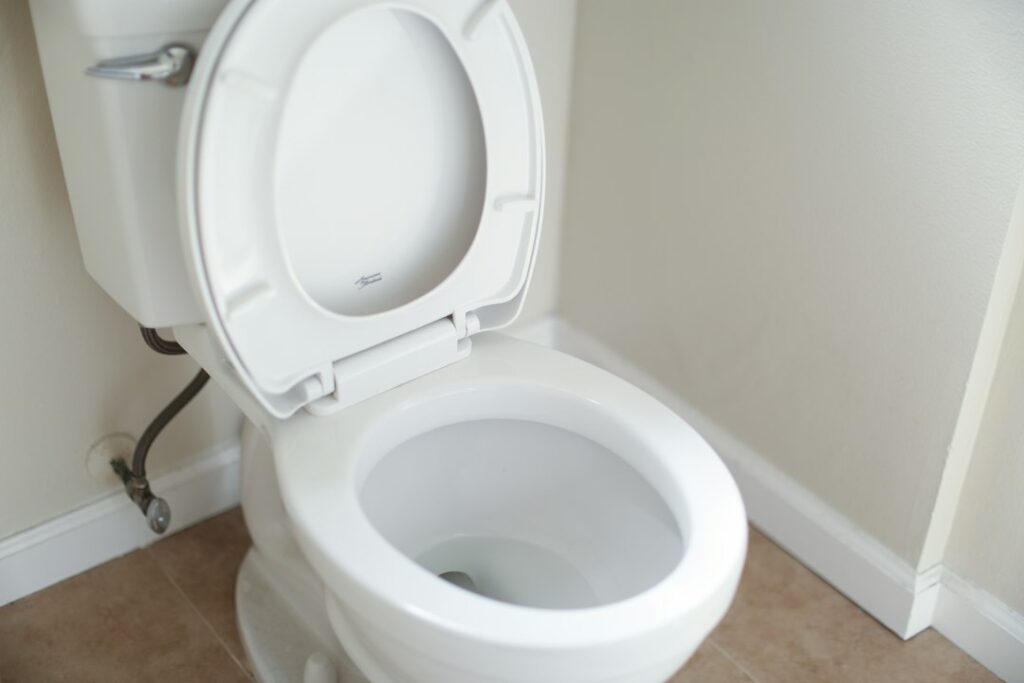
Bidets have moved from a niche fixture to one of the most common bathroom upgrades in American homes. Most people never install a separate porcelain bidet; instead, they add a slim attachment under the existing toilet seat, swap the seat for an electric bidet seat, or mount a handheld sprayer on the wall. All of these tap into the same cold water line that feeds the toilet tank, which makes the job look simple, and often it is. Still, a bidet adds a pressurized connection, a new hose and sometimes an electrical load to a room full of water. Small mistakes can lead to leaks, water damage or a shock hazard. This guide explains the main bidet types, how the water connection works, why quality units include check valves to protect the water supply, the electrical needs of heated seats, how warm-water models connect, toilet fit, water use, the leaks to watch for, and hedged cost ranges.
Part of our Plumbing & Water guide — start there for the full picture →
Types of Bidets and How They Differ
Before deciding how to attach bidet to toilet hardware, it helps to know which style fits the bathroom, the budget and the people using it. The four common categories differ mainly in whether they need electricity and how much of the toilet they replace.
Non-Electric Bidet Attachments
A non-electric attachment is a thin plate or frame that sits between the toilet bowl and the existing seat, with a retractable nozzle that reaches into the bowl. A side-mounted knob or lever controls water pressure. Because the attachment uses only the pressure of the cold water line, it needs no outlet. These units are usually the cheapest and easiest option. The tradeoff is that the water is as cold as the supply line, which in a Colorado winter can be noticeably chilly.
Electric Bidet Seats
An electric bidet seat replaces the toilet seat and lid entirely. It usually includes a tank or instant heater for warm water, a heated seat, adjustable spray position and pressure, and sometimes a warm air dryer, a deodorizer, a night light and a remote control. Electric seats are the most comfortable option, but they need a nearby outlet and are bulkier than attachments.
Handheld Bidet Sprayers
A handheld sprayer, sometimes called a diaper sprayer or shattaf, is a small spray head on a flexible hose that hangs on a wall- or tank-mounted holder. The user aims the spray manually. Handheld sprayers are inexpensive and flexible,. Their weakness is that the hose stays pressurized whenever the supply valve is open, so a worn sprayer trigger or a burst hose can leak or flood the floor. Many manufacturers recommend closing the valve when the sprayer is not in use.
Standalone Bidets
A standalone bidet is a separate fixture installed beside the toilet, with its own faucet, drain and trap. It is plumbed like a small sink, with hot and cold supply lines and a drain connection, which means opening walls or floors in most existing bathrooms. They are relatively rare in American homes because they take up floor space and usually require a licensed plumber.
How the Water Connection Works
Attachments, electric seats and handheld sprayers all draw water from the same place: the cold supply line between the shutoff valve on the wall or floor and the fill valve inside the toilet tank. A T-valve, also called a tee adapter, is inserted at the bottom of the tank where the supply line currently connects. One outlet of the tee feeds the tank, and the other outlet feeds the bidet hose.
Typical Installation Steps
Manufacturer instructions vary and should be followed for the specific model, but the general sequence for a seat-mounted attachment looks like this:
- Turn off the toilet shutoff valve and flush to drain most of the tank.
- Place a towel under the tank, then disconnect the supply line from the fill valve shank at the bottom of the tank.
- Thread the T-valve onto the fill valve shank by hand, then reconnect the original supply line to the bottom of the tee.
- Remove the toilet seat, position the bidet attachment or seat mounting plate over the bolt holes, and reinstall or replace the seat.
- Connect the bidet hose from the side outlet of the tee to the bidet inlet.
- Open the shutoff slowly, check every joint for drips, and test the spray at low pressure first.
Most of these connections are plastic threads with built-in rubber washers. They are designed to be hand-tightened, sometimes with a gentle final quarter turn. Overtightening with pliers is one of the most common reasons plastic fill valve shanks and tee fittings crack, sometimes hours or days after installation.
Check the Shutoff Valve First
Older multi-turn shutoff valves behind toilets often have not been touched in years. When they are finally closed for a bidet installation, the packing nut may start dripping, or the valve may not close fully. If the valve weeps, fails to shut, or is visibly corroded, replacing it before installing the bidet avoids having to drain the house later.
Water Pressure Matters
Bidet spray depends on household water pressure. Very low pressure can make the spray weak, while very high pressure can stress plastic hoses and fittings. Many manufacturers list a recommended pressure range in their manuals. If the spray seems unusually strong or other fixtures in the home bang or hiss, our guide to testing home water pressure explains how a simple gauge on a hose bib can show whether pressure is in a normal range, and the guide to a pressure-reducing valve covers what to do when it is too high.
Backflow and Why Check Valves Matter
A bidet nozzle sits inside the toilet bowl, close to waste water. If pressure in the supply line ever drops sharply, for example during a water main break, firefighting nearby or a sudden large draw elsewhere in the house, water can theoretically be pulled backward through the bidet hose. This is called backsiphonage, a type of backflow, and it is the reason plumbing codes take any fixture with an outlet near contaminated water seriously.
Better bidet attachments and seats include a built-in check valve or backflow preventer that lets water flow toward the nozzle but not back into the supply. When shopping, look for product listings that mention a check valve, backflow prevention, or certification to recognized plumbing standards, and be cautious with very cheap no-name units whose specifications do not mention backflow protection at all. Handheld sprayers deserve the same scrutiny, because a sprayer hose that drops into the bowl creates a direct path for contamination if pressure reverses.
Household bidets rely on small built-in devices, not the testable assemblies used on irrigation and commercial systems. For an explanation of the larger devices and why many utilities require annual testing for them, see our guide to backflow testing.
Electric Bidet Seats Need a Safe Outlet
An electric bidet seat plugs into a standard receptacle, but many bathrooms, especially in homes built before the 1990s, have no outlet within reach of the toilet. The only receptacle may be at the vanity, several feet away. That leads some owners to run extension cords or power strips across the floor, which is a poor idea in a room where floors get wet and toilets occasionally overflow.
GFCI Protection
Bathroom receptacles in modern homes are expected to be protected by a ground-fault circuit interrupter, or GFCI, which shuts off power when it senses current leaking to ground, such as through water or a person. Protection can come from a GFCI receptacle at the outlet itself, an upstream GFCI receptacle on the same circuit, or a GFCI breaker. Many bidet seat manufacturers state that the seat should be plugged into a grounded, GFCI-protected outlet and warn against extension cords.
When a bathroom lacks a convenient outlet, the usual fix is to have an electrician add a GFCI-protected receptacle near the toilet. In older homes, the electrician may also check whether the circuit can handle the added load and whether the wiring is grounded. If an existing bathroom GFCI keeps tripping or will not reset once the seat is plugged in, our guide on a GFCI outlet that is not working walks through common causes, and a persistent trip with the seat connected can point to a fault in the seat that the manufacturer should evaluate.
What an Inspector Checks
Under the American Society of Home Inspectors (ASHI) Standard of Practice, home inspectors inspect interior water supply and distribution systems including fixtures and faucets, and on the electrical side they inspect a representative number of receptacles as well as ground fault circuit interrupters. In practice, an inspector may note an electric bidet seat plugged into an extension cord, a bathroom receptacle that lacks GFCI protection or fails to trip when tested, or active leaks at a supply connection. The inspection is visual and does not evaluate the bidet’s internal functions.
Warm-Water Bidets and Hot-Line Connections
There are three common ways bidets provide warm water.
- Electric heating: Most electric seats heat water internally, either with a small storage tank that keeps a reserve warm or an instant heater that heats water on demand.
- Hot-line connection: Some non-electric attachments include a second hose that connects to the hot water supply, usually at the sink’s hot shutoff valve under the vanity, using another T-adapter. A mixing knob blends hot and cold water.
- Cold only: Basic attachments and many handheld sprayers use cold water only.
Hot-line attachments have drawbacks. The hose must run from the vanity to the toilet, which may not be practical, and water often runs cold before warm water arrives. More importantly, if the household water heater is set high, very hot water can reach the nozzle if the mixing control is adjusted carelessly, which is a scald concern for children and older adults. Following the manufacturer’s guidance on maximum supply temperature, and keeping the water heater at a moderate setting, helps reduce that risk.
Toilet Shape, Fit and Compatibility
Not every bidet fits every toilet. Before buying, check the following:
- Bowl shape: Toilets are typically round or elongated. Electric seats are sold in sizes to match; an elongated seat on a round bowl overhangs and may not seal correctly.
- One-piece and skirted toilets: Some one-piece toilets have tanks that curve close to the seat area, leaving little room for an attachment’s control arm or an electric seat’s body. Skirted toilets may hide or relocate the supply connection.
- Seat height and tank clearance: Electric seats are thicker than ordinary seats. Measure from the bolt holes to the tank to make sure the unit will fit and the lid can open fully.
- Fill valve shank: The T-valve threads onto the fill valve shank. Most are a common size, but some toilets, particularly certain imported or specialty models, use different threads.
Comparing the manufacturer’s dimension diagram against measurements from the actual toilet before ordering saves a return.
Water Use and Efficiency
A bidet uses a small amount of water per use. Manufacturer savings claims vary widely, so treat specific figures with skepticism.
The toilet itself remains the larger water user. The U.S. Environmental Protection Agency’s WaterSense program says toilets account for nearly 30 percent of an average home’s indoor water use, and that WaterSense labeled toilets use 1.28 gallons per flush or less. EPA also notes that most toilet leaks are due to old or worn-out flappers. If the toilet is old, a bidet project can be a natural moment to consider replacing it with a WaterSense labeled model and then adding the bidet seat to the new bowl.
Leaks and Problems to Watch For
Most bidet failures are slow drips at connections rather than dramatic floods, but slow leaks behind a toilet can quietly damage flooring and subfloor for months.
Leaks at the T-Valve and Supply Line
The tee fitting adds two threaded joints to the toilet supply. Common causes include a missing or doubled washer, cross-threaded nuts and overtightened, cracked fittings. After installation, run a dry paper towel around each joint a few hours later and again the next day.
Running or Refilling Toilets
Disturbing the fill valve during installation can occasionally shift its seal or cause the tank to refill on its own. EPA’s Fix a Leak Week guidance suggests putting a few drops of food coloring in the tank and checking whether color appears in the bowl after 10 minutes, which indicates a leak. If the tank keeps hissing or refilling after a bidet installation, our guide to a toilet that keeps running covers flappers, fill valves and float adjustments.
Nozzle Drips and Clogs
A nozzle that drips after use can indicate a worn internal valve or debris in the inlet filter. Many seats have an inlet filter screen that should be cleaned periodically, more often in homes with hard water.
Drain and Bowl Issues
A bidet does not change how the toilet drains, but households that reduce toilet paper use may notice fewer clogs, while those that keep using large amounts may not. If clogs persist, our guide to a clogged toilet covers causes beyond paper use. Bidet seats also create a few more hard-to-clean surfaces; dark buildup at the waterline or in the tank deserves attention, and our guide to black mold in a toilet tank explains what that growth usually is.
Bidet Installation Costs
Costs vary by product, region and how much electrical or plumbing work is needed. These hedged ranges are for planning only.
- Non-electric attachment: commonly well under $100 for basic cold-water units, more for dual-nozzle or hot-line models.
- Handheld sprayer kit: often in a similar range to basic attachments.
- Electric bidet seat: frequently a few hundred dollars, with premium models reaching $1,000 or more.
- DIY installation: typically no labor cost for attachments and seats when an outlet already exists.
- Plumber installation: often a service-call charge, perhaps roughly $100 to $300 depending on the area and whether the shutoff valve or supply line needs replacement.
- New GFCI outlet near the toilet: commonly a few hundred dollars from an electrician, more if a new circuit is needed or walls must be opened and patched.
- Standalone bidet or integrated toilet: can run into the thousands once plumbing rough-in, drain work and finishes are included.
Bidets and Home Inspections in Colorado
Bidet seats and attachments are increasingly common in Front Range resale homes. During an inspection, the bidet itself is usually treated as a personal-property fixture, but the inspector may still flag issues it creates: extension cords, missing GFCI protection, leaking tees, staining around the toilet base, or soft flooring near the toilet that suggests a long-term leak. For more on choosing an inspector and what plumbing items to ask about, see our guide to hiring a home inspector and the plumbing and water hub.
References
- Residential Toilets — U.S. Environmental Protection Agency, WaterSense
- Fix a Leak Week — U.S. Environmental Protection Agency, WaterSense
- ASHI Standard of Practice for Home Inspections — American Society of Home Inspectors
Frequently asked questions
Can I attach a bidet to any toilet?
Most standard round and elongated toilets accept a bidet attachment or seat, but one-piece, skirted and designer toilets can have tank shapes, bolt spacing or supply connections that interfere. Compare the manufacturer's dimension diagram with measurements from your toilet before buying.
Do bidets need a plumber to install?
Non-electric attachments, electric seats and handheld sprayers are commonly installed by homeowners using a T-valve on the toilet supply. A plumber is helpful when the shutoff valve is old or leaking, the supply line needs replacement, or a standalone bidet requires new supply and drain lines.
Does an electric bidet seat need a special outlet?
It needs a grounded receptacle within reach of the power cord, and manufacturers typically call for GFCI protection and warn against extension cords. Many older bathrooms lack an outlet near the toilet, so an electrician may need to add one.
Can a bidet contaminate my drinking water?
A bidet nozzle sits near waste water, so backflow is a concern if supply pressure drops. Quality attachments and seats include check valves or backflow prevention. Avoid units that do not mention backflow protection and keep handheld sprayer hoses out of the bowl.
Why is my toilet leaking after installing a bidet?
Leaks usually come from the T-valve or supply line: a missing or doubled washer, cross-threaded plastic nuts, or a fitting cracked by overtightening. Shut off the water, reseat the connections by hand, and replace any cracked parts or worn supply lines.
Buying a Front Range home with an upgraded bathroom and want the plumbing and outlets checked before closing? Reach out through our contact page and we can connect you with an inspector who looks at supply connections, GFCI protection and signs of hidden leaks around the toilet.