Raised Toilet Seats: Safer Transfers and Aging in Place
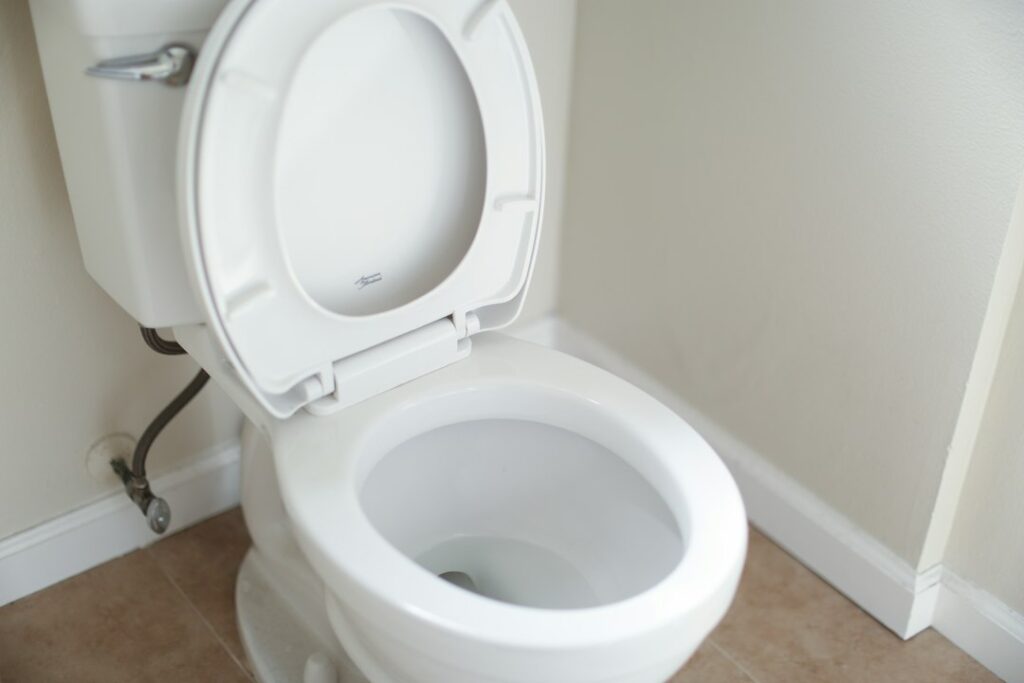
Getting down onto a standard toilet and back up again is one of the most demanding movements most people make every day, and it gets harder after hip or knee surgery, with arthritis, with balance problems or simply with age. A raised toilet seat adds height to an existing toilet so there is less distance to lower and rise, which can make that transfer easier and, for many people, safer. Raised seats are inexpensive and usually need no plumbing work, but they are not all equal. Some lock firmly to the bowl, some rely on a clamp or friction fit, some include armrests, and fit varies with bowl shape and toilet design. A poorly matched or loose seat can shift at exactly the wrong moment. This guide explains the main types, how to fit one, how they compare with comfort-height toilets and grab bars, and what to consider for aging in place. It summarizes CDC and National Institute on Aging guidance current as of 2026; anyone recovering from surgery or with mobility limits should follow the advice of their physician or occupational therapist.
Part of our Plumbing & Water guide — start there for the full picture →
What a Raised Toilet Seat Does
A standard toilet seat sits relatively low to the floor. Sitting down requires bending deeply at the hips and knees and controlling the descent, and standing back up requires pushing the body’s weight up from that low position. A raised seat adds several inches of height, reducing how far the hips and knees must bend and how much leg strength is needed to rise.
That matters for several groups:
- People recovering from hip or knee replacement, who may be advised to limit how far they bend for a period after surgery.
- Older adults with reduced leg strength, joint pain or balance problems.
- People with conditions affecting mobility, such as arthritis, Parkinson’s disease, stroke or neuropathy.
- Caregivers, who may find it easier to assist someone using a higher seat.
A raised seat does not replace other safety measures. It works best as part of a bathroom set up for safe movement, with grab bars, good lighting and slip-resistant flooring.
Why bathroom falls get so much attention
CDC reports that falls among adults 65 and older caused over 43,000 deaths in 2024, making falls the leading cause of injury death for that group, and that emergency departments recorded about 4.5 million visits for older adult falls that year. CDC also notes that each year there are about 300,000 hip fracture-related hospitalizations due to older adult falls. Bathrooms combine hard surfaces, water and transfers on and off fixtures, which is why fall-prevention guidance so often focuses there. CDC’s prevention advice includes adding grab bars inside and outside the tub or shower and next to the toilet.
Types of Raised Toilet Seats
Raised seats fall into a few broad categories. Product names and designs vary, so the descriptions below are general.
Slip-on or friction-fit seats
The simplest type sits directly on the bowl rim, with a molded underside or lip that fits inside the bowl opening. Some have no locking mechanism at all. They are inexpensive and easy to move between bathrooms or take on visits, but they can shift or tip if a user sits off-center or pushes against one side. Many occupational therapists and manufacturers steer users who need stability toward a locking design instead.
Locking or clamp-on seats
These seats have an adjustable bracket or clamp, often tightened with a knob, that grips the inside of the bowl rim. The clamp keeps the seat from sliding or tipping and can be removed without tools for cleaning or travel. Fit depends on adjusting the clamp correctly for the specific bowl, and the clamp should be checked periodically because it can loosen with use.
Bolt-on or hinged seats
Bolt-on raised seats replace the existing toilet seat and attach through the same seat-bolt holes at the back of the bowl. Some include a hinge so the raised seat can be lifted for cleaning or for other household members to use the toilet normally, and some include a lid. Because they attach to the toilet itself, they tend to feel more like a permanent fixture and are less likely to shift sideways, though the bolts still need to be kept tight.
Seats with armrests
Some raised seats, either clamp-on or bolt-on, include padded armrests on both sides. Armrests give the user something to push against when standing and to guide the descent when sitting. They can be very helpful, but they add bulk, may need to fold up for side transfers from a wheelchair, and must be rated for the loads a user puts on them. An armrest attached to a loose seat offers false security.
Toilet safety frames and commodes
Related products include freestanding toilet safety frames that surround the toilet with armrests anchored to their own legs, and bedside commodes that can sometimes be placed over a toilet to act as a raised seat with arms. These can suit people who need more support than a seat alone provides.
Fit, Height and Weight Capacity
A raised seat that does not fit the toilet is the main source of problems. Before buying:
- Identify the bowl shape. Toilets in the United States are generally round or elongated. Many raised seats are made for one shape or the other, and a mismatch can leave gaps or an unstable perch.
- Check the toilet design. Some one-piece toilets, skirted toilets and wall-hung models have rim shapes, seat mounts or tanks that interfere with certain clamp or bolt-on designs.
- Choose the added height. Raised seats commonly add a few inches, with several heights available. The right height usually lets the user sit with feet flat on the floor and knees at or slightly below hip level. An occupational therapist can recommend a specific height after surgery.
- Confirm the weight capacity. Manufacturers publish a maximum user weight. It should be comfortably above the user’s weight, and armrest ratings may differ from the seat rating.
- Consider the opening. A front cutout or larger opening can make personal hygiene easier for some users.
Installation and stability checks
Most raised seats install in minutes with no tools or with a screwdriver. After installation, it is worth checking stability before the user relies on it: press down firmly on each side and the front, try to rock it, and confirm the clamp or bolts are tight. The toilet itself also needs to be solid. A toilet that rocks on its flange, has loose floor bolts or sits on a soft, water-damaged floor will make even a well-fitted seat feel unstable. Our toilet installation guide covers flange and floor problems that cause a wobbly toilet.
Recheck the fit regularly, especially for clamp-on seats. Clamps can loosen with daily use, and a seat that shifted once is a warning.
Using the seat safely day to day
Technique matters as much as equipment. Therapists commonly teach users to back up until they feel the seat against the backs of their legs, reach back for the armrests or a grab bar, and lower slowly rather than dropping onto the seat. Standing up usually works best by scooting toward the front edge, placing feet slightly apart and pushing up with the arms. After joint replacement, a surgeon or therapist may give specific instructions about leg position and how far to bend, and those take priority over general advice. Avoid pulling on the seat itself, the tank lid or a towel bar to rise, and keep a walker or cane positioned within reach before sitting.
Cleaning and hygiene
Raised seats have more surfaces and crevices than a standard seat, and moisture and residue can collect under the rim and around clamps. Models that lift on a hinge or remove without tools are easier to clean thoroughly. Molded plastic seats tolerate most household bathroom cleaners, while padded seats and armrests can crack or split over time, letting liquid soak into the foam. A cracked pad is a hygiene problem and a sign that the seat may be due for replacement.
Grab Bars and Other Bathroom Supports
A raised seat reduces how far someone must lower and rise; a grab bar gives them something solid to hold while doing it. The two work best together. The National Institute on Aging’s room-by-room fall-prevention advice suggests mounting grab bars near toilets and on both the inside and outside of tubs and showers, placing nonskid mats or strips on surfaces that may get wet, and leaving a light on in the bathroom at night or using a night light that turns on automatically in the dark.
Grab bars must be anchored properly. A bar screwed only into drywall can pull out under load. Bars are typically secured into framing or installed with blocking or anchors rated for the purpose, following the manufacturer’s instructions. Towel bars, toilet-paper holders and soap dishes are not grab bars and should never be used for support. Our grab bars for shower guide explains placement, anchoring and finishes, and much of it applies to toilet-side bars as well.
Other changes that help
- Slip-resistant flooring or mats with a rubber backing.
- Bright, even lighting and a night light along the route from bedroom to bathroom.
- Toilet paper within easy reach without twisting.
- A door that opens outward or a pocket door, so someone who falls does not block the door from inside.
- Clear floor space for a walker or caregiver.
- A handheld shower and shower seat for bathing, and for some households, a walk-in tub or curbless shower.
Raised Seat or Comfort-Height Toilet?
Comfort-height toilets, sometimes sold as chair-height or right-height, have a taller bowl so the seat sits higher than a traditional toilet. Replacing an existing toilet with one is a common aging-in-place upgrade.
Points to weigh:
- Permanence. A comfort-height toilet is a permanent, stable fixture with nothing to loosen or slip. A raised seat can be removed when no longer needed, such as after recovery from surgery.
- Height. A comfort-height toilet adds a moderate amount of height. Some people need more lift than that and may combine a taller toilet with a modest raised seat or use a safety frame.
- Household fit. A taller bowl can be less comfortable for children and shorter adults. A removable seat lets the household adapt.
- Cost. A raised seat is far cheaper. A toilet replacement involves the fixture, a wax ring or seal, supply line and labor, plus any floor or flange repair discovered during removal.
When a toilet is being replaced anyway, choosing a comfort-height model is often a sensible step. The toilet installation guide linked above also covers rough-in measurements, flanges and what a proper installation includes.
Wall-hung toilets
Wall-hung toilets mount to a carrier inside the wall, which allows the bowl to be set at a chosen height during installation. They can be a good fit for accessible bathrooms, though they require opening the wall and cost considerably more than a floor-mounted replacement.
Aging in Place and the Bigger Picture
Raised seats and grab bars are often the first modifications a household makes, and they can be the start of a broader plan. The National Institute on Aging suggests going through the home room by room to identify potential problems and safety issues, correcting immediate hazards such as loose stair railings and poor lighting first, then working on other changes. NIA also notes that it may not be necessary to make every suggested change, but that home safety should be reevaluated every so often as needs change. Its home safety checklist is a practical starting point.
Bathroom changes are often among the highest-priority items because so many daily activities happen there. For larger projects, an occupational therapist can assess how a specific person moves and recommend equipment and layout changes, and a certified aging-in-place contractor can handle remodeling. Some local agencies, Area Agencies on Aging and nonprofit programs offer help with home modifications for older adults, and availability varies across Colorado.
CDC’s prevention advice also extends beyond equipment: talking with a doctor about fall risk, having medicines reviewed for side effects such as dizziness, doing strength and balance exercises, and having vision checked at least once a year. A raised seat helps with one movement; those broader steps address the reasons falls happen.
Costs and Buying Tips
Prices vary by design, materials and features. As a rough 2026 guide only:
- Basic slip-on or clamp-on raised seats: commonly modest in cost, often under the price of a typical bathroom accessory set.
- Locking seats with armrests: moderately more.
- Bolt-on hinged raised seats with lids: similar to or somewhat above armed clamp-on models.
- Toilet safety frames: often similar in cost to a raised seat with arms.
- Comfort-height toilet replacement: the fixture plus plumber labor, often several hundred dollars or more in total, with added cost for floor or flange repair.
- Professionally installed grab bars: a per-bar labor charge plus the bar, more where blocking must be added behind tile.
Some health plans, Medicare Advantage plans or other programs may cover certain bathroom safety equipment in specific circumstances, while others do not. It is worth asking the provider or plan before buying. Hospitals and therapists can often suggest reputable suppliers and show users how to use equipment safely.
What a home inspector notices
A general home inspection is not an accessibility assessment, but inspectors do look at fixtures and note toilets that are loose at the floor, leaking, cracked or poorly secured, as well as soft or water-damaged flooring around them. Those issues matter even more when someone will rely on the toilet for support. Our plumbing and water inspections section explains what is covered, and the main guide to hiring a home inspector helps buyers choose an inspector.
References
- About Older Adult Fall Prevention — Centers for Disease Control and Prevention
- Preventing Falls and Hip Fractures — Centers for Disease Control and Prevention
- Preventing Falls at Home: Room by Room — National Institute on Aging
- Aging in Place: Growing Older at Home — National Institute on Aging
Frequently asked questions
What type of raised toilet seat is most stable?
Locking clamp-on and bolt-on seats are generally more stable than slip-on seats because they attach to the bowl. Fit to the bowl shape, a solid toilet and periodic checks of the clamp or bolts all matter.
How high should a raised toilet seat be?
Commonly a few inches of added height, chosen so the user can sit with feet flat and knees at or slightly below hip level. After surgery, follow the height recommended by the physician or occupational therapist.
Will a raised seat fit any toilet?
No. Seats are usually made for round or elongated bowls, and some one-piece, skirted or wall-hung toilets interfere with certain clamp or bolt-on designs. Check the product's compatibility before buying.
Is a comfort-height toilet better than a raised seat?
A comfort-height toilet is permanent and has nothing to loosen, while a raised seat is cheaper and removable. Some people need more height than a comfort-height bowl provides and combine options.
Should I add grab bars along with a raised toilet seat?
Yes. The National Institute on Aging suggests grab bars near toilets, and CDC recommends grab bars next to the toilet. Bars must be anchored properly, not just screwed into drywall.
Planning to age in place or buying a home for a parent? Send us a message to connect with a Front Range inspector who can flag loose fixtures, damaged floors and other issues before you start bathroom upgrades.