Walk-In Tub: Costs, Pros, Cons and Installation Needs
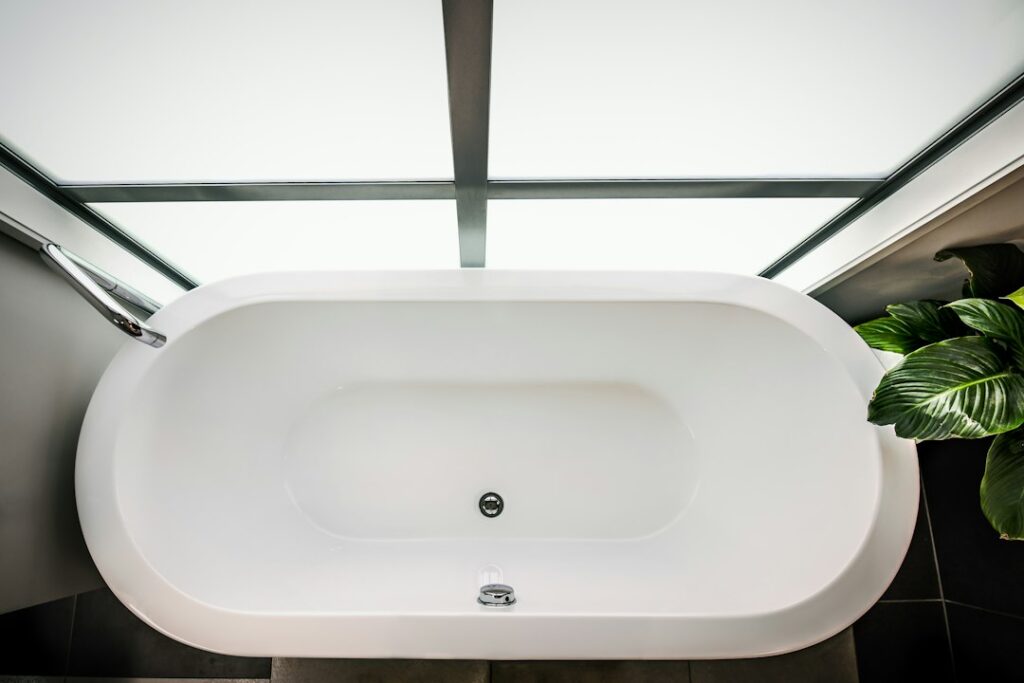
Stepping over a standard tub wall is one of the first daily tasks that gets harder with age, surgery recovery or limited mobility. A walk in tub replaces that high wall with a watertight door and a built-in seat, so the bather walks in, sits down and closes the door before filling. For the right household it can make bathing safe and independent again. The tradeoffs are less obvious: the bather sits in the tub while it fills and while it drains, the tub can demand far more hot water than an ordinary bathtub, jetted models need dedicated electrical circuits, and the filled weight can matter to an older floor. This guide covers who these tubs suit, the main types, plumbing, electrical and structural questions, scald safety, alternatives and hedged cost ranges.
Part of our Structure & Exterior guide — start there for the full picture →
Planning a bathroom or kitchen remodel? Talk to a local remodeler.
📞 Call (844) 791-3031What a Walk-In Tub Is and Who It Helps
A walk-in tub is a deep, upright bathtub with a hinged door in the side wall, a molded or raised seat, and a much lower step-in threshold than a conventional tub. The door seals with a compression gasket and a latch, so water cannot be added until the door is closed. Most units are taller than a standard tub, often around 38 to 42 inches, which lets the bather sit with water reaching chest or shoulder height instead of lying back.
These tubs tend to help a specific group of people well:
- Older adults who still enjoy baths but struggle to lower themselves to the floor of a regular tub or climb back out.
- People with arthritis, chronic pain or circulation complaints who value a long, warm soak while seated upright.
- Households planning to age in place who want a bathing option that does not depend on a caregiver for every bath.
- Some people with balance problems who feel more secure seated than standing in a shower.
They suit some people poorly. Anyone who needs to transfer from a wheelchair may find the seat height and door swing awkward without a transfer bench or an outward-swinging door. People who chill easily may dislike waiting while the tub drains, and anyone mainly seeking quick, safe hygiene may be better served by a low-threshold shower.
Before buying, picture the whole routine: walking in, closing the door, waiting for the fill, bathing, waiting for the drain and stepping out. If any step is a struggle, the tub may not solve the problem. An occupational therapist can often assess this in the actual bathroom.
Types of Walk-In Tubs
Manufacturers market dozens of variations, but most fall into a handful of categories. Features can be combined, and the price climbs as features stack.
Soaking Tubs
A basic soaker has the door, seat and deep basin with no jets. It is the simplest and generally the least expensive option, with fewer parts to fail. Soakers still need a large volume of hot water, but they do not need pumps, blowers or heaters, so the electrical requirements are usually minimal.
Hydrotherapy (Whirlpool) Tubs
Hydrotherapy models add water jets driven by a pump, which circulate bath water through nozzles aimed at the back, legs or feet. Some buyers find the massage relieving for sore muscles. The tradeoff is maintenance: water circulates through internal plumbing, so jets need periodic cleaning and the pump typically requires its own dedicated circuit with ground-fault protection.
Air Bath and Combination Tubs
Air jet models use a blower to push warm air through small holes for a gentler bubbling sensation, and bath water is not pulled through hidden piping the same way. Combination tubs pair water and air jets, often with inline heaters, heated backrests or handheld wands.
Bariatric and Wide-Seat Tubs
Bariatric tubs are wider, often with a broader door opening and a higher stated weight capacity. They suit larger bathers but take more floor space and hold more water, which magnifies the hot water and floor load questions below. Confirm the published weight rating and door width against the actual user, not a general category label.
Door Direction and Layout
Inward-swinging doors seal using water pressure against the gasket and are common, but they take up space inside the tub and require the bather to move around the door. Outward-swinging doors are often easier for wheelchair transfers and let a caregiver reach in, but they need clear floor space in front of the tub. Drain side (left or right) should match the existing plumbing.
The Real Tradeoffs: Fill Time, Drain Time and Getting Cold
The single biggest complaint about walk-in tubs is the wait. Because the door must be closed and sealed before water goes in, the bather sits in an empty tub while it fills. After the bath, the bather has to stay seated until the water level drops below the door, because opening the door with water in the basin would flood the bathroom. Depending on the tub volume, the faucet flow rate and the drain design, each wait can run several minutes.
That wait matters more than it sounds. A wet person sitting in a draining tub in a cool bathroom can get chilled quickly, which is unpleasant and, for frail bathers, potentially risky. Several design choices reduce the problem:
- Fast-fill faucets. High-flow tub fillers deliver more water per minute, but only if the home’s supply pressure and pipe sizes can keep up. A larger faucet on undersized supply lines will not fill faster.
- Quick-drain or dual-drain systems. Many manufacturers offer pumped or dual-outlet drains that empty the tub noticeably faster than a single gravity drain. Real-world drain speed also depends on the home’s drain line, so a slow existing drain may undercut the feature.
- Heated seats and backrests. These help the bather stay warm while the water level drops.
- Handheld shower wands. Rinsing with warm water while the tub drains keeps the bather comfortable.
Ask a dealer for the stated fill and drain times for the exact model, and how they were measured. Numbers achieved under ideal pressure may not match an older home with galvanized supply lines.
Hot Water Demand and Water Heater Capacity
Walk-in tubs are deep. Many hold roughly 50 to 80 gallons or more, and bariatric units can hold more than that. A large share of that volume needs to be hot water, and a typical residential tank water heater may not be able to supply a full, warm bath on its own, especially if someone recently showered or ran the dishwasher.
A rough way to think about it: a 40- or 50-gallon tank does not deliver 40 or 50 gallons of usable hot water at full temperature, because cold water enters as hot water leaves. If the tub needs most of its volume at bath temperature, a standard tank can run out partway through the fill, leaving a lukewarm bath. Manufacturers often publish a recommended minimum water heater size for each model, and that number belongs on the checklist before purchase.
Options include:
- A larger tank. Upsizing at the same time as the tub install is common. Our guide to water heater replacement cost covers tank sizes, fuel types and what drives installation pricing.
- A tankless water heater. Tankless units provide continuous hot water, but their output is limited by flow rate and the temperature rise needed. In Colorado, incoming groundwater can be cold in winter, which reduces how many gallons per minute a tankless unit can heat to bath temperature. A fast-fill faucet can outrun a modest tankless unit. The tankless water heater guide explains sizing by flow rate and temperature rise.
- An inline heater in the tub. These maintain temperature during the bath. They generally do not heat the initial fill, so they do not replace adequate water heater capacity.
Scald Safety
Older bathers are among the people most vulnerable to tap water scalds, and a deep tub filled while the bather is already seated inside raises the stakes. The U.S. Consumer Product Safety Commission notes that most tap water scald injuries and deaths involve older adults and young children, urges users to set water heaters to 120 degrees Fahrenheit, and states that most adults will suffer third-degree burns from 150-degree water in two seconds, with longer exposures causing burns at lower temperatures. CPSC’s home safety checklist for older consumers repeats the 120-degree recommendation.
That guidance can conflict with the desire to crank up the water heater so a big tub fills hot. Safer approaches include a properly sized heater set no higher than needed, and an anti-scald or thermostatic mixing valve on the tub filler, which limits the outlet temperature regardless of what the tank produces. Many walk-in tubs include such a valve; confirm it is present and set correctly after installation, and test the water at the faucet with a thermometer.
Electrical Requirements for Jetted Models
Soaking-only tubs may need little or no electrical work. Hydrotherapy, air jet, heated-seat and inline-heater models are different: they commonly require one or more dedicated circuits, and manufacturers specify the amperage and voltage for each component. A tub with a pump, blower and heater may need multiple circuits, which can strain an older electrical panel with few open spaces.
Ground-fault protection is the key safety element in a wet location. CPSC’s checklist for older consumers recommends ground-fault circuit interrupters in damp locations such as bathrooms. Jetted tub circuits are typically GFCI-protected either at the breaker or with a device near the tub, and the motor access panel must remain reachable for service. If a GFCI keeps tripping or will not reset after installation, the cause could be moisture, a wiring fault or a failing component; our guide on GFCI outlets that are not working explains common causes and when to call an electrician.
Electrical work for a jetted tub generally needs a permit and a licensed electrician in Colorado municipalities. A bargain installation quote that does not mention new circuits or panel capacity deserves follow-up questions.
Floor Load, Space and Installation
A filled walk-in tub plus a seated adult can weigh several hundred to more than a thousand pounds, concentrated on a relatively small footprint. On a slab-on-grade or basement floor, that is rarely a concern. On a second floor, or over an older joist system with past water damage, it is worth asking whether the floor framing can carry the load without excessive deflection. Signs that deserve attention before installation include soft spots, sloping floors, cracked tile near the existing tub, or stains on the ceiling below. Damaged sheathing may need replacing first; the subfloor repair guide covers how rot and leaks are typically handled.
Other installation questions:
- Fit. Many walk-in tubs are sized to drop into a standard 60-inch alcove, but shorter, taller and deeper models vary. Doorways and hallways must be wide enough to get the unit into the bathroom.
- Plumbing. Drain and supply locations may need to move. Older homes may also need supply line upgrades to support fast-fill faucets.
- Wall surround. The old tub wall area is usually patched or covered with a surround panel kit, which affects price and appearance.
- Leveling. The tub must sit level for the door seal to work properly and for water to drain completely.
- Ventilation. A deep, long soak adds a lot of moisture to a small room. EPA’s mold and moisture guide recommends running the bathroom fan or opening a window when showering, and the same logic applies to long baths.
- Permits. Plumbing and electrical permits are commonly required. Confirm who pulls them.
How Much a Walk-In Tub Costs
Prices vary widely by brand, features, sales channel and the condition of the existing bathroom. The ranges below are general national estimates as of 2026, not quotes, and Front Range pricing can sit higher because of labor costs.
| Item | What it covers | Typical range |
|---|---|---|
| Basic soaking tub (unit only) | Door, seat, standard drain | Roughly $2,000 to $5,000 |
| Jetted, air or combination tub (unit only) | Pump and/or blower, controls, sometimes heater | Roughly $4,000 to $10,000 or more |
| Installation labor | Removal, plumbing, surround, finish work | Often $1,500 to $5,000 or more |
| Electrical work | Dedicated GFCI circuits, panel work if needed | Several hundred to a few thousand dollars |
| Water heater upgrade | Larger tank or tankless unit | Varies widely; see linked guides |
Packages sold through in-home sales visits often cost more than buying a unit and hiring a local plumber, though they may bundle warranty service. Get two or three itemized quotes.
Original Medicare generally does not treat walk-in tubs as durable medical equipment, though some Medicare Advantage plans, Medicaid waiver programs, veterans’ programs or aging-services grants may help in specific cases. Confirm with the plan or agency rather than a sales representative.
Alternatives to a Walk-In Tub
A walk-in tub is not the only route to safer bathing, and for many households it is not the best one. Consider these options first:
- Low-threshold or curbless showers. A shower with a very low or no curb, a fold-down seat, grab bars and a handheld wand removes the step-over problem and the fill-and-drain wait. Our guide to tub-to-shower conversion covers options, waterproofing and costs.
- Grab bars and non-slip surfaces. CPSC’s checklist for older consumers recommends that tubs and showers have non-skid surfaces and at least one secure, easily graspable grab bar. This can be a small, inexpensive change.
- Transfer benches. A bench that straddles the tub wall lets a bather sit outside the tub and slide in, using an existing tub with a handheld shower.
- Bath lifts. Battery-powered seats lower the bather into a regular tub and raise them back up.
If the main goal is daily hygiene with minimal fall risk, a well-designed shower often wins. If the goal is therapeutic soaking and the bather can tolerate the waits, a walk-in tub may be worth the investment.
What to Check Before Buying or When Inspecting a Home With One
- Door seal. Look for cracked, flattened or missing gasket material and water stains on the floor in front of the door.
- Leaks below. Check the ceiling under a second-floor tub for stains, and look for soft flooring around the base.
- Drain performance. Run a fill-and-drain cycle and time it.
- Water temperature. Measure the hottest water delivered at the faucet.
- Electrical. Confirm GFCI protection and test it, and note the access panel location.
- Water heater size. Compare the heater’s capacity with the tub’s recommended minimum.
- Documentation. Ask for the manual, warranty and whether permits were pulled.
A standard home inspection covers much of this. The ASHI Standard of Practice directs inspectors to inspect interior water supply and drain systems including fixtures, water heating equipment, and ground-fault circuit interrupters. It also states that inspectors are not required to fill shower pans and fixtures to test for leaks or to determine the suitability of a property for specialized uses, so a full tub fill test or an accessibility assessment may need to be arranged separately. Our guide to hiring a home inspector explains how to ask about add-on services before booking.
More Questions About Walk-In Tubs
Do walk-in tubs leak around the door?
Quality walk-in tubs rarely leak when installed and maintained correctly, but the door seal is the most common failure point. Seals wear over time, and debris, hair or soap buildup on the gasket can allow small leaks.
Wiping the gasket after each use, avoiding harsh cleaners that degrade rubber, and checking for cracks during cleaning help the seal last. Most manufacturers sell replacement gaskets, and the warranty often covers door seals for a period. A level installation also matters, since a twisted frame can keep the door from closing evenly.
Does a walk-in tub affect home resale value?
A walk-in tub usually does not raise resale value much and can narrow buyer appeal, because many buyers prefer a standard tub or a walk-in shower. In communities with many older buyers, it may be seen as a plus.
Owners planning to sell within a few years sometimes choose a walk-in shower or a tub with a grab bar and transfer bench instead. If a walk-in tub is the right choice for safety now, it can be replaced with a standard tub later, although that adds cost at sale time.
Can a walk-in tub fit in the space of a standard bathtub?
Yes, many walk-in tubs are made to fit the standard 60-inch by 30-inch alcove of a typical bathtub. They are shorter in length but taller, so the bather sits upright rather than lying back.
Wall tile, the faucet location and the drain position may need adjustment. Doorways and hallways must be wide enough to bring the unit in, and the floor must support the weight of a tub full of water. An installer should measure the alcove, door width and drain location before ordering a model.
Are walk-in tubs safe for people with heart or blood pressure conditions?
Walk-in tubs can be used by many people with heart or blood pressure conditions, but hot water and long soaks can affect circulation, so it is worth asking a doctor first. Warm water causes blood vessels to widen, which can make some people dizzy when standing up.
Features such as anti-scald valves, adjustable water temperature, a built-in seat and grab bars reduce risk. Bathers should keep water at a comfortable warm temperature, stand slowly after draining, and keep a phone or emergency alert within reach.
References
- Avoiding Tap Water Scalds (Publication 5098) — U.S. Consumer Product Safety Commission
- Safety for Older Consumers: Home Safety Checklist (Publication 701) — U.S. Consumer Product Safety Commission
- A Brief Guide to Mold, Moisture and Your Home — U.S. Environmental Protection Agency
- ASHI Standard of Practice for Home Inspections — American Society of Home Inspectors
Frequently asked questions
How long does it take to fill and drain a walk-in tub?
It depends on tub volume, faucet flow rate, home water pressure and the drain design. Many tubs take several minutes to fill and several more to drain, and the bather stays seated inside during both. Quick-drain options and fast-fill faucets can shorten the wait if the home's plumbing supports them.
Do I need a bigger water heater for a walk-in tub?
Often, yes. Many walk-in tubs hold roughly 50 to 80 gallons or more, and a standard tank may run out of hot water partway through the fill. Check the manufacturer's recommended minimum water heater capacity for the specific model.
Does Medicare pay for a walk-in tub?
Original Medicare generally does not cover walk-in tubs as durable medical equipment. Some Medicare Advantage plans, Medicaid waiver programs, veterans' programs or local aging-services grants may help in specific cases, so confirm directly with the plan or agency.
Is a walk-in tub or a walk-in shower better for seniors?
It depends on the person. A low-threshold shower with a seat and grab bars avoids the fill-and-drain wait and usually costs less. A walk-in tub suits people who want seated, therapeutic soaks and can tolerate staying in the tub while it fills and drains.
Do jetted walk-in tubs need special wiring?
Usually. Pumps, blowers and heaters commonly require dedicated circuits with ground-fault protection, as specified by the manufacturer. A licensed electrician should confirm panel capacity and pull any required permit.
Are there grants to help pay for a walk-in tub?
Some programs help pay for walk-in tubs, depending on eligibility. Options include state home modification programs, Medicaid waivers, Area Agencies on Aging, and veterans benefits for qualifying veterans. Standard Medicare generally does not cover walk-in tubs. A doctor's written recommendation can support applications.
How long do walk-in tubs last?
Walk-in tubs typically last 10 to 20 years or more, similar to other acrylic or gelcoat tubs. Door seals, pumps and controls may need repair or replacement sooner. Choosing a model with a strong warranty and available replacement parts helps extend its useful life.
Does installing a walk-in tub require a permit?
Installing a walk-in tub often requires a plumbing permit, and jetted models usually need an electrical permit for the dedicated circuit and GFCI protection. Requirements vary by city and county. A licensed installer typically handles permits and arranges any needed inspections.
Buying a Front Range home with an accessibility-focused bathroom, or planning one after closing? Reach out through our contact page and we can connect you with a local inspector who looks closely at plumbing, water heaters and wet-area wiring.