Black Mold in the Toilet: Causes and Safe Cleanup
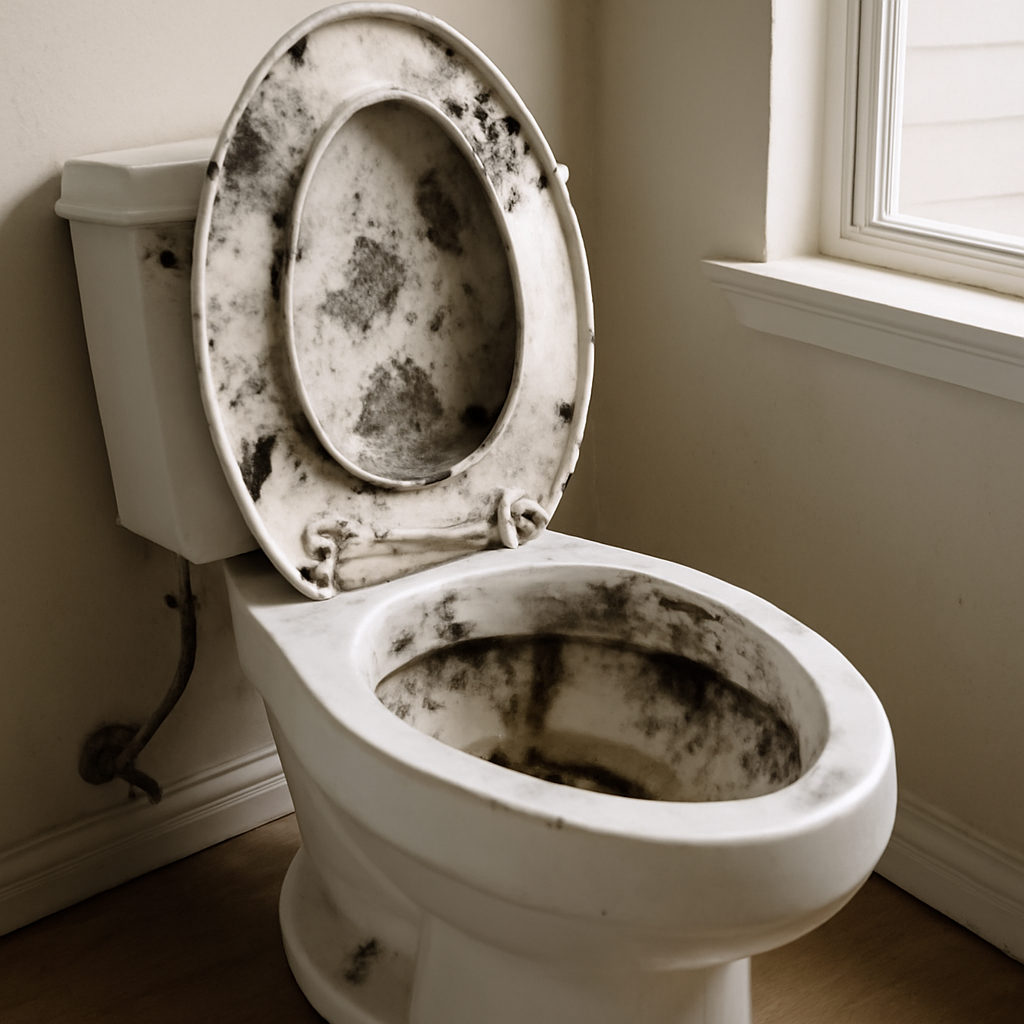
Dark rings under the rim, black streaks in the bowl, or fuzzy patches inside the tank lid surprise a lot of homeowners, because the toilet is one of the cleaner-smelling fixtures in the house. Black mold in a toilet is common, usually cosmetic, and almost always something you can handle yourself with the right approach. Understanding what causes it and how to clean it safely keeps the problem from coming back. This guide summarizes EPA and CDC guidance current as of 2026 and is educational only; consult a physician about symptoms and a certified professional for whole-home moisture concerns.
Part of our Black Mold & Your Health guide — start there for the full picture →
Is this mold, asbestos, or water damage? Get a free instant screen
Upload a clear photo of the suspect area. You'll get an instant AI screening opinion and what to do next. This is screening guidance, not a professional determination.
Screening guidance only. AI can be wrong. Confirm asbestos, mold type, or lead with lab testing or a licensed professional before acting.
What causes black mold in a toilet
A toilet offers everything fungus and mold-like organisms need: standing water, darkness, and a steady supply of organic material. The dark growth under the rim and along the waterline is often a mix of true mold and Serratia marcescens, a pink-to-black bacterium that feeds on mineral and soap residue. Inside the tank, where water sits still for long stretches, mold colonizes the lid underside and walls.
Several conditions accelerate it. Infrequently used toilets in guest baths or basements let water stagnate, which invites growth. High household humidity, sugary additives in some bowl cleaners, and well water rich in minerals all feed the colony. A bathroom with poor ventilation compounds the problem, since the surrounding humidity keeps every surface damp. If black growth appears in several fixtures at once, the issue is the room’s moisture, and our guide to black mold in the toilet tank drills into the tank-specific causes.
How to clean black mold from a toilet, step by step
Cleaning a toilet is a contained, low-risk task, but mold cleanup still warrants gloves and ventilation. Open a window or run the fan, and wear rubber gloves; an N95 mask is wise for scrubbing the tank, where growth can be heavier.
Cleaning the bowl and rim
Pour distilled white vinegar around the rim and into the bowl, letting it run down the underside jets, and leave it for 30 minutes. Scrub with a stiff toilet brush, paying attention to the rim holes where growth hides. For stubborn rings, sprinkle baking soda before scrubbing. Flush to rinse. Vinegar kills most growth without the fumes of bleach; if you prefer bleach, use it alone and never combine it with other cleaners.
Cleaning the tank
Turn off the supply valve and flush to lower the water. Add about a cup of vinegar (or a diluted bleach solution) to the tank, let it sit for an hour, then scrub the walls, lid underside, and around the flush mechanism with a brush or sponge. Avoid harsh abrasives that scratch the plastic and porcelain, since scratches harbor future growth. Turn the water back on and flush several times to clear the cleaner before normal use. The same containment principles in our guide on cleaning mold without spreading spores apply here.
Is it mold, mineral stain, or bacteria?
The dark marks in a toilet are not always the same thing, and telling them apart helps you treat them correctly. True mold is fuzzy or slimy and tends to grow in patches above and at the waterline where air and moisture meet. Pink-to-orange streaks are usually Serratia marcescens, a common bacterium rather than a mold, that feeds on the mineral and soap film in the bowl and tank.
Hard black or brown rings that feel gritty and resist wiping are often mineral deposits or manganese staining from the water supply, not biological growth at all; these need a descaling acid cleaner rather than an antimicrobial. A simple test: biological growth wipes or scrubs away and returns over days, while a mineral stain is hard, etched into the surface, and does not regrow once removed. Homes on well water or with high manganese content see more mineral staining, while infrequently flushed toilets see more bacterial and mold growth. Matching the cleaner to the cause, an acid descaler for minerals and vinegar or a disinfectant for biological growth, saves repeated scrubbing of a stain that the wrong product will never touch.
Is black mold in a toilet dangerous?
For most healthy people, the growth in a toilet poses little direct risk during normal use, because the lid stays down and the water is flushed away. The concern is more about what it signals and the small amount of airborne exposure during cleaning. The CDC’s general guidance holds: any indoor mold should be removed and the moisture corrected, but the species in a toilet matters less than addressing it.
People with asthma, mold allergies, or weakened immune systems may react to spores stirred up while scrubbing, which is why a mask helps. Recurring black growth across multiple fixtures can point to elevated humidity in the bathroom, the kind of chronic dampness that also feeds mold behind walls and in grout. If you are also seeing growth on the ceiling, walls, or window frames, a professional mold inspection can confirm whether the bathroom has a deeper moisture issue. Persistent respiratory symptoms in the household always warrant a physician’s evaluation.
When the problem is bigger than the toilet
A toilet that grows mold again within a week or two, despite correct cleaning, is telling you something. The most common culprits are a constantly running or leaking toilet that keeps surfaces wet, very high bathroom humidity from missing ventilation, or a supply of mineral-rich well water. Fixing a running flapper valve, replacing a worn fill valve, or adding an exhaust fan often ends the cycle.
Black growth that spreads from the toilet to the floor flange, the wall behind the tank, or the subfloor is no longer cosmetic. A leaking wax ring or supply line can soak the subfloor and feed hidden mold that a surface clean cannot reach. In those cases, stop scrubbing and investigate the leak, or bring in a professional to assess the framing and flooring. Our overview of mold inspection and removal explains when a fixture problem becomes a structural one.
How to keep black mold out of your toilet
Prevention is mostly about keeping water moving and surfaces clean. Clean the bowl and tank on a regular schedule, every week or two, before growth establishes. Flush rarely used toilets periodically so water does not stagnate. Keep the lid down to reduce humidity exchange and slow growth on the rim.
Control the room’s moisture by running the exhaust fan during and after showers and keeping relative humidity below 60 percent, as the EPA recommends. Fix running or leaking toilets quickly, since constant moisture is the single biggest driver. Households on well water may benefit from periodic tank cleaning to manage mineral buildup that feeds growth. Front Range homeowners with seldom-used basement or guest bathrooms should add those fixtures to a regular flush-and-clean routine, because stagnant water is the most overlooked cause. Steady maintenance keeps the toilet from becoming a recurring chore and signals early if a leak develops.
Products and habits that keep a toilet clean longer
Beyond regular scrubbing, a few choices meaningfully slow regrowth. Skip in-tank cleaner tablets that contain dyes or sugars, because the sugars can ironically feed the bacteria and mold you are trying to suppress, and harsh chlorine tablets can also degrade the rubber flapper over time, leading to a slow leak that keeps surfaces wet. A plain vinegar rinse poured into the tank every couple of weeks is gentler and discourages the slime film without harming components.
For the bowl, a brief once-a-week swish with a brush before buildup forms is far easier than attacking an established ring. Keeping the lid down between uses lowers the humidity exchange with the room and slows growth on the rim. If you travel or leave a vacation home unused, ask someone to flush the toilets periodically, or pour a little mineral oil into the bowl before leaving to slow evaporation and keep the trap sealed. For households on hard or mineral-heavy water, a periodic acid descaling treatment prevents the rough mineral surface that gives mold and bacteria something to cling to. These small habits cost almost nothing and extend the time between deep cleans considerably, while also helping you notice early if a fixture starts leaking.
Cleaning the often-missed spots
Most people scrub the visible bowl and stop there, but mold and the bacteria that mimic it concentrate in places a quick clean never reaches. The rim jets, the small holes under the rim that release water during a flush, are a prime hiding spot; growth there reseeds the bowl after every cleaning. To treat them, soak paper towels in vinegar and drape them under the rim, or use a small mirror and a thin brush to scrub inside the openings.
The trap and the area below the waterline collect a stubborn ring that benefits from lowering the water level first, by shutting the supply and flushing, so the cleaner contacts the stain undiluted. The base of the toilet where it meets the floor, the bolt caps, and the gap behind the tank all trap moisture and grime that feed growth and can hide an early leak. The supply line connection and the underside of the seat hinges are worth a periodic wipe as well. Cleaning these overlooked areas, not just the obvious bowl surface, is often what finally breaks a cycle of growth that seemed to return no matter how often the toilet was scrubbed.
What recurring toilet mold tells you about your water and home
A toilet that keeps growing dark deposits is providing information about the broader household, and reading it correctly points to the right fix. Frequent pink or black film that returns within days often reflects a home with elevated humidity, the same dampness that can feed mold on bathroom grout, walls, and window frames, so improving ventilation and lowering indoor humidity helps the whole room, not just the fixture.
Heavy mineral staining and a gritty texture point instead to water chemistry: hard water, high manganese or iron content, or well water that benefits from treatment or a periodic acid descaling. A toilet used only occasionally, in a guest bath or basement, grows more because its water stagnates, so a simple weekly flush solves what no amount of scrubbing addresses. And a toilet that is subtly running, where the flapper does not fully seal, keeps every surface wet and feeds continuous growth while quietly wasting water, so a recurring problem is sometimes really a worn-flapper problem. Treating the recurrence as a clue rather than a chore lets you fix the underlying cause, whether that is humidity, water chemistry, stagnation, or a leak, instead of cleaning the same fixture indefinitely.
References
- About Mold and Your Health — Centers for Disease Control and Prevention
- Mold Cleanup in Your Home — U.S. Environmental Protection Agency
- A Brief Guide to Mold, Moisture and Your Home — U.S. Environmental Protection Agency
Frequently asked questions
Why does black mold keep growing in my toilet?
Toilets provide standing water, darkness, and organic residue that feed mold and similar bacteria. Infrequent use, high bathroom humidity, mineral-rich well water, and a constantly running toilet all accelerate growth. Regular cleaning and fixing leaks or ventilation usually breaks the cycle.
How do I get rid of black mold in a toilet?
Pour vinegar around the rim and into the bowl, let it sit 30 minutes, then scrub with a stiff brush and flush. For the tank, lower the water, add vinegar or diluted bleach, let it dwell an hour, scrub, and flush several times. Wear gloves and ventilate, and never mix bleach with other cleaners.
Is black mold in a toilet dangerous?
For most healthy people it poses little direct risk during normal use, since the water is flushed and the lid stays down. The main exposure is airborne spores during scrubbing, so wear a mask. People with asthma or weakened immunity should take extra care, and recurring growth may signal broader bathroom dampness.
What is the black stuff under my toilet rim?
It is usually a mix of mold and Serratia marcescens, a bacterium that ranges from pink to black and feeds on mineral and soap residue. It collects in the rim jets where water and darkness persist. Scrub it with vinegar or a bleach cleaner and clean regularly to keep it from returning.
If toilet or bathroom mold on the Front Range keeps returning and you suspect a hidden leak, reach out to a vetted local inspector through our contact page for a closer look.
Mold removal & cleanup picks
For a small, contained patch (under ~10 sq ft) these EPA-friendly removers handle surface mold. Larger or recurring growth warrants a professional assessment first.
| Product | Why | Buy |
|---|---|---|
 RMR-86 Instant Mold Stain Remover RMR-86 Instant Mold Stain Remover | Fast-acting on stains; ventilate and wear PPE. | Amazon — $29.99 |
 Concrobium Mold Control Concrobium Mold Control | No-bleach formula that also helps prevent regrowth. | Amazon — $34.27 |
 Mold Armor Mold & Mildew Remover Mold Armor Mold & Mildew Remover | Widely stocked bathroom/surface remover. | Amazon — $22.98 |