Black Mold in Toilet Bowls: Rings, Rim Streaks and Fixes
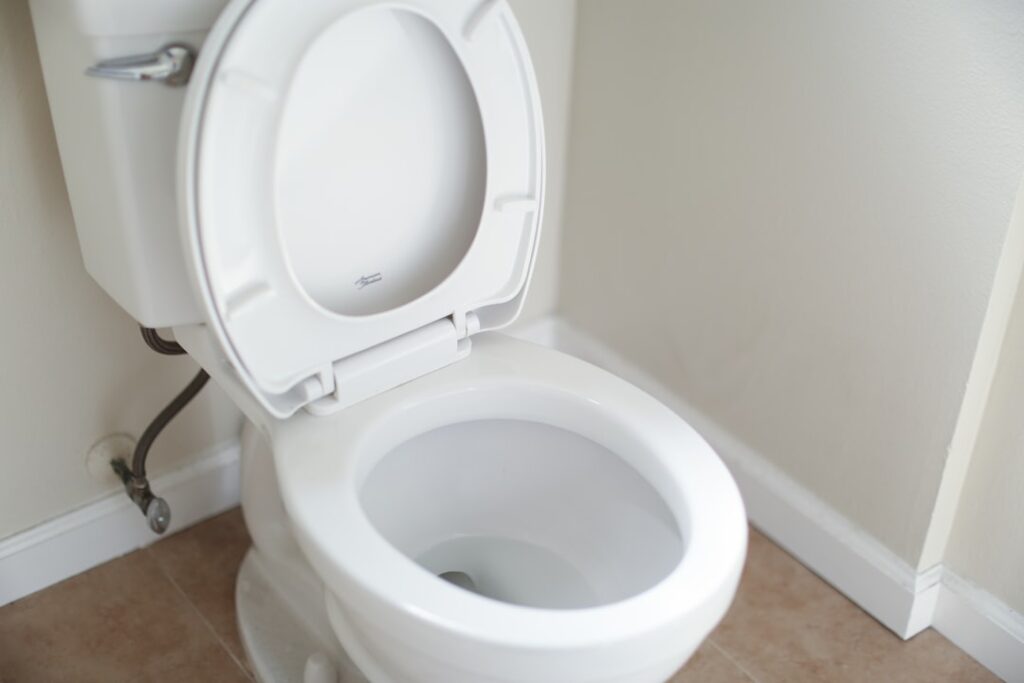
A dark ring at the waterline, black streaks running down from under the rim, or speckles around the small holes that feed water into the bowl are some of the most common things people search for when they suspect black mold in a toilet. The good news is that most of this growth is a surface problem that responds to scrubbing. The less obvious news is that much of it may not be mold at all. Toilet bowls are a home for bacterial biofilm, mineral deposits from hard or well water, and sometimes true mold, often all mixed together. This guide focuses on the bowl and the area under the rim: what the different marks usually are, how to clean them safely, why they keep coming back in some bathrooms, and how the tank and bathroom humidity play into it. It summarizes EPA and CDC guidance current as of 2026 for general education and is not medical advice.
Part of our Black Mold & Your Health guide — start there for the full picture →
Is this mold, asbestos, or water damage? Get a free instant screen
Upload a clear photo of the suspect area. You'll get an instant AI screening opinion and what to do next. This is screening guidance, not a professional determination.
Screening guidance only. AI can be wrong. Confirm asbestos, mold type, or lead with lab testing or a licensed professional before acting.
What Black Growth in a Toilet Bowl Usually Is
When people say black mold in a toilet, they usually mean one of three things, and the material is often a combination of them.
- Bacterial biofilm. A slimy, dark film that forms where water sits and organic matter collects. It wipes off in a smear and may smell sour. Biofilms often contain bacteria plus some mold and yeasts.
- Mineral deposits. Hard, gritty rings or streaks that do not wipe off easily. Iron and manganese in water are commonly associated with dark brown or black staining, while calcium and magnesium leave white or tan scale that can trap dirt and darken over time.
- Surface mold. Fuzzy or speckled dark spots, more often found just above the waterline, under the rim, on the underside of the seat and lid, or around the base where moisture lingers.
Appearance alone cannot confirm which one is present. CDC notes that mold can look like spots of many different colors and can smell musty, and that it is not necessary to know the type of mold before removing it. For a toilet, the cleaning approach is nearly the same for biofilm and surface mold, so lab identification is rarely worth paying for. The more useful question is why that surface stays wet long enough for growth to settle in.
The guide to black slime mold explains how biofilm differs from true mold in more detail, and the black mold hub covers identification across the rest of the house.
Pink, orange and brown rings compared
Not every colored ring is black. A pink or orange film at the waterline is commonly attributed to airborne bacteria that thrive on moist surfaces and soap residue rather than to mold. Brown or rust-colored rings usually point toward iron in the water. Black rings can be biofilm, manganese staining, mold, or a combination. The colors often overlap: a ring may start pink, then darken as dirt and minerals build up. The cleaning approach is similar for all of them, so the color mainly helps decide whether water testing is worth doing.
Where It Shows Up in the Bowl and What Each Spot Means
The bowl has several distinct zones, and each one tends to grow a different kind of buildup.
The waterline ring
The line where water meets air is the classic spot for a dark ring. Water evaporates a little between flushes, leaving minerals and organic residue behind at the edge. Microbes settle into that band. A ring that is slimy and comes off with a brush is mostly biofilm. A ring that feels rough and resists the brush is usually mineral scale, possibly with dark growth on top. Rings tend to be worst in toilets that are flushed rarely, because the water level stays still for days.
Under-rim streaks
Water enters the bowl through a row of small holes under the rim. When those holes get partly blocked by scale or slime, water flows unevenly and leaves vertical streaks running down the bowl. Dark streaks lined up beneath the rim holes are a strong hint that the rim itself needs cleaning. Use a small mirror and a flashlight to look under the rim; many people are surprised by how much buildup sits out of sight.
Siphon jet and the bottom of the bowl
Many toilets have a siphon jet, a larger hole near the bottom of the bowl that pushes water into the trapway to start the flush. Dark growth or scale around the jet can weaken the flush. A dark patch at the bottom of the bowl that never fully clears may be scale with staining or biofilm in the trap.
Seat, hinges and the outside base
The underside of the seat, the hinge area and the joint where the toilet meets the floor stay damp from splashes, condensation and cleaning water. Dark, speckled growth here is more likely to be true mold. Dark staining or softness at the floor around the base can point to a leak at the wax ring, which is a different problem that needs attention quickly.
A Quick Guide to What You See and What to Do
The table below matches common marks with the most likely cause and a practical fix. The cause column is hedged on purpose, since only a lab can confirm what is growing.
| What you see | Likely cause (hedged) | Fix |
|---|---|---|
| Slimy dark ring at the waterline | Bacterial biofilm, possibly with mold and yeasts | Scrub with a toilet brush and cleaner; flush the toilet regularly |
| Hard, gritty dark or brown ring | Mineral scale, often iron or manganese, with trapped dirt | Use a scale remover or pumice stone made for porcelain; consider water testing |
| Vertical streaks below the rim | Clogged rim holes, scale and biofilm under the rim | Clean under the rim and clear each hole with a small brush or wire |
| Dark buildup around the siphon jet | Scale and biofilm restricting the jet | Lower the water, scrub and clear the jet opening |
| Fuzzy black spots above the waterline or on the seat | More likely surface mold from humidity and splashes | Clean with detergent or a diluted bleach solution; improve ventilation |
| Black flecks in the bowl after flushing | Debris from the tank, flapper wear or tank growth | Inspect and clean the tank; check the flapper |
| Dark stain or soft floor at the base | Possible leak at the wax ring or supply line | Have the seal and floor checked promptly |
How to Clean Black Mold in a Toilet Bowl Safely
EPA’s mold cleanup guidance says to scrub mold off hard surfaces with detergent and water and dry completely. Porcelain is a hard, non-porous surface, which makes toilet bowls one of the easier places to clean. Mechanical scrubbing does most of the work, since biofilm protects microbes underneath from cleaners that are just poured on top.
Gear and ventilation
Wear rubber gloves and avoid touching growth with bare hands. EPA recommends goggles without ventilation holes, and gloves made of natural rubber, neoprene, nitrile, polyurethane or PVC when using bleach or strong cleaners. Open a window or run the bathroom fan. CDC advises opening windows and doors for fresh air and wearing gloves and goggles during cleanup.
Step-by-step bowl cleaning
- Lower the water. Turn off the supply valve behind the toilet and flush. This drops the water level and exposes the waterline ring and the bottom of the bowl. A plunger can push more water out of the trap if needed.
- Apply cleaner. Use a toilet bowl cleaner, a detergent solution, or a diluted bleach solution. Squirt cleaner up under the rim so it runs down through the holes.
- Let it sit. Follow the product label for contact time.
- Scrub the rim first. Use a brush with an angled head to reach under the rim. Clear each rim hole with a small brush, an old toothbrush or a bent piece of wire.
- Scrub the bowl and siphon jet. Work from top to bottom, then clear the jet opening at the bottom.
- Treat mineral rings separately. Hard rings may need a scale remover or a pumice stone made for porcelain. Keep the stone wet so it does not scratch.
- Restore water and flush. Turn the supply back on and flush a few times.
- Clean the seat and hinges. Remove the seat if growth sits under the hinges, scrub, rinse and let it dry fully.
Bleach rules
CDC says mold can be removed from hard surfaces with household products, soap and water, or a bleach solution of no more than 1 cup of household laundry bleach in 1 gallon of water. CDC is also firm on a safety point: never mix bleach with ammonia or other cleaners, because that produces a poisonous gas. Many toilet bowl cleaners contain acids, and mixing an acid cleaner with bleach can also release dangerous gas. Use one product at a time, flush between products, and follow the manufacturer’s directions. In a small, closed bathroom, ventilation is especially important.
Ordinary soap and detergent are effective at lifting mold and biofilm when paired with scrubbing. The guide on whether soap kills mold explains why removal matters more than killing.
Products and tools to skip
Some common shortcuts cause more trouble than they solve. Abrasive powders and steel wool can scratch the glaze on porcelain, and a scratched surface gives scale and biofilm more places to grip. Drop-in tablets that sit in the tank can, depending on their chemistry, wear down rubber parts such as the flapper, so check the toilet maker’s guidance before using them. Pouring several products into the bowl at once, in the hope that a stronger mix will work faster, raises the risk of a dangerous chemical reaction without adding much cleaning power. A brush, one appropriate cleaner and a little time do most of the work.
Why Black Rings and Streaks Keep Coming Back
A ring that returns within days is a signal about how the toilet is used and what water it gets, not a sign that the cleaning failed.
Infrequent use
Guest bathrooms, basement bathrooms and toilets in rooms that sit empty for weeks are the most common places for heavy rings. Still water evaporates slowly, concentrates minerals at the waterline, and gives microbes undisturbed time to settle. Flushing these toilets at least once or twice a week keeps fresh water moving. A quick brush during that flush does even more.
Low-flow and water-saving toilets
Modern water-saving toilets use less water per flush. That is good for water bills, but it can mean less scouring action in the bowl and around the rim, especially if rim holes are partly blocked. Keeping the rim holes clear helps these toilets rinse the bowl as designed.
Well water and hard water
Homes on private wells, including many in the foothills and rural parts of the Front Range, often see more staining. Iron and manganese are commonly linked to dark brown or black stains, and some wells support iron-related bacteria that form slimy deposits. Hard municipal water leaves scale that gives growth a rough surface to grip. If dark rings return quickly in every fixture, not just one toilet, the water itself is worth testing. A lab panel can show iron, manganese and hardness levels and guide treatment.
The tank feeding the bowl
Every flush sends tank water into the bowl through the rim holes and siphon jet. If the tank holds slime, scale or growth, that material gets delivered straight to the bowl. Black flecks floating after a flush are a common clue. Cleaning the bowl alone will not solve a tank problem. The guide to black mold in the toilet tank covers draining and scrubbing the tank, and the guide on whether black mold in a toilet tank is dangerous addresses health questions. A worn flapper can also shed black residue and leak water constantly; the toilet flapper guide shows how to check and replace one.
Bathroom humidity
Growth above the waterline, on the seat, on the tank lid and around the base is driven more by room humidity than by bowl water. EPA notes that places that are often or always damp can be hard to keep completely free of mold, and that increasing ventilation by running a fan or opening a window and cleaning more frequently will usually prevent mold from recurring, or at least keep it to a minimum. CDC recommends exhaust fans that vent outdoors and keeping indoor humidity no higher than 50 percent. A fan that is undersized, noisy enough that nobody runs it, or vented into the attic instead of outdoors can leave the room damp for hours after a shower. The guide to choosing and using a bathroom exhaust fan covers sizing and run time.
Tank sweating is a related issue. In humid weather, cold water in the tank can chill the porcelain enough that condensation drips down the outside and onto the floor. Over time that can wet the floor and subfloor around the base.
Is Black Mold in a Toilet Dangerous?
For most healthy people, the dark growth in a toilet bowl is a low-level concern that should be cleaned rather than a health emergency. CDC says exposure to damp and moldy environments may cause a variety of health effects, or none at all, and that some people experience a stuffy nose, sore throat, coughing or wheezing, burning eyes or skin rash. People with asthma or mold allergies may have severe reactions, and immune-compromised people and people with chronic lung disease may get infections in their lungs from mold.
A toilet bowl is a small, wet, non-porous surface, so the amount of material is usually small. The bigger concern is what recurring growth says about moisture elsewhere. Black growth on the bathroom ceiling, behind the toilet, on drywall near the tank, or under flooring suggests a ventilation or leak issue that deserves more attention than the bowl. The guide to what black mold looks like in a shower shows the patterns that usually travel with poor bathroom ventilation.
Testing a toilet bowl for mold is rarely useful. CDC does not recommend mold testing, noting that there are no set standards for acceptable amounts of mold in a home and that any mold present should be removed. EPA adds that sampling is generally unnecessary when mold is visible.
Preventing Toilet Bowl Growth Long Term
A few habits keep most toilets clean between deep cleanings:
- Brush weekly, including under the rim. Weekly brushing removes biofilm before it thickens and hardens into a ring.
- Flush unused toilets. Flush guest and basement toilets at least weekly, or more often during dry winter months when evaporation is faster.
- Clean the tank a couple of times a year. A clean tank sends clean water to the bowl.
- Keep rim holes and the siphon jet clear. Clear holes mean a stronger rinse with every flush.
- Run the fan. Run the bathroom fan during showers and for a while afterward, and leave the door open when the room is not in use.
- Wipe the seat and base. Dry splashes and drips around the base so they do not sit on grout or caulk.
- Address water quality. If rings appear in every fixture, test the water and consider treatment for iron, manganese or hardness.
- Fix leaks promptly. A running toilet or a leaking supply line keeps surfaces wet. EPA notes that drying wet materials within 24 to 48 hours usually prevents mold growth.
Similar patterns show up at bathroom sinks, where drains, overflow holes and faucet aerators collect slime. The guide to black mold in the sink covers those spots.
When to Look Beyond the Bowl
Most toilet growth is a cleaning task. A few signs point to a bigger moisture issue that a homeowner or inspector should look into:
- Dark stains, soft spots or a musty smell on the floor around the toilet base, which can mean a failing wax ring or supply leak.
- Water stains on the ceiling below an upstairs bathroom.
- Mold on drywall behind the toilet, on the bathroom ceiling, or inside the vanity.
- Growth that returns within days even with regular cleaning and good ventilation.
- A musty smell that lingers after the bathroom is cleaned and dried.
EPA suggests homeowners can usually handle mold cleanup of less than about 10 square feet. Larger areas, growth tied to significant water damage, or mold inside walls and subfloors call for a professional. If anyone in the home has asthma, allergies or a weakened immune system, consult a health professional before starting a larger cleanup. The main mold inspection guide explains what an inspection covers and when it makes sense.
References
- About Mold — Centers for Disease Control and Prevention
- Mold Cleanup in Your Home — U.S. Environmental Protection Agency
- A Brief Guide to Mold, Moisture and Your Home — U.S. Environmental Protection Agency
Frequently asked questions
Is the black ring in a toilet bowl actually mold?
Often it is a mix of bacterial biofilm and mineral deposits, sometimes with mold. Slimy rings that wipe off are usually biofilm, while hard, gritty rings are usually mineral scale. Both can be scrubbed away.
What causes black streaks under the toilet rim?
Streaks usually form when the small rim holes are partly blocked by scale or slime, so water runs unevenly down the bowl. Cleaning under the rim and clearing each hole typically stops them.
Can bleach be used to clean black mold in a toilet?
Yes. CDC says a solution of no more than 1 cup of household laundry bleach per gallon of water can be used on hard surfaces. Never mix bleach with ammonia or other cleaners, including acidic toilet bowl cleaners, because toxic gas can form.
Why does black mold keep coming back in the guest bathroom toilet?
Toilets that sit unused let water stand still, minerals concentrate at the waterline, and microbes settle undisturbed. Flushing weekly, cleaning the tank and testing well water for iron or manganese usually help.
Is black mold in a toilet dangerous to health?
For most healthy people it is a low-level concern that should be cleaned. CDC notes that people with asthma, mold allergies, weakened immune systems or chronic lung disease can react more strongly to mold.
Seeing dark growth on the floor around the toilet or on the bathroom ceiling, not just in the bowl? Contact us and we can help Front Range homeowners find an inspector to check for hidden leaks and moisture.
Mold removal & cleanup picks
For a small, contained patch (under ~10 sq ft) these EPA-friendly removers handle surface mold. Larger or recurring growth warrants a professional assessment first.
| Product | Why | Buy |
|---|---|---|
 RMR-86 Instant Mold Stain Remover RMR-86 Instant Mold Stain Remover | Fast-acting on stains; ventilate and wear PPE. | Amazon — $29.99 |
 Concrobium Mold Control Concrobium Mold Control | No-bleach formula that also helps prevent regrowth. | Amazon — $11.26 |
 Mold Armor Mold & Mildew Remover Mold Armor Mold & Mildew Remover | Widely stocked bathroom/surface remover. | Amazon — $22.98 |