Toilet Shims: Fixing a Rocking Toilet Before the Seal Fails
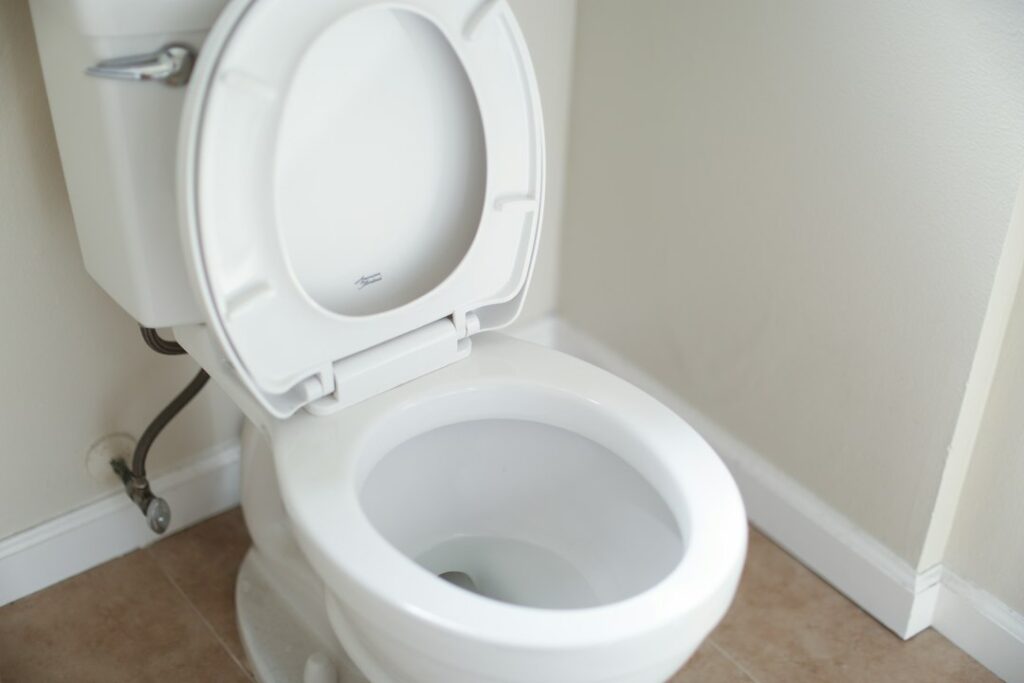
A toilet that rocks when someone sits down can seem like a minor annoyance, something to live with until the next remodel. In reality, that small side-to-side movement is one of the more common ways a bathroom floor gets damaged without anyone noticing. Each rock flexes the seal between the toilet and the drain, and once that seal opens, wastewater can seep into the floor every time the toilet is flushed. Toilet shims are the usual fix for a toilet sitting on an uneven floor, but they only solve the problem when the floor and the drain fitting underneath are sound. This guide explains why rocking matters, how plastic shims are placed, trimmed and hidden, the warning signs that point to a broken flange or a soft subfloor instead, and what Front Range homeowners and buyers can reasonably expect to pay for each level of repair.
Part of our Plumbing & Water guide — start there for the full picture →
What Toilet Shims Do and Why a Rocking Toilet Matters
Toilet shims are thin, wedge-shaped spacers, usually made of hard plastic, that slip under the base of a toilet to fill the gaps between the porcelain and the floor. Once the toilet is resting firmly on the shims and the floor at every point, it stops pivoting. The goal is not to raise the toilet. The goal is to give it a stable, three- or four-point stance so the bolts and the seal underneath are no longer doing the work of holding it still.
That distinction matters because of what sits under the bowl. Most toilets seal to the drain with a wax ring, or a wax-free foam or rubber gasket, compressed between the horn on the bottom of the toilet and the closet flange in the floor. Wax does not spring back. When a toilet rocks, the wax ring is squashed on one side and pulled away on the other, and after enough cycles a gap forms. Our toilet wax ring guide covers how those seals fail and when to replace one.
A failed seal rarely produces an obvious puddle. More often, a small amount of water and waste escapes with each flush and soaks downward into the underlayment and subfloor. The first visible signs may be a sewer odor, discolored grout at the base, a stain on the ceiling below, or a floor that feels spongy near the toilet. By then the wood may already be compromised, which is why a rocking toilet is worth addressing early. Our subfloor repair guide explains what happens when that damage is left long enough to rot the framing.
The moisture problem behind the wobble
The EPA’s guidance on mold and moisture in homes makes a simple point that applies directly here: the key to mold control is moisture control. EPA advises that when water leaks or spills occur indoors, wet or damp materials dried within 24 to 48 hours will, in most cases, not grow mold. A slow leak under a toilet is the opposite of that scenario. It is hidden, it repeats with every flush, and the materials around it rarely get a chance to dry. That is the practical reason inspectors treat a loose toilet as a moisture concern rather than a cosmetic one.
Leaks in general add up. EPA’s WaterSense program notes that the average household’s leaks can account for more than 9,300 gallons of water wasted every year, and that common household leaks include worn toilet flappers and other leaking valves. A leak at the base seal is not the same as a leaking flapper, but both are toilet leaks that are easy to ignore and cheaper to fix early.
How to Shim a Toilet Correctly
Shimming is a reasonable do-it-yourself job when the cause of the rocking is simply an uneven floor surface, such as a tile floor with slight lippage, an old vinyl floor with a dip, or a toilet set on a floor that was never quite level. The process is straightforward, but a few details decide whether the fix lasts.
Choosing the right shims
Plastic toilet shims are sold in small packs at hardware stores, often in a stackable design with ridges that let two or more shims interlock without sliding. Plastic is the standard choice because it does not absorb water, compress over time or rot. Wood shims, including the cedar shims sold for doors and windows, are a poor substitute in a bathroom. They can swell, soften and eventually crush, which brings the rocking right back and adds organic material at the base of the toilet where moisture collects.
Placing the shims
- Find the gap. Gently rock the toilet and watch the base. The toilet pivots on its high points, so the gap usually shows up on one side or at the front or back corner.
- Slide shims in lightly. Push a shim into the gap with the thin end first until it is snug, not forced. Pressing too hard can lift the toilet and stress the seal on the opposite side.
- Test and adjust. Sit on the toilet and shift weight side to side. If it still moves, add a shim at another point or stack a second shim. Many installers aim for contact near the front corners and at the back, spreading support around the footprint.
- Snug the closet bolts carefully. Once the toilet is stable, the nuts on the closet bolts at the base can be tightened gently, alternating sides a little at a time. More on that below.
Trimming and caulking the base
After the toilet is solid, the protruding ends of the shims can be scored with a utility knife and snapped off, or cut flush with a fine-tooth saw.
Many installers then run a bead of caulk around the base to hide the shims and keep mop water and splashes from running underneath. Some local plumbing practices and manufacturers call for caulking the base, while some plumbers prefer to leave a small gap at the back so that a future seal leak shows up on the floor instead of being trapped under the toilet. A common compromise is to caulk the front and sides and leave a short uncaulked section at the rear. Either way, caulk is a finishing step. It should never be the thing holding a loose toilet in place, and it will crack quickly if the toilet still moves.
When to reset the toilet instead
If the toilet has been rocking for a while, the wax ring has probably already been deformed. Shimming a toilet on an old, crushed seal can leave a leak path in place even though the movement has stopped. Many plumbers will recommend pulling the toilet, inspecting the flange and floor, installing a new seal and then shimming during the reset.
When Rocking Is Not a Shim Problem
Shims fix uneven floors. They do not fix a broken drain fitting, a flange set at the wrong height or a floor that is soft because it has been wet for months. Those conditions need a repair underneath the toilet, and shimming over them tends to hide the problem rather than solve it.
A broken or low closet flange
The closet flange is the ring fitting at the top of the drain pipe that the toilet bolts to. Flanges can crack, especially older cast iron or plastic flanges with thin bolt slots, and when the bolt slot breaks, the toilet is no longer anchored on that side. Rocking from a broken flange often feels different from rocking on an uneven floor: the toilet may lift or twist rather than just tip, and tightening the bolt does nothing. A flange that sits well below the finished floor, often after new tile was laid over old vinyl, is another common cause. The toilet may still rock and the seal may not compress properly. Repair rings, flange spacers and extra-thick or stacked seals are the usual fixes. Our toilet flange guide walks through the options.
A soft or damaged subfloor
If the floor around the toilet flexes underfoot, feels spongy, or shows cracked tile or grout radiating from the base, the subfloor may be deteriorating. In that case the toilet is rocking because the floor itself is moving. Shims cannot stabilize a floor that gives way, and the moisture that softened the wood is likely still present. Pulling the toilet to check the subfloor, finding and stopping the leak source, and repairing or replacing the damaged section is the appropriate path.
Uneven tile or a new floor
Uneven tile is the classic shim case. Tile with lippage, a grout line that crosses under the toilet or a floor that slopes slightly toward a drain can leave one corner of the base unsupported. Our bathroom floor tile guide covers how tile floors should be installed and what cracked or hollow-sounding tile can indicate. When a bathroom gets new flooring, it is worth checking flange height before setting the toilet, since thicker tile and backer board often raise the floor above an existing flange.
Quick diagnostic checklist
- Rocks, floor is firm, no odor or stains: likely uneven floor. Shimming is reasonable, ideally with a fresh seal if the rocking has gone on for a long time.
- Rocks or twists, bolts will not tighten: suspect a broken flange or stripped bolt slot.
- Soft floor, cracked tile at the base, odor or ceiling stain below: suspect a seal leak and subfloor damage. Pull the toilet and investigate.
- Toilet sits on top of thick new tile with a visible gap at the flange: suspect a low flange that needs a spacer or extender.
Bolts, Supply Lines and the Rest of the Toilet
A rocking toilet often prompts people to crank down on the bolts. That instinct causes a lot of cracked porcelain. Toilets are vitreous china, which is hard but brittle, and the bolt holes at the base and between the tank and bowl concentrate stress.
Do not overtighten closet bolts
The closet bolts hold the toilet down against the flange, but they are not designed to clamp a toilet flat onto an uneven floor. If the floor is uneven, tightening the nuts simply pulls the base down at one point and puts the porcelain under tension. Cracks often start at the bolt hole and may not appear until days later. The usual guidance from toilet manufacturers is to tighten the nuts alternately and only until the toilet is snug, stopping as soon as it no longer moves. Shims come first; the bolts only keep the toilet from lifting.
Tank bolts follow the same rule
On two-piece toilets, the tank sits on the bowl with a rubber gasket and is held by tank bolts. A wobbly tank is a separate problem from a rocking bowl, and it is also prone to overtightening. Overtightened tank bolts can crack the tank or bowl flange, while loose ones let the gasket leak onto the floor, which is easy to confuse with a base seal leak. Our toilet tank bolts guide covers replacement and how snug is snug enough.
Check the supply line and fill valve while you are there
Shimming or resetting a toilet puts hands and tools right next to the water supply. A toilet that has been rocking can also stress its supply connection, particularly with older rigid or plastic-nut lines. It is a good time to look at the shutoff valve and the line itself, and to replace a corroded or cracked connector. Our toilet supply line guide explains which line types fail most often. If the tank also runs or refills on its own, the problem may be a worn flapper or toilet fill valve. EPA’s WaterSense program suggests a simple dye test: put a few drops of food coloring in the tank, and if color shows up in the bowl after 10 minutes without flushing, there is a leak. WaterSense also notes that a worn flapper can cause a toilet to silently leak thousands of gallons a year.
What Toilet Shim Repairs Typically Cost
Costs vary with the region, the plumber’s minimum service charge and what turns up once the toilet is pulled. The ranges below are general 2026 estimates, not quotes, and Front Range prices can run higher or lower depending on the area and the time of year.
- DIY shims and caulk: a pack of plastic toilet shims and a tube of caulk commonly costs less than a typical takeout lunch. The main cost is the time spent getting the placement right.
- Plumber shims and re-caulks a stable toilet: often falls within a service-call minimum, which in many markets is roughly in the low hundreds of dollars.
- Pull and reset with a new seal and shims: typically a bit more, because the toilet has to be removed, cleaned and reset. Parts are inexpensive; labor drives the price.
- Flange repair or replacement: commonly several hundred dollars, more if the flange is cast iron, set in concrete or tied into old piping that needs cutting.
- Subfloor repair around the toilet: varies widely. A small patch of subfloor and underlayment may be manageable, while rot that reaches the joists or requires removing tile can push the bill into the high hundreds or thousands once flooring is restored.
Because the cheap fix and the expensive one start with the same symptom, it often pays to ask the plumber to check the flange and floor when the toilet is pulled, and to quote the seal, shims and any flange work separately.
What a Home Inspector Looks For
The ASHI Standard of Practice for home inspections directs inspectors to inspect interior water supply and distribution systems, including fixtures and faucets, and interior drain, waste and vent systems, including fixtures. In practice that means operating toilets, observing whether they flush and refill, and checking whether they are secure at the floor. An inspector who finds a loose or rocking toilet will usually note it and recommend repair, because the condition suggests the seal may already be compromised.
What an inspector cannot do is see under the toilet. The flange, the wax ring and the subfloor beneath the base are concealed, so inspectors look for indirect signs: staining or soft flooring around the base, cracked tile radiating from the toilet, stains on the ceiling below a second-floor bathroom, odor, and moisture meter readings where the inspector uses one. Heavy caulk or visible shims at the base can signal that someone has tried to stabilize a rocking toilet. Buyers who see that note in a report may want a plumber to pull the toilet before closing.
For more on the plumbing portion of a home inspection, see our plumbing and water inspections hub. Our main guide to hiring a home inspector covers how to find and vet an inspector on the Front Range.
References
- Fix a Leak Week — U.S. Environmental Protection Agency, WaterSense
- A Brief Guide to Mold, Moisture and Your Home — U.S. Environmental Protection Agency
- ASHI Standard of Practice for Home Inspections — American Society of Home Inspectors
Frequently asked questions
Are toilet shims a permanent fix?
They can be, when the toilet rocks only because the floor is uneven and the flange and subfloor are sound. Plastic shims do not rot or compress. If the floor is soft or the flange is broken, shims only hide the problem.
Should I replace the wax ring after shimming a rocking toilet?
Often, yes. A toilet that has rocked for a while has probably deformed its wax ring, and wax does not reseal on its own. Many plumbers pull the toilet, install a new seal and shim during the reset.
Can I tighten the bolts instead of using toilet shims?
Tightening closet bolts to stop rocking on an uneven floor can crack the porcelain. Shim first, then snug the nuts alternately and only until the toilet no longer moves.
Should I caulk around the base of the toilet?
Many installers caulk the base to hide shims and keep mop water out. Some leave a short gap at the back so a seal leak shows on the floor instead of being trapped. Caulk should never be what holds the toilet still.
Will a home inspector notice a rocking toilet?
Most inspectors check whether toilets are secure at the floor and look for staining or soft flooring around the base. They cannot see the flange or subfloor under the toilet, so a loose toilet usually leads to a plumber referral.
Found a toilet that rocks during a walkthrough, or a stain on the ceiling below a bathroom? Reach out to us to connect with a Front Range inspector who checks fixtures, floors and hidden moisture.