How Does a Toilet Work? The Flush Cycle and Its Parts
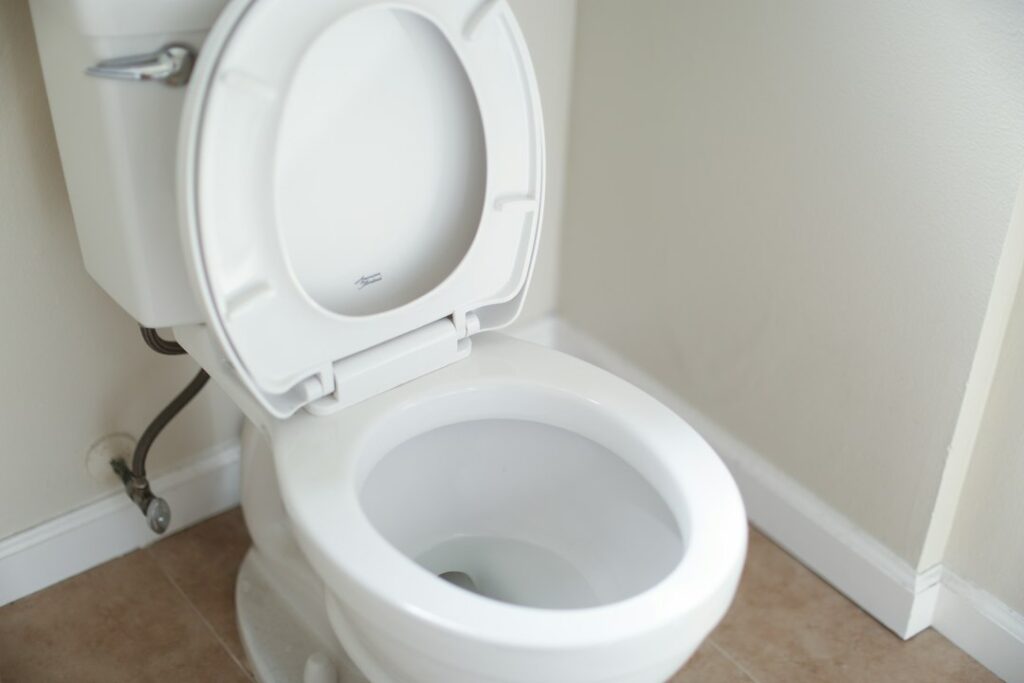
A standard toilet works by dumping a tank of stored water into the bowl fast enough to start a siphon, which pulls the bowl’s contents through a curved trapway and into the drain, and then automatically refilling both tank and bowl for the next use. Gravity does nearly all the work; the only moving parts are a handle, a chain, a rubber flapper and a float-controlled fill valve. Knowing how does a toilet work at that level is surprisingly useful, because almost every common toilet complaint, from a constantly running tank to a weak flush or a puddle at the base, traces back to one specific part. This guide walks through the flush cycle step by step, explains each part in a reference table, compares gravity, pressure-assisted and dual-flush designs, covers water use standards, maps typical problems to their causes, lists typical repair cost ranges and describes what a home inspector checks.
Part of our Plumbing & Water guide — start there for the full picture →
Plumbing problem? Talk to a local plumber now.
📞 Call (877) 637-1527The Short Answer: Stored Water, a Siphon and a Refill
A toilet has two main sections. The tank on the back stores a measured volume of clean water. The bowl below holds a small pool of standing water and connects, through a hidden S-shaped channel cast into the porcelain called the trapway, to the drain pipe in the floor. That standing water is not an accident. It forms a seal that blocks sewer gas from rising out of the drain and into the bathroom.
When you flush, the tank releases its water into the bowl in a few seconds. The sudden rush raises the water level in the bowl and fills the trapway completely, and once the trapway is full, a siphon forms. The siphon keeps pulling water and waste out of the bowl until air enters the trapway and breaks it, which is the familiar gurgle at the end of a flush. Meanwhile, the tank refills from the home’s water supply and sends a small stream into the bowl to restore the seal.
The Flush Cycle, Step by Step
Here is the full sequence in a typical gravity-fed tank toilet, which is the type in most Front Range homes.
- Handle. Pushing the handle rotates a lever arm, called the trip lever, inside the tank.
- Chain. The trip lever pulls up on a lift chain attached to the flapper.
- Flapper lifts. The flapper, a rubber or silicone seal sitting on the flush valve opening at the bottom of the tank, swings up. Because it is designed to float once open, it stays up while the tank drains.
- Tank water drops into the bowl. Water rushes through the flush valve into the bowl. Some exits through small rim jets under the bowl’s rim, which wash the sides of the bowl. In many modern toilets, much of it goes to a siphon jet, a hole near the bottom of the bowl aimed straight into the trapway.
- Siphon pulls waste through the trapway. The surge fills the trapway, the siphon starts, and the bowl contents are pulled into the drain line.
- Flapper reseats. As the tank empties, the flapper loses buoyancy and drops back onto the flush valve seat, sealing the tank.
- Fill valve refills the tank. As the water level fell, the float dropped and opened the fill valve. Supply water now flows into the tank until the float rises to its set height and shuts the valve off.
- Refill tube tops up the bowl. While the tank refills, a small flexible refill tube clipped to the overflow tube sends water down into the bowl, restoring the standing water that forms the trap seal.
The whole cycle usually takes well under a minute. If any step is slow, incomplete or never stops, the problem is almost always in the part responsible for that step.
Best Toilets: our top 3 picks
| Product | Best for | Key features | Price | Buy |
|---|---|---|---|---|
| Gerber Maxwell Crest | Best overall two-piece |
| $259.00as of Nov 18, 2026 4:26 pm GMT+0000 | Buy now →Check current price |
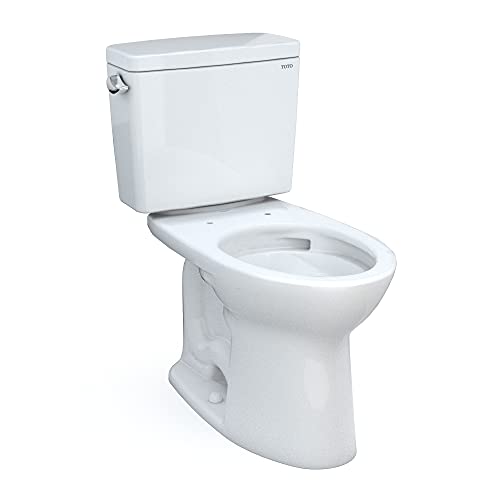
| TOTO Drake CST776CSFG | Low-pressure homes |
| $326.99as of Nov 18, 2026 4:26 pm GMT+0000 | Buy now →Check current price |
| Casta Diva CD-W001 | Lowest water use |
| $249.99as of Nov 18, 2026 4:26 pm GMT+0000 | Buy now →Check current price |


Prices are Amazon’s listed prices as of the time shown and change often; check Amazon for today’s price. As an Amazon Associate we earn from qualifying purchases.
Toilet Parts and What Each One Does
The table below covers the parts a homeowner is most likely to hear about from a plumber or see in an inspection report.
| Part | Where it is | What it does | Typical sign it is failing |
|---|---|---|---|
| Fill valve | Vertical assembly on the left side of the tank | Lets supply water into the tank and shuts off at the set level | Hissing, slow refill, tank overfilling into the overflow tube |
| Float | Cup on the fill valve shaft or a ball on an arm | Rises with the water and tells the fill valve when to close | Water level too high or too low; valve never shuts off |
| Flapper | Bottom center of the tank over the flush valve opening | Holds water in the tank and releases it on flush | Running toilet, phantom refills, short flush |
| Flush valve | Opening and seat at the tank bottom, often with the overflow tube attached | Provides the seat the flapper seals against and the passage to the bowl | Leak even with a new flapper; worn or cracked seat |
| Overflow tube | Vertical pipe in the center of the tank | Sends excess water to the bowl if the fill valve fails, preventing a tank flood | Water constantly trickling into it |
| Handle and chain | Front left of the tank | Lifts the flapper when pressed | Loose handle, chain too long or tangled, flapper not lifting fully |
| Wax ring | Under the toilet, between the horn of the bowl and the flange | Seals the joint between toilet and drain | Water or sewer odor at the base |
| Flange | Fitting at the top of the drain pipe, fastened to the floor | Anchors the toilet bolts and connects to the drain | Rocking toilet, broken bolt slots, repeated wax ring failures |
| Shut-off valve and supply line | Wall or floor behind the toilet | Controls and delivers water to the fill valve | Drips, corrosion, a valve that will not turn or will not fully close |
For deeper dives into individual parts, see our guides to the toilet flapper and the toilet fill valve, which cover how to identify the right replacement and adjust it.
Gravity, Pressure-Assisted and Dual-Flush Toilets
All three types move waste using a siphon or a strong push of water. They differ in how the tank stores and releases that water.
| Type | How it flushes | Strengths | Tradeoffs |
|---|---|---|---|
| Gravity-fed | Tank water falls into the bowl through the flush valve and starts a siphon | Quiet, simple, inexpensive parts available everywhere | Flush strength depends on design; older low-flow models can be weak |
| Pressure-assisted | A sealed vessel inside the tank compresses air as it fills; on flush, the air pressure forces water into the bowl | Very forceful flush; common in commercial settings and busy households | Louder; parts are specific to the vessel maker; needs adequate supply pressure |
| Dual-flush | A two-button or split-handle valve releases a partial volume for liquids or a full volume for solids | Saves water by letting users pick a reduced flush | Many use a wash-down design rather than a strong siphon, so bowls may need more frequent cleaning |
There are also tankless flushometer toilets in commercial buildings, which rely on high-volume supply pressure through a valve, and wall-hung toilets with the tank hidden in the wall. Homeowners mostly encounter the three types above.
Pressure-assisted toilets are worth a note for Front Range homes. Many neighborhoods, especially those downhill from a water main or tank, have high static water pressure, and many homes rely on a pressure-reducing valve at the main. A pressure-assisted toilet needs enough supply pressure to charge its vessel, while very high pressure can stress fill valves and supply lines on any type. If you are unsure what your home runs at, a simple gauge on a hose bib answers it.
Gallons per Flush: Federal Limits and WaterSense
Toilet water use is measured in gallons per flush, or gpf. According to the EPA’s WaterSense program, the current federal standard is 1.6 gallons per flush, and WaterSense labeled toilets use 1.28 gallons per flush or less, about 20 percent less than that standard. The same EPA page notes that older, inefficient toilets can use as much as 6 gallons per flush and that toilets account for nearly 30 percent of an average home’s indoor water use.
The low-flow toilets of the 1990s earned a reputation for needing double flushes. The EPA notes that manufacturers have since redesigned bowls and trapways, and that WaterSense labeled tank-type toilets are independently certified to meet performance requirements such as waste extraction and drainline transport. In other words, a modern 1.28 gpf toilet usually flushes far better than a 1990s model that used more water.
WaterSense estimates that the average family can save nearly 13,000 gallons of water a year by replacing old, inefficient toilets with labeled models. Along the Front Range, where water is scarce and many utilities run conservation and rebate programs, that is often reason enough to replace an old fixture during a remodel. Check with your water provider for any current rebate before buying.
Common Toilet Problems and the Part Usually Responsible
Once you understand the flush cycle, diagnosing most problems becomes a matter of matching the symptom to the step that is failing.
| Symptom | Likely cause | Where to look first |
|---|---|---|
| Toilet keeps running or refills on its own | Worn or warped flapper, chain snag, fill valve set too high | Flapper and water level relative to the overflow tube |
| Weak or incomplete flush | Low tank water level, flapper closing early, clogged rim jets or siphon jet, partial clog in trapway or drain | Water level mark, chain slack, mineral buildup under the rim |
| Slow tank refill or hissing | Debris in the fill valve, worn seal, partly closed shut-off | Fill valve cap and the shut-off valve |
| Water on the floor at the base | Failed wax ring, loose closet bolts, cracked bowl, or a leak from above that runs down | Wax ring and flange; also tank bolts and supply line |
| Toilet rocks | Uneven floor, loose bolts, damaged flange | Flange and subfloor |
| Gurgling or bubbling | Blocked or restricted plumbing vent, partial drain or sewer line clog | Other fixtures nearby; roof vent; main line |
| Sewer odor | Dry or broken trap seal, failed wax ring, vent problem | Base of toilet, bowl water level |
Running toilets
A running toilet is the most common complaint and also the most wasteful. The EPA says household leaks can waste 180 gallons per week, that toilets are often the culprit, and that most toilet leaks come from old or worn-out flappers. Its Fix a Leak Week guidance suggests a simple test: put a few drops of food coloring in the tank, wait 10 minutes without flushing, and see whether color shows up in the bowl. If it does, the flapper or flush valve seat is leaking. The EPA also suggests checking the flapper periodically and replacing it at least every five years. Our guide on why a toilet keeps running walks through the rest of the diagnosis.
Leaks at the base
Water around the base is more serious than a running tank because it can soak the subfloor and the ceiling below. It often means the wax ring has failed, sometimes after the toilet was rocked loose or reset without a new ring. Before blaming the ring, rule out condensation on the tank, a dripping supply line or loose tank-to-bowl bolts. Our guides on a toilet leaking at the base and the toilet wax ring cover the inspection and replacement steps.
Gurgling
Gurgling when another fixture drains, or a toilet bowl that bubbles on its own, usually points beyond the toilet to the drain or vent system. A blocked roof vent or a developing main line clog can pull water out of the trap. Our explainer on why a toilet gurgles explains how to tell a vent problem from a sewer line problem.
Typical Toilet Repair and Replacement Costs
Costs depend heavily on the part, access and whether hidden damage turns up. The ranges below are typical national figures for 2026, not quotes, and local plumbing rates along the Front Range can push them higher.
- Flapper replacement: the part itself typically costs under $20 and is a common do-it-yourself job; a plumber visit for the same job usually runs from about $100 to $250, depending mostly on the trip charge.
- Fill valve replacement: the part is typically $10 to $35; professional replacement commonly falls in the $125 to $300 range.
- Flush valve replacement: more involved because the tank usually comes off the bowl; professionally, often $175 to $400.
- Wax ring and reset: commonly $150 to $350 when no subfloor damage is found.
- Flange repair: roughly $150 to $500 or more, depending on drain pipe material and access.
- Subfloor repair from a long-term leak: can range from a few hundred to a few thousand dollars, and may involve mold cleanup.
- New toilet installed: commonly several hundred dollars to over $1,000 including the fixture, depending on model and labor.
Main cost drivers include the trip charge or minimum service fee, the toilet’s age and whether parts are standard or proprietary, corroded tank bolts or shut-off valves that need replacing at the same time, and hidden water damage under the floor.
What a Home Inspector Checks on a Toilet
A standard home inspection is a visual, non-invasive check. The ASHI Standard of Practice directs inspectors to inspect interior water supply and distribution systems including fixtures and faucets, and interior drain, waste and vent systems including fixtures. The same standard notes that inspectors are not required to fill shower pans and fixtures to test for leaks or to measure water supply flow and pressure.
Within that scope, inspectors commonly operate each toilet and note:
- Whether the toilet flushes completely and the tank refills and shuts off.
- Whether the toilet is loose or rocks on the floor.
- Signs of leaking at the base, such as staining, soft flooring or discoloration on the ceiling below.
- Leaks at the supply line, shut-off valve or tank bolts.
- Cracks in the tank or bowl.
- Running water or audible refills suggesting a flapper or fill valve issue.
- Gurgling or slow drainage that may suggest a drain or vent concern.
- Moisture meter readings around the base, where the inspector uses one.
The report usually recommends evaluation or repair by a licensed plumber for anything beyond a simple adjustment. Inspectors do not pull toilets to look at the wax ring or flange, so hidden subfloor damage may not be visible.
Safety Notes for Do-It-Yourself Repairs
- Turn off the shut-off valve and flush to empty the tank before working on internal parts. If the valve will not turn or will not close fully, stop and call a plumber rather than forcing it.
- Toilet tank lids and bowls are heavy and brittle. A dropped lid or a cracked bowl can cause serious cuts.
- Do not overtighten tank or floor bolts; porcelain cracks easily.
- Wear gloves when handling the wax ring or anything that has contacted the drain, and wash hands afterward.
- Avoid drop-in tank cleaning tablets unless the manufacturer allows them, since some can degrade flappers and seals.
When to Call a Plumber or Inspector
Simple jobs like a flapper, chain adjustment or fill valve swap are well within reach for many homeowners. Call a licensed plumber if water is leaking at the base, the floor feels soft, the toilet rocks after tightening, the shut-off valve fails, or gurgling and slow drains show up in several fixtures. If you are buying a home and want a clear picture of the plumbing fixtures before closing, contact our team to schedule an inspection with a qualified Front Range inspector.
More Questions About How Toilets Work
How long does a toilet last?
A porcelain toilet bowl and tank can last for decades if they are not cracked, but the internal parts typically need replacement every 5 to 10 years. Flappers, fill valves, flush valve seals and wax rings are the usual wear items. Hard water can shorten the life of rubber parts and cause mineral buildup in the rim jets. Older toilets using far more water per flush than current federal limits may be worth replacing for water savings, even if they still work. Cracks in porcelain usually mean replacement.
Why does a toilet flush weakly?
A weak toilet flush is usually caused by a low water level in the tank, a partially clogged trap, mineral buildup in the rim jets or siphon jet, or a flapper that closes too early. Check that the water level reaches the mark inside the tank, about an inch below the overflow tube. Cleaning rim holes with a small wire or brush can restore flow. A blocked vent stack can also weaken the flush and cause gurgling. Persistent weak flushing after these checks may call for a plumber.
Do dual-flush toilets save money?
Dual-flush toilets usually save water and money compared with older single-flush models, because the lighter flush uses less water for liquid waste. Savings depend on household size, current toilet water use and local water and sewer rates. Replacing a pre-1994 toilet that uses 3.5 gallons or more per flush typically produces the biggest savings. Compared with a modern WaterSense single-flush model, the difference is smaller. Dual-flush buttons and valves can wear out and need occasional replacement.
What causes a toilet to flush by itself?
A toilet that flushes or refills by itself, sometimes called phantom flushing, is usually caused by a leaking flapper that lets water slowly seep from the tank into the bowl. When the tank level drops enough, the fill valve turns on briefly. A food coloring test helps confirm it: add a few drops to the tank, wait 15 to 20 minutes without flushing and check for color in the bowl. Replacing the flapper or cleaning the flush valve seat usually fixes the problem.
References
- Residential Toilets — U.S. EPA WaterSense
- Fix a Leak Week: Checking for Leaks — U.S. EPA WaterSense
- WaterSense Statistics and Facts — U.S. EPA WaterSense
- ASHI Standard of Practice for Home Inspection — American Society of Home Inspectors
Frequently asked questions
How does a toilet flush work?
Pushing the handle lifts the flapper, letting tank water rush into the bowl. The surge fills the trapway and starts a siphon that pulls the bowl contents into the drain. The flapper then reseats and the fill valve refills the tank and bowl.
Why does a toilet keep running?
The most common cause is a worn or warped flapper that lets water leak from the tank into the bowl. A chain that snags or a fill valve set too high, so water spills into the overflow tube, are the next things to check.
How many gallons does a toilet use per flush?
The federal maximum for new toilets is 1.6 gallons per flush. WaterSense labeled toilets use 1.28 gallons or less, while older toilets can use as much as 6 gallons per flush.
What is the difference between a gravity and a pressure-assisted toilet?
A gravity toilet lets tank water fall into the bowl to start a siphon. A pressure-assisted toilet stores water in a sealed vessel that compresses air, which forces water into the bowl for a stronger but louder flush.
Why is water leaking from the base of my toilet?
A failed wax ring is the usual cause, often after the toilet has been rocked loose. Loose bolts, a damaged flange, a cracked bowl, or water dripping from the supply line or tank can also show up at the base.
What is the best way to unclog a toilet without a plunger?
Pouring a little dish soap followed by hot, not boiling, water into the bowl can loosen some clogs. A toilet auger is the best tool for stubborn clogs. Avoid chemical drain cleaners, which can damage pipes and make later plumbing work hazardous.
How do you know if a toilet is leaking under the floor?
A toilet may be leaking under the floor if the flooring around the base is soft, stained or warped, if the toilet rocks, or if a ceiling below shows water stains. A failed wax ring is a common cause. Fixing it promptly prevents subfloor rot and mold growth.
Can you replace toilet parts yourself?
Most homeowners can replace toilet parts like flappers, fill valves, handles and wax rings with basic tools. Turn off the water supply, flush to empty the tank and follow the part's instructions. Cracked porcelain, corroded shutoff valves and damaged flanges are good reasons to call a plumber.
Want a qualified set of eyes on the bathrooms and plumbing in a home you are buying? Get in touch to arrange a Front Range home inspection.