Why Is My Toilet Gurgling? Causes, Checks and Fixes
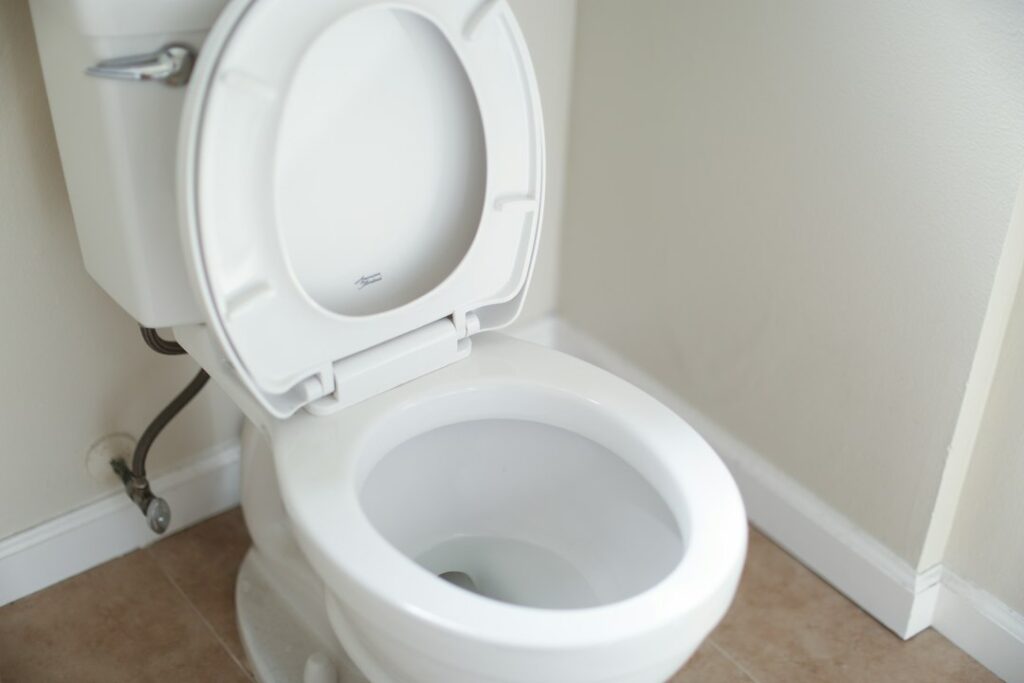
A toilet usually gurgles because air is being pulled or pushed through the water in its trap, and the three most common reasons are a blocked or undersized plumbing vent, a partial clog in the toilet or branch drain, or a problem farther down in the main sewer line or septic system. If the gurgling happens only when another fixture drains, the vent or a shared drain line is the likely culprit; if several fixtures gurgle and drain slowly at once, suspect the main line first. This guide ranks the causes from most to least likely, explains what a homeowner can safely check, and shows where the line falls between a weekend fix and a call to a licensed plumber.
Part of our Plumbing & Water guide — start there for the full picture →
A gurgle on its own is a warning, not an emergency. It becomes urgent when it comes with sewage odor, water backing up into a tub or floor drain, or a toilet bowl that rises toward the rim. Those signs mean waste water has nowhere to go, and continuing to run water can push sewage into the living space. The information below reflects general guidance as of 2026; local plumbing code and your plumber’s findings on site take priority.
Plumbing problem? Talk to a local plumber now.
📞 Call (877) 637-1527How a Toilet Is Supposed to Work (and Why Air Makes Noise)
Every toilet has a built-in trap, the curved passage molded into the porcelain that you can see as the standing water in the bowl. That water forms a seal that keeps sewer gas from rising into the bathroom. When you flush, a slug of water and waste moves down the drain. As that slug travels, it pushes air ahead of it and leaves a pocket of low pressure behind it.
The plumbing vent system exists to balance those pressure swings. Vent pipes connect to the drain lines inside the walls and run up through the roof, letting outside air enter the drain system so moving water does not have to pull air from anywhere else. When the vent works, drains flow smoothly and quietly. When the vent is blocked or the drain is partly obstructed, the system grabs air from the easiest available opening, which is often the toilet trap. That air bubbles up through the bowl water, and you hear it as a gurgle or a glug.
The ASHI Standard of Practice lists “interior drain, waste, and vent systems, including fixtures” among the plumbing components a home inspector inspects, which is why gurgling fixtures and slow drains often show up in inspection reports. Understanding that the drain, waste and vent pieces work as one system makes the causes below easier to sort out.
Quick Diagnosis: Match the Symptom to the Likely Cause
Before grabbing a plunger, spend five minutes noticing exactly when the gurgling happens. The pattern points to the cause far more reliably than the sound itself.
| What you notice | Most likely cause | First step |
|---|---|---|
| Toilet gurgles when the nearby sink, tub or washer drains | Blocked or inadequate vent, or partial clog in a shared branch drain | Check the roof vent and branch drain |
| Toilet gurgles and flushes weakly, but other fixtures are fine | Partial clog in the toilet trap or its drain | Plunge with a flange plunger, then use a closet auger |
| Several fixtures gurgle and drain slowly; lowest drain backs up | Main sewer line blockage, roots or a belly in the pipe | Stop using water; call a plumber for a sewer camera |
| Gurgling after heavy rain or snowmelt, sometimes with odor | Groundwater entering a damaged sewer line, or a saturated septic drainfield | Limit water use; have the line or septic system evaluated |
| Bowl water level drops on its own between flushes | Siphoning from a vent problem, or a crack in the trap | Check the vent; inspect the bowl for cracks |
| Gurgling only on windy days | Wind across the roof vent opening creating pressure changes | Usually harmless; a plumber can assess vent height or caps |
Use the table as a starting point, not a final verdict. Two causes can overlap, for example a partial clog that only became noticeable because a vent is also restricted.
Best Toilet Plungers: our top 3 picks
| Product | Best for | Key features | Price | Buy |
|---|---|---|---|---|
| Korky Beehive MAX 96-8A | Best overall for any bowl shape |
| $15.98as of Oct 21, 2026 2:54 pm GMT+0000 | Buy now →Check current price |
| SteadMax SM-HDP | Heavy-duty wood-handle flange |
| $16.99as of Oct 21, 2026 2:54 pm GMT+0000 | Buy now →Check current price |
| SOFINNI flange plunger | Simple no-holder flange plunger |
| $13.99as of Oct 21, 2026 2:54 pm GMT+0000 | Buy now →Check current price |


Prices are Amazon’s listed prices as of the time shown and change often; check Amazon for today’s price. As an Amazon Associate we earn from qualifying purchases.
Cause 1: A Partial Clog in the Toilet or Branch Drain
A partial clog is the most common cause of a gurgling toilet that also flushes weakly. Paper, wipes, cotton swabs, dental floss, toys or a buildup of mineral scale can narrow the passage. Water still gets through, but air trapped behind the restriction burps back into the bowl. Wipes marketed as flushable are a frequent offender. The EPA notes that household products “including some marked ‘flushable'” such as baby wipes and facial wipes can create blockages in sewer systems, and the same thing happens inside a home’s drain lines.
What to check: Flush once and watch. A bowl that rises higher than normal and drains slowly, or a swirl that seems sluggish, points to a restriction in or just past the toilet. If only that one toilet misbehaves, the clog is probably local.
Safe DIY step:
- Use a flange-style plunger, the kind with an extra rubber sleeve that fits into the toilet outlet. A flat cup plunger does not seal well on a toilet.
- Make sure there is enough water in the bowl to cover the plunger cup, then push down gently to purge air and pump firmly 10 to 15 times while keeping the seal.
- If plunging does not clear it, use a closet auger (also called a toilet auger). Its protected sleeve keeps the cable from scratching the porcelain. Feed it in, crank clockwise, and withdraw slowly.
- Test with a bucket of water poured quickly into the bowl before using the tank flush, so you do not overflow a still-clogged bowl.
Avoid caustic chemical drain cleaners in toilets. They rarely reach a clog in the trapway, can damage seals and older pipe, and make any later plumbing work hazardous for whoever has to open the line.
When to call a pro: If an auger does not clear it, if the clog keeps returning within weeks, or if the toilet rocks or leaks at the base after plunging. A rocking toilet can break the seal at the floor; our guide to the toilet wax ring explains how that seal works and what a failed one looks like.
Cause 2: A Blocked or Inadequate Plumbing Vent
If the toilet gurgles when a nearby sink, tub or washing machine drains, and the toilet itself flushes fine, the vent is the prime suspect. A roof vent can be blocked by leaves, a bird or rodent nest, a tennis ball, debris from a roofing job or, in cold climates, frost buildup at the top of the pipe. Some homes, particularly older ones or homes with remodeled bathrooms, also have vent piping that was never sized or connected correctly, or rely on an air admittance valve under a sink that has failed.
What to check:
- Run the bathroom sink or tub for a minute while listening at the toilet. Gurgling that starts with the other fixture and stops when it stops points toward venting or a shared branch drain.
- Look at the roof from the ground with binoculars. Plumbing vents are usually 1.5 to 4 inch pipes sticking up through the roof. Look for anything sitting on or in the opening.
- Check under sinks for an air admittance valve, a small plastic cap on a vertical pipe. If it is stuck closed, the fixture loses its air supply.
- Note whether you smell sewer gas in the bathroom. A vent problem can pull water out of traps and let gas in. Our guide to a sewer smell in the house covers that overlap in more depth.
Safe DIY step: If you can see a blockage at the vent opening and you are comfortable and safe on your roof, you can remove visible debris by hand. Do not climb a steep, wet, icy or high roof; on the Front Range, winter frost and afternoon storms make roof work riskier than it looks. Running a garden hose down a vent is a common internet tip, but it can push a clog deeper or flood a line that is already restricted, so it is better left to a plumber with a drain camera.
When to call a pro: For any roof work you are not equipped for, a suspected vent clog you cannot see, gurgling after a remodel, or a failed air admittance valve. A plumber can camera or snake the vent from the roof and confirm whether the vent layout is adequate for the fixtures it serves.
Cause 3: Main Sewer Line Problems
When more than one fixture gurgles, drains slow throughout the house, or water backs up into a tub, shower or basement floor drain when you flush, the problem is usually in the main building drain or the sewer lateral that runs to the street. The lowest fixtures in the house tend to show it first, which is why a basement shower or floor drain may bubble or back up when an upstairs toilet is flushed.
The EPA lists several things that cause blockages in sewer systems, including fats, oils and grease, wipes and other household products, and “tree roots entering through defects or openings in a sewer line.” Older clay and cast-iron sewer laterals are especially prone to root intrusion, cracked joints and sagging sections, called bellies, where waste settles. Leaky sewers can also let groundwater and snowmelt into the line, which may explain gurgling that is worse after storms or spring melt.
What to check:
- Run water in an upstairs tub and watch the lowest drains in the house. Backup or bubbling there means the main line is involved.
- Look for a sewer cleanout, usually a capped pipe in the basement, crawl space or outside near the foundation. Do not open it if you suspect a backup; pressure can send sewage out of the opening.
- Note any history: large trees near the sewer route, a home built before modern plastic pipe was common, or previous root clearing.
Safe DIY step: Stop using water as much as possible until the line is cleared. That includes the dishwasher and washing machine, which discharge large volumes quickly. Homeowner-rental drum augers exist, but main-line cables are powerful and can injure hands or damage pipe, so most homeowners are better served by a professional.
When to call a pro: Right away if any fixture is backing up. A plumber or drain-cleaning company can clear the line and, ideally, run a sewer camera to show whether the problem is roots, a broken section, a belly or simply a blockage. For buyers, a sewer scope during the inspection period is one of the most useful add-on inspections for older homes, since sewer lateral repairs can be costly and are usually the owner’s responsibility up to the city connection.
Cause 4: Septic System Trouble
Rural and foothill homes on the Front Range often use septic systems rather than city sewer. A full septic tank, a blocked outlet baffle or a saturated drainfield can make every fixture drain slowly and gurgle, and the symptoms often get worse after heavy water use or wet weather. Soggy ground or a sewage odor near the drainfield is a strong clue.
The EPA recommends that the average household septic system be inspected at least every three years by a septic service professional, and notes that household tanks are typically pumped every three to five years. If you cannot remember the last pumping, that alone is a reason to schedule service when gurgling starts.
Safe DIY step: Conserve water, spread out laundry loads, and keep vehicles and heavy equipment off the drainfield. Do not open septic tank lids yourself; tanks can contain dangerous gases and pose a fall-in hazard.
When to call a pro: When gurgling appears throughout the house in a septic home, schedule a septic pumping and inspection. A backup into the house is an urgent call.
Cause 5: Less Common Causes
A few other conditions can produce gurgling or bubbling in the bowl:
- Municipal sewer work or a surcharged city main. Heavy storms or utility work on the street can temporarily change pressure in the public sewer. If neighbors notice the same thing at the same time, contact your local wastewater utility.
- A cracked toilet trap. A hairline crack in the porcelain can let water drain out of the bowl slowly and may let air in. Look for a dropping water level and dampness at the base.
- Improper drain slope. A drain run with too little slope, or one that sags, can leave water standing in the pipe and trap air. This is more likely after DIY remodels.
- Wind at the roof vent. Strong gusts across a vent opening can briefly change air pressure in the system. Occasional gurgles only on windy days are usually harmless.
Gurgling should not be confused with a toilet that hisses or keeps refilling. That sound comes from the tank’s fill and flush components rather than the drain. If water keeps trickling into the bowl, see our guides on a toilet that keeps running and the toilet flush valve.
What It Typically Costs to Fix a Gurgling Toilet
Costs vary widely by cause, home age, access and local labor rates. The ranges below are typical national ballparks, not quotes, and Front Range pricing can sit at either end depending on the season and how urgent the call is.
| Repair | Typical range | Main cost drivers |
|---|---|---|
| DIY plunger or closet auger | Roughly $15 to $60 in tools | Tool quality |
| Plumber clearing a toilet or branch clog | Often a few hundred dollars | After-hours service, pulling the toilet |
| Roof vent clearing | Often a few hundred dollars | Roof pitch, height, access, camera use |
| Main line cleaning plus sewer camera | Commonly several hundred dollars | Cleanout access, root severity, line length |
| Sewer lateral spot repair or replacement | Thousands to tens of thousands | Depth, length, trenchless vs excavation, street work, permits |
| Septic pumping | Commonly several hundred dollars | Tank size, access, disposal fees |
Ask for the camera footage or a written description of what the plumber found. That record helps if you need a second opinion, and it matters if you sell the home later.
Front Range Factors Worth Knowing
Several local conditions make some causes more likely here than elsewhere:
- Freeze-thaw and frost at vents. Long cold snaps can build frost at the top of roof vents, narrowing them until the weather warms. Gurgling that appears during a deep freeze and disappears afterward fits this pattern.
- Mature trees in older neighborhoods. Established neighborhoods in Denver, Boulder, Fort Collins and Colorado Springs often have large trees near clay or cast-iron sewer laterals, which raises the odds of root intrusion.
- Expansive soils. Clay soils that swell and shrink with moisture can shift buried pipe and contribute to sags or separated joints over time.
- Septic in the foothills. Mountain and rural properties often rely on septic systems in rocky or shallow soils, so drainfield performance deserves attention during any purchase.
Prevention: Keeping Drains and Vents Quiet
- Flush only toilet paper and human waste. Put wipes, even those labeled flushable, in the trash.
- Keep grease and cooking oil out of kitchen drains; it congeals in the shared building drain.
- Use drain screens in tubs and showers to catch hair.
- Have roofers check that plumbing vents are clear and properly flashed after roof replacement, especially after hail-driven roof work.
- In older homes with trees, consider a periodic sewer camera inspection rather than waiting for a backup.
- Follow a septic pumping schedule and keep records.
- Watch the toilet base and supply connections for seepage after any clog or plunging session.
When to Call a Plumber or Book an Inspection
Call a licensed plumber promptly if you see any of the following:
- Sewage or dirty water backing up into a tub, shower or floor drain
- Several fixtures gurgling and draining slowly at the same time
- Persistent sewer gas odor inside the house
- A clog that returns repeatedly after plunging or augering
- Gurgling that started after a remodel or roof replacement
If you are buying a home and notice gurgling during a showing, mention it to your inspector and consider adding a sewer scope. A home inspection is a visual, non-invasive assessment; it can identify slow drains, functional flow problems and visible vent issues, but buried sewer lines usually require a camera to evaluate. To learn how plumbing evaluations fit into the hiring process, see our plumbing and water hiring guide, or contact our team to arrange a Front Range inspection.
References
- ASHI Standard of Practice for Home Inspection — American Society of Home Inspectors
- Sanitary Sewer Overflow Frequent Questions — U.S. Environmental Protection Agency
- How to Care for Your Septic System — U.S. Environmental Protection Agency
Frequently asked questions
Is a gurgling toilet an emergency?
Not usually on its own. It becomes urgent if water or sewage backs up into tubs, showers or floor drains, if several fixtures drain slowly at once, or if the bowl rises toward the rim. In those cases, stop using water and call a plumber.
Why does my toilet gurgle when the shower or sink drains?
That pattern usually means the drain system is short on air, either from a blocked or inadequate vent or a partial clog in a shared branch drain. The draining fixture pulls air through the toilet trap, which you hear as a gurgle.
Can a clogged roof vent cause a toilet to gurgle?
Yes. Plumbing vents let air into the drain lines so water can flow smoothly. When a vent is blocked by debris, a nest or frost, drains pull air through fixture traps instead, causing gurgling and sometimes sewer odor.
Will drain cleaner fix a gurgling toilet?
Chemical drain cleaners are not recommended for toilets. They rarely reach a clog in the trapway and can damage seals and older pipe. A flange plunger or closet auger is the safer first step, followed by a plumber if the problem persists.
Should a home buyer worry about a gurgling toilet?
It is worth investigating. Gurgling can be a simple clog, but it can also signal a vent defect or a damaged sewer lateral. Ask your inspector about it and consider a sewer camera inspection, especially in older homes with mature trees.
Hearing gurgling drains in a home you own or are about to buy? Get in touch with our team to arrange a Front Range inspection.