Toilet Flange: Broken, Low or Rotted Flanges and Fixes
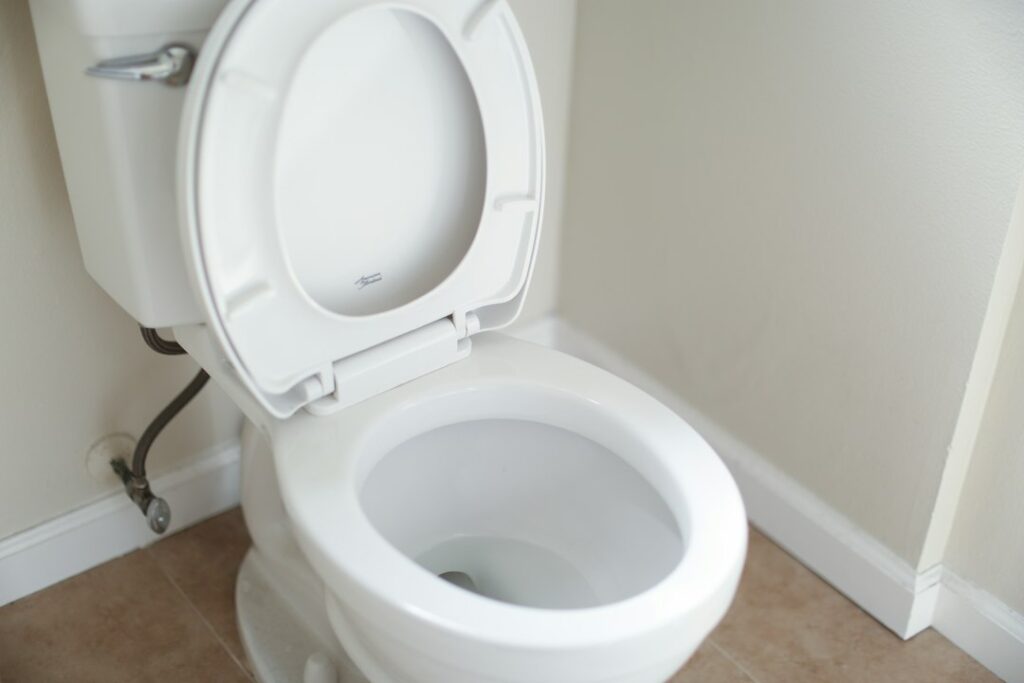
The toilet flange is a small fitting that most homeowners never see unless a toilet has been pulled. It sits at the top of the drain pipe, flush with or slightly above the finished floor, and it does two jobs at once: it connects the toilet outlet to the drain line and it gives the closet bolts something solid to grip, so the toilet stays anchored to the floor. When a flange cracks, sits too low, works loose or loses its support because the subfloor around it has rotted, the result is usually a toilet that rocks, a wax seal that fails and water or sewer gas escaping where it should not. This guide explains what the flange does, the materials used, common failures and repair options, the warning signs to watch for, what a home inspector looks at and hedged cost ranges for Front Range homeowners.
Part of our Plumbing & Water guide — start there for the full picture →
What a Toilet Flange Does
A toilet does not screw directly into the drain pipe. Instead, the china base has an outlet horn on its underside that drops into the open top of the flange. A wax ring or a wax-free foam or rubber seal sits between the horn and the flange, compressing as the toilet is set to form a watertight and gas-tight seal. Two closet bolts, sometimes called johnny bolts, slide into slots in the flange ring and pass up through holes in the toilet base, where nuts and washers clamp the toilet down.
That arrangement means the flange carries both the seal and the mechanical load. Every time someone sits on the toilet, shifts their weight or leans on the tank, the force passes through the base into the closet bolts and the flange. A flange that is screwed firmly to a sound subfloor handles that load for decades. A flange that is cracked, loose or attached to soft wood transfers the movement into the wax seal, and wax does not rebound once it has been compressed and distorted. Even small, repeated movement can break the seal over time.
Where the Flange Sits Relative to the Floor
Many manufacturers and installers prefer the top of the flange to sit on top of the finished floor, or very close to it, so the wax seal compresses correctly. A flange that is recessed well below the finished floor leaves a gap the standard seal may not bridge. A flange that sits too high can hold the toilet up off the floor, so it rocks on the flange instead of resting on its base.
Toilet Flange Materials
The flange material usually matches the drain piping it connects to, which in turn reflects when the home was built or last remodeled.
- PVC and ABS plastic: common in newer homes and remodels. These flanges are solvent-welded to plastic drain pipe, either inside the pipe or over the outside of it. Many plastic flanges have a stainless steel or galvanized ring around the plastic hub to add strength at the bolt slots.
- Cast iron: found in many older homes with cast iron soil stacks and closet bends. Cast iron flanges may be caulked with lead and oakum or connected with other methods. They are heavy and strong but can rust, crack or corrode at the bolt slots over many decades.
- Steel-ring plastic flanges: a hybrid that combines a plastic hub with a metal ring, often chosen because the metal ring resists breaking at the bolt slots better than all-plastic designs.
Identifying the material matters because the repair method depends on it. A broken plastic flange glued inside a pipe might be cut out and replaced, while a broken cast iron flange is often repaired with a bolt-down ring rather than disturbing the old joint.
Broken Flange Ears and Repair Rings
The most common flange failure is a broken bolt slot, sometimes called a broken ear. Overtightening the closet bolt nuts, a rocking toilet that has been pried against the bolts for years, or corrosion on a metal ring can all crack the edge of the flange where the bolt sits. Once that happens, the bolt pulls loose and the toilet can no longer be held tight to the floor.
Repair Options
- Repair ring or spanner flange: a metal or reinforced ring that sits over or under the damaged flange and screws into the subfloor, providing new bolt slots without removing the old fitting. These are widely used on cast iron and plastic flanges where the hub itself is intact.
- Repair strap or bracket: a half-moon or short metal bracket that replaces one broken bolt slot. These are inexpensive and suit cases where only one side has failed.
- Internal replacement flange: a flange that slides into the existing drain pipe and seals with a compression gasket, used when the old flange is badly damaged but cutting into the floor is undesirable.
- Full replacement: cutting out the old flange and installing a new one. This is often the cleanest solution for plastic piping where there is enough pipe to work with, and it may be the only good option when the hub is cracked or the flange sits far out of position.
Whatever repair is used, the new bolt slots need to line up with the toilet’s bolt holes, and the repair piece has to be fastened into solid material. A repair ring screwed into rotted subfloor fails just as quickly as the original flange.
Flange Too Low After New Tile or Flooring
A low flange is a frequent side effect of new flooring. When tile, a backer board layer or thick luxury vinyl is installed on top of the old floor without raising the flange, the top of the flange can end up below the new finished surface. The toilet then sits higher relative to the flange, and a standard wax ring may not compress enough to seal.
Ways to Correct a Low Flange
- Flange spacers or extenders: plastic rings stacked on top of the existing flange and sealed with a gasket or sealant, raising the bolt surface to the new floor height. Kits are sold in various thicknesses.
- Extra-thick wax rings: thicker rings, often with a plastic horn, intended to fill a modest gap. Some plumbers avoid stacking two standard wax rings because the joint between them can shift.
- Wax-free foam or rubber seals: some of these products are designed to accommodate a range of flange heights and can be repositioned if the toilet must be reset.
- Raising or replacing the flange: on plastic piping with access from below, a new flange set at the correct height is often the most durable fix.
The planning lesson for remodels is simple: the flange height should be addressed during the flooring project, not after the toilet is back in place. Our guide to tile installation covers how backer board and tile thickness change floor heights, and our toilet installation guide walks through setting the bowl once the flange is right.
Rotted Subfloor Around the Flange
A slow leak at a toilet base is easy to miss because the water runs down around the flange and into the subfloor rather than spreading across the bathroom floor. Over months or years, plywood or oriented strand board around the drain opening can soften, delaminate and rot. Once the wood loses strength, the flange screws pull out, the toilet begins to rock, and the rocking breaks the seal further, so the leak and the rot feed each other.
Signs of subfloor damage around a toilet include a floor that feels spongy near the base, cracked or loose tiles around the toilet, staining on the ceiling below a second-floor bathroom, and a musty odor. When the toilet is pulled, the wood around the drain hole may be dark, crumbling or easy to push a screwdriver into.
Repairs range from screwing a repair ring into solid wood beyond the damaged zone to cutting out and replacing a section of subfloor, sistering joists if they are also damaged. Our guides to subfloor repair and wood rot repair explain how far the damage typically extends and what a proper repair looks like.
Moisture damage can also lead to mold growth in the hidden cavity below the toilet. The U.S. Environmental Protection Agency’s brief guide to mold and moisture says it is important to dry water-damaged areas and items within 24 to 48 hours to prevent mold growth, and it lists areas inside walls around leaking or condensing pipes among the places hidden mold can grow. A leak that has been going on for months is well past that window, so the cavity is worth examining once the floor is open.
Signs of a Failing Toilet Flange
Flange problems rarely announce themselves directly. Instead, they show up as symptoms at the toilet:
- Rocking: a toilet that shifts when someone sits down or leans sideways. Tightening the bolts may help briefly, but if the flange or floor is damaged, the movement returns and the extra torque can crack the china or the flange.
- Water at the base: water appearing around the toilet after flushing, especially if it is not condensation from the tank. Our guide to a toilet leaking at the base explains how to separate a failed seal from a tank or supply leak.
- Sewer odor: a failed seal can let sewer gas into the bathroom even when no water is visible. A persistent smell that seems strongest near the toilet is a common clue; our guide to a sewer smell in the house covers other sources, such as dry traps and venting problems.
- Ceiling stains below: brown rings or bubbling paint on the ceiling under an upstairs bathroom.
- Loose or spinning bolts: closet bolts that turn freely without tightening often mean the bolt has slipped out of a broken slot.
Some of these signs overlap with other toilet problems. A toilet that runs constantly or refills on its own points to the tank, not the flange, and our guide to toilet tank repair covers flappers, fill valves and tank bolts.
Securing the Flange to the Floor
A flange should be fastened to the subfloor with corrosion-resistant screws through all of its screw holes, not just two. On a wood subfloor, stainless or coated screws long enough to bite into sound wood are typical. On a concrete slab, which is common in Front Range basements and slab-on-grade homes, flanges are fastened with masonry anchors or concrete screws, and the flange may be set into a recess in the slab.
A few practical points help a flange last:
- Orient the bolt slots so the closet bolts land parallel to the wall behind the toilet.
- Use plastic or metal shims under the toilet base if the floor is uneven, rather than relying on bolt tension to pull a rocking toilet down.
- Tighten closet bolt nuts gradually and alternately, stopping when the toilet is firm; overtightening is a common cause of cracked bases and broken flanges.
Cast Iron Stacks and Older Drain Lines
Homes with original cast iron drains present special considerations. The flange may be joined to a cast iron closet bend that has been in place for 50 years or more. Corrosion can thin the bend or the flange, and attempting to pry out an old lead-and-oakum flange can crack the pipe below. Plumbers often choose repair rings or internal flanges in these homes specifically to avoid disturbing an aging joint.
A flange that keeps failing can also be a clue to a larger drain problem. Recurring backups, slow drainage at multiple fixtures or a toilet that gurgles when other fixtures drain may point to a partial blockage, a sagging line or root intrusion in the building sewer. Our guide to a clogged toilet covers fixture-level clogs, and a sewer scope inspection uses a camera to view the line from the home to the street, which is especially useful in older homes with cast iron or clay piping.
What a Home Inspector Checks
A home inspector cannot see a toilet flange without removing the toilet, which falls outside a standard inspection. The American Society of Home Inspectors (ASHI) Standard of Practice calls for inspectors to inspect interior drain, waste and vent systems, including fixtures, and to describe the piping materials. In practice, an inspector looking at a toilet commonly:
- Checks whether the toilet is firmly secured or rocks when gentle pressure is applied.
- Flushes the toilet and watches for water at the base.
- Probes or presses on the floor around the base for softness.
- Looks for stained or cracked flooring and caulk.
- Checks ceilings below upstairs bathrooms for staining.
Findings such as a loose toilet or soft floor are usually reported as conditions that warrant evaluation and repair by a plumber, because the true extent of damage is only visible once the toilet is pulled.
Water Use and Old Toilets
Flange repairs are often a natural moment to consider whether the toilet itself should be replaced. EPA’s WaterSense program notes that toilets are by far the main source of water use in the home, accounting for nearly 30 percent of an average home’s indoor water consumption, and that older, inefficient toilets can use as much as 6 gallons per flush. If the toilet must come off for a flange repair anyway, replacing an old fixture at the same time can avoid paying for a second removal later.
Toilet Flange Repair Costs
Costs vary widely with the cause of the failure, the drain material and how much floor damage is found. These are rough planning figures, not quotes:
- Repair ring or strap: the part itself is commonly inexpensive, often under about $30.
- Plumber visit to pull the toilet, install a repair ring and reset with a new seal: commonly a few hundred dollars, depending on the market and call-out fees.
- Full flange replacement on plastic pipe: often in a similar range or somewhat higher if access is difficult.
- Cast iron flange work: can cost more because of the extra labor and care needed with older pipe.
- Subfloor replacement around the toilet: commonly several hundred dollars to over a thousand once flooring removal, wood repair and new tile or vinyl are included.
The cheapest scenario is catching a loose toilet early, before the seal fails and water reaches the subfloor. A bathroom with a long-running leak can turn a small flange repair into a partial floor replacement. If a remodel is on the horizon, our guide to bathroom remodel cost puts flooring and toilet work in context.
Toilet Flanges in Front Range Home Purchases
For buyers, a rocking toilet or a soft spot beside the base is a small finding that can hide a larger repair. Front Range housing stock includes older homes with cast iron drains in established neighborhoods and newer homes with plastic piping, so the likely repair approach varies from one property to the next. For help choosing an inspector and knowing what to ask about plumbing, see our guide to hiring a home inspector and the plumbing and water hub.
References
- A Brief Guide to Mold, Moisture and Your Home — U.S. Environmental Protection Agency
- Residential Toilets — U.S. EPA WaterSense
- ASHI Standard of Practice for Home Inspections — American Society of Home Inspectors
Frequently asked questions
How do I know if my toilet flange is broken?
Common signs are a toilet that rocks even after the bolts are snugged, closet bolts that spin without tightening, water at the base after flushing and a sewer smell near the toilet. Confirming a broken flange usually requires pulling the toilet to look at the bolt slots and hub.
Can a broken toilet flange be repaired without replacing it?
Often, yes. Repair rings and repair straps install over or under the existing flange and screw into the subfloor to provide new bolt slots. They work when the hub is intact and the wood around it is solid.
What should I do if my toilet flange is below the new tile?
Options include flange spacer kits that raise the bolt surface, extra-thick wax rings or wax-free seals designed for a range of heights, or replacing the flange at the correct height. The best choice depends on how far below the finished floor the flange sits.
Should a toilet flange sit on top of the finished floor?
Many manufacturers and installers prefer the flange to sit on or very close to the finished floor so the seal compresses correctly. Check the toilet manufacturer's instructions for the specific fixture and seal.
How much does it cost to fix a toilet flange?
A simple repair ring and reset by a plumber commonly costs a few hundred dollars. Costs rise when the flange is cast iron, must be fully replaced or when rotted subfloor around the drain needs repair.
Buying a Front Range home with a toilet that wobbles or a soft spot by the base? Reach out through our contact page and we can help connect you with an inspector who checks bathroom floors and plumbing before you close.