Bathroom Remodel Cost: Budget Tiers, Hidden Damage and Permits
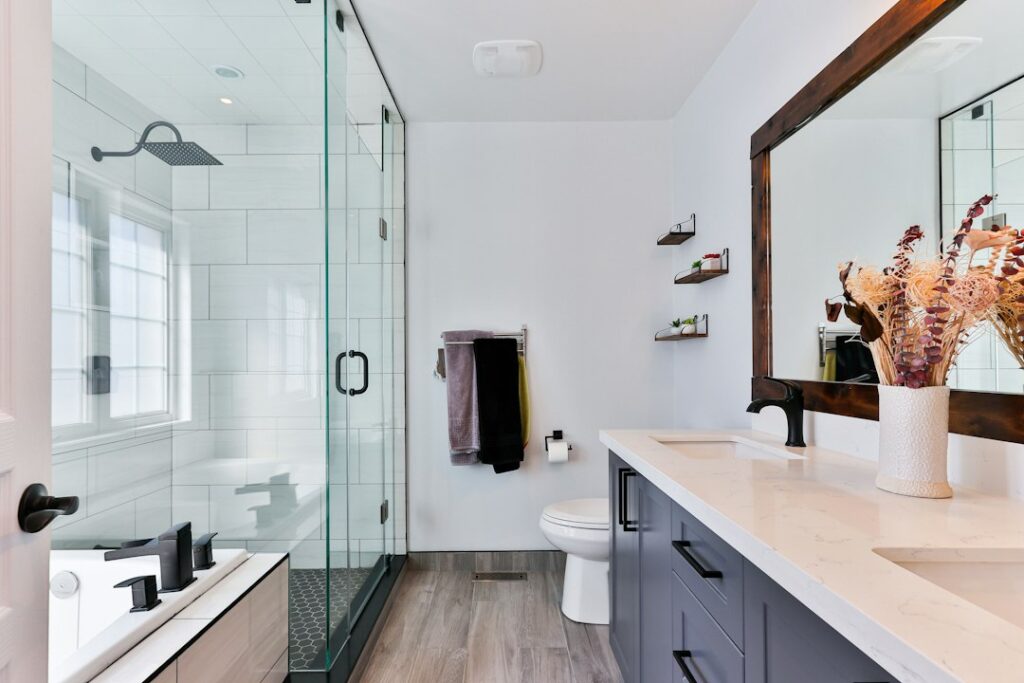
A bathroom is the smallest room in most houses, yet it packs plumbing, electrical, ventilation, waterproofing and finish carpentry into a few dozen square feet. That density is why the bathroom remodel cost on a contractor’s bid so often surprises homeowners. A cosmetic update can stay modest, while a full gut with a relocated shower can rival the price of a used car. And the number on the first estimate is rarely the final number, because bathrooms are where years of slow leaks hide under tile and behind drywall. This guide walks through three broad budget tiers, the decisions that push price up or down, the hidden damage that commonly turns up once demolition starts, the lead and asbestos rules that apply in older homes, and how permits fit in. All figures are general 2026 ranges that vary widely by region, home age, finish level and contractor, so treat them as a way to sanity-check bids rather than as quotes.
Part of our Structure & Exterior guide — start there for the full picture →
Typical Bathroom Remodel Cost by Budget Tier
Most bathroom projects fall into one of three tiers. The boundaries blur, and two contractors can describe the same scope differently, but the tiers help frame a conversation before anyone measures the room.
Refresh or Cosmetic Update
A refresh keeps the layout, plumbing locations and usually the tub or shower enclosure. Typical work includes paint, a new vanity top or faucet, a replacement toilet, updated lighting, new mirrors and hardware, and perhaps regrouting or recaulking existing tile. For a typical hall bathroom, a professionally done refresh often lands somewhere in the range of a few thousand dollars up to roughly $8,000 to $10,000, depending on how many items are replaced and the quality of fixtures chosen. Homeowners who do the painting and hardware themselves can sometimes stay well below that.
Mid-Range Remodel
A mid-range remodel usually means new flooring, a new tub or shower surround, a new vanity and countertop, new fixtures, updated lighting and a properly ducted exhaust fan, while keeping the toilet, tub and sink drains roughly where they are. Many mid-range hall or secondary bathrooms fall somewhere around $12,000 to $30,000, with primary bathrooms often running higher because they are larger and tend to get double vanities and bigger showers. Tile choices and the amount of tiled wall area move this tier more than almost anything else.
Full Gut or Primary Suite Remodel
A full gut strips the room to studs and subfloor. Fixtures may move, walls may come down, and the shower is often rebuilt from the framing up with a new waterproofing system. Curbless showers, heated floors, freestanding tubs, custom vanities and stone counters are common at this level. Full gut remodels commonly start in the $30,000 range and can run well past $60,000 or $80,000 for large primary suites with premium finishes. In mountain and resort communities west of the Front Range, labor availability and material delivery can push numbers higher still.
These tiers describe scope, not quality. A well-run mid-range remodel with careful waterproofing will usually outlast a high-end remodel built over a rotted subfloor.
What Drives Bathroom Remodel Cost Up or Down
Once the tier is set, a handful of decisions explain most of the spread between bids. Knowing them makes it easier to see where a contractor has padded an estimate and where a low bid has quietly left something out.
Layout Changes and Plumbing Moves
Keeping the toilet, sink and shower drains in their existing locations is the single biggest cost saver. Moving a toilet even a couple of feet can mean cutting joists or rerouting a large drain line, which adds plumbing labor, framing repairs and sometimes an engineer’s input if structural members are affected. Moving a shower to an exterior wall in a cold climate also raises questions about frozen supply lines. On a slab foundation, which is common in some Front Range subdivisions, relocating drains can require cutting and patching concrete. Any layout change also tends to trigger a plumbing permit and inspection.
Tile, Waterproofing and Shower Construction
Tile is priced twice: once for the material and again, usually at a higher cost, for installation. Large-format porcelain, small mosaics, herringbone patterns and floor-to-ceiling wall tile all add labor. Behind the tile, the waterproofing method matters as much as the finish. A shower built with a modern sheet or liquid-applied membrane system tends to cost more up front than an older mortar-bed approach, but the materials are designed to keep water out of the wall cavity. Prefabricated acrylic or fiberglass shower bases and wall panels cost less and install faster, at the expense of design flexibility. If the existing shower has a history of problems, our guide to shower pan leaks explains how failed pans are diagnosed and why they often show up as stains on the ceiling below.
Homeowners weighing a tub replacement should also compare the cost of a tub to shower conversion, which shifts budget from the tub itself into the shower base, glass and waterproofing.
Fixtures, Vanities and Countertops
Fixture pricing has a wide range. A basic toilet, faucet and shower valve set may cost a few hundred dollars combined, while designer thermostatic valves, wall-hung toilets with in-wall carriers, and multiple shower heads can run into the thousands before labor. Stock vanities with integrated tops are the budget choice. Semi-custom or custom cabinetry with quartz or natural stone tops raises costs and lead times. Wall-hung toilets and vanities also need blocking or carriers in the wall, which is easy to add during a gut and expensive to add later.
Ventilation and Electrical
Many older bathrooms either lack an exhaust fan or have one that vents into the attic rather than outdoors. Moisture that stays in the room feeds mildew on grout and paint, and moisture dumped into an attic can lead to frost, staining and mold on roof sheathing during Colorado winters. A properly sized fan ducted to the exterior is a modest line item that protects the rest of the investment. Our bathroom exhaust fan guide covers sizing, ducting and common installation mistakes. ENERGY STAR notes that certified ventilation fans use about 48 percent less energy than standard models and that adequate ventilation helps control moisture.
Electrical upgrades are another frequent add. Older bathrooms may lack ground-fault protected outlets, have a single shared circuit for lights and fan, or have no capacity for a heated floor or towel warmer. Each new circuit adds electrician time and may require panel space the house does not have.
Access, Size and Labor Market
A second-floor bathroom with tight stairs, a home with limited parking for a dumpster, or a condo building with elevator reservations and work-hour limits all add time. Labor rates along the Front Range vary between metro Denver, Colorado Springs, Fort Collins and outlying towns, and skilled tile setters in particular can be booked months out during busy seasons.
Hidden Damage Often Found When Walls and Floors Open
Experienced remodelers usually build a contingency of roughly 10 to 20 percent into a bathroom budget, and older homes often justify the higher end of that range. The reason is simple: bathrooms are wet rooms, and water damage tends to stay out of sight until the tile comes off.
Rotted Subfloor and Framing
A toilet with a failed wax ring, a tub with a cracked overflow gasket, or years of water splashing past a shower curtain can slowly rot the plywood or plank subfloor. Signs before demolition include a soft or springy floor near the toilet, cracked floor tile, rocking toilets and staining on the ceiling below. Once the floor is open, contractors sometimes find that joists have also been notched excessively by earlier plumbers or weakened by decay. Replacing a section of subfloor may be a few hundred dollars; sistering or replacing joists adds more. Our subfloor repair guide explains what is involved.
Failed Shower Pans and Wet Wall Cavities
Shower pans in older homes were often built with liners that can crack, slip or corrode over decades. Water that gets past the liner soaks into the mortar bed and framing, sometimes for years. When the tile comes off, remodelers may find rotted bottom plates, soaked insulation in exterior walls and corroded fasteners. Repairs range from replacing a few studs to rebuilding a corner of the wall. Grout and caulk joints that have been neglected also let water in, which is why tile that looks fine on the surface can sit over a saturated backer board.
Mold
Wet framing and drywall are an invitation for mold. The EPA’s guidance on mold and moisture stresses that the key to mold control is moisture control, that hidden mold can grow on the back side of drywall and inside walls around leaking pipes, and that removing materials can release spores. If a remodeler uncovers growth, the EPA recommends cleaning it up and fixing the water problem, because cleanup alone without fixing the source usually means the mold returns. Larger areas may call for professional remediation, which adds cost and time to the schedule.
Outdated Plumbing and Wiring
Opening walls in older homes can reveal galvanized steel supply lines with restricted flow, cast iron drains with cracks, or ungrounded wiring with brittle insulation. Many contractors recommend replacing these while the walls are open, since doing so later means tearing out new tile. That recommendation is usually sound, but it should be priced as a change order with clear line items rather than folded vaguely into an inflated total.
Lead and Asbestos in Older Bathrooms
Homes built before 1978 deserve an extra step before demolition. According to the EPA, roughly three-quarters of U.S. homes built before 1978 still contain some lead-based paint, and any renovation that disturbs painted surfaces in those homes can create dangerous lead dust. The EPA’s Renovation, Repair and Painting (RRP) Rule requires that anyone paid to disturb painted surfaces in pre-1978 homes be certified and that workers be trained in lead-safe work practices. The rule generally does not apply to homeowners working on their own homes, though it does apply to landlords and house flippers. Bathroom trim, window sills, doors and old painted plaster are common places to find lead paint.
Asbestos is the other legacy material worth considering. The EPA states that you generally cannot tell whether a material contains asbestos by looking at it, and it suggests having a home inspected by a trained and accredited asbestos professional if you are planning to remodel. In older bathrooms, sheet vinyl flooring, floor tile and its adhesive, some joint compounds and textured ceilings are typical suspects. Testing before demolition costs far less than stopping a project midstream, and abatement, if needed, is a separate line item that belongs in the budget from the start.
Permits, Inspections and Timelines
Permit requirements vary by city and county, so the specific rules in Denver, Aurora, Lakewood, Boulder, Colorado Springs or unincorporated Jefferson and El Paso counties are worth confirming with the local building department. As a general pattern, cosmetic work such as painting, replacing a faucet or swapping a vanity in place often does not need a permit, while moving plumbing, adding circuits, altering framing or relocating walls usually does. Permit fees themselves are often a small share of the total, but the inspections that come with them, such as rough plumbing, rough electrical and sometimes a shower pan test, add scheduling steps.
Unpermitted work can create problems later. Buyers’ inspectors may notice signs of recent remodeling, and appraisers or insurers sometimes ask about permits for major alterations. Retroactive permits can require opening finished walls for inspection.
Timelines follow scope. A refresh may take a week or two. A mid-range remodel often runs three to six weeks once work starts, and a full gut can take two months or longer, especially when custom glass, cabinetry or tile is on order or when hidden damage adds a round of repairs and reinspection.
Return on Investment and Resale Considerations
Industry cost-versus-value surveys have historically suggested that bathroom remodels recover only part of their cost at resale, with modest mid-range projects tending to recoup a larger share than upscale ones. Those figures are national averages and vary by market, so they are best read as a reminder that a remodel is mostly for the people living in the house. A bathroom that looks dated can still drag on a listing, and a clean, functional, leak-free bathroom tends to help buyers feel confident. Very personal design choices, such as bold tile or the removal of the only bathtub in the home, may appeal to fewer buyers.
The less visible work, including waterproofing, ventilation, a sound subfloor and permitted plumbing and electrical, is what keeps a remodel from becoming a future inspection finding.
How to Plan and Compare Bathroom Remodel Bids
A few habits help keep the budget honest:
- Define the scope in writing. List every fixture, finish and layout change before collecting bids so contractors price the same project.
- Ask how the shower will be waterproofed. A clear answer naming the membrane or system, and how the pan will be tested, is a good sign.
- Confirm the fan vents outdoors. Ask where the duct terminates and what size fan is proposed.
- Get a contingency in writing. Agree on how hidden damage will be documented, priced and approved before the extra work proceeds.
- Ask about lead and asbestos. For pre-1978 homes, confirm RRP certification and whether suspect materials will be tested.
- Clarify who pulls permits. The contractor usually should, and the permit should be closed out with final inspection.
- Compare line items, not totals. A low total that omits demolition, disposal or tile labor is not truly lower.
Buyers looking at a home with a recently remodeled bathroom should keep in mind that a standard home inspection is visual. The ASHI Standard of Practice calls for inspectors to inspect interior plumbing fixtures, drains and bathroom exhaust systems, but not paint, wallpaper and other finish treatments, and inspectors cannot see behind new tile. Asking the seller for permits, invoices and any warranty on the shower system is reasonable. If you are still choosing someone for that inspection, our guide to hiring a qualified home inspector covers what to ask and what a standard inspection does and does not include.
References
- Lead Renovation, Repair and Painting Program — U.S. Environmental Protection Agency
- Protect Your Family from Exposures to Asbestos — U.S. Environmental Protection Agency
- A Brief Guide to Mold, Moisture and Your Home — U.S. Environmental Protection Agency
- Ventilation Fans — ENERGY STAR
- ASHI Standard of Practice for Home Inspections — American Society of Home Inspectors
Frequently asked questions
How much does a bathroom remodel cost on average?
Ranges vary widely by scope and region. A cosmetic refresh may cost a few thousand dollars up to around $10,000, a mid-range remodel often falls between roughly $12,000 and $30,000, and a full gut of a primary bathroom can run $30,000 to well over $60,000. Treat these as general 2026 ranges, not quotes.
What is the most expensive part of a bathroom remodel?
Labor usually makes up the largest share, especially tile installation and plumbing. Moving drains or the toilet, building a custom tiled shower and choosing premium fixtures or stone counters are the decisions that push totals up fastest. Hidden water damage found during demolition is the most common unplanned expense.
How much contingency should I budget for a bathroom remodel?
Many remodelers suggest holding back roughly 10 to 20 percent of the project cost for surprises. Older homes, bathrooms with a history of leaks and projects in pre-1978 houses that may need lead or asbestos precautions often justify the higher end of that range.
Do I need a permit to remodel a bathroom in Colorado?
It depends on the city or county and the scope. Cosmetic work like painting or replacing a faucet often does not need one, while moving plumbing, adding circuits or changing framing usually does. Check with your local building department before work begins.
Will a bathroom remodel increase my home's value?
It can help a home sell, but cost-versus-value surveys have historically shown that bathroom remodels recover only part of their cost at resale. Modest, durable updates tend to recoup a larger share than luxury finishes, and results vary by local market.
Buying a home with a freshly remodeled bathroom, or one that looks overdue for work? Reach out to us to be matched with a Front Range inspector who can check for moisture, ventilation and plumbing concerns before you close.