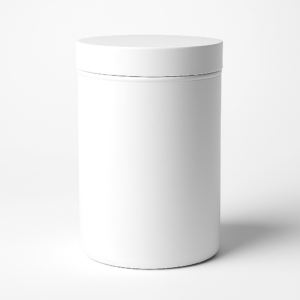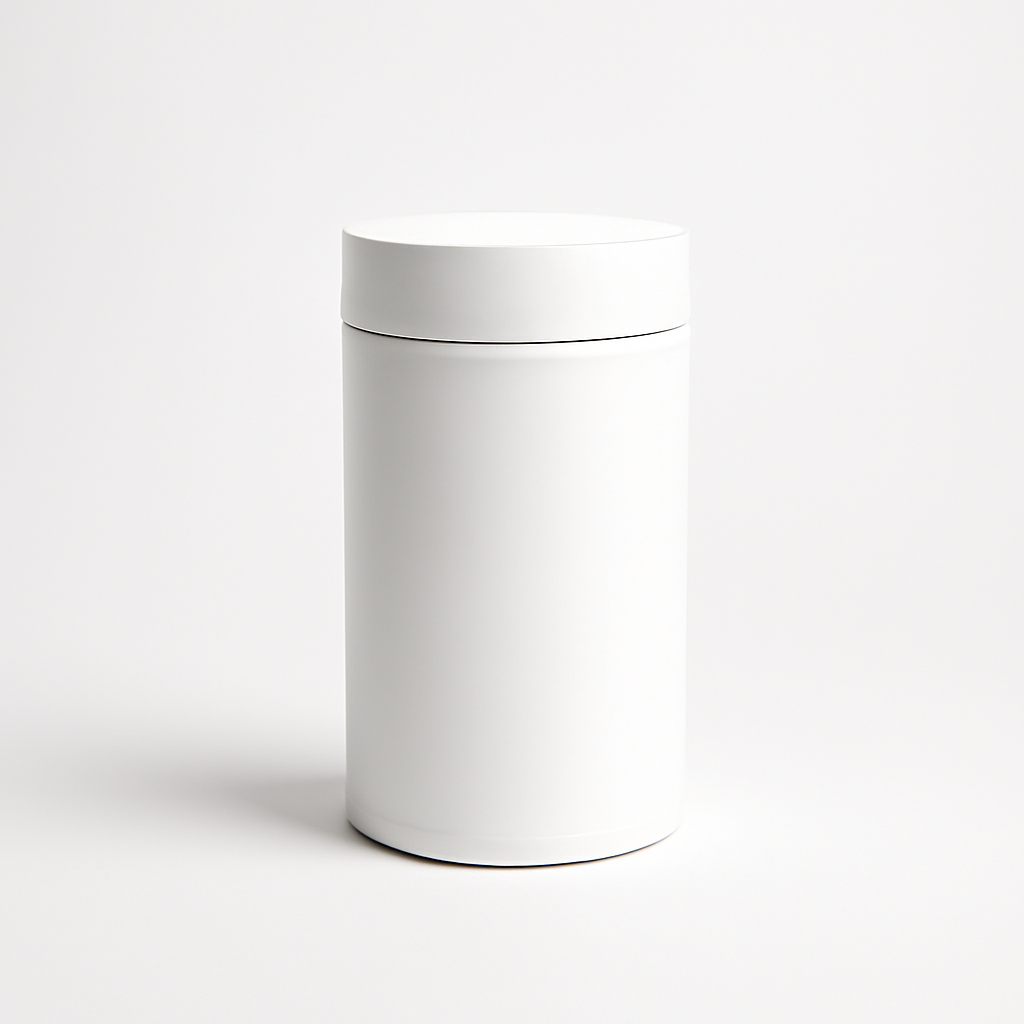
Accustar Alpha Track Long-Term Radon Test
The AccuStar Alpha Track Radon Testing Kit is a single passive alpha-track detector from AccuStar Labs, sold for measuring radon in a home over an extended period.
The AccuStar Alpha Track Radon Testing Kit is a single passive alpha-track detector from AccuStar Labs, sold for measuring radon in a home over an extended period. It is for homeowners who want a year-round average rather than a weekend snapshot — typically after a short-term test came back borderline. What sets alpha-track kits apart is duration: EPA describes them as a common choice for long-term tests lasting more than 90 days. Note that this Amazon listing itself is very sparse, so check the package details before buying.
Specifications
| Specification | Details |
|---|---|
| Test type | Alpha-track radon detector (per listing title) |
| Quantity | Single kit |
| Maker | AccuStar Labs |
| Exposure period | Not stated in listing |
| Lab fee / return postage | Not stated in listing |
| Result delivery | Not stated in listing |
| Model / size | Not stated in listing |
AccuStar Labs Alpha Track (single) — passive long-term-style radon detector; exposure period, lab fee and model not stated in the listing
How It Compares
A Single Alpha-Track Kit Among Mostly Short-Term Charcoal Tests
The 15 similar listings include four that are not mail-in air tests: a Tap Score radon-in-water kit and three electronic radon monitors. Of the 11 mail-in air kits left, four besides this one describe alpha-track detection: two PRO-LAB long-term kits, an RSSI long-term kit and AccuStar’s own two-pack sold as the AT 100. The rest are short-term kits from First Alert, empowerDX, Leaping Lynx, LABPRO and PRO-LAB.
Those other alpha-track listings give the detail this one lacks. The AccuStar AT 100 two-pack describes a diffusion-based track detector with a built-in filter, exposure from 91 days to 12 months, and no need for closed-house conditions. The RSSI kit lists test periods from one month to a year with analysis and prepaid return postage included. One PRO-LAB long-term listing names a 3-to-12-month window with a separate per-detector lab fee, while the other says the lab fee and a prepaid return envelope are included.
This single-kit listing does not confirm that it is the same AT 100 detector, and it states nothing about exposure time, lab fees, return shipping or how results arrive. Its only clear advantage over the two-pack is quantity: one detector for one test location.
Who It’s For — and Who Should Skip It
It suits a homeowner who already ran a short-term screen and wants a long-term average to decide on mitigation, or who simply wants to measure across a full Colorado heating season. A single detector fits a home with one lowest lived-in level to check.
Skip it if results are needed within days — a charcoal kit or a continuous monitor is faster. Skip it too if a clear statement of lab fees and turnaround matters; the RSSI and PRO-LAB long-term listings spell those out. For a home sale, a professional measurement is the usual route.
Using It at Home
EPA’s Citizen’s Guide to Radon notes that long-term tests remain in the home for more than 90 days and are more likely to reflect the year-round average than a short-term test. Practical steps:
- Read the included instructions first for the required exposure period and how to register and return the detector.
- Place it on the lowest lived-in level — often a finished basement on the Front Range — in a regularly used room, not a kitchen or bathroom.
- Keep it at least 20 inches above the floor, away from drafts, heat, humidity and exterior walls, and leave it undisturbed.
- Write down the exact start and end dates; the lab needs them.
Starting in fall lets the test span the closed-up winter months, when Colorado radon readings tend to run higher. If the long-term average comes back at or above 4 pCi/L, EPA recommends fixing the home. To plan mitigation or confirm the number, contact us.
Pros
- Alpha-track method suited to long-term averages
- Passive detector with no power or electronics
- Single kit for a one-location test
Cons
- Listing omits exposure period and model
- Lab fee and return postage terms not stated
- Results take months by design
Related Guides
- Long-term radon testing
- Best long-term radon test kit
- How long a radon test takes
- What counts as long-term radon exposure
As an Amazon Associate we earn from qualifying purchases. Product details come from the current Amazon listing; we have not lab-tested this unit, and prices and availability change.
Prices change often — check the live price on Amazon. As an Amazon Associate we earn from qualifying purchases.