Why Is My Gas Bill So High? Causes and Fixes to Check
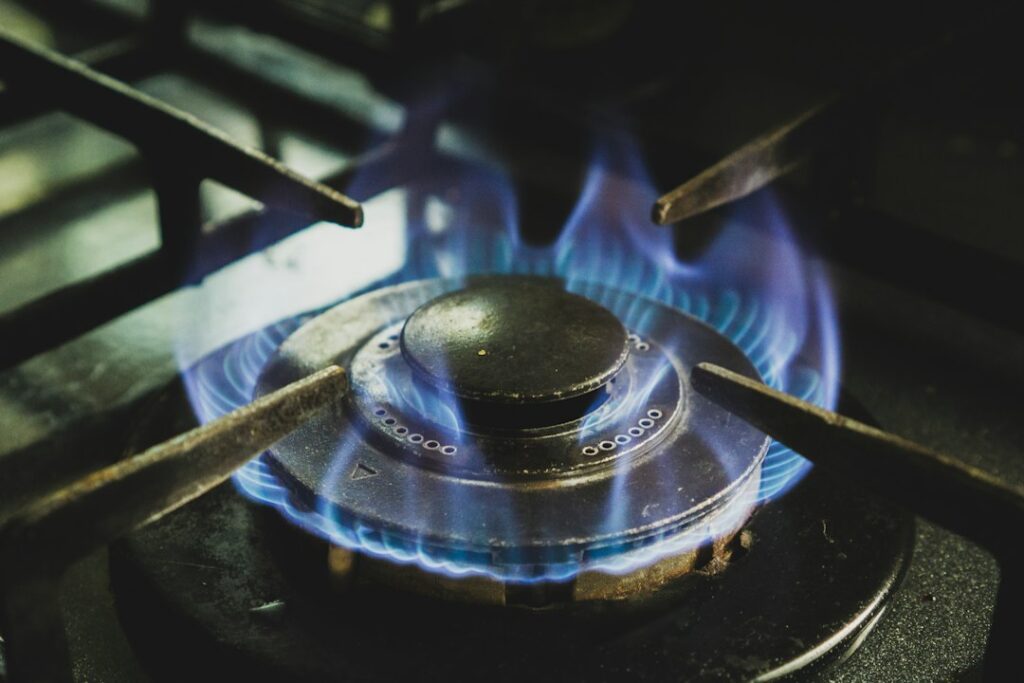
A high gas bill almost always comes down to colder weather making the furnace run longer or a higher price per therm from rate changes and wholesale gas cost adjustments. Compare the therms (or hundred cubic feet, CCF) on this bill with the same month last year before anything else: if therms per day are similar, the price moved; if therms went up, the house is burning more gas and the cause is usually the furnace, the water heater, air leaks or thermostat habits.
Part of our Heating, Cooling & Ventilation guide — start there for the full picture →
This guide walks through how to read the bill, a ranked checklist of the most common causes with safe do-it-yourself checks, the point where an HVAC contractor or plumber should take over, and how to keep winter bills in check. It reflects general guidance as of 2026; your gas utility’s tariff and your equipment manuals take priority. One safety rule comes first: if you smell gas (a rotten-egg or sulfur odor), do not look for the cause. Leave the house, avoid switches and flames, and call your gas utility or 911 from outside.
Read the Bill First: Therms, Days and Rate Lines
Gas bills mix usage with several price components, so the dollar total can rise for reasons that have nothing to do with your house.
- Usage in therms or CCF. This is what the meter recorded. Many utilities convert CCF to therms using a heat content factor, and in Colorado that factor reflects altitude, so the conversion on your bill is normal.
- Days in the billing period. Divide usage by days to get therms per day. That number is what you compare month to month and year to year.
- Same month last year. Most bills or online accounts show a 13-month history. Compare January to January.
- Actual or estimated read. A low estimate last month followed by an actual read this month can make one bill look like a spike.
- Gas cost adjustment. Utilities pass wholesale natural gas costs through to customers, usually as a separate per-therm line that can change monthly or quarterly. When regional prices rise, this line rises with them even if your usage is flat.
- Fixed charges and riders. Customer charges, pipeline safety riders and other fees appear as separate lines and can change after a rate case.
| What changed | Likely explanation | First check |
|---|---|---|
| Therms up, price flat | Colder weather, furnace or water heater working harder, air leaks, thermostat change | Weather that month, thermostat schedule, furnace filter |
| Therms flat, dollars up | Gas cost adjustment, rate case, new rider | Price-per-therm lines on the bill |
| One-month spike | Estimated read catch-up, cold snap, guests | Meter read type and weather |
| Steady creep over a year or more | Aging furnace or water heater, dirty burners, settled insulation | Equipment age and last service date |
| Summer bill much higher than usual | Water heater, gas dryer, pool or spa heater, possible leak | Hot water use, appliances, meter test |
The Ranked Cause Checklist
These causes are listed roughly in the order they explain high gas bills in typical homes. Each includes what to check, a safe step you can take, and when to call a professional.
1. Colder weather and longer furnace run times
Space heating is the largest gas load in most homes with a gas furnace or boiler. ENERGY STAR notes that almost half of a typical household’s energy bill goes to heating and cooling. A month with a few arctic fronts can raise therms dramatically even if your habits did not change at all.
What to check: Compare the weather this period with the same period last year. Many utility portals show heating degree days next to usage.
Safe DIY step: Lower the setpoint a little and use setbacks at night and when the house is empty. A few degrees of setback over long periods adds up.
Call a pro when: The furnace runs almost constantly without reaching the setpoint in moderate weather. That points to an airflow, sizing or equipment problem.
2. Gas price and rate changes
If therms per day look normal, the bill went up because the price did. Wholesale gas prices, pipeline costs and utility rate cases all feed into the per-therm cost. Winter often brings higher wholesale prices at the same time usage climbs, which compounds the effect.
What to check: The price-per-therm lines on this bill versus a bill from last year, and any rate notices included with recent statements.
Safe DIY step: Ask the utility about budget billing, which spreads annual cost evenly across the year. It does not lower the total, but it removes winter shock. Some utilities also offer payment assistance or weatherization programs for qualifying households.
Call a pro when: Price changes are a utility matter, not a contractor issue. Use your contractor budget for efficiency improvements instead.
3. Thermostat settings and schedule changes
A new household member who likes it warmer, a schedule that got overwritten after a power outage, or a thermostat set to “hold” can quietly add therms. A failing thermostat that misreads room temperature can also keep the furnace running. If the thermostat seems unreliable, our guide to a thermostat that is not working covers the common faults.
What to check: The program and the current mode. Compare the thermostat reading with a separate thermometer in the same room.
Safe DIY step: Reprogram setbacks, replace thermostat batteries, and consider a programmable or smart model if scheduling is a chore. Our guides to the best smart thermostats and best programmable thermostats compare options.
Call a pro when: The furnace keeps running after the thermostat is satisfied, which can point to a wiring or control problem.
4. Air leaks and thin insulation
Warm air leaking out of the attic and cold air leaking in around the foundation, windows and doors makes the furnace replace heat continuously. ENERGY STAR says sealing air leaks and adding insulation can provide up to a 10 percent savings on annual energy bills. Leaky ducts in an attic, crawlspace or garage add to the loss; ENERGY STAR estimates that about 20 to 30 percent of the air moving through a typical duct system is lost to leaks and poor connections.
What to check: Drafts around doors, windows, the attic hatch and penetrations. Insulation depth in the attic. Disconnected or crushed ducts in accessible areas.
Safe DIY step: Weatherstrip doors, caulk trim, gasket the attic hatch and seal accessible duct joints with mastic or foil tape.
Call a pro when: You want a ranked list of fixes. A home energy audit with a blower door test shows where the house leaks most. Combustion safety testing should be part of any serious air sealing project in a home with gas appliances, because a tighter house changes how those appliances draft.
5. A dirty filter or a furnace overdue for service
A clogged filter restricts airflow, so the furnace runs longer and the heat exchanger runs hotter. ENERGY STAR’s maintenance checklist recommends inspecting, cleaning or changing filters monthly and having a contractor check gas connections, gas pressure, burner combustion and the heat exchanger before the heating season. Dirty burners and poor combustion waste gas.
What to check: The filter, and the date of the last professional service.
Safe DIY step: Replace the filter with the correct size and rating for your system.
Call a pro when: The furnace has not been serviced in more than a year, the burner flame looks yellow or lazy instead of mostly blue, you see soot, or the furnace short-cycles. A furnace inspection covers the safety and efficiency checks that matter.
6. An aging or low-efficiency furnace
Older furnaces often have efficiency ratings well below modern condensing models. ENERGY STAR says certified gas furnaces in the northern half of the country are up to 18 percent more energy efficient than baseline models. A twenty-plus-year-old standard-efficiency furnace that is also poorly maintained can be costing noticeably more each winter.
What to check: The furnace data plate for age and AFUE rating, or ask a contractor to read it for you.
Safe DIY step: Keep up with filters and annual service while you plan. Replacement is a project, not an emergency, unless there is a safety issue.
Call a pro when: The furnace is near the end of its typical lifespan and repairs are piling up, or a technician reports a cracked heat exchanger. Our guide to a cracked heat exchanger explains why that finding matters for safety, not just cost.
7. The water heater
Water heating is usually the second-largest gas use. Sediment buildup in a tank on hard water, a thermostat set too high, a leaking hot water fixture or longer showers in winter (when incoming water is colder) all raise therms.
What to check: The tank’s age and temperature setting, dripping hot taps, and any water around the base of the tank.
Safe DIY step: Set the thermostat to the manufacturer’s recommended setting (often around 120 degrees Fahrenheit), fix dripping fixtures, and install a low-flow showerhead. Flushing sediment per the manual can help, but follow the manufacturer’s steps carefully.
Call a pro when: The tank leaks, rumbles loudly, has rust at the fittings, or the burner area shows scorching. A plumber should check venting at the same time.
8. Other gas appliances
Gas fireplaces with standing pilot lights, gas dryers, ranges, pool and spa heaters, garage heaters and gas lights all add to usage. A fireplace pilot left on all summer, or a spa heater keeping water hot in winter, can be a meaningful share of the bill.
What to check: List every gas appliance and when it runs. Check whether fireplace pilots stay lit year-round.
Safe DIY step: Turn off a fireplace pilot for the off-season following the manufacturer’s instructions, and cover the spa when not in use.
Call a pro when: You are not sure how to safely relight a pilot, or an appliance does not seem to burn correctly.
9. A gas leak
Leaks are less common than the causes above but are the one cause that is a safety emergency, not a budget problem. A rotten-egg smell, a hissing sound near a gas line or appliance, dead vegetation over a buried line, or bubbles in standing water outdoors are all warning signs.
What to do: If you smell gas, leave immediately, do not use switches, phones or anything that could spark inside the house, and call the gas utility or 911 from a safe distance. Do not try to find the leak yourself.
Meter test when there is no odor: With every gas appliance off (including pilot lights you can safely turn off), watch the meter’s smallest dial for several minutes. If it moves, call the utility to check for a leak.
10. Billing or meter errors
Mismatched meters in multi-unit buildings, a string of estimated reads, or a malfunctioning meter can all produce an odd bill.
What to check: Read the meter yourself on two dates and compare with the bill. Confirm the meter number on your account matches the meter at your house.
Safe DIY step: Ask the utility for a re-read or a meter test if the numbers do not line up.
Carbon Monoxide: The Safety Check That Comes With Any Gas Bill Problem
Many of the same issues that waste gas, such as dirty burners, poor combustion, blocked flues and cracked heat exchangers, can also produce carbon monoxide. The CDC describes carbon monoxide as an odorless, colorless gas that can cause sudden illness and death, and lists gas- and oil-burning furnaces among the household items that produce it. The CPSC recommends battery-operated CO alarms, or alarms with battery backup, on every level of the home and outside sleeping areas, with interconnected alarms preferred.
- Test CO alarms monthly and replace them per the manufacturer’s date.
- Know the symptoms the CDC lists: headache, dizziness, weakness, upset stomach, vomiting, chest pain and confusion. Symptoms that improve when you leave the house are a warning sign.
- If a CO alarm sounds, get everyone outside to fresh air and call 911 or the fire department. Do not go back in until responders say it is safe.
- Keep furnace and water heater vent pipes and intake terminals clear of snow and debris, especially for high-efficiency furnaces that vent through a side wall.
Front Range Factors That Affect Gas Bills
- Long heating season with big swings. Front Range winters mix mild sunny days with sharp cold fronts. A handful of very cold days can account for a large share of the month’s therms.
- Altitude. Gas appliances at elevation are typically derated or set up for high-altitude operation. A furnace or water heater that was not set up correctly for altitude may burn poorly. This is a technician check, not a DIY adjustment.
- Dry air. Very dry indoor air feels colder, so people tend to turn the thermostat up. Sealing leaks and managing humidity sensibly can help comfort at a lower setpoint.
- Snow on side-wall vents. Drifts can block intake and exhaust terminals on high-efficiency furnaces, causing shutdowns or poor combustion.
- Older housing stock in some neighborhoods. Many mid-century homes have thin attic insulation and original or older ductwork, both of which raise heating load.
Prevention: Keeping Next Winter’s Bill Down
- Schedule fall furnace service. Combustion, gas pressure, heat exchanger and safety controls checked before the cold arrives.
- Check filters monthly in winter. Replace when dirty.
- Program setbacks. Lower nighttime and away temperatures.
- Seal the attic and ducts. Usually the best value improvements in older homes.
- Set the water heater correctly. And fix dripping hot water fixtures promptly.
- Turn off seasonal pilots. Fireplace pilots in summer, following the manual.
- Track therms per day. Compare each month with last year so changes are caught early.
- Plan replacement before failure. If the furnace is old, get quotes in the off-season rather than during a cold snap.
Typical costs vary widely by home and region: a furnace tune-up commonly runs roughly one hundred to a few hundred dollars, an energy audit typically costs a few hundred dollars (sometimes less with utility programs), attic air sealing and insulation can range from several hundred to a few thousand dollars, and a new high-efficiency furnace installation commonly runs several thousand dollars depending on size, venting and ductwork changes. Treat these as typical national ranges and get local quotes.
When to Call an HVAC Contractor, Plumber or Inspector
- Any gas smell: leave and call the utility first.
- A CO alarm activation, or CO-type symptoms that improve outside the house.
- Therms rose sharply and the checklist did not explain it.
- The furnace short-cycles, runs constantly, has a yellow flame, or shows soot or rust.
- The water heater leaks, rumbles or shows scorching near the burner.
- You are buying a home and want to know the age and condition of the furnace, water heater and venting before closing.
Our heating and cooling hub collects guides on furnaces, heat pumps and air conditioning. A home inspection is a visual, non-invasive review and does not include combustion analysis, but an inspector will note equipment age, venting issues and conditions that need an HVAC specialist. To schedule a Front Range inspection, contact our team.
More Questions About High Gas Bills
How much gas does a furnace use per hour?
A residential gas furnace typically uses between about 0.4 and 1.2 therms per hour while running, depending on its BTU input rating. A 60,000 BTU furnace uses about 0.6 therms per hour of burner time, while a 100,000 BTU furnace uses about 1 therm per hour. Actual monthly use depends on how many hours it runs, which rises sharply in cold weather and in leaky homes. Multiplying hourly use by the local price per therm gives a rough operating cost.
Does a gas water heater use a lot of gas?
A gas water heater is often the second-largest gas user in a home after the furnace, typically accounting for a significant share of yearly gas use. Usage rises with household size, long showers, laundry with hot water, and higher thermostat settings. Older tanks with sediment buildup or poor insulation waste more gas. Lowering the setting to about 120 degrees Fahrenheit, insulating hot water pipes, and fixing leaky fixtures reduce use. Tankless gas heaters avoid standby losses but still use gas for every gallon heated.
Why is my gas bill high in summer?
A high gas bill in summer usually comes from the water heater, gas dryer, gas stove, pool or spa heater, or fixed monthly charges that make up a larger share of a small bill. A gas furnace pilot light on older systems can also burn gas year-round. If the summer bill is unusually high, check for a pilot light left on in an unused fireplace or furnace, a water heater running hot, or a gas leak. A sudden spike warrants a call to the gas utility.
How can you tell if a gas meter is reading too high?
To check whether a gas meter reads too high, compare the meter reading with the bill and confirm whether the bill was based on an actual or estimated reading. Turning off all gas appliances and watching the meter dial for 15 to 30 minutes shows whether gas flows when nothing should be using it. Movement may indicate a leak, which should be reported to the utility immediately. Utilities can test meters for accuracy on request, sometimes for a fee if the meter tests correctly.
References
- Furnaces — ENERGY STAR
- Seal and Insulate with ENERGY STAR — ENERGY STAR
- Duct Sealing — ENERGY STAR
- Heating and Cooling Maintenance Checklist — ENERGY STAR
- Carbon Monoxide Poisoning Basics — Centers for Disease Control and Prevention
- Carbon Monoxide Information Center — U.S. Consumer Product Safety Commission
Frequently asked questions
Why is my gas bill so high this month?
Compare therms per day with the same month last year. If usage is similar, a gas cost adjustment or rate change raised the price. If usage went up, colder weather, thermostat changes, a dirty filter, air leaks, an aging furnace or the water heater is the usual cause.
What is a normal gas bill increase in winter?
There is no single normal number because it depends on home size, insulation, furnace efficiency and weather. The fairest test is therms per day compared with the same month in a previous year with similar weather.
Can a gas leak cause a high gas bill?
It can, but leaks are a safety issue first. If you smell gas, leave the house and call the utility or 911 from outside. If there is no odor, you can turn off all gas appliances and watch the meter; any movement is a reason to call the utility.
Does an old furnace raise the gas bill?
Often, yes. Older standard-efficiency furnaces convert less of the gas they burn into heat, and poor maintenance makes it worse. ENERGY STAR certified furnaces in northern states are up to 18 percent more efficient than baseline models.
Do carbon monoxide alarms matter if the problem is just cost?
Yes. The same burner, venting and heat exchanger problems that waste gas can produce carbon monoxide. The CPSC recommends CO alarms on every level of the home and outside sleeping areas.
Is it cheaper to heat a home with gas or electricity?
Whether gas or electricity is cheaper depends on local energy prices and equipment. Gas furnaces often cost less to run than electric resistance heat, while modern heat pumps can be competitive or cheaper in many climates. Comparing cost per unit of delivered heat gives the clearest answer.
Can a gas fireplace raise the gas bill?
Yes, a gas fireplace can noticeably raise the gas bill, especially when used for hours daily or when its pilot light runs year-round. Many fireplaces use a similar amount of gas per hour as a small furnace. Turning off the pilot in warm months saves gas.
Do gas companies offer budget billing?
Many gas utilities offer budget billing, which spreads annual costs evenly across monthly payments. It does not reduce total use but prevents winter bill spikes. Utilities may also offer payment assistance, weatherization programs and rebates for efficient furnaces or water heaters.
Want the furnace, water heater and venting checked before you buy? Get in touch with our team to arrange a Front Range inspection.