Cracked Heat Exchanger: Signs, Carbon Monoxide Risk and Fixes
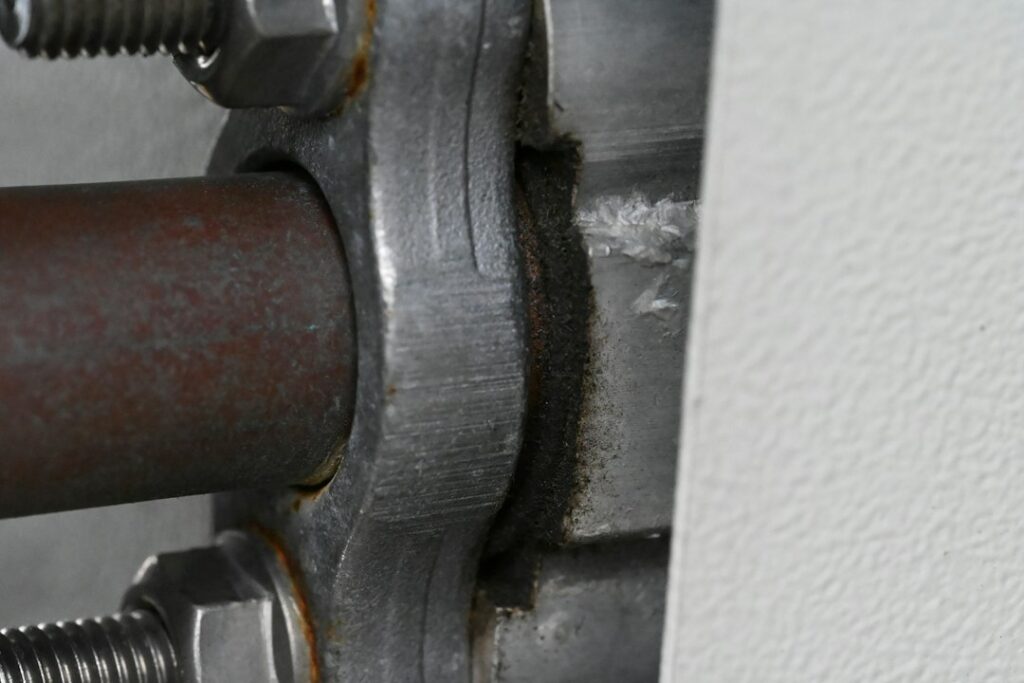
Few phrases on a furnace service ticket worry homeowners more than “cracked heat exchanger.” It is often delivered with a red tag on the furnace and a recommendation to replace the whole unit, sometimes in the middle of a cold Colorado week. The concern is real: a heat exchanger is the part of a gas furnace that keeps combustion gases separate from the air you breathe. But the diagnosis is also one of the more misunderstood in residential HVAC, and the right response depends on what was actually found, how it was confirmed and how old the furnace is. This guide explains what a heat exchanger does, why cracks matter, the warning signs, how professionals diagnose the problem, what repair and replacement typically cost, and why working carbon monoxide alarms are a non-negotiable layer of protection. If a CO alarm sounds, get everyone out of the house first and call 911 or your gas utility from outside.
Part of our Heating, Cooling & Ventilation guide — start there for the full picture →
Heating or cooling trouble? Talk to a local HVAC technician.
📞 Call (833) 491-1876What a Cracked Heat Exchanger Means
A cracked heat exchanger is a breach, split or hole in the metal chamber or tubes inside a gas furnace where fuel burns. In a healthy furnace, flames and hot combustion gases stay inside the heat exchanger and are vented out through the flue, while the blower moves house air across the outside of the metal to pick up heat. A crack can allow combustion byproducts, including carbon monoxide, to mix with the air circulating through the home, or can disrupt the flame and cause incomplete combustion that produces more CO.
Not every crack leaks the same way, and not every crack leads to dangerous CO levels in living spaces. Still, the HVAC industry generally treats a confirmed breach as a condition that requires the furnace to be shut down until it is repaired or replaced, because the metal is the main barrier between combustion and household air. Most of the time, the fix is either replacing the heat exchanger under warranty or replacing the furnace. Diagnosis should be done by a qualified HVAC technician.
How a Heat Exchanger Works
In a typical forced-air gas furnace, burners ignite natural gas or propane at the bottom of the unit. The flame and hot gases flow into the primary heat exchanger, a set of metal tubes or clamshell-shaped chambers. The draft inducer fan pulls those gases through the exchanger and pushes them out the vent pipe. Meanwhile, the blower fan pushes return air from the house across the outside surfaces of the heat exchanger. Heat moves through the metal into the airflow, and warm air is distributed through ducts.
High-efficiency condensing furnaces, common in newer Front Range homes, have a secondary heat exchanger that pulls additional heat from the exhaust and condenses water vapor out of it. That condensate is acidic, and the secondary exchanger is designed to handle it. These furnaces typically vent through PVC pipes out a side wall or roof, while older standard-efficiency units vent through metal flues into a chimney.
Why Heat Exchangers Crack
Heat exchangers expand when they heat up and contract as they cool, thousands of times a year. Over years of cycling, that thermal stress can fatigue the metal, especially at bends, seams and welds. Common contributing factors include:
- Age. Older furnaces have accumulated more heating cycles.
- Overheating. Restricted airflow from dirty filters, closed or blocked supply registers, undersized ductwork or a failing blower causes the exchanger to run hotter than designed.
- Oversizing. A furnace that is too large for the house short-cycles, increasing the number of heating and cooling cycles.
- Corrosion. Condensation inside the exchanger, exhaust problems or chemical exposure from nearby products can corrode metal over time.
- Manufacturing defects. Some models have had known issues with certain heat exchanger designs.
Regular filter changes and annual maintenance reduce several of those risks. Our guide to HVAC cleaning and maintenance covers airflow-related upkeep that keeps furnaces from running hot.
Warning Signs of a Cracked Heat Exchanger
A heat exchanger crack is usually hidden deep inside the cabinet, so most signs are indirect. Any of the following warrants a call to an HVAC professional:
- CO alarm activation. A carbon monoxide alarm sounding when the furnace runs is the most important sign. Leave the home and call for help before investigating anything.
- Flame changes. On furnaces with visible burners, a flame that is lazy, yellow, flickering, or that wavers or rolls out when the blower starts can indicate air pushing through a breach. Flame rollout can also trip safety switches.
- Soot. Black soot around the burners, the furnace cabinet or supply registers suggests incomplete combustion.
- Odors. A sharp, unusual or formaldehyde-like smell when the furnace runs. Carbon monoxide itself is colorless and odorless, so the absence of smell does not mean the air is safe.
- Physical symptoms. Headaches, dizziness, nausea or flu-like symptoms that improve when people leave the house can be signs of CO exposure. Seek medical care if anyone has symptoms.
- Visible cracks or corrosion. Occasionally a technician can see rust, separation or holes on accessible portions.
- Unusual noises or frequent safety shutdowns. These are not specific to a crack but can accompany combustion problems.
None of these signs alone confirms a cracked heat exchanger, and several have other causes, such as a blocked flue, a dirty burner or a venting problem. Each of those can also produce carbon monoxide, which is why any combustion symptom deserves prompt professional attention.
How a Cracked Heat Exchanger Is Diagnosed
Confirming a crack is a job for an HVAC technician, not a home inspector. Methods include:
Visual Inspection and Cameras
Technicians remove access panels and use mirrors, lights and flexible inspection cameras inserted through burner ports or flue openings to look at the interior surfaces of the exchanger. Cracks often hide at bends and seams where cameras are needed. Photos or video from the camera are useful documentation and worth requesting.
Combustion Analysis
A combustion analyzer measures oxygen, carbon monoxide and other values in the flue gases. Changes in readings when the blower starts can suggest air entering the combustion side through a breach. Technicians may also measure CO in supply air at the registers.
Other Tests
Some technicians use flame observation with the blower on and off, smoke or tracer tests, or pressure tests on certain designs. Manufacturer guidance often specifies what constitutes a failed heat exchanger for warranty purposes.
What Home Inspectors Can and Cannot Do
During a general home inspection, an inspector typically operates the furnace using normal controls, checks visible components, venting and safety features, and notes concerns such as rust, soot, flame irregularities or missing CO alarms. The ASHI Standards of Practice do not require inspectors to disassemble equipment or determine heat exchanger condition, which requires dismantling the furnace. A home inspector may recommend further evaluation, but confirmation comes from an HVAC technician. Buyers who want a deeper look at heating systems can read our guide to hiring an HVAC inspector and our overview of specialty inspections that can be added to a purchase.
Get a Second Opinion When It Makes Sense
Because a cracked heat exchanger diagnosis often leads to a replacement recommendation, getting a second opinion from another licensed HVAC company is reasonable, especially if the diagnosis came without photos or test readings. Keep the furnace off in the meantime if the first technician red-tagged it or shut off the gas, and follow your gas utility’s guidance. Ask both companies for photos, test results and a written explanation.
Problems That Can Look Like a Cracked Heat Exchanger
Several other furnace and venting problems produce symptoms that overlap with a cracked heat exchanger. Some are cheaper to fix; others are just as urgent. A careful technician rules these out before recommending a major repair:
- Blocked or disconnected venting. A bird nest, snow drift over a side-wall vent, a separated flue joint or a collapsed chimney liner can push combustion gases back into the house. This is a CO hazard on its own and often a straightforward repair.
- Dirty or misaligned burners. Rust flakes, dust or misaligned burners can cause yellow, lazy flames and soot without any crack in the exchanger.
- Incorrect gas pressure or air supply. Improper gas pressure, or a furnace closet that lacks adequate combustion air, can cause incomplete combustion and elevated CO.
- Backdrafting from other appliances. A water heater sharing a flue, a powerful kitchen exhaust fan or a tight house can depressurize the space and pull exhaust back down a chimney.
- Failing inducer motor or pressure switch. These can cause noisy operation, short cycling or lockouts that are mistaken for exchanger trouble.
Because each of these can also raise carbon monoxide levels, they are not reasons to ignore symptoms. They are reasons to insist on a thorough diagnosis before signing off on a replacement.
Questions to Ask the Technician
- Where exactly is the crack or breach, and can you show me a photo or video?
- What test results support the diagnosis, such as combustion analysis readings with the blower on and off?
- Did you check venting, gas pressure and combustion air as possible causes?
- Is the heat exchanger still under manufacturer warranty, and what would labor cost?
- Did airflow or sizing problems contribute, and will those be corrected either way?
- Is it safe to run the furnace at all until it is fixed, and what interim heat options do you recommend?
Clear answers, documented with photos and readings, make it much easier to compare quotes, file a warranty claim or negotiate during a home purchase.
Repair vs. Furnace Replacement
When a crack is confirmed, there are usually two options.
Replacing the Heat Exchanger
Many manufacturers offer long warranties on heat exchangers, sometimes 20 years or lifetime for the original registered owner. Under warranty, the part may be free, but labor is often not covered and can be significant because the furnace has to be largely disassembled. Labor for this job commonly runs from several hundred dollars to well over $1,000 depending on the model and access. Without warranty, the part plus labor can approach a substantial fraction of the cost of a new furnace.
Replacing the Furnace
For older furnaces, especially those more than 15 to 20 years old or out of warranty, replacement often makes more sense than repair. A new gas furnace installed in a typical home commonly costs several thousand dollars, with higher costs for high-efficiency units, complex venting changes or ductwork modifications. A new furnace also brings a new warranty, better efficiency and newer safety controls. ENERGY STAR certified furnaces meet higher efficiency thresholds and may qualify for utility rebates.
Factors to Weigh
- Age and overall condition of the furnace
- Warranty status and whether you are the original registered owner
- Cost of heat exchanger labor versus replacement
- Whether airflow, sizing or venting problems contributed to the crack and need fixing either way
- Efficiency gains and potential rebates from a new unit
- Timing, especially in winter when a red-tagged furnace means no heat
Ask for written quotes for both options so the comparison is clear.
Carbon Monoxide Alarms: The Essential Backup
Carbon monoxide is a colorless, odorless gas that can cause serious illness or death. The NFPA recommends installing CO alarms outside each separate sleeping area, on every level of the home, and in other locations required by applicable codes, and interconnecting them where possible so that when one sounds, they all sound. Test them regularly and replace them according to the manufacturer’s instructions, since sensors have a limited service life.
If a CO alarm sounds:
- Get everyone, including pets, out of the house to fresh air immediately.
- Call 911 or your gas utility’s emergency line from outside.
- Do not go back inside until emergency responders say it is safe.
- Seek medical care for anyone with symptoms.
CO alarms do not replace furnace maintenance, but they provide warning if combustion gases reach living spaces from any source, including furnaces, water heaters, fireplaces, attached garages and generators. For product options, browse our CO and gas detector category.
Prevention: Annual Furnace Inspection and Maintenance
Heat exchanger cracks cannot always be prevented, but regular maintenance improves the chances of catching problems early and reduces conditions that cause them. The NFPA heating safety guidance recommends having heating equipment inspected each year by a qualified professional. A typical annual service may include:
- Visual and camera inspection of accessible heat exchanger areas
- Burner cleaning and flame checks
- Combustion analysis and CO checks
- Testing safety controls and limit switches
- Checking the flue, venting and condensate drain
- Measuring temperature rise and airflow
- Inspecting the blower, filter and electrical connections
Between visits, change filters on schedule, keep supply and return vents open and unobstructed, keep the area around the furnace clear, and keep exterior vent terminations free of snow, which is a real issue for side-wall vents during heavy Front Range storms. Our home inspection hiring hub explains how to line up the right professionals, from general inspectors to HVAC specialists, when buying a home.
For Home Buyers
If a home inspector notes signs such as soot, rust, rollout, or an older furnace with no service history, ask for a furnace evaluation by a licensed HVAC company before the inspection period ends. A cracked heat exchanger found during escrow can be negotiated as a repair, a credit or a price adjustment, but only if it is identified in time.
It also helps to ask the seller for the furnace’s installation date, model and serial number, and any service invoices. Manufacturers often require the original owner to have registered the unit for the longest heat exchanger warranties, and coverage may drop to a shorter term or end entirely when the home changes hands. Knowing the warranty position before closing tells you whether a future heat exchanger failure would mean a labor-only repair bill or the cost of a new furnace. On older units with no records, budgeting for replacement within the next few years is a prudent assumption.
More Questions About Cracked Heat Exchangers
Can you run a furnace with a cracked heat exchanger?
A furnace with a confirmed cracked heat exchanger should not be operated until it is evaluated and repaired or replaced, because a crack can allow combustion gases, including carbon monoxide, to enter the airflow. Many technicians will shut off or red-tag the furnace.
Working CO alarms are essential, but they are not a reason to keep using a damaged furnace. If heat is needed while waiting for repairs, use safe temporary heating options and follow manufacturer instructions. Anyone with symptoms of carbon monoxide exposure should leave the home and seek medical care.
How long do furnace heat exchangers last?
Furnace heat exchangers often last about 15 to 20 years or longer, but lifespan depends on furnace design, maintenance, airflow and installation quality. Cracks can occur earlier when the furnace overheats.
Dirty filters, blocked returns, undersized ductwork and improper gas pressure can increase stress on the heat exchanger. Annual furnace maintenance helps catch airflow and combustion problems early. Older furnaces with cracked heat exchangers are often replaced rather than repaired. Furnaces nearing 20 years with any heat exchanger concern deserve a frank repair-versus-replace conversation with the technician.
Can a cracked heat exchanger be welded or sealed?
Cracked furnace heat exchangers are generally not repaired by welding or sealing in residential furnaces. Manufacturers and HVAC professionals usually recommend replacing the heat exchanger or the furnace.
Patches may not hold under repeated heating and cooling cycles and can leave combustion gases leaking into the airflow. If a heat exchanger warranty covers the part, labor and furnace age still matter. Replacing an older furnace may make more sense than paying significant labor on a failed part. Getting the diagnosis in writing, with photos or camera images, helps when comparing repair and replacement quotes.
Should a home buyer ask for a credit for a cracked heat exchanger?
A home buyer should usually ask for repair, replacement or a credit if an HVAC technician confirms a cracked heat exchanger. The issue is a safety concern and often leads to furnace replacement.
Home inspectors may note signs that suggest a problem, but confirmation should come from a qualified HVAC professional. Getting a written diagnosis and replacement estimate helps support negotiations. Buyers should not rely on the furnace until the issue is resolved. Asking for a credit instead of a seller repair lets the buyer choose the replacement furnace and installer. Working carbon monoxide alarms on every level should be in place from move-in day.
References
- Carbon Monoxide Safety — National Fire Protection Association
- Heating Safety — National Fire Protection Association
- Carbon Monoxide’s Impact on Indoor Air Quality — U.S. Environmental Protection Agency
- ENERGY STAR Certified Furnaces — ENERGY STAR
- ASHI Standards of Practice — American Society of Home Inspectors
Frequently asked questions
Is a cracked heat exchanger dangerous?
It can be. A crack can let combustion gases, including carbon monoxide, mix with household air or disrupt combustion. The furnace is usually shut down until it is repaired or replaced. Working CO alarms provide an essential warning layer.
How much does it cost to fix a cracked heat exchanger?
If the heat exchanger is under warranty, the part may be covered but labor often runs several hundred dollars to more than $1,000. Out of warranty, total cost can approach a large fraction of a new furnace, which commonly costs several thousand dollars installed.
Can a home inspector find a cracked heat exchanger?
A home inspector may note warning signs such as soot, rust, flame irregularities or rollout and recommend further evaluation. Confirming a crack requires an HVAC technician who can disassemble the furnace, use cameras and perform combustion analysis.
What should I do if my carbon monoxide alarm goes off?
Get everyone out of the house immediately, then call 911 or your gas utility from outside. Do not go back in until responders say it is safe, and seek medical care for anyone with headaches, dizziness, nausea or other symptoms.
Should I get a second opinion on a cracked heat exchanger?
A second opinion from another licensed HVAC company is reasonable, especially if the first diagnosis lacked photos or test results. Keep the furnace off in the meantime if it was red-tagged or the gas was shut off.
What does a red tag on a furnace mean?
A red tag on a furnace means a technician or utility found a hazardous condition and marked the equipment unsafe to operate. The gas may be shut off. The issue must be corrected and checked before using the furnace again. Removing a red tag without repair is unsafe.
Do high-efficiency furnaces have more than one heat exchanger?
Many high-efficiency condensing furnaces have a primary and secondary heat exchanger. Either can fail, though the primary heat exchanger is the one most often discussed for combustion leaks. Diagnosis depends on the furnace design. A technician familiar with the specific model can inspect both.
Can a cracked heat exchanger have no warning signs?
Yes, a cracked heat exchanger can exist without obvious warning signs, especially early on. That is why annual furnace maintenance and working carbon monoxide alarms are important. Combustion analysis and visual inspection can help find problems. Buyers should ask for service records.
Buying a Colorado home with an older furnace, or want a second set of eyes on a heating system before closing? Contact us and we can connect you with a qualified local inspector who can flag warning signs and point you toward the right specialist.