What’s Good for Mold and Mildew: Cleaners Compared
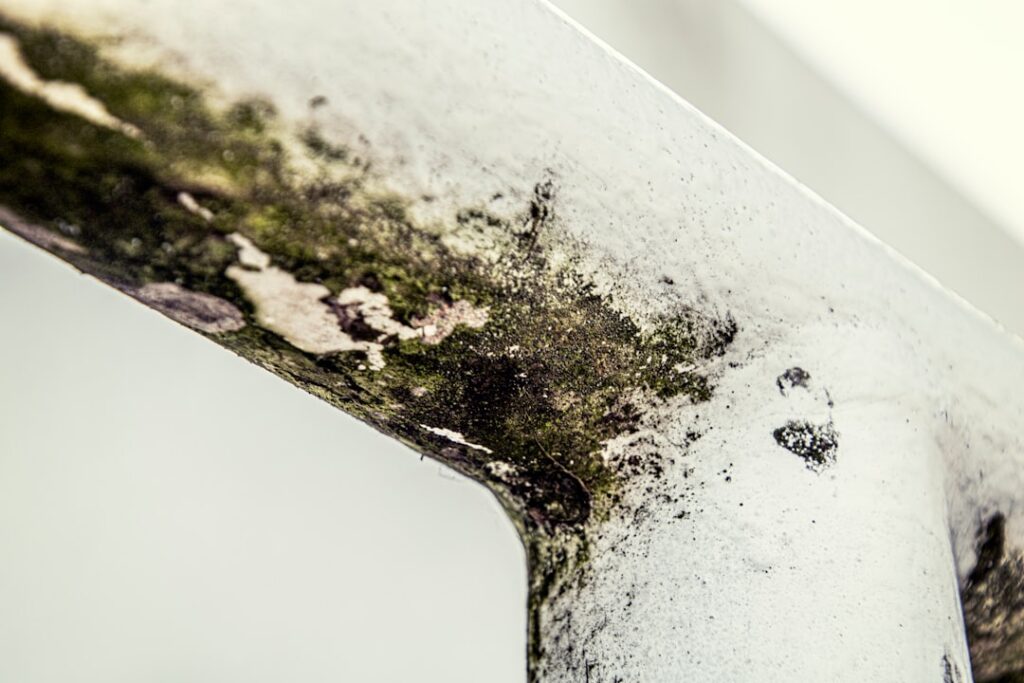
Search for what’s good for mold and mildew and you will find long lists of sprays, home remedies and strong opinions about bleach. The useful answer is shorter. On hard, non-porous surfaces, ordinary detergent and water is the EPA’s first recommendation, and several other products can help in specific situations. On porous materials such as drywall, carpet and ceiling tiles, no product reliably fixes the problem, and the material usually has to go. And whatever you clean with, the growth will come back unless the moisture that fed it is controlled. This guide compares the common options, explains the cautions that come with each, and links to our deeper guides on individual products. It reflects EPA and CDC guidance current as of 2026; always follow product labels, and consult a qualified professional for large jobs or health concerns.
Part of our Types of Mold guide — start there for the full picture →
Is this mold, asbestos, or water damage? Get a free instant screen
Upload a clear photo of the suspect area. You'll get an instant AI screening opinion and what to do next. This is screening guidance, not a professional determination.
Screening guidance only. AI can be wrong. Confirm asbestos, mold type, or lead with lab testing or a licensed professional before acting.
Mold vs Mildew: What You Are Actually Cleaning
“Mildew” is an everyday word, not a separate kingdom of organism. The EPA’s mold course says that molds are also called fungi or mildew, and that they are part of the kingdom Fungi rather than plants or animals. In common use, mildew usually means mold growing flat on a surface: the gray, black or pink film on shower grout, caulk and tile, the spotting on a shower curtain, or the musty patches on towels, clothing and stored fabrics. People tend to say “mold” when growth is thicker, fuzzier, or growing into building materials.
That distinction matters less for chemistry than for location. Surface growth on glazed tile, glass, sealed countertops and metal can often be scrubbed off completely. Growth that has worked into grout, caulk, wood, drywall paper or fabric is harder to remove and more likely to return. For a fuller comparison, see our guide to black mold vs mildew, and for bathroom-specific steps, how to clean mold in a shower.
The CDC’s guidance supports a simple approach: if you see or smell mold, you should remove it, and you do not need to know the type of mold to clean it up. The same page says that if mold is growing in your home, you need to clean up the mold and fix the moisture problem. Those two steps, removal and moisture control, are the framework for everything below.
Mold and Mildew Cleaners Compared: Quick Reference Table
The table summarizes common household options. “Works on” means the surfaces where each option is typically used, not a guarantee that it removes all growth. Always test a hidden spot first and follow the manufacturer’s label.
| Product | Works on | Cautions |
|---|---|---|
| Detergent and water | Hard, non-porous surfaces: tile, glass, sealed counters, metal, plastic, tubs and showers | Gentle and low-risk; scrubbing does most of the work. Dry the surface completely afterward. |
| White vinegar | Hard surfaces, grout, shower fixtures, some washable items | Acidic; can etch natural stone such as marble and limestone and damage some finishes. Never combine with bleach. |
| Hydrogen peroxide (3% household) | Hard surfaces, grout, some fabrics after spot-testing | Can lighten or bleach colored fabrics and some surfaces. Store in its original dark bottle. Never mix with vinegar in the same container. |
| EPA-registered mold and mildew products | The surfaces listed on the product label | Use exactly as the label directs, including contact time, ventilation and protective gear. Claims and surfaces vary by product. |
| Chlorine bleach solution | Hard, non-porous surfaces only | EPA says biocides such as bleach are not recommended as routine practice. Never mix with ammonia or other cleaners. Ventilate well. Can discolor fabrics and damage some materials. |
| Mold-resistant primer or paint | Clean, dry surfaces after cleanup, as a preventive coat | Not a substitute for removal. EPA advises against painting or caulking over moldy surfaces. |
| Porous materials (drywall, carpet, ceiling tiles) | Usually no cleaner is reliable | EPA notes these may have to be thrown away if moldy, because mold fills crevices and may be impossible to remove completely. |
The Best Options for Hard Surfaces
Most mildew in a home grows on hard surfaces in bathrooms, kitchens, laundry rooms and around windows. These are the places where cleaning products actually have a good chance of working.
Detergent and water: the EPA’s first recommendation
The EPA’s Mold Cleanup in Your Home guidance says to scrub mold off hard surfaces with detergent and water, and dry completely. That is the baseline, and for many mildew problems it is enough. Ordinary dish soap or an all-purpose cleaner, warm water, a stiff brush or non-scratch scrub pad, and some patience will remove most surface growth from tile, tubs, sealed counters, window frames and appliance gaskets.
Why start here? Detergent lifts and removes mold rather than just killing it in place, and removal is the goal. The EPA’s mold course makes this point directly: dead mold is allergenic and may cause allergic reactions and other health effects in some individuals, so it is not enough to simply kill the mold; it must also be removed. A product that kills but leaves residue behind has not finished the job. The CDC also lists soap and water among the ways mold can be removed from hard surfaces.
For best results, scrub with enough pressure to reach into textured surfaces, rinse, and dry with a clean towel or by ventilating the room. Drying matters as much as scrubbing; damp surfaces are where mildew restarts.
White vinegar
Household white vinegar is a popular choice for mildew on grout, shower doors and fixtures, partly because it also helps with soap scum and mineral deposits. Many people spray it full strength, let it sit for a period, then scrub and rinse. It is mildly acidic, so it can etch natural stone such as marble, travertine and limestone, and it may dull some finishes. The EPA and CDC pages cited here do not specifically evaluate vinegar, so treat it as a reasonable household option rather than an official recommendation. Our guide on whether white vinegar kills mold covers its strengths and limits in detail.
One caution worth repeating: never mix vinegar with bleach. Combining an acid with chlorine bleach can release chlorine gas.
Hydrogen peroxide
Standard 3 percent hydrogen peroxide from a pharmacy is another common option for grout, tile and some fabrics. It is usually applied full strength, left to sit, then scrubbed and wiped. It can lighten colors, so spot-test fabrics, painted surfaces and colored grout first. Store it in the original opaque bottle, since light breaks it down. As with vinegar, the federal pages cited here do not rate peroxide specifically. See our guide to whether hydrogen peroxide kills mold for more.
Some online advice suggests mixing vinegar and peroxide together. Do not combine them in the same container; mixing them can create peracetic acid, which is corrosive and irritating. If you want to use both, use them one at a time and rinse in between.
EPA-registered mold and mildew products
Many commercial bathroom and mildew cleaners are registered with the EPA as antimicrobial pesticides, which means the label is a legal document: it lists the surfaces, dilution, contact time and safety precautions for that product. The most common mistake with these products is wiping them off too soon or using them on surfaces the label does not cover. Read the label, follow the contact time, ventilate, and wear the gloves or eye protection it calls for.
The CDC’s prevention advice includes cleaning bathrooms with mold-killing products. Brand-name sprays vary widely in what they contain and what they claim. For details on specific products, see our guides on whether Lysol kills black mold, household mold killers and mold removal sprays for drywall.
Bleach: Useful in Limited Cases, Not a Routine Fix
Bleach is the product most people reach for first, and it is also the one with the most caveats. The EPA’s mold course defines biocides as substances that can destroy living organisms and states that using a biocide or chemical that kills organisms such as mold, with chlorine bleach given as the example, is not recommended as a routine practice during mold cleanup. It adds that there may be instances when professional judgment indicates its use, for example when immune-compromised individuals are present. The EPA’s Brief Guide says that in most cases it is not possible or desirable to sterilize an area, because a background level of mold spores will remain, and those spores will not grow if the moisture problem has been resolved.
The CDC’s guidance takes a somewhat more permissive line for household use. It says mold can be removed from hard surfaces with household products, soap and water, or a bleach solution of no more than 1 cup of household laundry bleach in 1 gallon of water. Read together, the two agencies are consistent on the essentials: bleach is an option for hard surfaces, it is not required, it does not replace removal and moisture control, and it must be handled carefully.
Bleach safety rules
- Never mix bleach with ammonia or other cleaners. The CDC warns this will produce a poisonous gas, and the EPA warns against mixing chlorine bleach with other cleaning solutions or detergents that contain ammonia because toxic fumes could be produced.
- Ventilate. The EPA says that if disinfectants or biocides are used, always ventilate the area and exhaust the air to the outdoors. The CDC advises opening windows and doors for fresh air when using bleach.
- Protect skin and eyes. When using bleach, the CDC advises wearing rubber boots, rubber gloves and goggles. The EPA’s Brief Guide lists glove materials such as natural rubber, neoprene, nitrile, polyurethane or PVC for use with biocides like bleach.
- Hard surfaces only. Bleach does not solve mold inside porous materials, and it can discolor fabrics and damage some finishes.
- Follow the label. The CDC advises following manufacturers’ instructions when using bleach or any other cleaning product.
For a full discussion, see does bleach kill mold, and for why ammonia is a poor choice on its own and a dangerous one near bleach, does ammonia kill mold.
Porous Materials: When Cleaning Is Not the Answer
The biggest source of frustration with mold and mildew products is using them on materials they cannot fix. The EPA’s cleanup guidance says absorbent or porous materials, such as ceiling tiles and carpet, may have to be thrown away if they become moldy, because mold can grow on or fill in the empty spaces and crevices of porous materials and may be difficult or impossible to remove completely.
In practice, that covers:
- Drywall with growth on the paper facing or inside the wall cavity, which is usually cut out and replaced
- Carpet and pad that have been wet long enough to grow mold
- Ceiling tiles stained by roof or plumbing leaks
- Insulation that has become wet and moldy
- Upholstered furniture and mattresses with growth below the surface
- Cardboard boxes and paper stored in damp basements
Washable fabrics such as towels, shower curtains and clothing are a partial exception; many can be laundered successfully if the growth is caught early. The EPA also notes that mold may cause staining and cosmetic damage, and it may not be possible to restore an item’s original appearance. For valuable or sentimental items, the EPA suggests consulting a specialist.
Sealing over the problem is not a shortcut. The EPA says not to paint or caulk moldy surfaces, but to clean up the mold and dry the surfaces before painting, and notes that paint applied over moldy surfaces is likely to peel. Primers such as those discussed in our guide on whether Kilz kills black mold have a role after cleanup, not instead of it.
How to Clean Mold and Mildew Safely, Step by Step
For small areas on hard surfaces, this general process reflects EPA and CDC guidance.
- Check the size. The EPA says that if the moldy area is less than about 10 square feet, roughly a 3 foot by 3 foot patch, in most cases you can handle the job yourself. Larger areas, or areas with a lot of water damage, call for a professional.
- Gear up. Wear long gloves, goggles without ventilation holes and, as the EPA suggests, consider an N-95 respirator to limit breathing in spores.
- Ventilate. Open windows or run an exhaust fan, especially if using any product beyond soap and water.
- Choose one product. Start with detergent and water. If you use another product, use it alone and rinse before switching.
- Scrub and remove. Remove the growth physically; do not just spray and walk away.
- Rinse and dry completely. Dry surfaces with a towel, fan or dehumidifier.
- Discard what cannot be cleaned. Bag porous items with growth below the surface.
- Fix the moisture source. Without this step, the growth will return.
Avoid dry-brushing or sanding visible mold without precautions, since this can put spores into the air. If anyone in the home has asthma, mold allergy or a weakened immune system, consider having someone else do the cleaning. The CDC notes that people with asthma or who are allergic to mold may have severe reactions, and that immune-compromised people and people with chronic lung disease may get lung infections from mold.
Prevention: Moisture Control Is the Real Answer
No product beats keeping surfaces dry. The EPA’s mold course states that moisture is the most important factor influencing mold growth indoors and that moisture control is the key to mold control. The EPA’s Brief Guide recommends keeping indoor humidity below 60 percent, ideally between 30 and 50 percent, and drying wet materials within 24 to 48 hours of a leak or spill.
Practical habits that keep mildew from coming back include:
- Running the bathroom exhaust fan during showers and for a while afterward
- Squeegeeing or wiping shower walls and doors after use
- Washing shower curtains and bath mats regularly and letting them dry fully
- Repairing cracked grout and failed caulk promptly
- Fixing dripping faucets, leaking supply lines and slow drains
- Not storing damp towels, gym clothes or laundry in closed hampers or bags
- Using a dehumidifier in basements and other damp spaces
The CDC also suggests adding mold inhibitors to paints before painting and avoiding carpet in places like bathrooms or basements that may have a lot of moisture. On the Front Range, dry outdoor air helps, but bathrooms, basements and crawl spaces still need active ventilation and quick leak repair.
When mildew keeps returning despite good cleaning, the moisture source may be hidden: a slow leak behind a shower wall, condensation inside an exterior wall, or poor ventilation. That is when a professional moisture assessment or inspection becomes worth it. Some homeowners also use mold test kits, though the EPA’s Brief Guide says that in most cases, if visible mold growth is present, sampling is unnecessary. For more on inspection and remediation, see our mold inspection guide and the mold types hub.
Frequently Asked Questions
Frequently asked questions
What's the best thing to clean mold and mildew with?
For hard, non-porous surfaces, the EPA's first recommendation is to scrub with detergent and water and dry completely. Vinegar, hydrogen peroxide and EPA-registered products can also help when used according to their labels.
Is bleach good for mold and mildew?
Bleach can be used on hard surfaces, but the EPA says biocides such as chlorine bleach are not recommended as a routine practice. If you use it, the CDC advises no more than 1 cup of bleach per gallon of water, good ventilation, and never mixing it with ammonia or other cleaners.
Is it safe to mix vinegar and bleach for a stronger cleaner?
No. Mixing bleach with acids such as vinegar can release chlorine gas, and mixing bleach with ammonia produces a poisonous gas. Use one product at a time and rinse between them.
Can mold be cleaned off drywall or carpet?
Often not completely. The EPA says porous materials such as ceiling tiles and carpet may have to be thrown away if they become moldy, because mold fills their crevices and may be impossible to remove fully.
Why does mildew keep coming back after cleaning?
Usually because the moisture source is still there. Run exhaust fans, keep humidity below 60 percent, dry surfaces after use, and look for hidden leaks behind showers or walls.
Cleaned the same mildew patch three times and it keeps coming back? Get in touch with us and we can help you track down the moisture behind it.