Mildew Cleaners: How to Choose One That Works
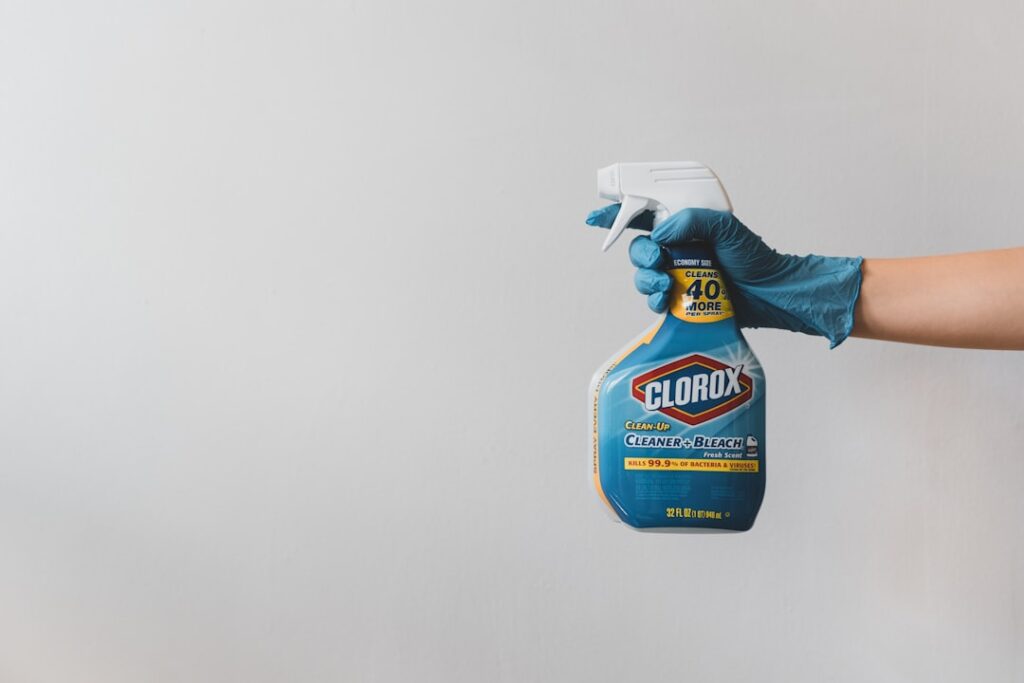
That thin black or gray film along a shower seam or window sill is usually mildew, the flat surface cousin of mold. The right mildew cleaners clear it quickly because mildew tends to stay on the surface rather than burrowing in. Choosing well means matching the cleaner to the material and knowing when a stain is mildew versus something deeper. This guide summarizes EPA and CDC guidance current as of 2026 and is educational only; consult your physician about symptoms and a certified professional for larger problems.
Is this mold, asbestos, or water damage? Get a free instant screen
Upload a clear photo of the suspect area. You'll get an instant AI screening opinion and what to do next. This is screening guidance, not a professional determination.
Screening guidance only. AI can be wrong. Confirm asbestos, mold type, or lead with lab testing or a licensed professional before acting.
Mildew Versus Mold: Why the Cleaner Differs
Mildew and mold are both fungi, and the terms overlap in everyday speech, but they behave differently on a surface. Mildew typically grows flat, in patches that look powdery or downy and range from white and gray to yellow or black. It clings to the top layer of tile, grout, fabric, and painted surfaces. Mold often grows thicker, fuzzier, and can penetrate porous materials where it becomes far harder to remove.
That difference shapes your shopping list. Because mildew sits on the surface, a cleaner only has to lift and kill what is visible. A surface disinfectant with some scrubbing usually finishes the job. Mold that has rooted into drywall or wood is a removal problem, not a cleaning one, and the EPA’s remediation guidance reflects that. Knowing which you are dealing with prevents you from buying a spray for a job that actually needs a contractor.
One practical test helps: gently probe the surface. Mildew typically wipes back to a clean or only lightly stained surface, while growth that has penetrated leaves the material soft, discolored deep down, or quickly returning. If a patch resists cleaning and keeps coming back in the same spot, treat it as possible mold rather than simple mildew.
Types of Mildew Cleaners
Mildew cleaners fall into a few families. Each suits certain surfaces and certain tolerances for fumes and cost.
Chlorine-Based Cleaners
Bleach-based mildew sprays are the workhorses of bathroom cleaning. They kill surface mildew fast and bleach away staining on grout and caulk. They shine on hard, nonporous surfaces and white grout. The trade-offs are strong fumes, the risk of damaging colored fabrics, and the rule never to mix them with ammonia or other cleaners, which produces toxic gas.
Oxygen and Peroxide Cleaners
Oxygen-based cleaners and 3% hydrogen peroxide kill mildew while being gentler on lungs and color-safe on many fabrics. Peroxide breaks down into water and oxygen, leaving little residue. These are a sensible middle ground for households that want effectiveness without heavy chlorine fumes.
Vinegar and Natural Options
Distilled white vinegar is mildly acidic and handles light mildew on tile, glass, and sealed surfaces. It is inexpensive and low-fume, though slower and weaker on heavy buildup. Some homeowners pair it with baking soda for a mild scrubbing paste. Natural options work for maintenance more than for a serious outbreak.
Enzyme and Surfactant Formulas
Some commercial mildew cleaners rely on detergents, surfactants, and enzymes to lift mildew without strong oxidizers. They suit delicate surfaces and routine cleaning. Check the label for an EPA registration number if the product makes an antimicrobial kill claim, which indicates the claim was reviewed.
Matching the Cleaner to the Surface
The surface decides the cleaner more than the stain does. On glazed tile, glass, sealed countertops, and metal, almost any mildew cleaner works because nothing penetrates; scrub, rinse, and dry. On grout and caulk, a bleach-based product fades staining best, though badly mildewed caulk is often easier to cut out and replace than to clean.
Fabric, shower curtains, and upholstery need color-safe oxygen or peroxide cleaners; bleach can ruin them. Painted walls call for gentler formulas and light pressure so you do not strip the finish. On wood, mild cleaners and quick drying matter, since wood is porous and prolonged wetness invites deeper growth.
Across every surface, ventilation and drying are non-negotiable. Open a window, run a fan, and dry the area completely. Lingering moisture is what brings mildew back, no matter how good the cleaner.
Where Mildew Grows and Why
Mildew is predictable once you know its preferences. It needs moisture, a food source, and still air, so it clusters in the same spots in nearly every home. Knowing those spots helps you both clean and prevent.
Bathrooms top the list, where steam condenses on tile, grout, caulk, and ceilings that do not dry between showers. Window sills and frames collect condensation in cold weather, especially on single-pane or poorly sealed windows. Closets against exterior walls trap still, humid air. Basements stay cool and damp, particularly along the Front Range where seasonal swings push humidity up and down. Kitchens, laundry rooms, and any area behind furniture pressed against an outside wall round out the usual suspects.
The common thread is stagnant, humid air meeting a cooler surface. That is why ventilation and airflow do as much to prevent mildew as any cleaner does to remove it. Where you keep finding mildew tells you where the moisture is collecting.
How to Clean Mildew Safely
Most mildew jobs are small and well within homeowner range. The EPA generally treats hard-surface areas under about ten square feet as a reasonable do-it-yourself scope. Still, simple precautions protect you from the spores you disturb.
Ventilate the room first and wear an N95 respirator, gloves, and eye protection — the CDC recommends this even for routine cleanups. Apply the cleaner, respect the dwell time on the label, and scrub textured surfaces like grout with a stiff brush. Wipe residue away rather than letting it dry, because dead spores can still trigger allergies. Rinse where appropriate and dry thoroughly with a fan.
If the “mildew” turns out to be soft, spreading, or accompanied by a musty smell with no clear source, treat it as possible mold inside the wall and stop. For a sense of where surface cleaning ends and remediation begins, the homeowner guide to mold inspection and testing walks through the warning signs worth heeding.
Keeping Mildew From Returning
Mildew is a humidity story. It thrives in warm, damp, poorly ventilated spots — bathrooms, basements, closets, and window frames where condensation collects. Control the moisture and the cleaner gets easier every time.
Keep indoor humidity in the EPA’s suggested 30 to 50 percent range, and lean on a dehumidifier in Front Range basements that swing damp seasonally. Run exhaust fans during and after showers, squeegee shower walls, and wipe winter window condensation. Improve airflow in closets and behind furniture set against exterior walls.
For households comparing spray formulas, a roundup of mildew removal products by surface details which chemistry suits tile, fabric, and painted walls. Consistent ventilation and humidity control turn mildew from a recurring chore into an occasional one.
When a Cleaner Is Not the Right Call
Most mildew is a do-it-yourself job, but a few situations call for a professional rather than another bottle. If the growth covers more than roughly ten square feet, the EPA’s guidance points toward professional help with proper containment so spores are not spread through the home. The same applies when mildew follows flooding or a plumbing failure, when it appears in HVAC ductwork, or when it keeps returning in the same spot despite repeated cleaning.
Health sensitivity is another factor. People with asthma, allergies, or weakened immune systems can react to even modest growth, and for them the cautious path is to let a professional handle removal. A persistent musty smell with no visible source is worth taking seriously too, because it often means growth is hidden inside a wall, floor, or ceiling cavity where a surface cleaner cannot reach. Recognizing these limits is part of cleaning well, and a qualified inspector can locate the moisture source that keeps feeding the problem.
Reading a Mildew Cleaner Label
The label on a mildew cleaner carries the details that decide whether it fits your job, and a quick read prevents wasted money. The active ingredient comes first: bleach for hard surfaces and white grout, oxygen or peroxide for color-safe work on fabric, vinegar or detergents for light maintenance. That single line tells you which surfaces the product suits.
Next is the EPA registration number. When a mildew cleaner claims to kill the growth rather than merely lift staining, that number indicates the antimicrobial claim was reviewed by the agency. A product without it may still clean well but is not a tested disinfectant. The dwell time is the third detail, telling you how long the cleaner must stay wet to work; on vertical surfaces, pair that knowledge with a clinging foam so the product does not run off early. Finally, check the listed surfaces and any color-safe or rinse-required notes, and read the warnings about mixing, since no cleaner should ever be combined with another. Those few lines hold everything you need to match the cleaner to the surface safely.
How Mildew Forms in the First Place
Choosing a mildew cleaner is easier once you understand how mildew forms. Like all molds, mildew is a fungus that spreads through microscopic spores present in nearly every indoor and outdoor space. Spores drift on air currents and settle on surfaces continually. They cause no trouble on their own; they only develop into the flat, powdery growth we call mildew when they find the conditions to grow.
Those conditions are moisture, a food source, and still air. Food is almost always present — soap film, dust, fabric, painted surfaces, and grout all qualify. Still, stagnant air lets humidity linger against a surface long enough for spores to take hold. Moisture is the condition you can actually control, which is why ventilation and humidity management do as much to prevent mildew as any cleaner does to remove it.
This is why mildew returns to the same shower seam or window sill again and again. A cleaner removes the visible growth, but new spores settle within days, and if the spot stays warm and damp, a fresh patch forms. Understanding the cycle reframes a mildew cleaner as routine maintenance, with airflow and dryness doing the real preventive work.
Storing and Disposing of Mildew Cleaners Safely
The safe handling of mildew cleaners continues after the scrubbing is done. Keep each product in its original, labeled container so contents and warnings remain clear, and store them out of reach of children and pets. This matters especially with bleach-based bathroom cleaners, which are common in most homes.
Store bleach products well away from ammonia cleaners and acids to remove any chance of a dangerous mix, and keep everything cool and dry to preserve the formula. Check expiration dates, since some active ingredients weaken over time. For disposal, follow the label and local rules; rinsed containers of common cleaners usually go with ordinary recycling or trash.
Used cloths, sponges, brush heads, and any moldy caulk or debris removed during cleaning should be sealed in a plastic bag before disposal so spores are not released as the trash is handled. Folding storage and disposal into the same routine keeps a mildew cleanup from spreading the very spores you set out to remove.
References
- Mold Cleanup in Your Home — U.S. Environmental Protection Agency
- About Mold and Your Health — Centers for Disease Control and Prevention
- A Brief Guide to Mold, Moisture and Your Home — U.S. Environmental Protection Agency
If mildew keeps reappearing in a Denver-area bathroom or basement and you suspect a hidden moisture source, reach out to a vetted Front Range inspector through our contact page for a closer look.